After a 13-year wait, the sequel to the popular life simulation game is coming to Nintendo Switch and Switch 2. Tomodachi Life: Living the Dream lets players create and control Mii characters as they live their virtual lives. The game launches on April 16th, and I recently had the chance to try it out. As someone who loves life simulation games, I was eager to see what this new version offers.
It’s hard to really categorize Tomodachi Life: Living the Dream. While it’s a life simulation game, it’s quite different from most. Instead of controlling characters directly, you’re more like an observer, guiding things from a distance and watching the drama unfold. This can be both fun and a little annoying. Fans of the original Tomodachi Life will probably enjoy this new version, but my experience was somewhat mixed. Overall, I think Tomodachi Life: Living the Dream will be a big hit with its dedicated fans, and a quirky, amusing experience for everyone else.
Rating: 3 out of 5
| Pros | Cons |
|---|---|
| Structured creative freedom with Miis and island/item designs | Sense of humor may not be for everyone |
| Quirky spin on a classic life sim feels fresh yet familiar | Mini-games and cutscenes get repetitive pretty quickly |
| Entertaining mini-games add another layer to gameplay | Not as much creative freedom in some areas as in similar games |
Tomodachi Life: Living the Dream Leans Into Niche Humor & When It Works, It Works
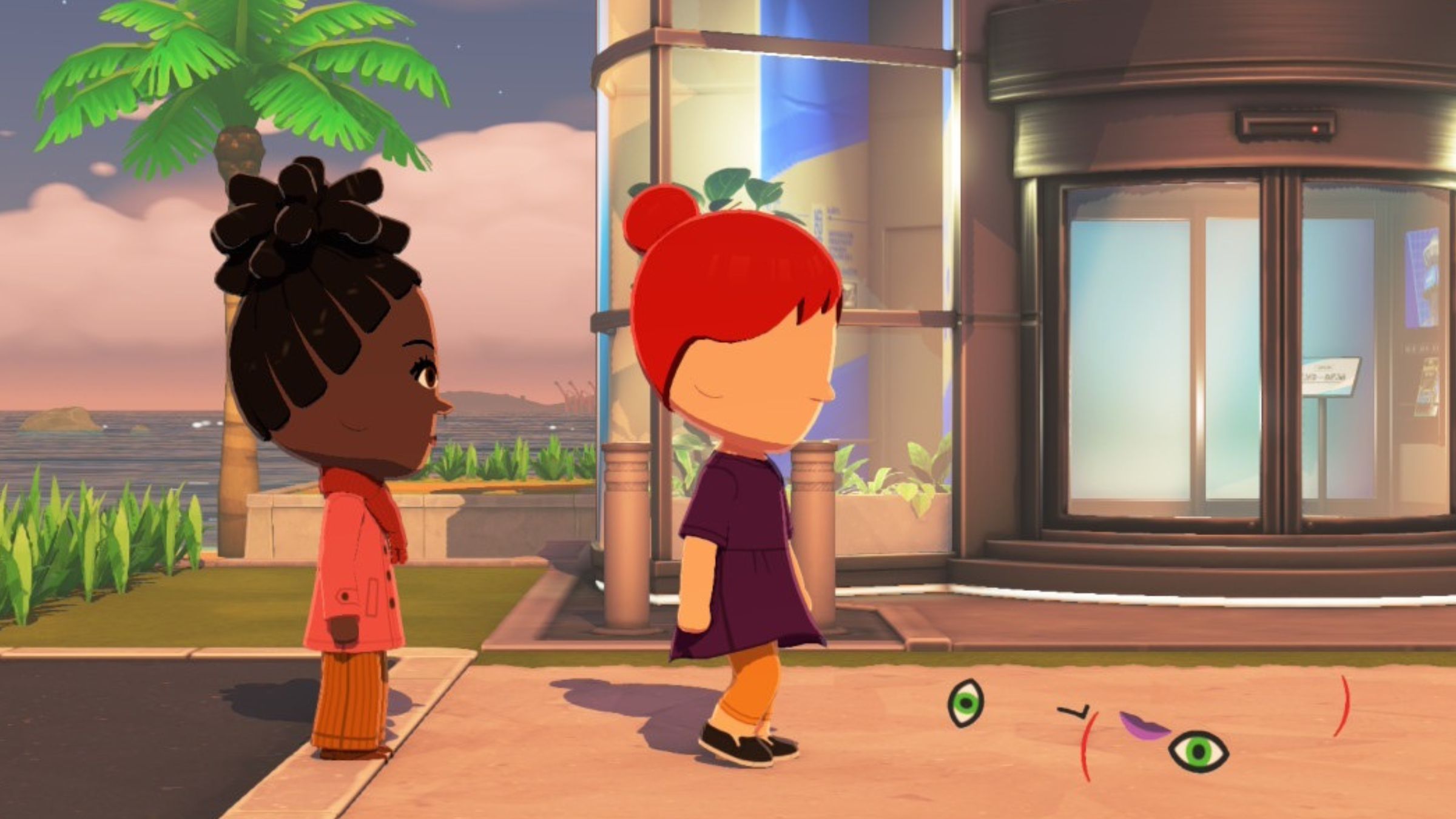
Players who tried the demo agree: the first few hours of Tomodachi Life: Living the Dream are really enjoyable. You have a lot of freedom to design your Mii characters, either building them completely from scratch or answering a few questions to help create them. Skilled artists could easily spend hours just perfecting their Miis! But the real fun – and the delightfully strange happenings – start when you place those characters in their new island world.
Living the Dream isn’t afraid to be silly and sometimes a little awkward. The game lets you create a world filled with Mii characters and then simply watch what happens. That’s the unique thing about Tomodachi Life. You don’t directly tell your Miis what to do; you just give them a little nudge by moving them around. After that, they mostly act on their own, based on their personalities and what’s around them. Even when you’re not playing, their lives continue, which can lead to unexpected twists – like a couple you thought was happy suddenly breaking up for seemingly no reason.
The game occasionally shows short, funny scenes when your Mii characters interact, especially when you’ve taught them unique phrases. These scenes are a highlight – they really showcase the game’s quirky humor and made me laugh. However, there aren’t enough of them, and they start to repeat fairly quickly, even with some variation. While you can skip these scenes, it’s a little disappointing because watching your Miis is a big part of what makes the game enjoyable.
The game is funny in subtle ways, too. It’s amusing to give items to your Mii characters, especially since the items look so realistic compared to the cartoonish Miis themselves. Just watching the Miis move around the game world is often entertaining. Plus, when you give them gifts, they learn new actions that can be really comical – like when I gave a Mii maracas and she wouldn’t stop playing them! I kept finding her all over the map, happily shaking those maracas.
Tomodachi Life is certainly one-of-a-kind, offering a gameplay experience that stands out. However, this uniqueness didn’t quite translate to long-term enjoyment for me; I found myself losing interest much faster than I usually do with relaxing, ‘cozy’ games.
My Love Affair with Tomodachi Life: Living the Dream Was a Blast, But It Got Stale Fast
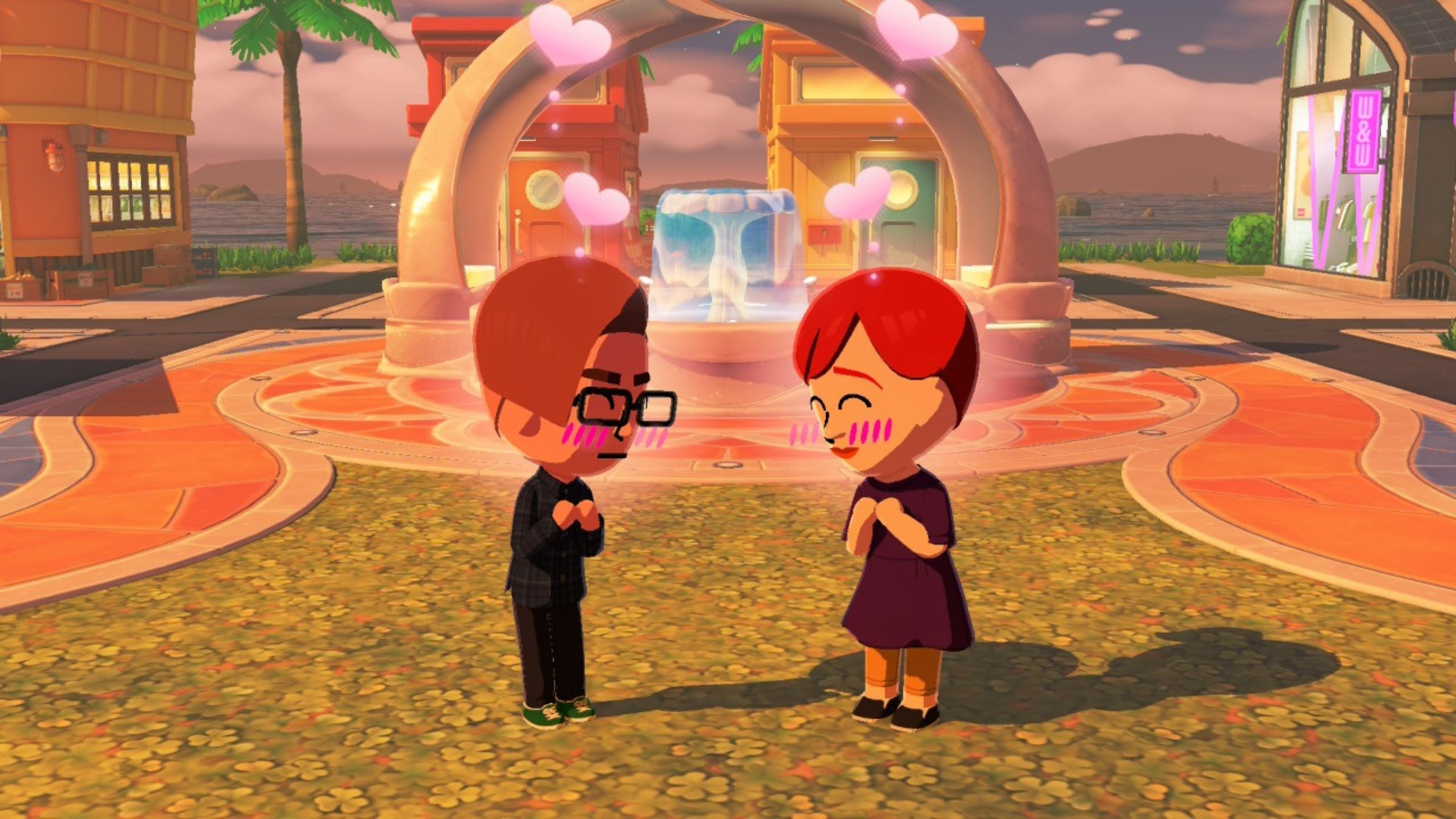
Tomodachi Life is really captivating when you first start playing. It’s easy to get lost in creating your Mii characters and discovering everything the game has to offer – I definitely spent a whole day doing that when I first got it! However, as you play longer, the game starts to feel more like watching than actually playing, which can become a bit tiresome.
In this game, you start by creating characters – Miis – and designing the layout of their island. You don’t directly change the land itself, but you do control where things are placed. While you can spend a lot of time customizing your Miis initially, after that, they mostly live their lives on their own. Your role shifts to watching them and continuing to build their environment. This style of gameplay won’t appeal to everyone, especially those who enjoy games like The Sims 4, where you directly control characters’ actions, or Stardew Valley, where you’re the main character actively involved in the world.
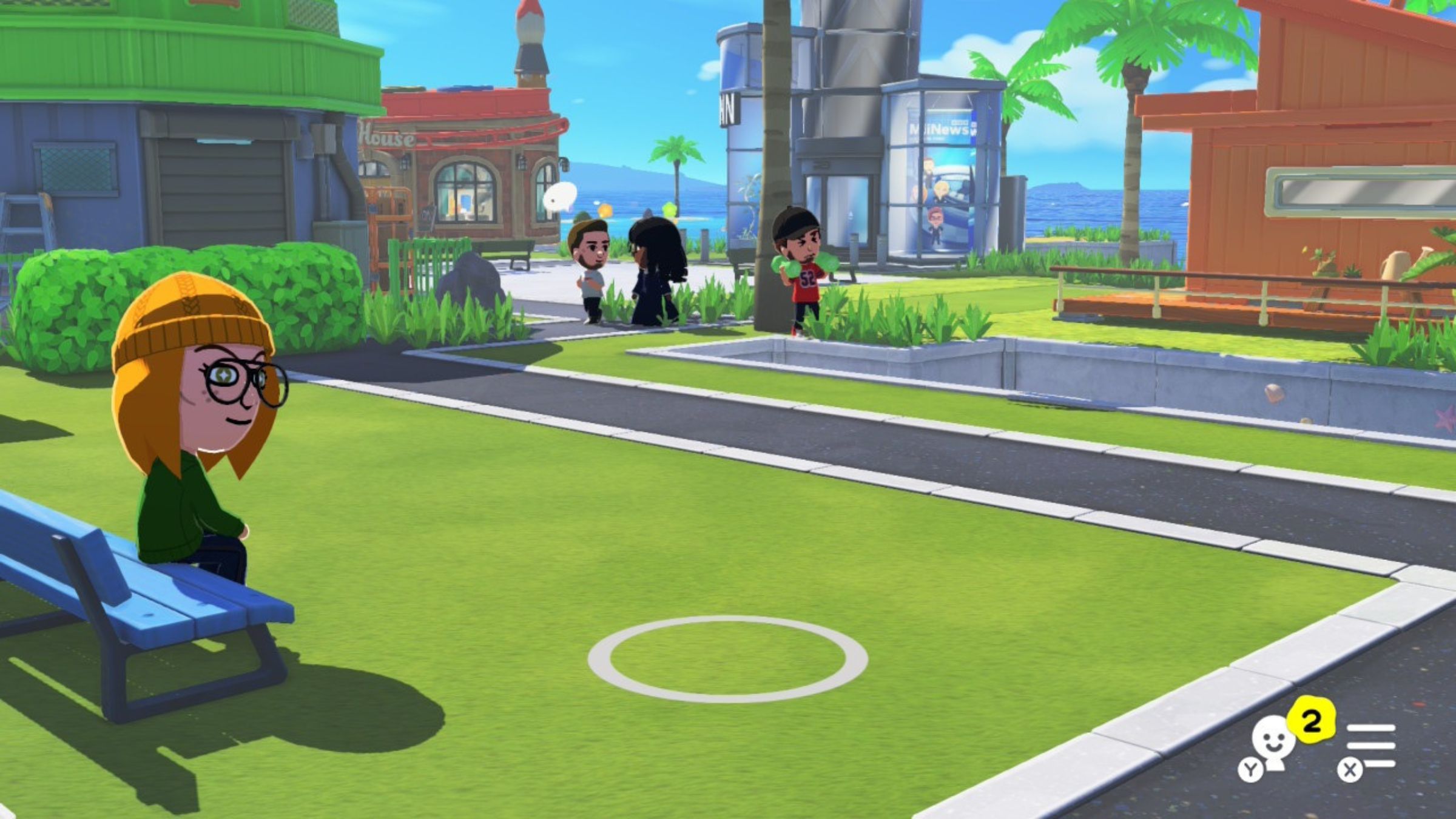
Okay, so it’s not like there’s absolutely nothing to do as the god-like figure watching over my Miis. I can make new little people, rearrange their apartments, and try to get them to chat or mess around with stuff. Eventually, you can even draw your own items – which is cool, but my artistic skills are… limited, let’s say. They’ll occasionally ask me for favors or trigger little story scenes, and sometimes they want to play guessing games and mini-games. But honestly, Tomodachi Life: Living the Dream just feels like it’s missing that satisfying loop of tasks and goals that really hooks me into a game. There’s a lot of waiting between Mii requests and creating new residents, and it just doesn’t feel like there’s enough actual stuff to do to keep me really engaged.
I really got into Living the Dream at first. I loved that the shops changed every day – it made me want to check back constantly to see what new stuff I could get. And honestly, watching my Miis just live their lives was pretty funny. But after a while, things started to feel repetitive. I kept seeing the same requests and cutscenes over and over, and it made the game get old way faster than I wanted. I had a lot of fun with Tomodachi Life: Living the Dream in the beginning, but once the initial excitement faded, I was hoping for something more to keep me hooked.
You can get Tomodachi Life: Living the Dream on Nintendo Switch and Switch 2 starting April 16th for $59.99. The publisher provided a copy of the game to us for this review.
https://comicbook.com/gaming/review/pokemon-pokopia-review-the-best-pokemon-game-in-years/embed/#
Read More
- Trails in the Sky 2nd Chapter launches September 17
- HBO Max Just Added the Final Episodes of a Modern Adult Swim Classic
- Paradox codes (April 2026): Full list of codes and how to redeem them
- Crimson Desert’s Momentum Continues With 10 Incredible New Changes
- Pragmata Shows Off Even More Gorgeous RTX Path Tracing Ahead of Launch
- PRAGMATA ‘Eight’ trailer
- Dragon Quest Smash/Grow launches April 21
- How Could We Forget About SOL Shogunate, the PS5 Action RPG About Samurai on the Moon?
- Hulu Just Added One of the Most Quotable Movies Ever Made (But It’s Sequel Is Impossible To Stream)
- Solo Leveling’s New Character Gets a New Story Amid Season 3 Delay
2026-04-15 15:12