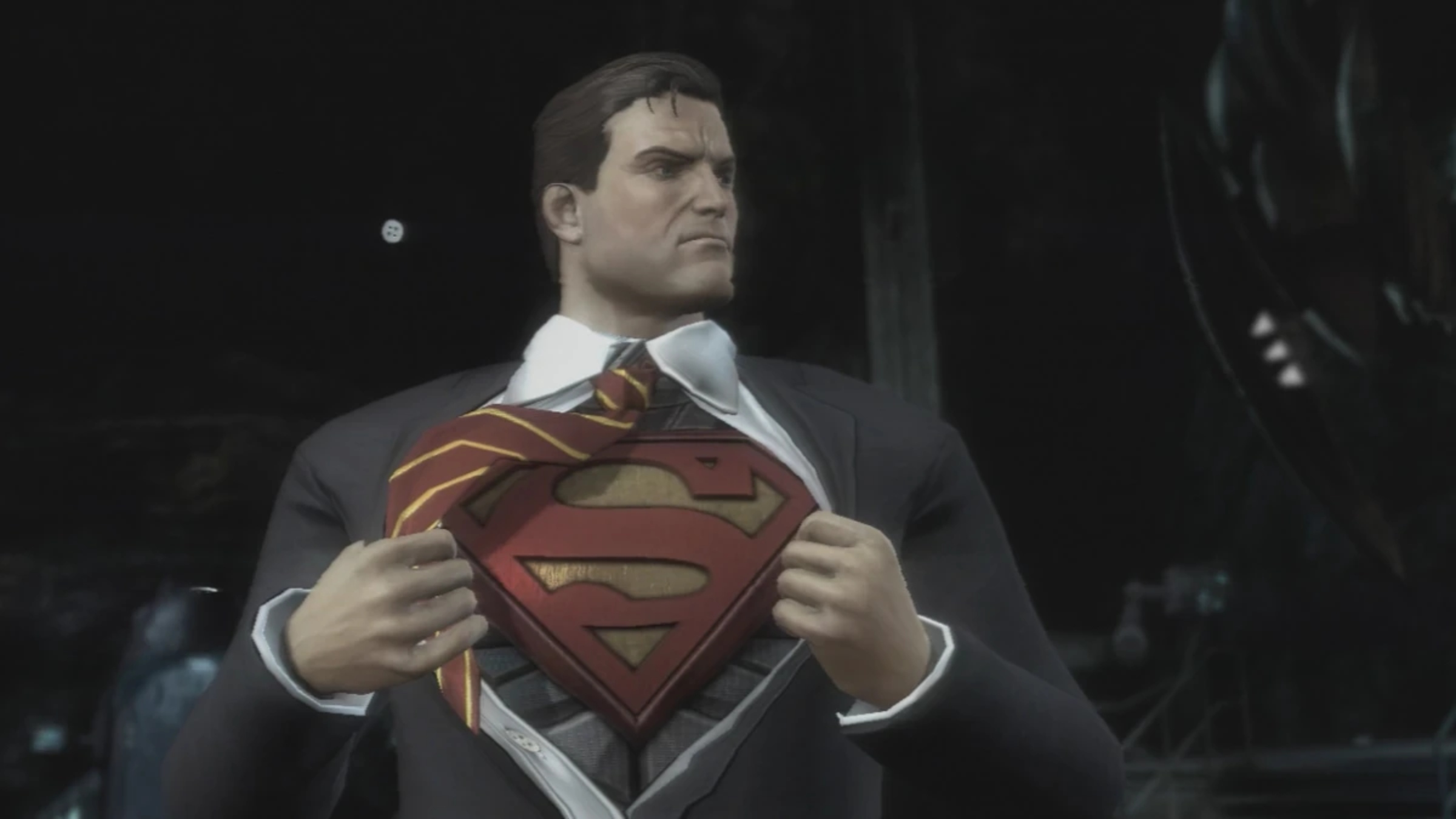
Injustice: Gods Among Us launched on April 16, 2013, marking NetherRealm Studios’ first major foray into the world of superheroes. The game uses the same fighting mechanics as the studio’s Mortal Kombat series, but features iconic characters like Superman, Batman, and Wonder Woman. To explain the intense violence while still keeping the heroes recognizable, NetherRealm created an alternate timeline where these characters become darker and more ruthless.
The creators developed a surprisingly dark version of Superman, but one that truly understands why the character has remained popular and how much he affects the world around him. They also crafted a standout example of a now-common story idea. Released 13 years ago, NetherRealms’ take on evil Superman is considered one of the best, and its influence is still visible in pop culture today.
Injustice: Gods Among Us Pushed The Boundaries Of What Superman Can Be
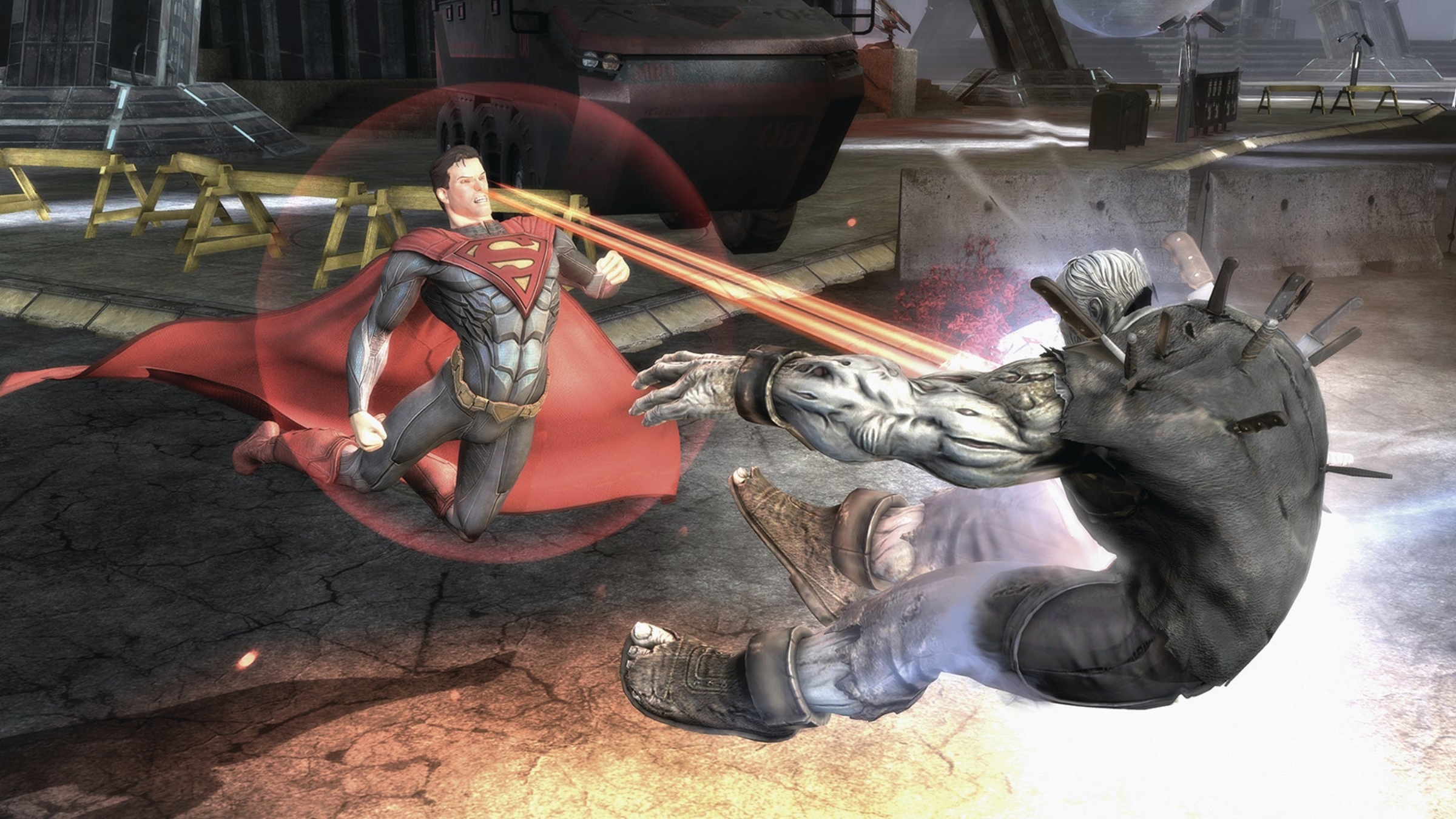
At its heart, Injustice: Gods Among Us isn’t just a fighting game—it’s a dark story about a Superman who has lost his way. The game explores two versions of the DC universe. In one, the Justice League keeps the peace as usual. But in the other, Superman snaps after the Joker kills his family. Fueled by rage, Superman kills the Joker and begins ruling with an iron fist, fracturing the hero community. This leads to a rebellion led by Batman, who fights against Superman’s oppressive new world order. The game’s intense one-on-one battles are a direct result of this conflict. What sets Injustice apart from other stories about an evil Superman is how deeply the change affects the entire world. A Superman who resorts to killing fundamentally changes what it means to be a hero, betraying the strong moral code that has always defined him and the entire superhero genre.
The way Injustice portrays Superman—specifically, having him commit murder—radically changes the character, making it understandable, even acceptable, for a distraught man to give in to his darkest instincts in the name of achieving his goals. This is a stark contrast to the traditionally restrained and virtuous Superman we know. The Superman in Injustice is deeply damaged, and his anger has warped him into someone almost unrecognizable, despite retaining his powers and appearance. This shift is also reflected in the game’s violent combat, with Superman performing harsh and brutal attacks. It’s a clever way to justify a more aggressive Superman within the context of a fighting game, especially one made by the creators of Mortal Kombat. Furthermore, his darker portrayal heavily influences the tone of any DC adaptation he’s a part of, leading other heroes to act similarly. This darker version of Superman allows Injustice to fully embrace extreme superhero violence and shocking brutality.
“Evil Superman” Is A Trope — And Injustice Wears It Well
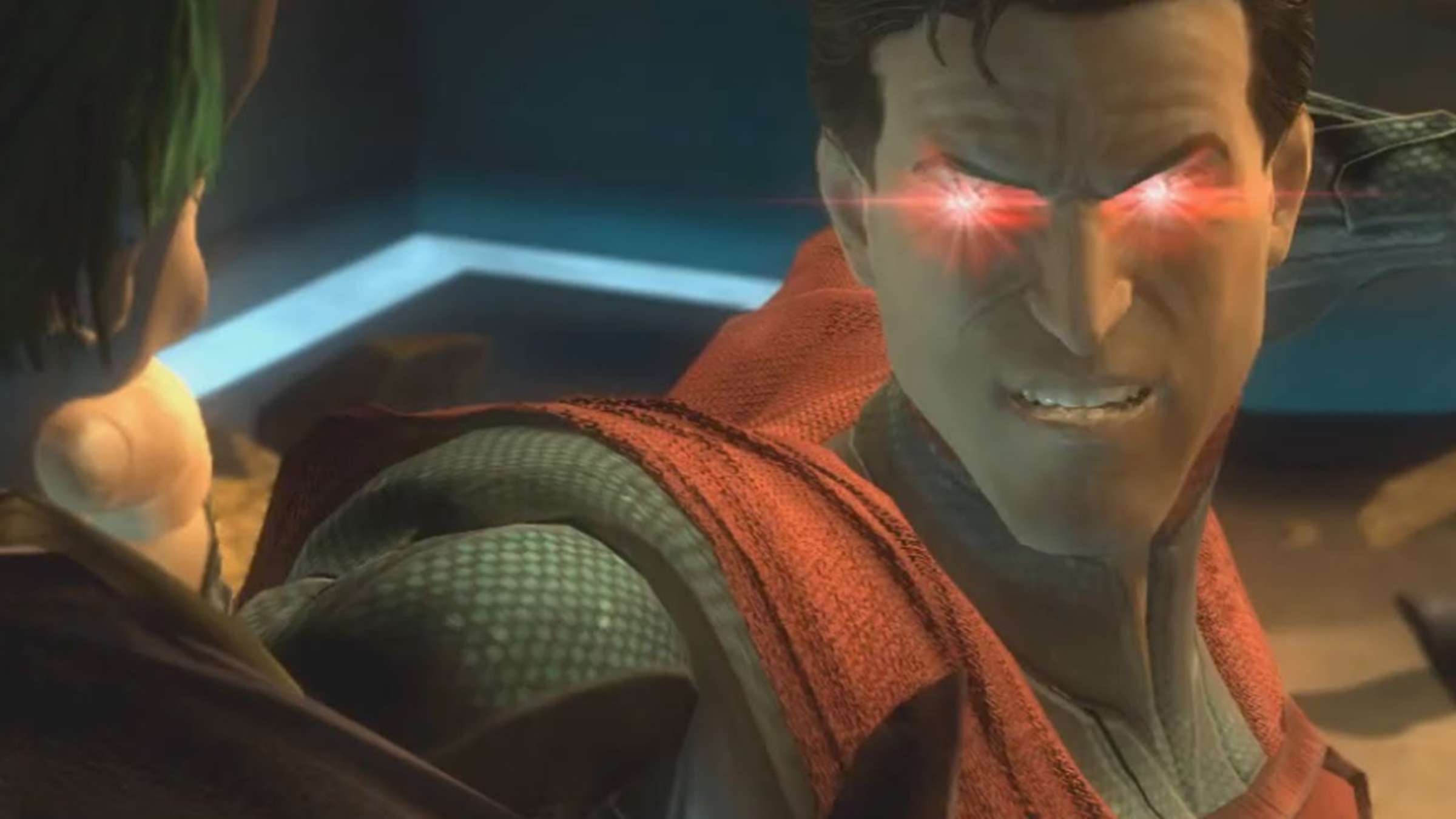
In recent years, we’ve seen many stories that twist the classic Superman ideal. Series like Invincible, The Boys, The Eternals, and Brightburn have all explored darker takes on superheroes, and Injustice: Gods Among Us does the same. It’s particularly shocking for longtime fans to see Superman himself become a villain, which is exactly what the creators intended. The world of Injustice is dangerous – even established heroes and villains can be killed off unexpectedly. Beyond the initial tragedy of Lois Lane and Metropolis being destroyed by the Joker, many other key characters meet brutal ends. Injustice 2 amps up the conflict even more, pitting the heroes and villains against each other in a contained storyline that never truly resolves their differences, leading to devastating outcomes for both sides.
The game benefits from featuring familiar voice actors from other DC projects, like Kevin Conroy and Tara Strong, which makes the transformation of these beloved heroes into something darker even more impactful. While Injustice: Gods Among Us has a straightforward presentation, this version of Superman gained greater depth when it expanded into the DC comics universe. The Injustice Superman is a tragic and disturbing figure, and the game cleverly explores the idea that anyone, even Clark Kent, could become a villain under the right circumstances. Fortunately, Injustice ultimately affirms the importance of heroism, delivering a surprisingly optimistic ending where good prevails. It’s a strong example of how fighting games can effectively use action to tell a complex story about a superhero struggling with difficult moral choices.
Read More
- Solo Leveling’s New Character Gets a New Story Amid Season 3 Delay
- PRAGMATA ‘Eight’ trailer
- Pragmata Shows Off Even More Gorgeous RTX Path Tracing Ahead of Launch
- HBO Max Just Added the Final Episodes of a Modern Adult Swim Classic
- Crimson Desert’s Momentum Continues With 10 Incredible New Changes
- Hulu Just Added One of the Most Quotable Movies Ever Made (But It’s Sequel Is Impossible To Stream)
- ‘Project Hail Mary’: The Biggest Differences From the Book, Explained
- Dragon Quest Smash/Grow launches April 21
- All 7 New Supes In The Boys Season 5 & Their Powers Explained
- How Could We Forget About SOL Shogunate, the PS5 Action RPG About Samurai on the Moon?
2026-04-16 23:11