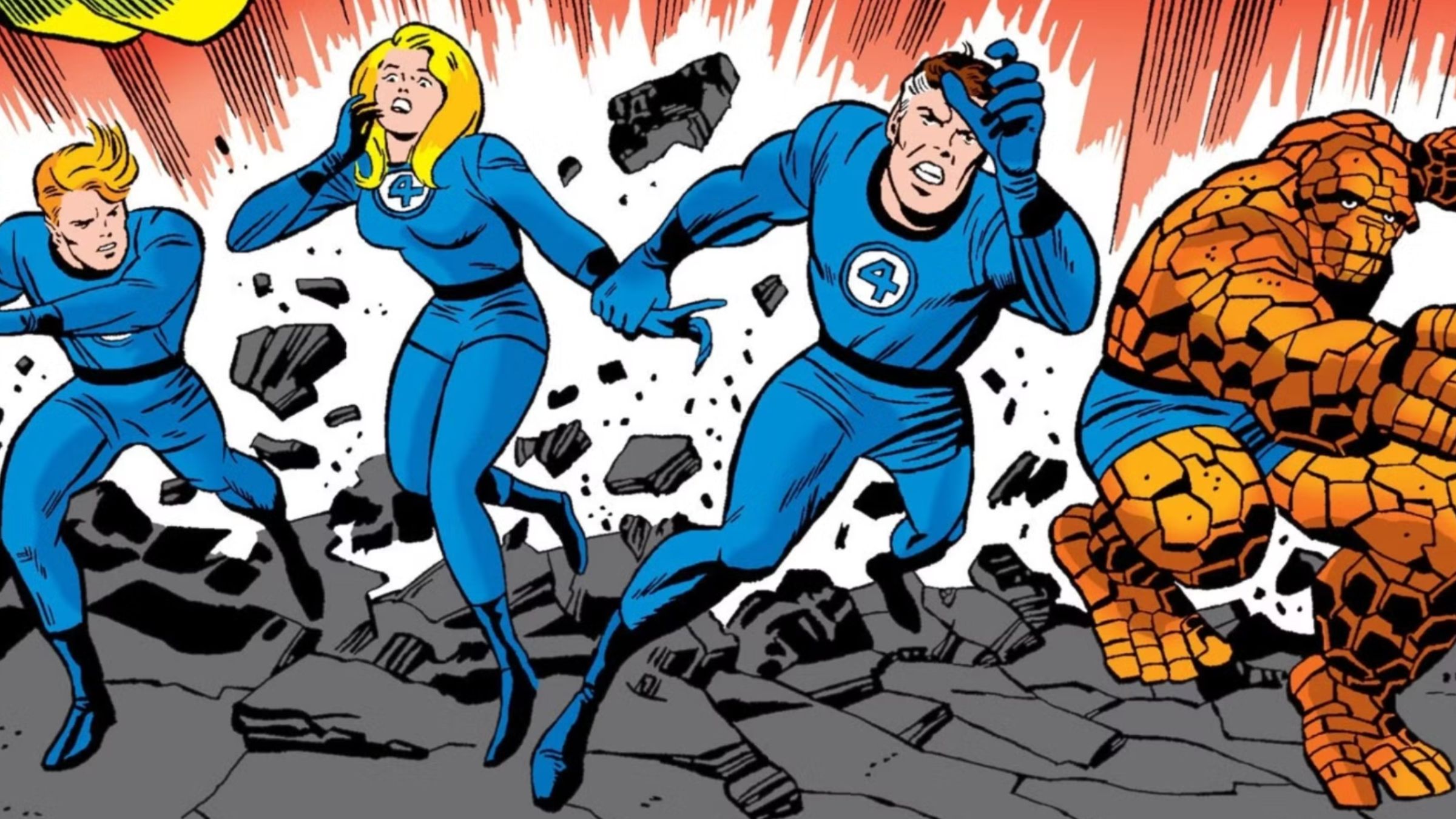
Since their creation by Stan Lee and Jack Kirby in 1961, the Fantastic Four have seen many talented writers and artists contribute to their stories over more than 60 years. Despite some difficult periods – including a time in the 2010s when the team was temporarily removed from Marvel Comics – they remain a beloved and recognizable group of heroes. The core team has always been a family unit, consisting of Reed Richards, his wife Sue Storm (the Invisible Woman), her brother Johnny Storm (the Human Torch), and Reed’s close friend Ben Grimm (the Thing).
The close-knit family feel is what kept the Fantastic Four popular in Marvel Comics, and the most talented writers and artists consistently emphasized this aspect of the team.
7) Brian Michael Bendis, Mark Millar, Adam Kubert
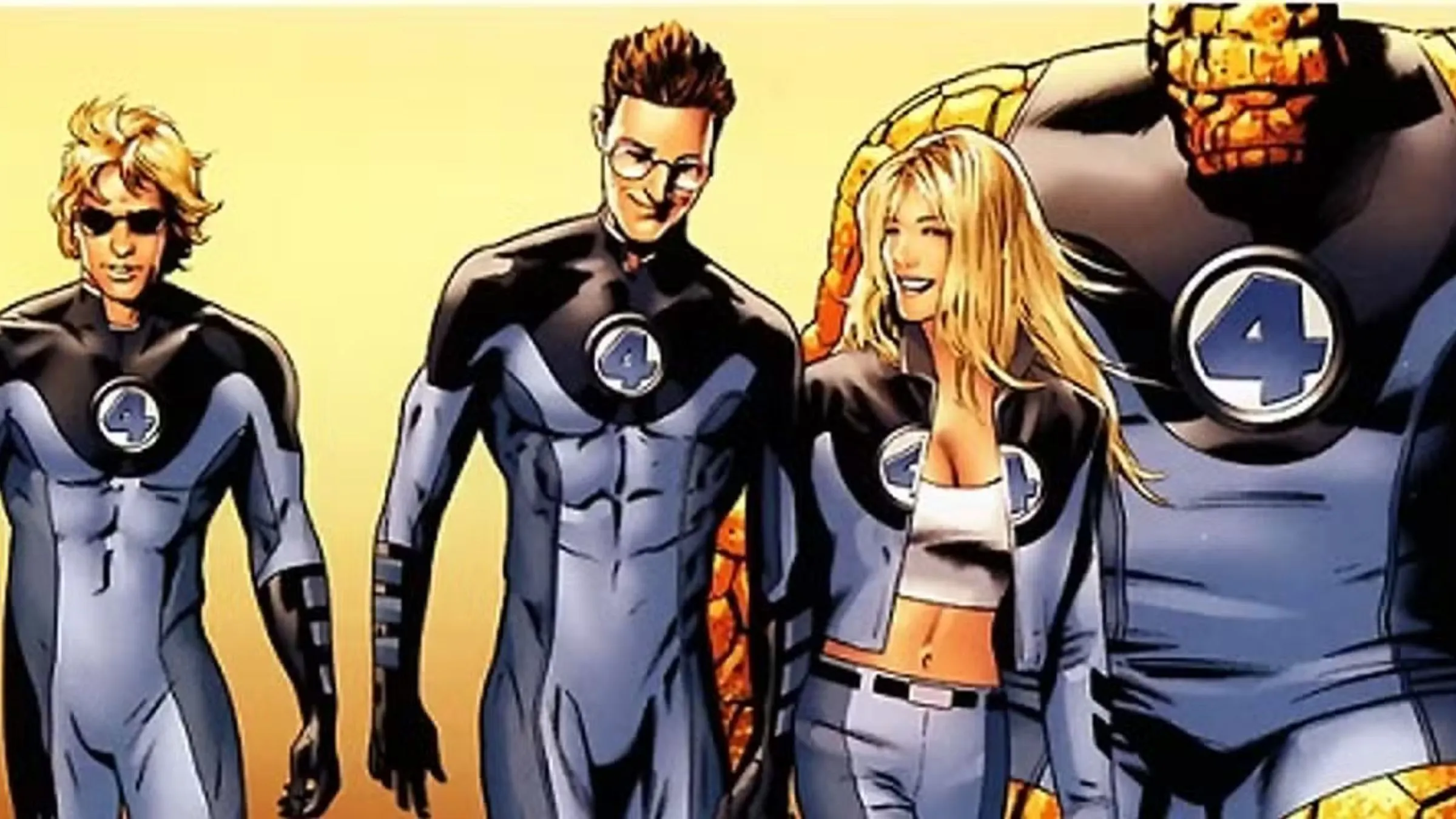
In 2003, Brian Michael Bendis, Mark Millar, and Adam Kubert breathed new life into the Fantastic Four with the Ultimate Fantastic Four series. The team had become somewhat stale and predictable, and this new take energized them by portraying the characters as younger versions of themselves – particularly Reed Richards, who acted much younger than previous iterations, a significant departure from his original portrayal by Stan Lee and Jack Kirby.
Reed Richards was the driving force behind this story’s success. While he’s always been a complex character in the main Marvel Universe – brilliant enough to be a danger if he ever compromised his values – it was the earlier stories, before his fall, that became some of the most celebrated in the Ultimate Marvel line.
6) Dan Slott and Sean Izaakse
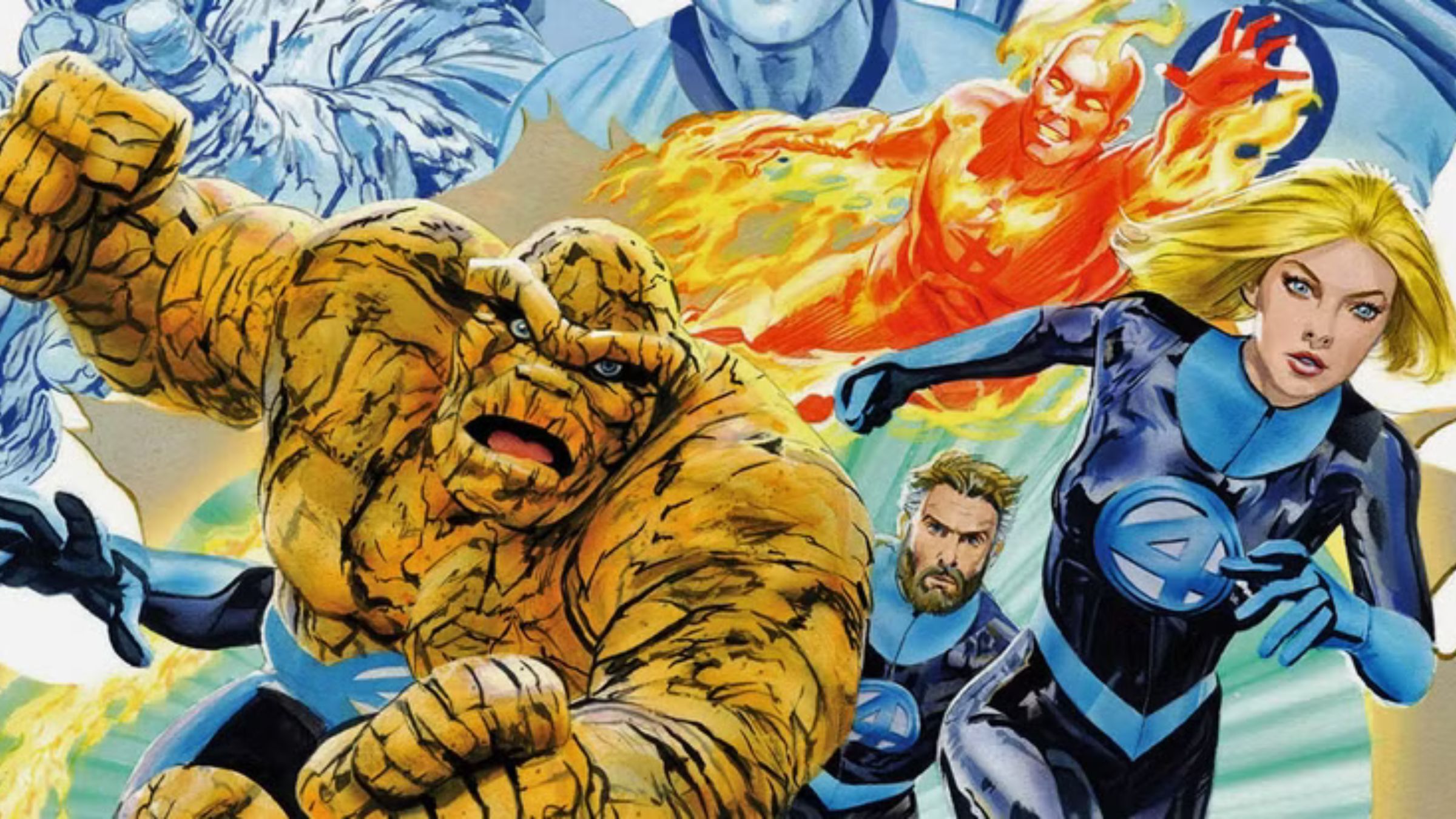
In 2018, Dan Slott revived the Fantastic Four comic book series after a several-year hiatus. Marvel had previously stopped publishing the series due to a disagreement with Fox regarding the movie rights. Fans were thrilled to see the team return, and Slott’s clear passion for the characters made for an enjoyable and classic reading experience, reminding everyone what made the Fantastic Four so beloved.
This series saw Reed and Sue return from their universe-rebuilding adventure, bringing the Future Foundation with them and reconnecting them with loved ones. A major moment during Slott’s writing was finally showing The Thing and Alicia Masters getting married, a pairing fans had waited decades to see. Sean Izaakse’s art style beautifully updated Jack Kirby’s classic look. Like the best Fantastic Four stories, Slott prioritized the characters’ family dynamics over big superhero fights.
5) Walt Simonson
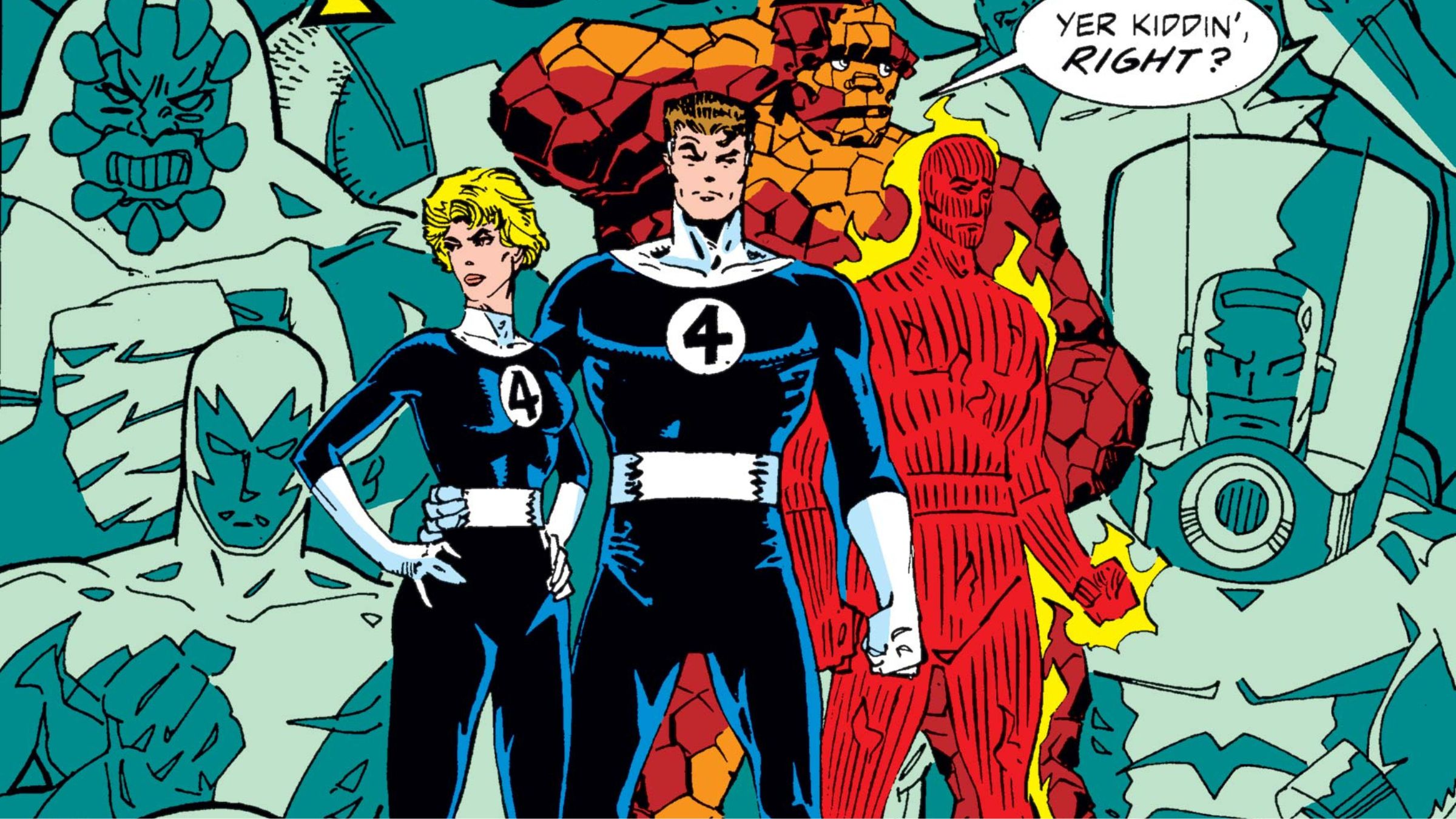
Walt Simonson is a Marvel legend, and many consider his work on Thor to be some of the best ever published. But he also made a significant impact on The Fantastic Four. He began his run on the title with issue #334 in 1989, uniquely handling all aspects of the comic – writing, penciling, and inking – before concluding with issue #354 in 1991.
While writing the Fantastic Four, Simonson created the Time Variance Authority, an organization that later appeared in Marvel’s Loki and Deadpool & Wolverine. He also maintained the series’ focus on science fiction, featuring imaginative alien worlds and complex time travel stories—elements originally envisioned by Jack Kirby. Although often overshadowed by his predecessor, John Byrne, Simonson’s work on the Fantastic Four was remarkably well-done.
4) Mark Waid and Mike Wieringo
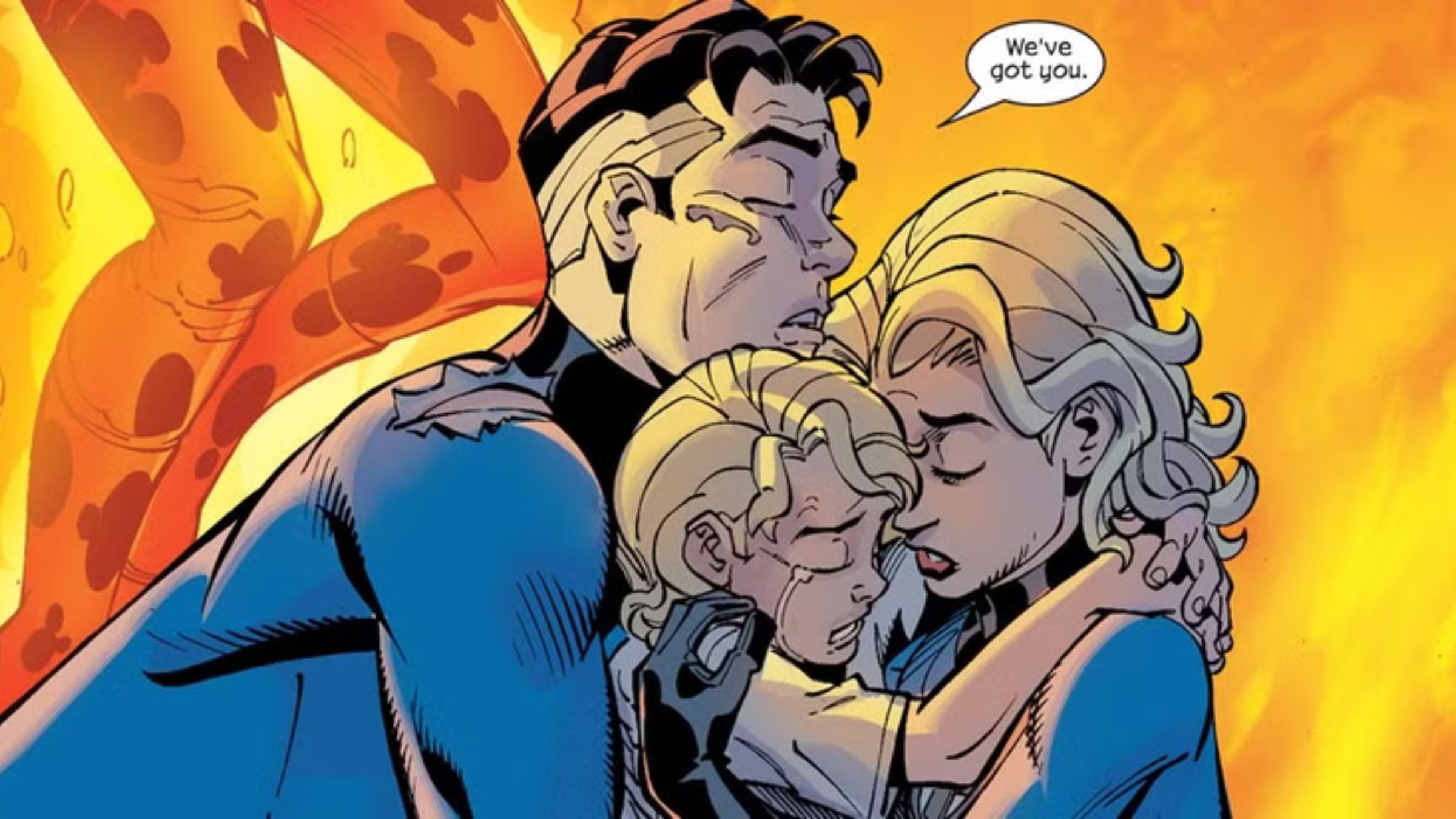
As a big Fantastic Four fan, I always loved the run Mark Waid and Mike Wieringo did back in the early 2000s. Starting with issue #60 in 2002, they really captured the heart of what makes the FF special. They brought the team back to their roots – that sense of wonder and exploration you saw in Walt Simonson’s stories – and it set them apart from other Marvel teams like the Avengers, who were often more focused on straight-up superheroics. It was a really refreshing take!
This brought back the excitement of classic science fiction, focusing on a family of explorers traveling to different worlds and facing incredible challenges. The artwork was also distinctive, blending the powerful style of Jack Kirby with a more cartoonish feel that perfectly suited the sci-fi setting. Unfortunately, the series ended prematurely with the death of artist Mike Wieringo in 2007.
3) Jonathan Hickman and Steve Epting
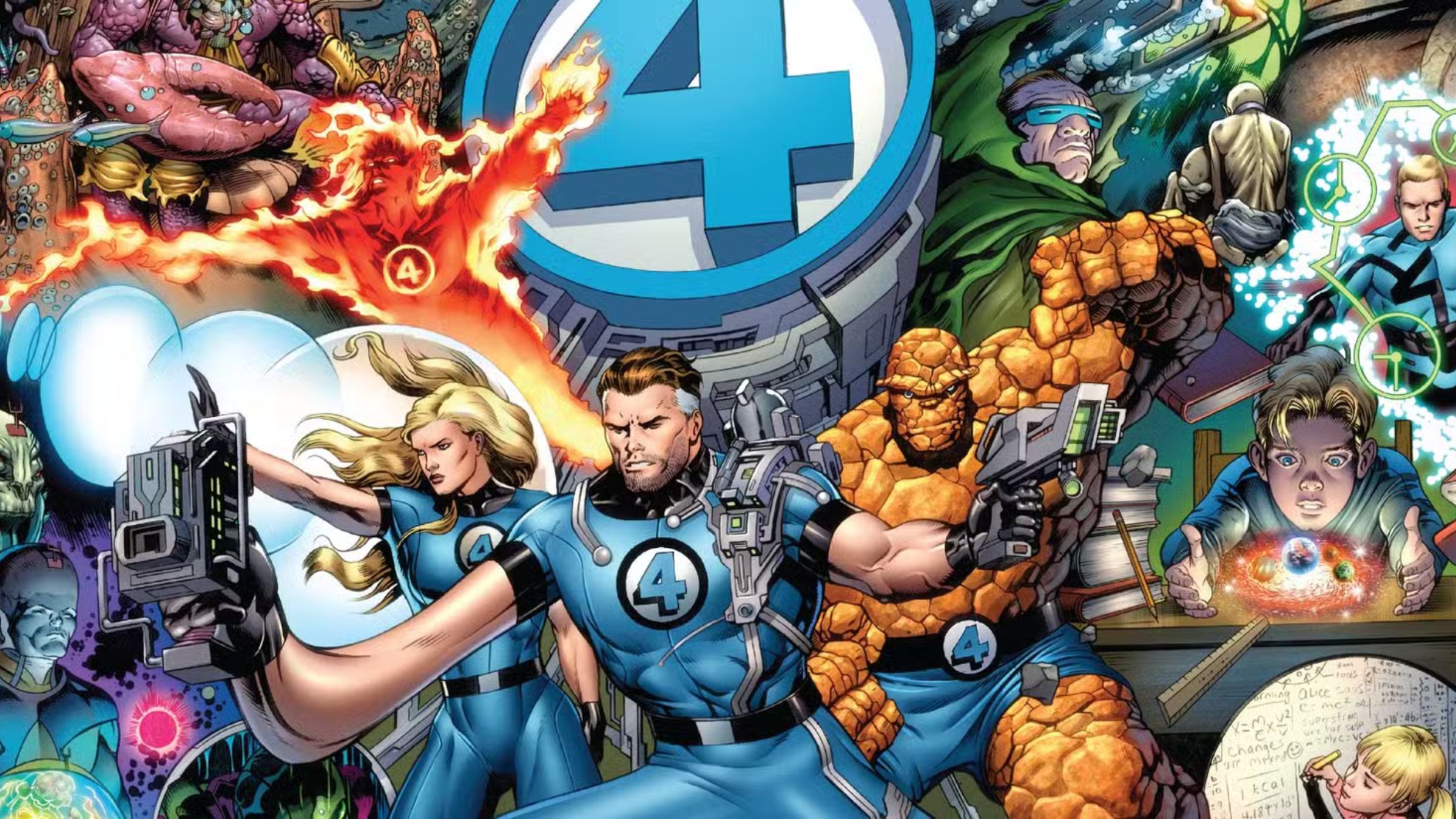
Jonathan Hickman and Steve Epting created a highly praised run on the Fantastic Four comic, beginning with issue #570 in 2009 and continuing until 2012. Hickman introduced the Council of Reeds, a clandestine group composed of Reed Richards variants from across the multiverse who collaborated to fix problems on different Earths. However, the main Reed Richards (from Earth-616) refused to participate due to their questionable and often ruthless methods.
Hickman reimagined the Future Foundation as a school designed to nurture a new generation of incredibly intelligent children. The idea was that these kids could eventually collaborate to tackle the biggest challenges facing Earth – and even the universe. His work on the series also included a particularly emotional storyline where the Human Torch seemingly died while trapped in the Negative Zone, and it directly set the stage for the Secret Wars event.
2) Jack Kirby and Stan Lee
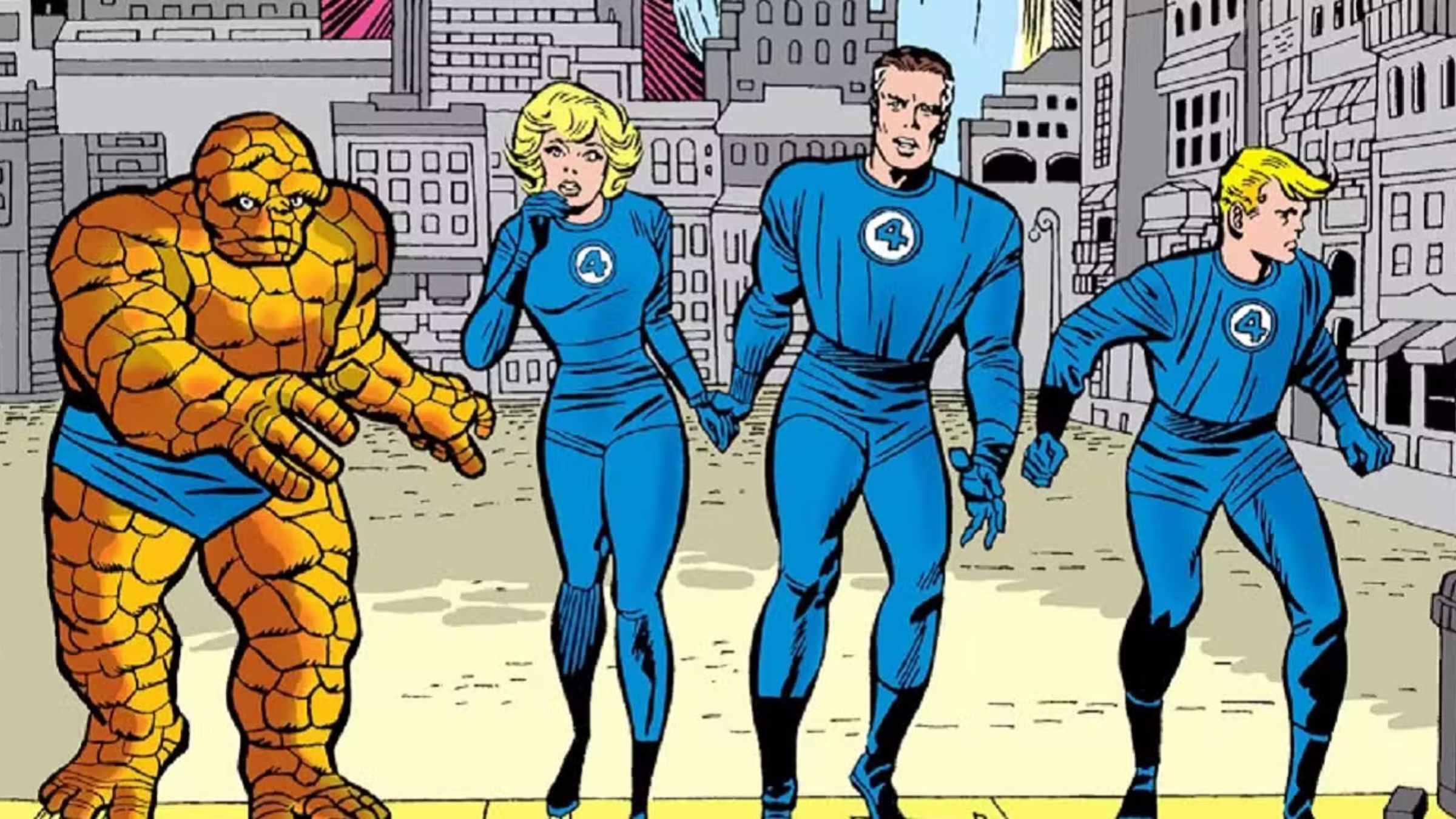
Stan Lee and Jack Kirby, the original creative team behind the Fantastic Four, are still highly regarded as legends in Marvel Comics history. Their 1961 creation, Fantastic Four #1, was the very first Marvel superhero comic book. They introduced the First Family of Marvel, and though some aspects of their early work may seem a little old-fashioned now, it’s still the series that captured fans’ hearts and established the superhero family dynamic.
This team was responsible for introducing iconic characters like the Fantastic Four and Doctor Doom, and for bringing Namor into the modern Marvel Universe. They also created the Inhumans, Silver Surfer, Galactus, the Skrulls, and Black Panther. Jack Kirby’s incredible visual style brought worlds like the Negative Zone and the Microverse, and the Inhumans’ city of Attilan, to life. Kirby illustrated the first 102 issues of Fantastic Four – a truly remarkable achievement – before leaving Marvel. Together, Lee and Kirby established the core history that continues to influence Marvel comics today.
1) John Byrne
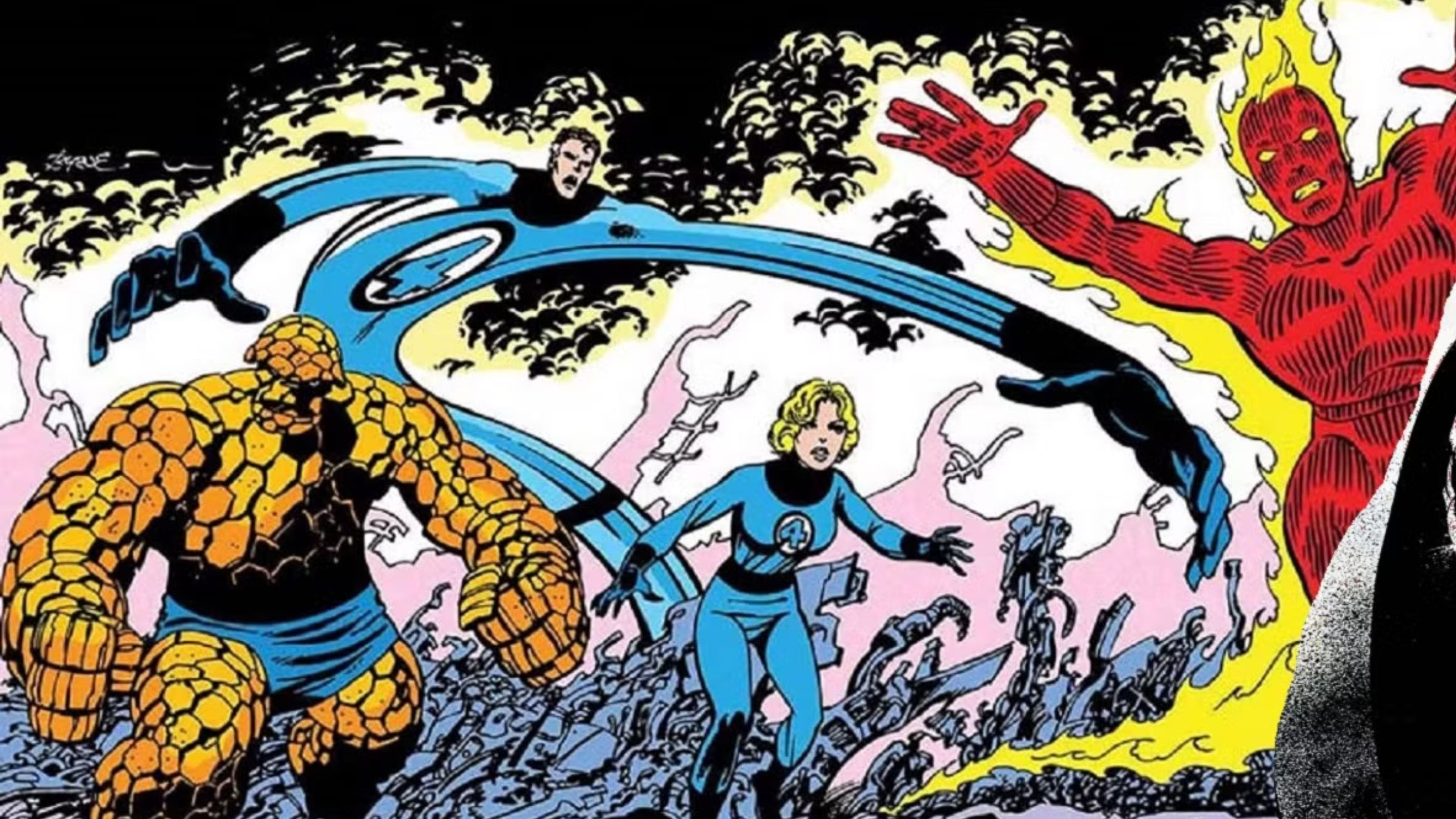
John Byrne began writing Fantastic Four with issue #209 in 1979, and soon after, in 1981 with issue #232, he became both the writer and artist. He continued working on the comic for an impressive seven years, concluding with issue #293 in 1986. Many fans consider Byrne’s contribution to the Fantastic Four to be comparable to Chris Claremont’s work on the X-Men, as numerous defining moments for the team happened during his tenure.
John Byrne revolutionized the Fantastic Four, most notably by replacing The Thing with She-Hulk after the Secret Wars storyline—making her the first character outside the original family to join the team. He also evolved the Invisible Girl into the Invisible Woman and penned the “Trial of Reed Richards” arc, following Reed’s rescue of Galactus. His distinctive artwork is still considered definitive for the Fantastic Four, and he’s widely regarded as one of the greatest comic book artists of all time, alongside Jack Kirby.
What do you think? Leave a comment below and join the conversation now in the ComicBook Forum!
Read More
- Trails in the Sky 2nd Chapter launches September 17
- Solo Leveling’s New Character Gets a New Story Amid Season 3 Delay
- HBO Max Just Added the Final Episodes of a Modern Adult Swim Classic
- All 7 New Supes In The Boys Season 5 & Their Powers Explained
- PRAGMATA ‘Eight’ trailer
- Pragmata Shows Off Even More Gorgeous RTX Path Tracing Ahead of Launch
- Crimson Desert’s Momentum Continues With 10 Incredible New Changes
- Hulu Just Added One of the Most Quotable Movies Ever Made (But It’s Sequel Is Impossible To Stream)
- Frieren: Beyond Journey’s End Gets a New Release After Season 2 Finale
- ‘Project Hail Mary’: The Biggest Differences From the Book, Explained
2026-04-17 17:12