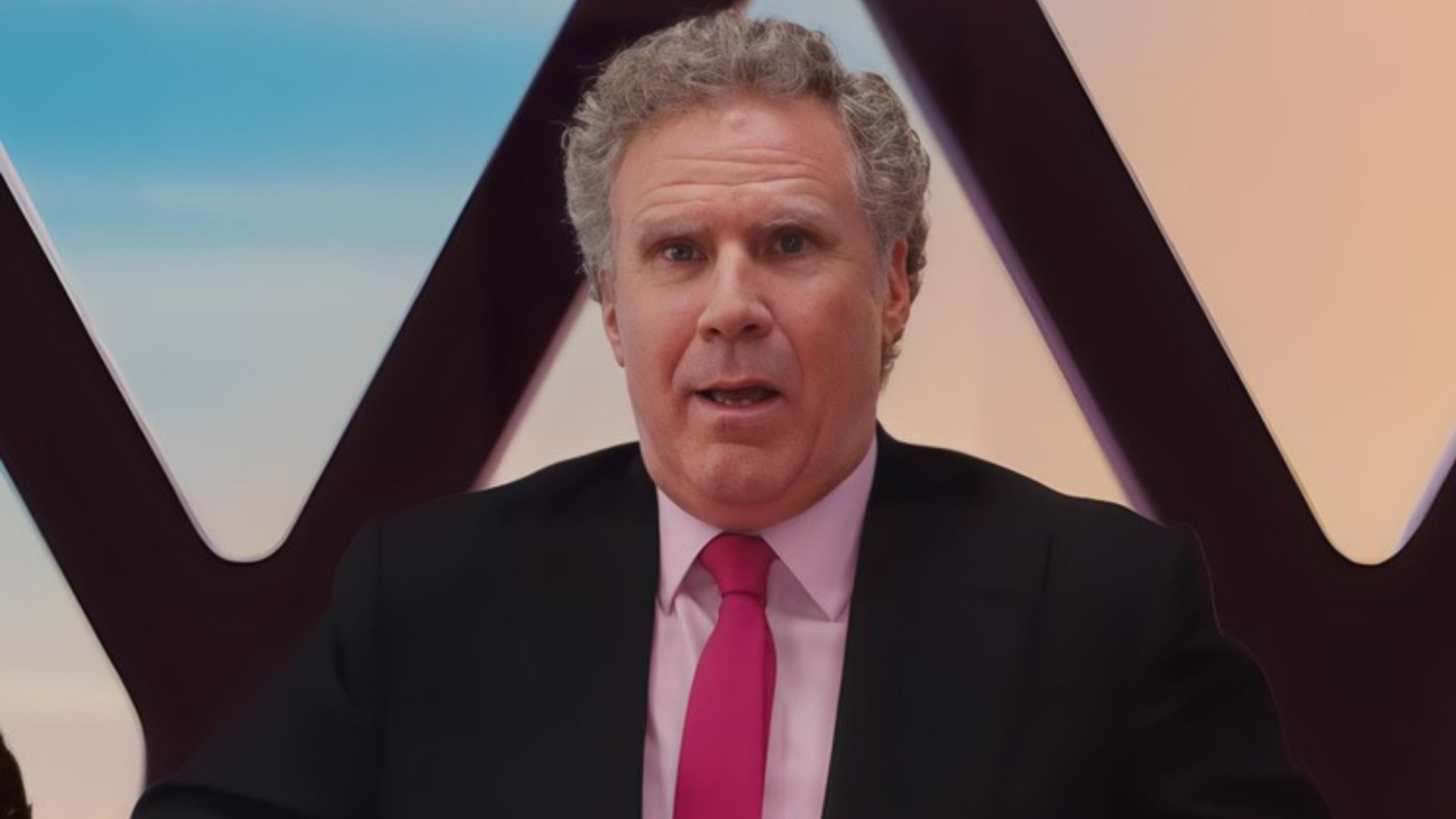
Restricting art has always been a debated topic, as the freedom to create and a thriving arts community are generally considered more important than avoiding offense. However, looking back at history and changing cultural norms, it’s understandable why certain films were banned in the past. This includes early concerns about sexually explicit material, the strict rules imposed on Hollywood’s Golden Age (the Hays Code), anxieties during the Cold War, worries about declining morals in the 1970s, and the widespread fear of Satanism in the 1980s.
It’s important to understand that many countries don’t outright ‘ban’ films, but rather make it illegal to show them in public. While the United States stopped formally banning movies when the MPAA rating system was created (though that system has its own issues), the idea of keeping films from audiences seems strange to many North Americans. However, other countries don’t necessarily view art the same way, and some films have been prohibited for surprisingly trivial reasons.
‘The Simpsons Movie’ (2007)
Banned in Myanmar
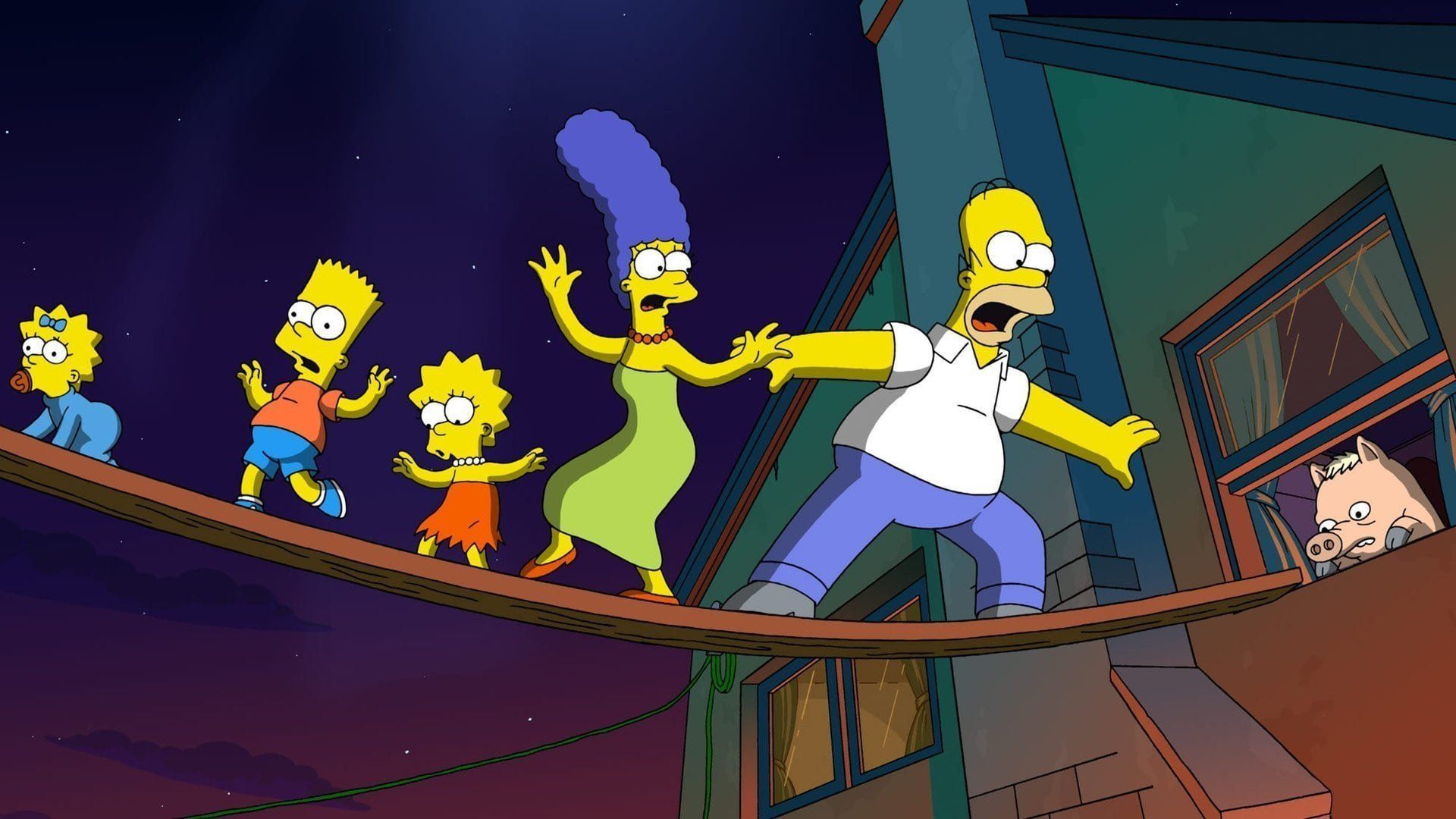
The Simpsons has often faced criticism and calls for cancellation. When it first aired, some people believed the show negatively portrayed family life and promoted bad behavior – it seems shocking now, looking back from 2026, but Bart Simpson was even considered a bad influence by many. However, by the time The Simpsons Movie was released in 2007, the family had become a beloved and widely recognized part of popular culture.
I was so fascinated to learn about the challenges The Simpsons Movie faced when trying to reach audiences in Myanmar! Apparently, the biggest hurdle wasn’t the plot at all, but the movie’s colors. All that yellow and red – which look so bright and fun to us – were actually associated with opposition groups within the country. Because of this, authorities worried the film might be seen as supporting them, and sadly, they ended up banning it. It’s incredible how something as simple as color can have such a powerful meaning and impact a film’s reception.
‘Zoolander’ (2001)
Banned in Malaysia
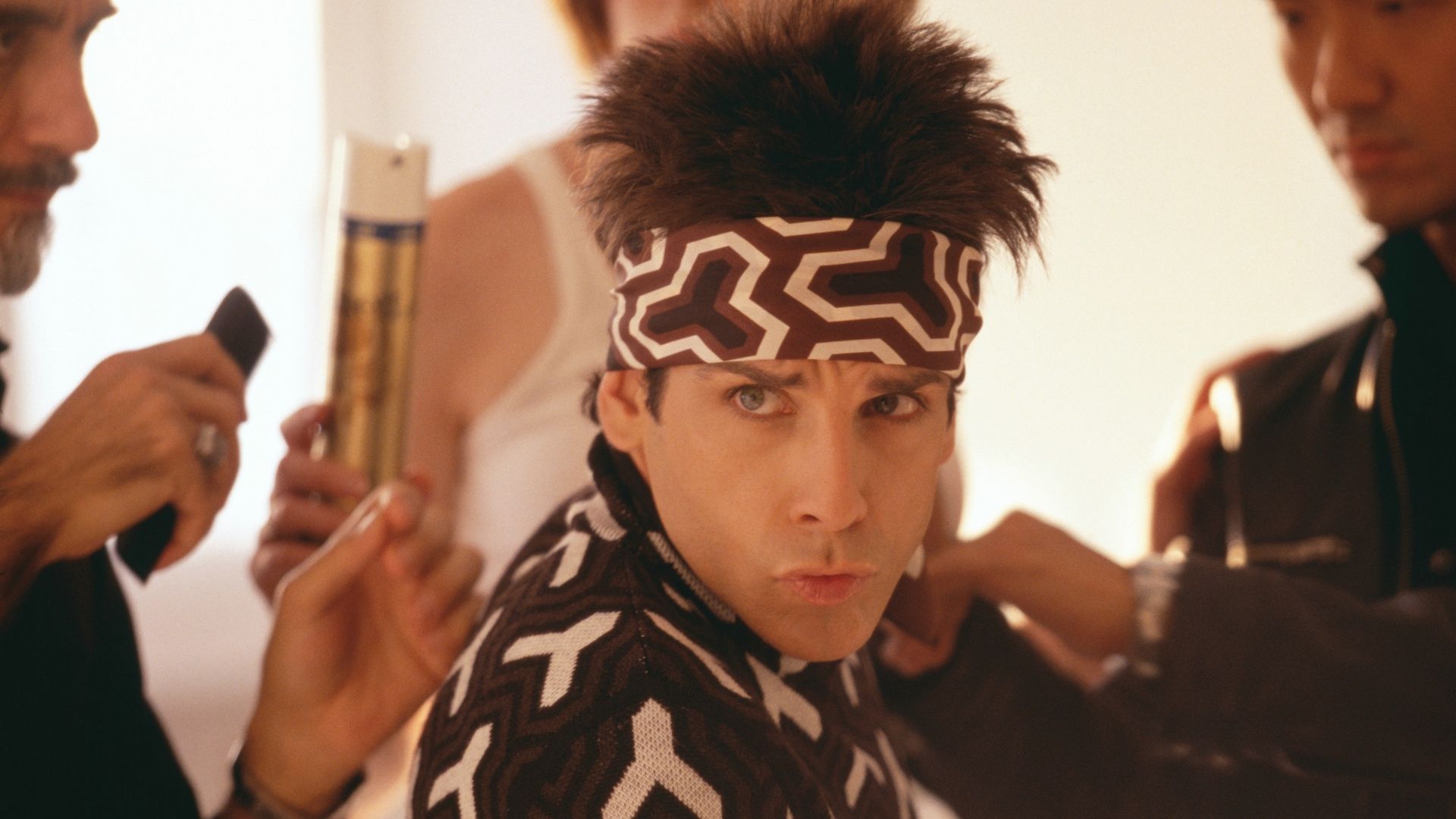
If you haven’t watched Zoolander recently, you might not remember why Malaysia banned it. While the movie is a silly comedy starring Ben Stiller that mostly makes fun of the fashion world, it was a plot point involving brainwashing and an assassination attempt on the (fictional) Prime Minister of Malaysia that led to the ban.
The film doesn’t contain any criticism of the Malaysian government. The scene depicting exploitation was intended to highlight the issue of child labor in the fashion industry and its impact on costs. While Western viewers saw it as harmless humor – the country chosen was arbitrary – the Malaysian government considered it overly sensitive.
‘2012’ (2009)
Banned in North Korea
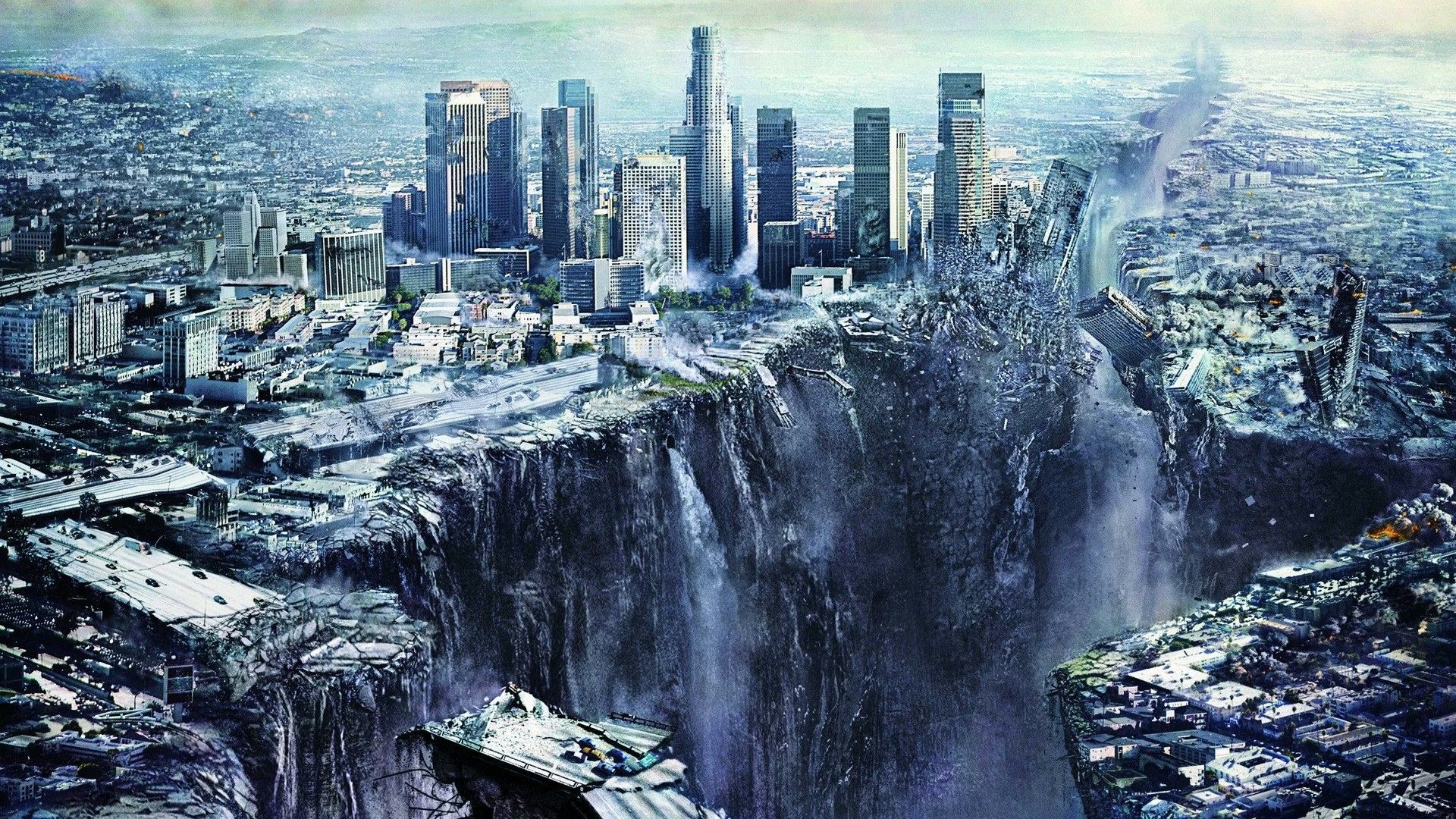
Most movies aren’t made in North Korea, and those that aren’t are usually prohibited. North Korea is known for strict media censorship, and the reasons for banning films can sometimes seem odd. For example, the disaster movie starring John Cusack doesn’t appear to have anything obviously offensive in it.
It’s hard to get clear information about North Korea’s rules, so take this as a possibility, but it fits with what we know about their culture. In 2012, during the 100th anniversary of Kim Il-sung’s birth, a film released that year suggested the world would end. While it seems like a strange coincidence, it shows just how seriously North Korea enforces its restrictions.
‘Spider-Man: Across the Spider-Verse’ (2023)
Banned in Various Countries
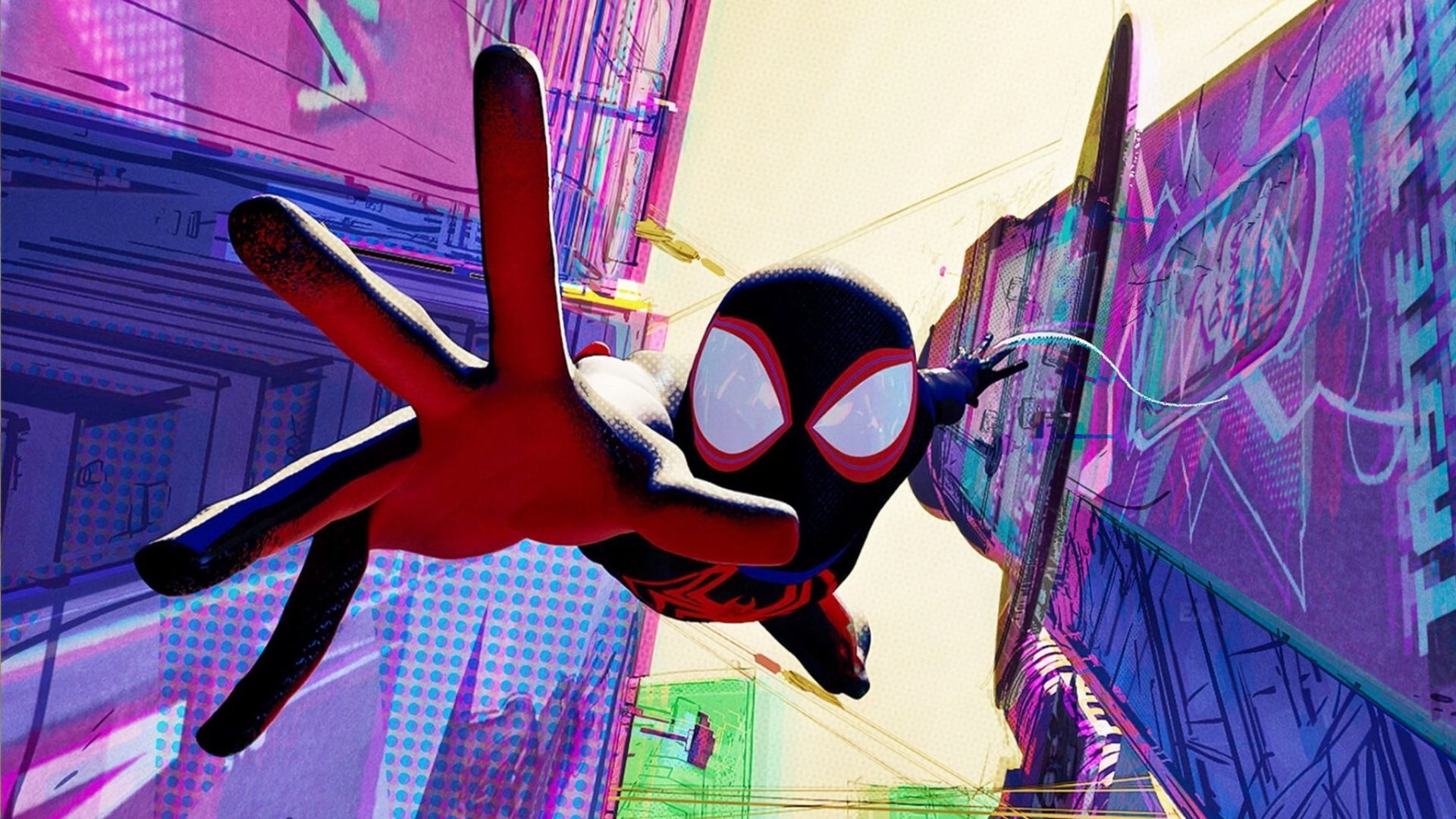
Spider-Man: Across the Spider-Verse is a visually impressive animated film featuring the popular Spider-Man character. However, it was banned or not shown in several countries – including the United Arab Emirates, China, Kuwait, Saudi Arabia, and Qatar – due to its inclusion of LGBTQ+ themes.
Bans on films with LGBTQ+ content aren’t uncommon in some places, but this particular ban seems extremely strict. Many viewers might not even notice the LGBTQ+ themes in the movie, as they aren’t central to the plot. The reason for the ban? A transgender pride flag was visible in the background of a scene, and that alone was enough to get the film removed.
‘Don’t Go in the House’ (1979)
Banned in the United Kingdom
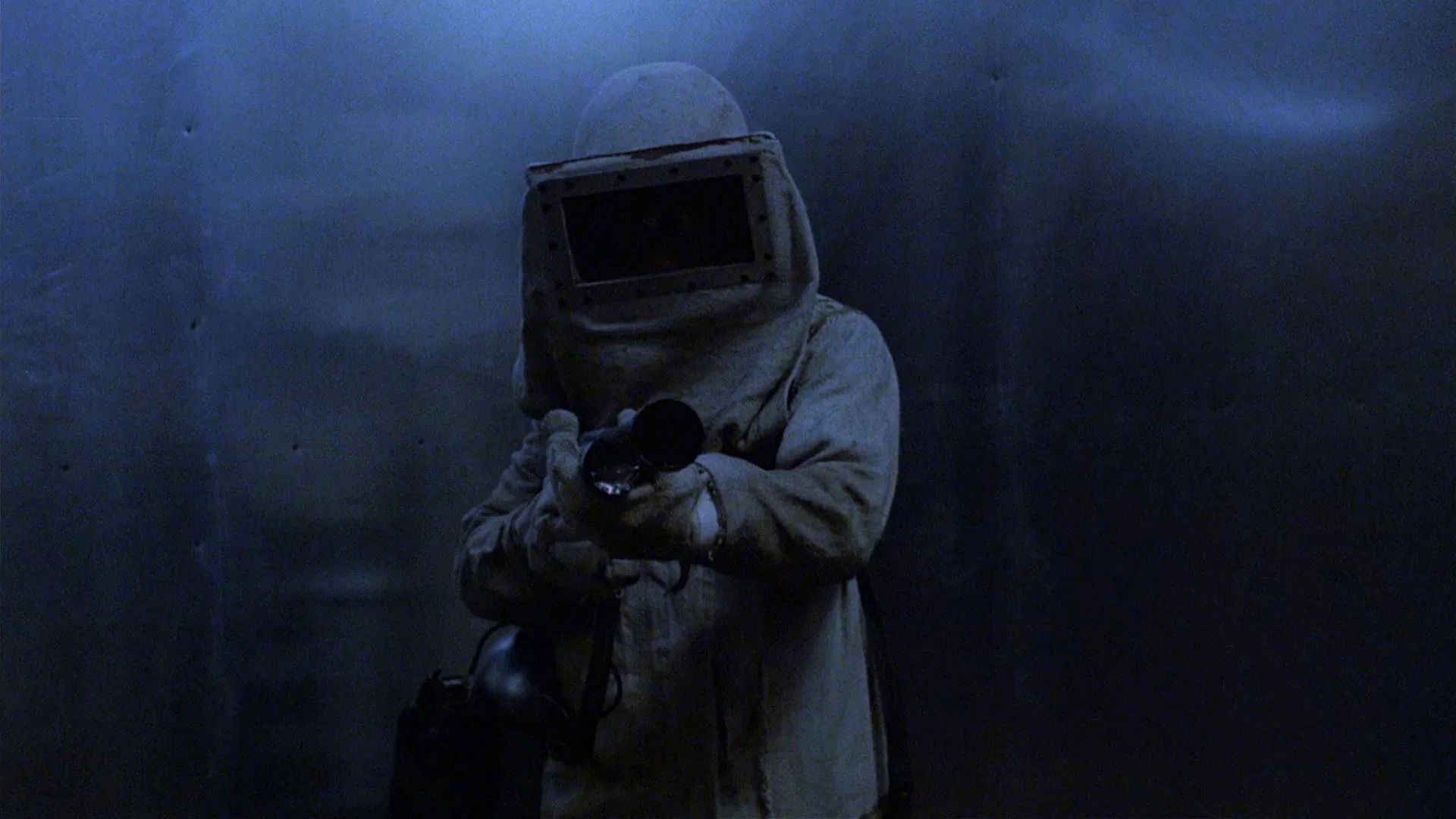
During the 1970s and 80s, the UK went through a period of intense public concern, resulting in the establishment of a board to review films and determine if they could be sold. The media labeled these restricted films as “Video Nasties,” and a list of 72 titles were ultimately banned from distribution. While this notoriety actually increased the fame of some films, like Evil Dead, most were flagged due to their excessive violence and graphic imagery.
Despite strict censorship, some films still slipped through, and Don’t Go in the House is a prime example of a movie likely banned simply for its premise. It’s a psychological horror film with slasher elements where a man kills people with a flamethrower in a specially built room. Though the concept sounds gruesome, the movie itself isn’t particularly shocking or violent compared to others that weren’t banned. Don’t Go in the House isn’t the only film that seems to have been banned based on its plot description, but it’s one of the most notable cases.
‘Bruce Almighty’ (2003)
Banned in Egypt
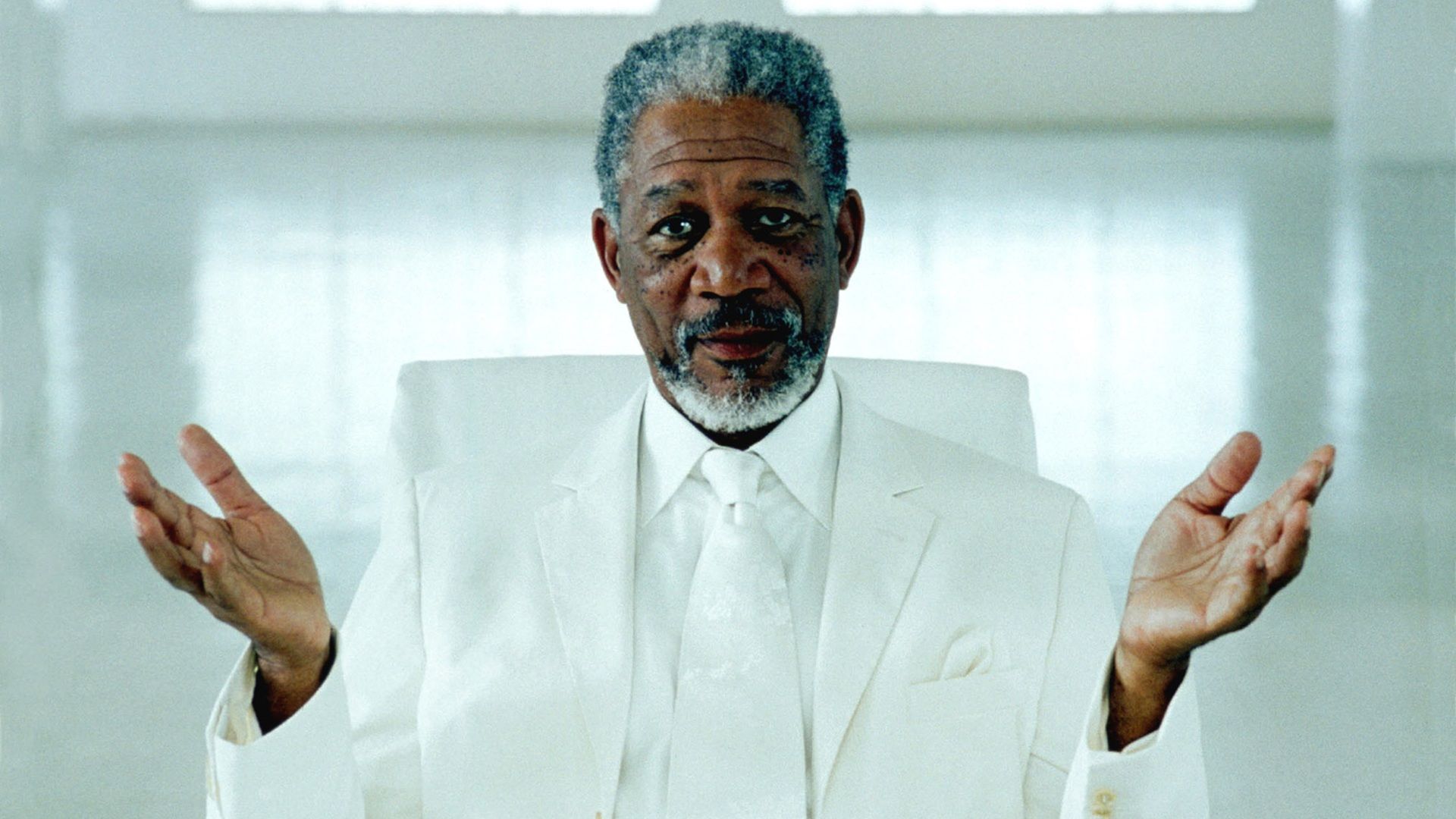
Most people consider Bruce Almighty, starring Jim Carrey as a frustrated TV reporter named Bruce Nolan, to be a fun and easy-to-watch movie. The film centers around Bruce unexpectedly getting the chance to take on the powers of God. However, as with any story involving religion, it understandably sparked some debate and controversy in certain parts of the world.
Although the movie faced censorship or cuts in many countries, Egypt completely rejected it, deeming it blasphemous. They found the idea of God appearing as a human – brilliantly voiced by Morgan Freeman – and granting someone god-like powers to be deeply offensive.
‘Battle Royale’ (2000)
Banned in South Korea & Germany
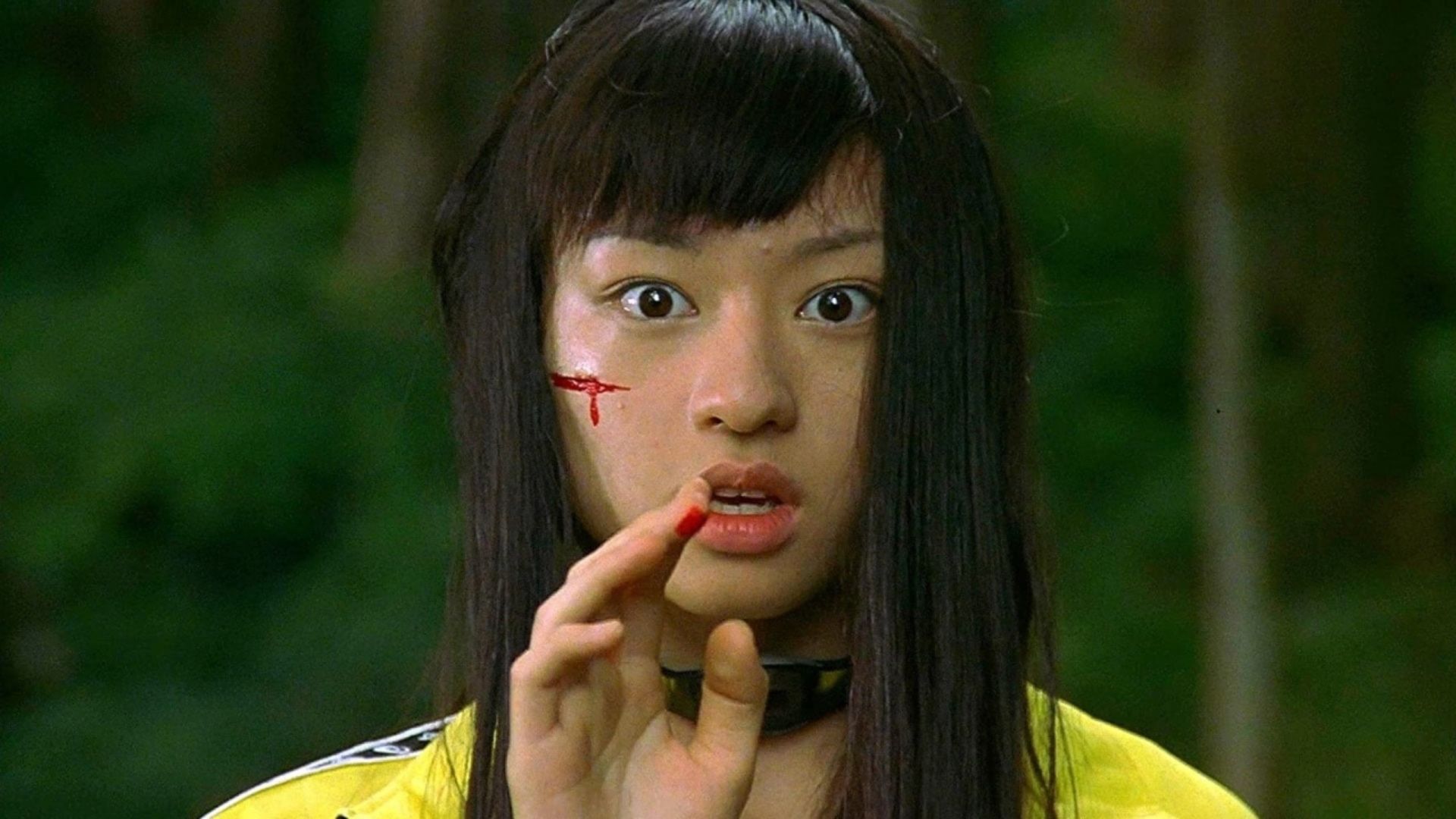
The intensely violent film, where students are forced to fight each other to the death, might have caused more controversy if it had come out a few years earlier. However, Battle Royale was widely praised and became a global success, not just for its action, but also for its thought-provoking themes about government control and the struggles of young people in a broken society.
As a movie lover, it always fascinates me how different countries react to films. When Battle Royale first came out, Germany and South Korea really didn’t get it. They zeroed in on the shock value and worried about the violence, especially since it happened in a school, fearing it might inspire copycats. Eventually, the bans were lifted, but it felt odd to restrict such a great Japanese film without really understanding what it was trying to say. It was also banned in Singapore and heavily cut when it finally made it to Australia, which is a shame.
‘Barbie’ (2023)
Banned in Vietnam
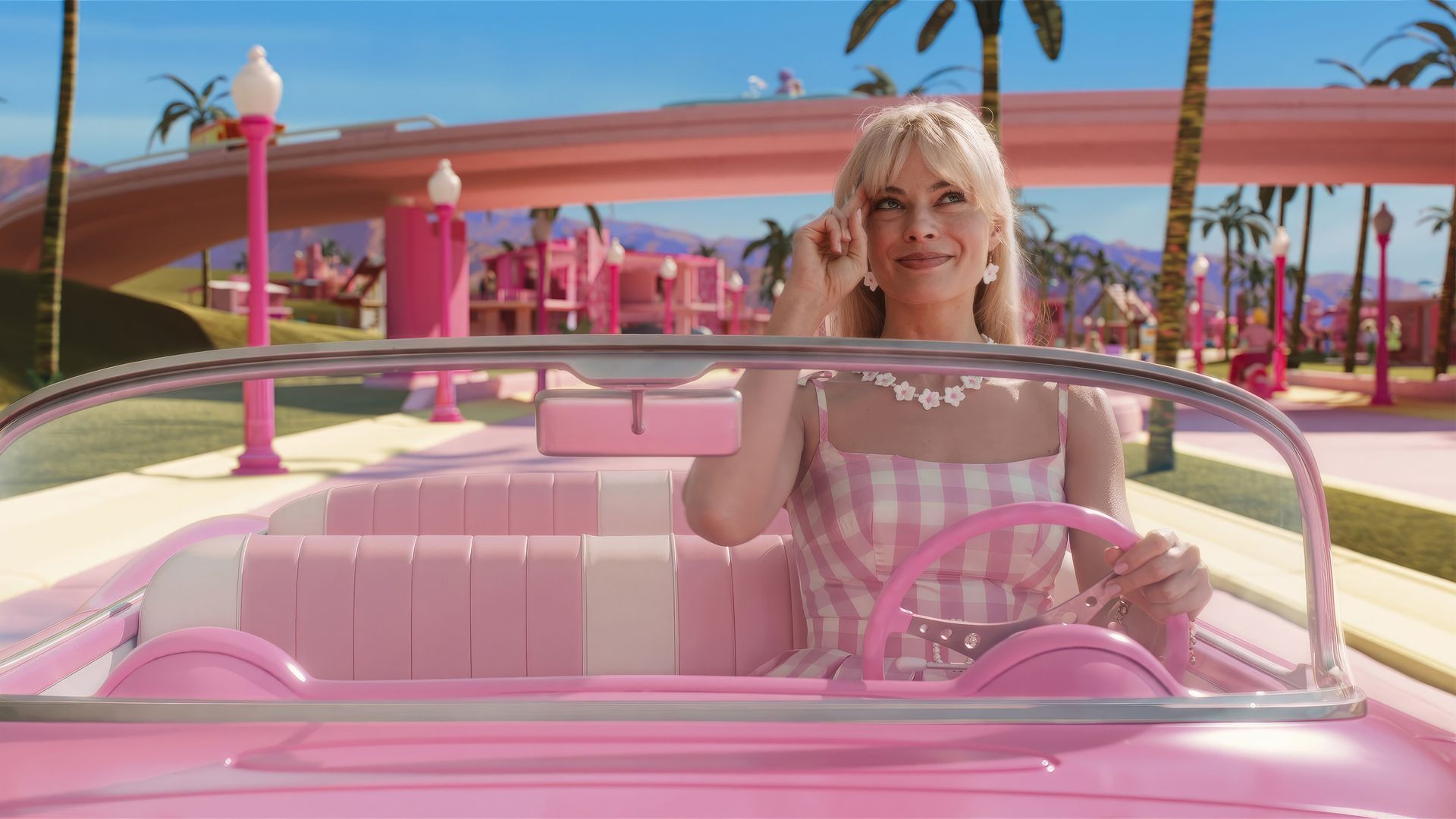
Vietnam banned the Barbie movie over a scene depicting a map with a line that doesn’t align with the country’s claims in the South China Sea. While Vietnam heavily censors content for political reasons, nudity, or violence, those weren’t factors here. It seems a simple mistake in the film’s depiction of the map was the reason for the ban.
A quick shot of a map appeared to display the South China Sea with the “nine-dash line,” which China uses to show its claims to the area. While this moment is small, it’s not surprising considering the historical tensions between the countries. Interestingly, Barbie was also prohibited from being shown in China, but for a separate issue. This isn’t unusual, as many other films have faced the same ban. If a film aims to be successful in Vietnam, it’s important to carefully review any maps included.
‘Pulgasari’ (1986)
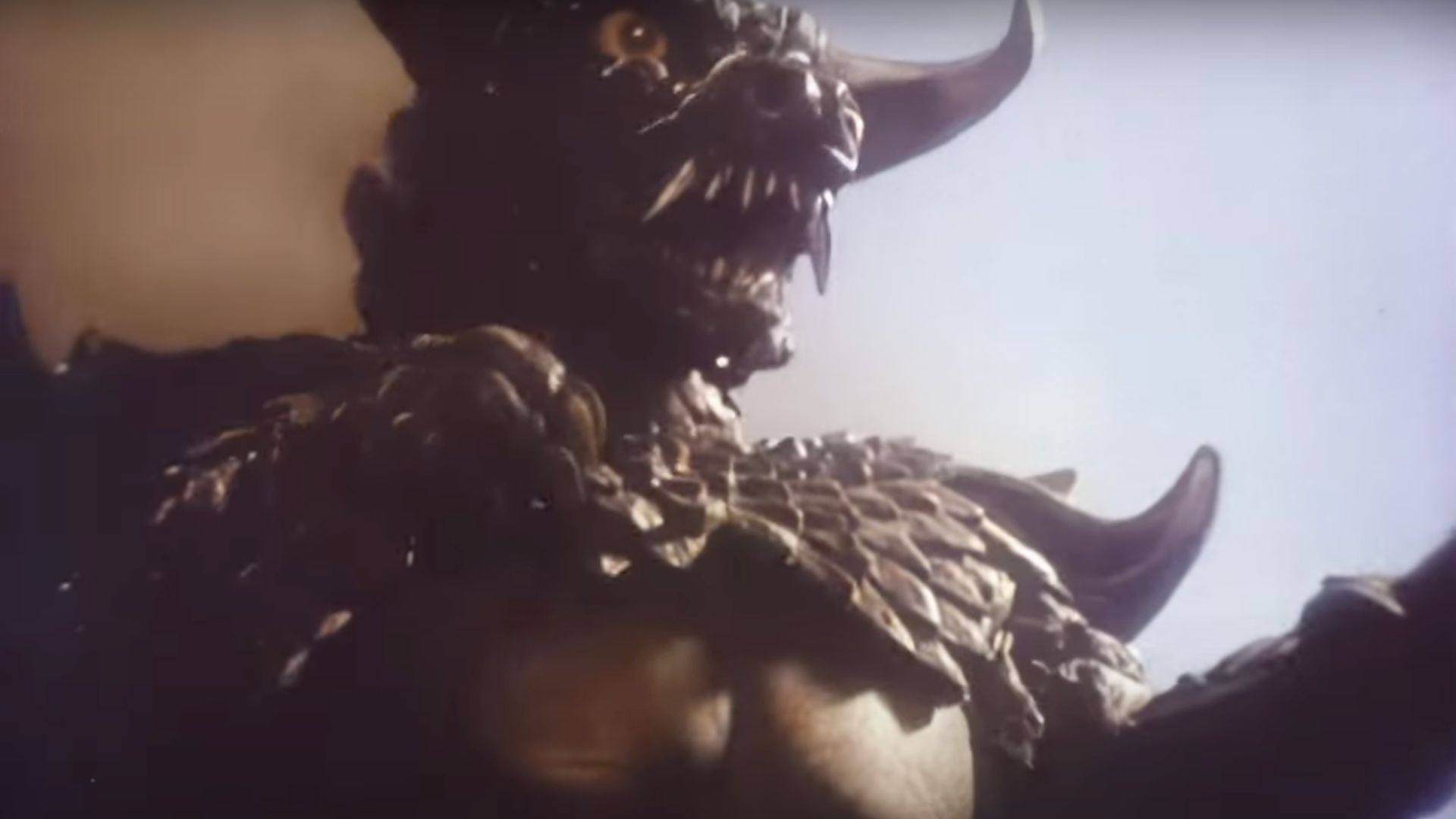
This relatively obscure monster movie was banned in South Korea, and it’s easy to see why. Because it was made in North Korea, all films from that country were generally prohibited due to political tensions and concerns about propaganda. Interestingly, when you actually watch Pulgasari, it seems to be a film critical of authority, even though it was created under the direction of North Korean leaders. However, it’s included here for a different, stranger reason: the film’s production involved a kidnapping.
Kim Jong-il loved movies and even wrote a book about film that everyone in North Korea was required to read. This passion led him to have South Korean director Shin Sang-ok and actress Choi Eun-hee kidnapped so they could make a movie for him. While the film was banned primarily for political reasons, the abduction of the artists definitely ensured it would never be shown in North Korea. Surprisingly, the film gained some attention and moderate success elsewhere, largely because of its unusual and dramatic origins.
‘Christopher Robin’ (2018)
Banned in China
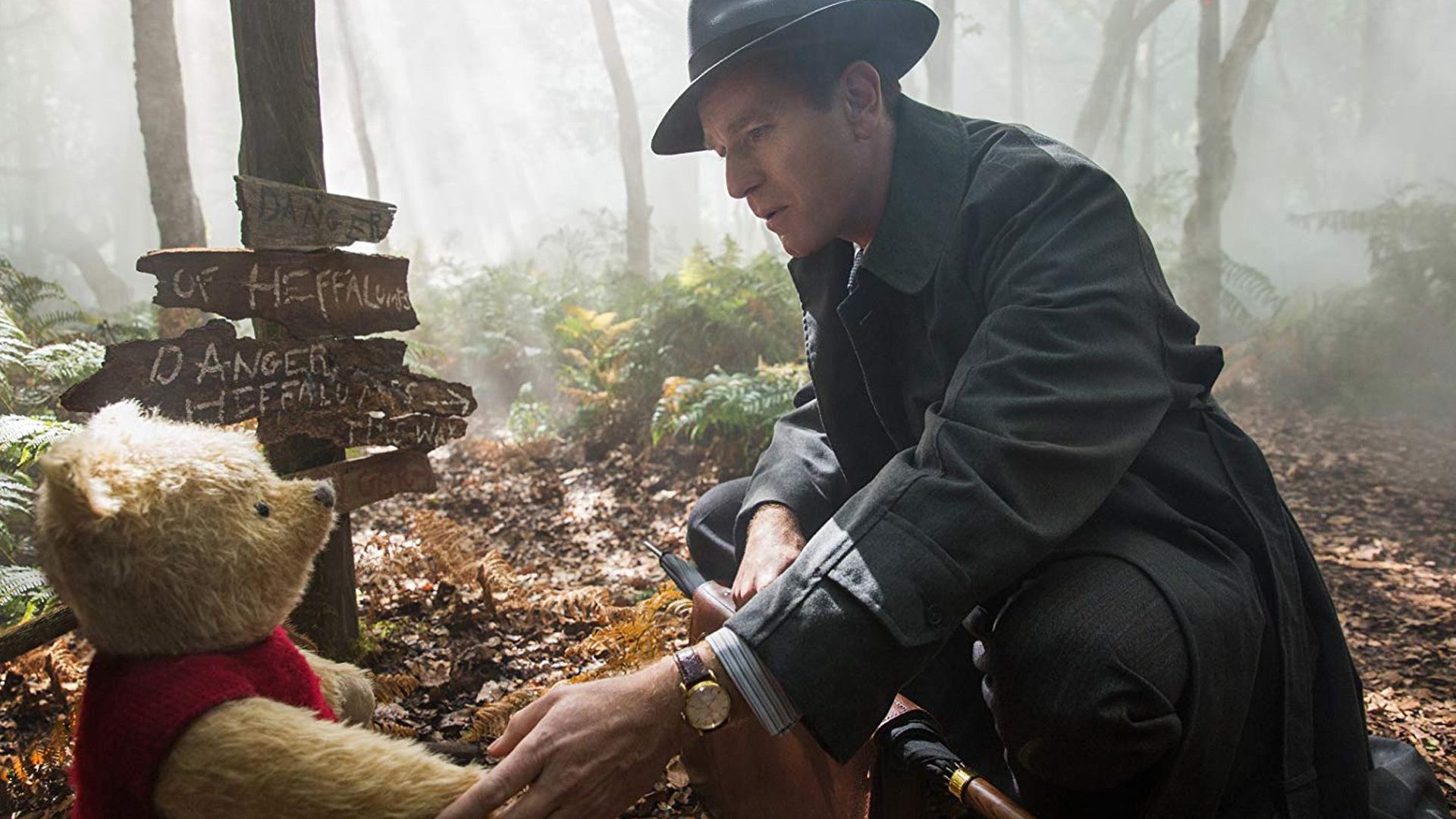
While the ban is based on some guesswork, it makes sense considering what happened. The issue wasn’t with the story of Christopher Robin, but with Winnie-the-Pooh himself. Specifically, a meme comparing China’s leader, Xi Jinping, to the bear was censored, as it was considered disrespectful.
Several countries have rules against showing images that disrespect their leaders, but the filmmakers didn’t intend to do that. The timing of the popular meme just happened to coincide with the movie Christopher Robin‘s release, and it’s likely Winnie-the-Pooh won’t be shown in China again.
Read More
- Trails in the Sky 2nd Chapter launches September 17
- Paradox codes (April 2026): Full list of codes and how to redeem them
- HBO Max Just Added the Final Episodes of a Modern Adult Swim Classic
- PRAGMATA ‘Eight’ trailer
- Pragmata Shows Off Even More Gorgeous RTX Path Tracing Ahead of Launch
- Crimson Desert’s Momentum Continues With 10 Incredible New Changes
- Solo Leveling’s New Character Gets a New Story Amid Season 3 Delay
- How Could We Forget About SOL Shogunate, the PS5 Action RPG About Samurai on the Moon?
- Hulu Just Added One of the Most Quotable Movies Ever Made (But It’s Sequel Is Impossible To Stream)
- Dragon Quest Smash/Grow launches April 21
2026-04-18 23:23