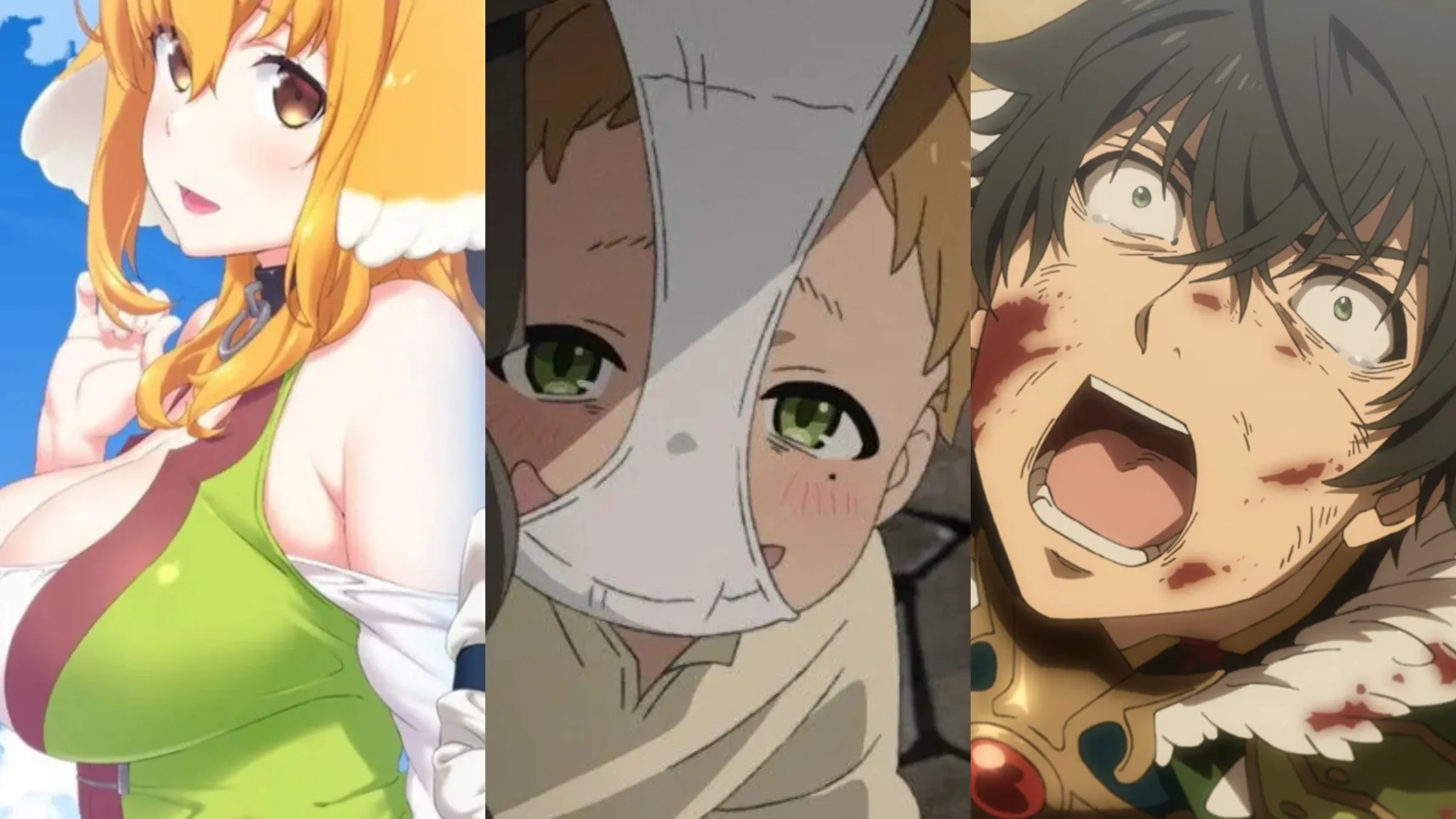
I’m a huge fan of isekai anime, and honestly, some of the recent releases have really sparked a lot of debate! It’s wild to see how far some shows are willing to go. With so many new isekai series coming out all the time, the genre is constantly evolving. They still have that core idea of someone being transported to another world, but creators are really trying to put their own unique spin on things to make their show stand out from the crowd.
Over the years, seven popular Isekai series have caused significant debate among fans, but the reasons aren’t always obvious. Some faced criticism due to unfortunate circumstances or negative reactions, while others contained explicit content, dealt with sensitive themes involving minors, or simply made viewers uncomfortable. Here’s a look at some of the most controversial Isekai releases and why they sparked such discussion.
7). The Beginning After the End

Fans strongly disliked the first season of The Beginning After the End, and the reaction was so negative that a petition with almost 60,000 signatures circulated, asking for a reboot with a different animation studio. However, the core of the problem wasn’t actually with the show’s content itself.
The reaction to the anime adaptation came from passionate fans of the original TurtleMe webcomic who were expecting something truly exceptional. Their expectations were so high that any version of the show was bound to disappoint. While the controversy felt like an overreaction, the sheer volume of negative feedback made it impossible to ignore, and ultimately landed it on this list.
6). Do You Love Your Mom and Her Two-Hit Multi-Target Attacks?
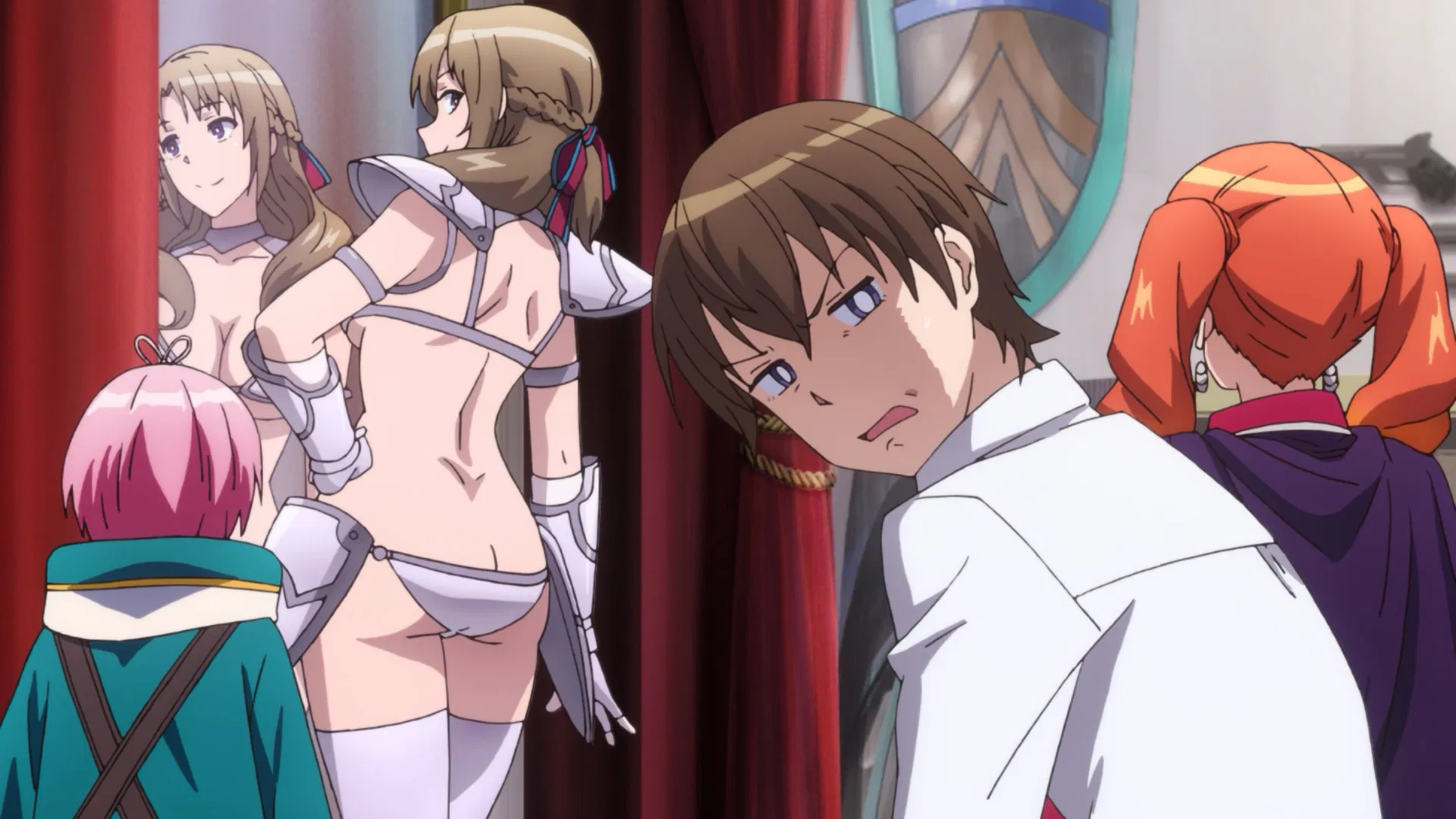
Anime rankings are always subjective, as people have different sensitivities to certain themes. To be as fair as possible, it’s important to balance potentially disturbing content with the overall quality of the story and animation. For instance, the anime Do You Love Your Mom and Her Two-Hit Multi-Target Attacks? features a son and mother transported to another world, and if you’re not bothered by that kind of relationship, you might enjoy it despite the potentially uncomfortable premise.
The story revolves around a mother who receives all the powers and equipment typically given to the hero in these types of fantasy stories, leaving her son to watch as she enjoys the adventures he always dreamed of. While their relationship isn’t hostile, the story heavily emphasizes the mother’s role, and includes uncomfortable, sexualized depictions of her, even in intimate moments with her son. This makes it difficult to enjoy even lighthearted scenes, and the story feels unremarkable otherwise.
5). Now and Then, Here and There
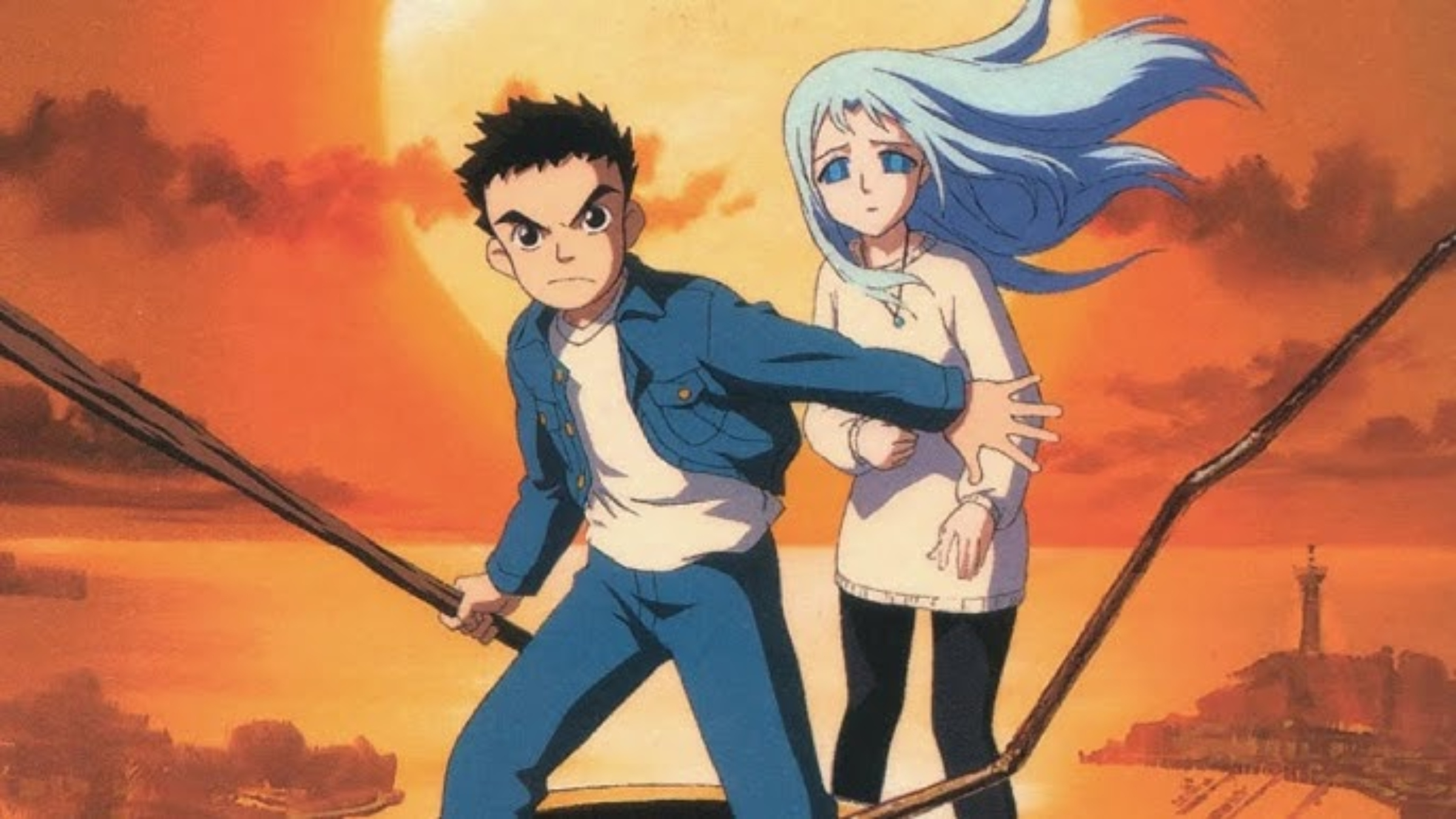
Now and Then, Here and There features dark and dangerous situations that put children at risk, but these elements contribute to a realistic and frightening depiction of wartime. The story begins when Shu attempts to rescue a girl and finds himself in a war-torn alternate Earth. This world is controlled by a ruthless dictator, is depleted of resources, and tragically forces children to fight and die in horrific ways.
I was really struck by how honestly this anime portrays the harshness of a world torn apart by war, and it hits even harder because it’s seen through the eyes of kids. It doesn’t pull punches with difficult topics like abuse and exploitation, but honestly, it all serves the story so well. Yes, it deals with really sensitive subjects involving minors, but it never feels gratuitous or like it’s just trying to shock you. That’s what ultimately makes it so compelling and, for me, elevates it above other shows that might rely on shock value.
4). Mushoku Tensei: Jobless Reincarnation
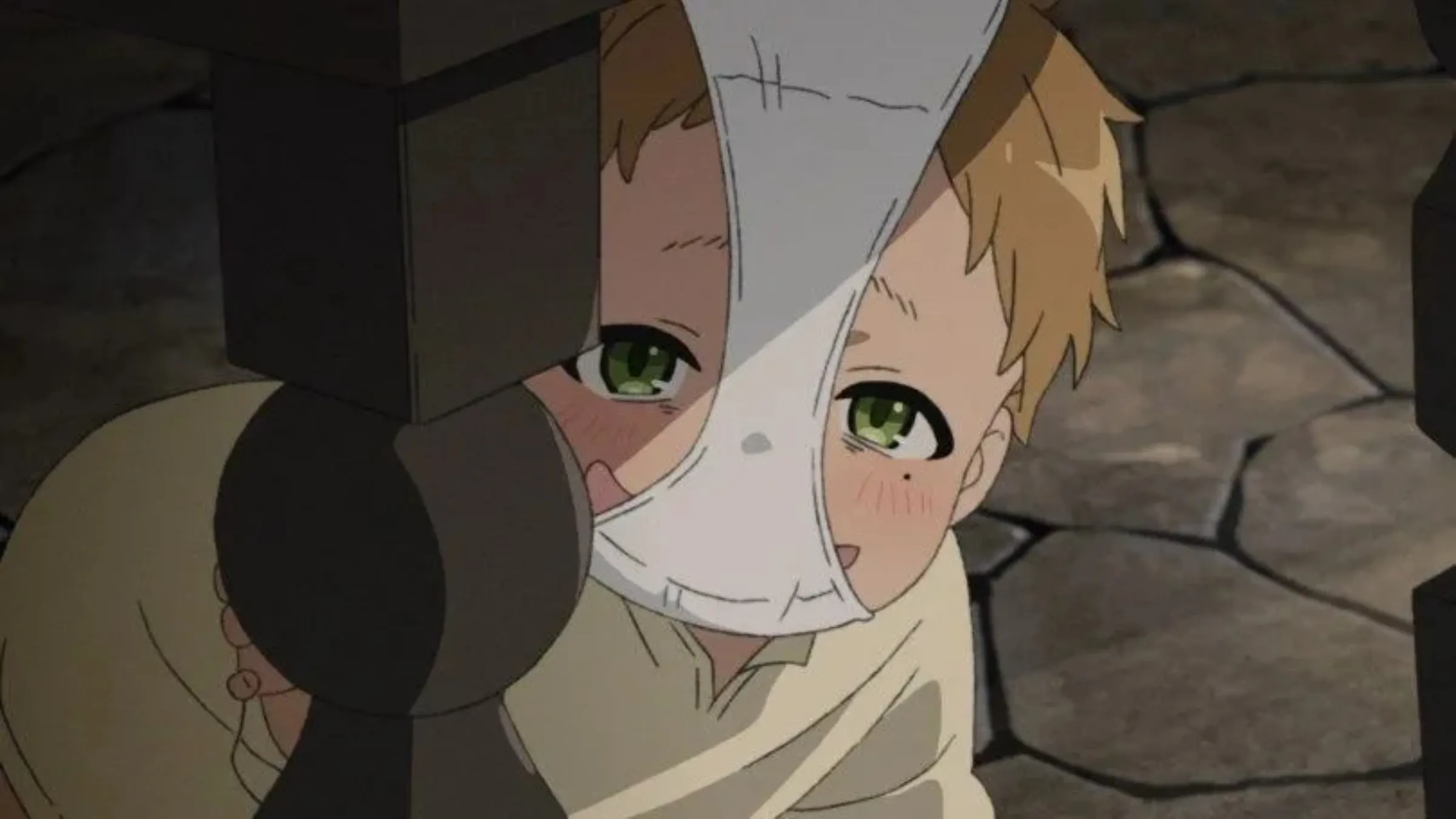
In contrast, Mushoku Tensei: Jobless Reincarnation intentionally uses shocking moments. The story begins with a reclusive man dying after a difficult life and being reborn in a fantasy world. Unfortunately, his problematic tendencies carry over, becoming apparent even when he’s very young through inappropriate desires. This initially upset many viewers, but Rudeus’s flawed personality ultimately became central to his development as a hero.
The anime explores the reasons behind the protagonist’s initially problematic behavior. A significant portion of the second season focuses on his struggles with erectile dysfunction, which leads him to confront and address deep-seated insecurities and low self-esteem. While the story involves a character with the mindset of a thirty-something who initially displays inappropriate desires, the series thoughtfully unpacks these issues over time, offering a surprisingly compelling and nuanced portrayal of his development.
3). The Rising of the Shield Hero
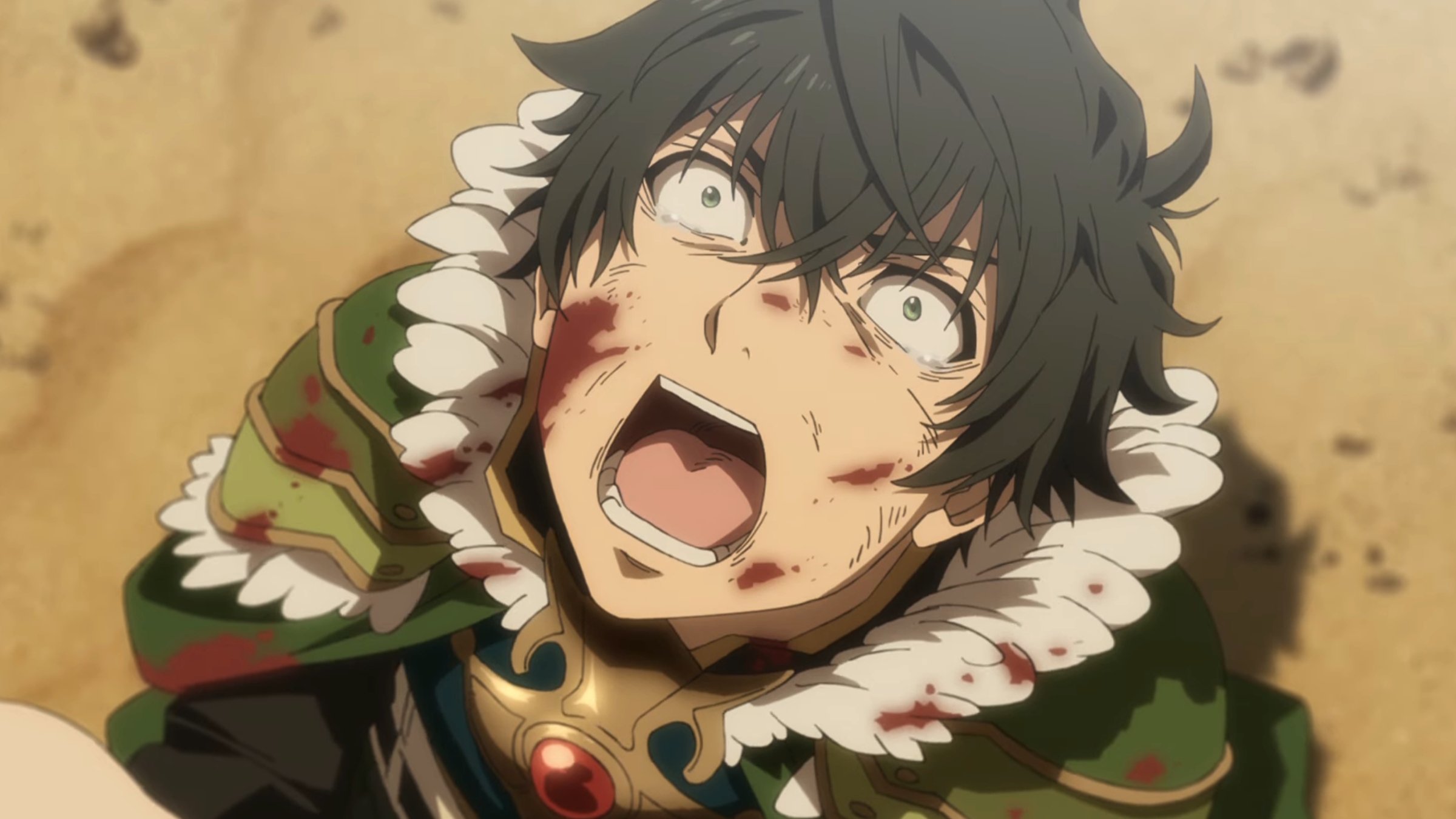
The Rising of the Shield Hero began with bold concepts, but has since developed into a show with a more complex and engaging world. However, many viewers may only finish the first season due to the controversial storyline where the main character, Naofumi, quickly becomes involved with slavery. He’s transported to a new world as a hero, but as the Shield Hero, he’s undervalued and ostracized by the kingdom and its people.
The story begins with a man seeking revenge after a sexual assault. Unable to fight effectively himself, he shockingly resorts to buying a child as a slave and training them to be a soldier. While he achieves his revenge in the first season and the series later shows his character developing and becoming more compassionate, the extremely dark beginning makes it difficult for viewers to continue watching. This also leads to questions about why the anime needed to feature slavery as a key element, especially since the revenge plot was resolved so quickly.
2). How Not to Summon a Demon Lord

The anime How Not to Summon a Demon Lord includes mature themes like slavery and nudity. If you enjoy fan service in your isekai anime, this show delivers, but be aware of those elements. The story follows Diablo, a gamer who is transported into a fantasy world as his in-game character. Due to a mistake during the summoning process, he ends up with two girls as his slaves, though their situation is more complicated than it seems.
The characters have a good rapport, and the series includes some genuinely touching moments. However, much of the discussion around it centers on the extensive censorship it underwent. This was especially noticeable in the second season, which featured even more mature content and was temporarily removed from platforms like YouTube. Despite all this, there’s another show that pushed boundaries even further and still managed to broadcast on television.
1). Harem in the Labyrinth of Another World
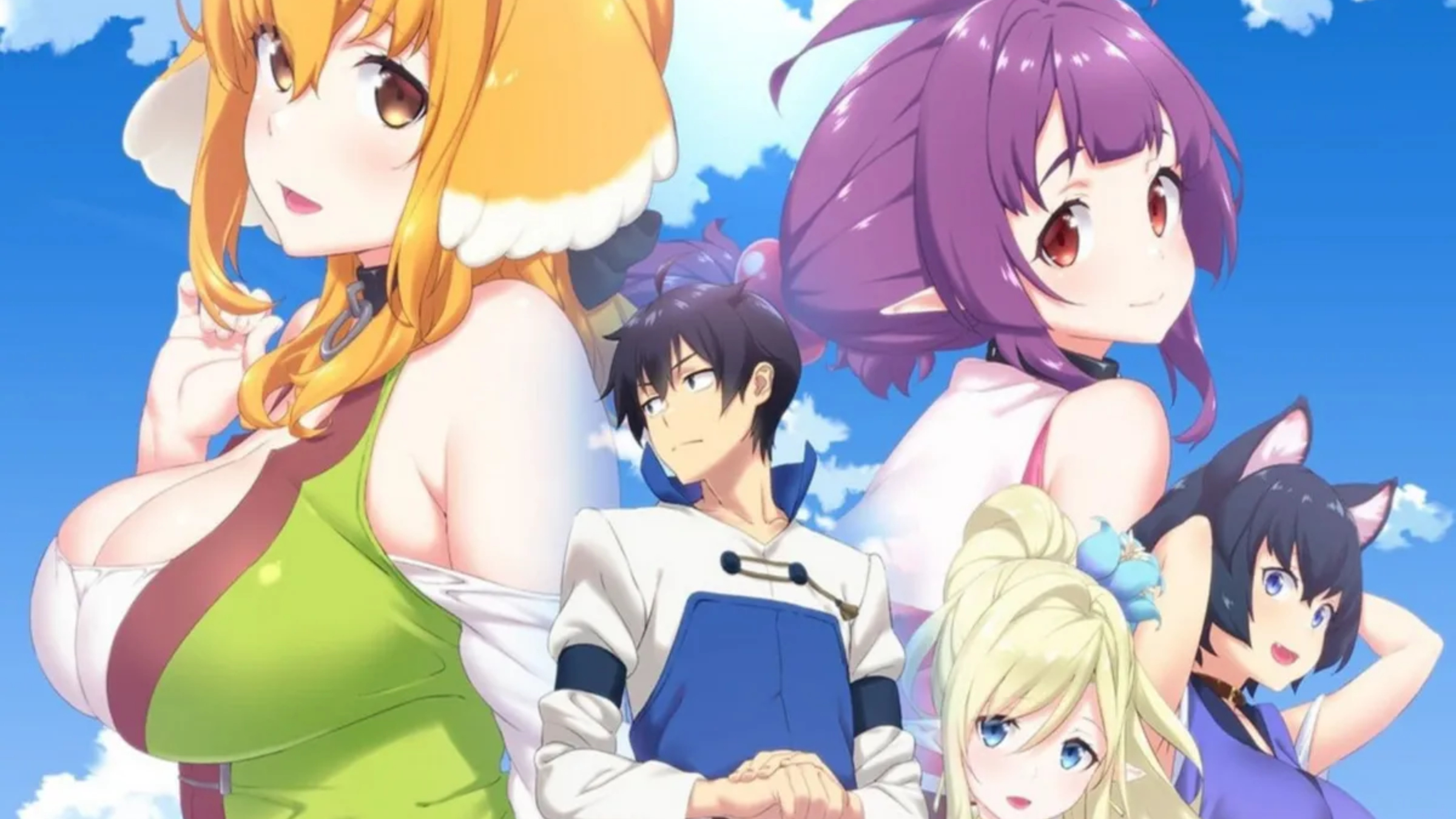
I’ve noticed a trend in recent years where some incredibly explicit anime have become widely available with official international releases. Harem in the Labyrinth of Another World is a prime example. The studio Passione definitely knows its niche – creating very adult content – and this show delivers on that front. The premise revolves around the main character acquiring slaves with the goal of building his ideal harem, and it doesn’t shy away from showing that.
The series relies heavily on slavery and increasingly features explicit adult content. These elements alone explain the controversy surrounding it, even with censorship. However, the show seems intentionally provocative, prioritizing shock value and explicit content over meaningful storytelling or deeper themes. It’s controversial simply for the sake of being controversial.
What do you think? Leave a comment below and join the conversation now in the ComicBook Forum!
https://comicbook.com/anime/list/top-7-funniest-isekai-anime-ranked/embed/#
Read More
- Trails in the Sky 2nd Chapter launches September 17
- Paradox codes (April 2026): Full list of codes and how to redeem them
- Crimson Desert’s Momentum Continues With 10 Incredible New Changes
- PRAGMATA ‘Eight’ trailer
- Pragmata Shows Off Even More Gorgeous RTX Path Tracing Ahead of Launch
- How Could We Forget About SOL Shogunate, the PS5 Action RPG About Samurai on the Moon?
- Hulu Just Added One of the Most Quotable Movies Ever Made (But It’s Sequel Is Impossible To Stream)
- Why is Tech Jacket gender-swapped in Invincible season 4 and who voices her?
- Dragon Quest Smash/Grow launches April 21
- Xbox Game Pass Users “Blown Away” by New Exclusive Game
2026-04-20 01:11