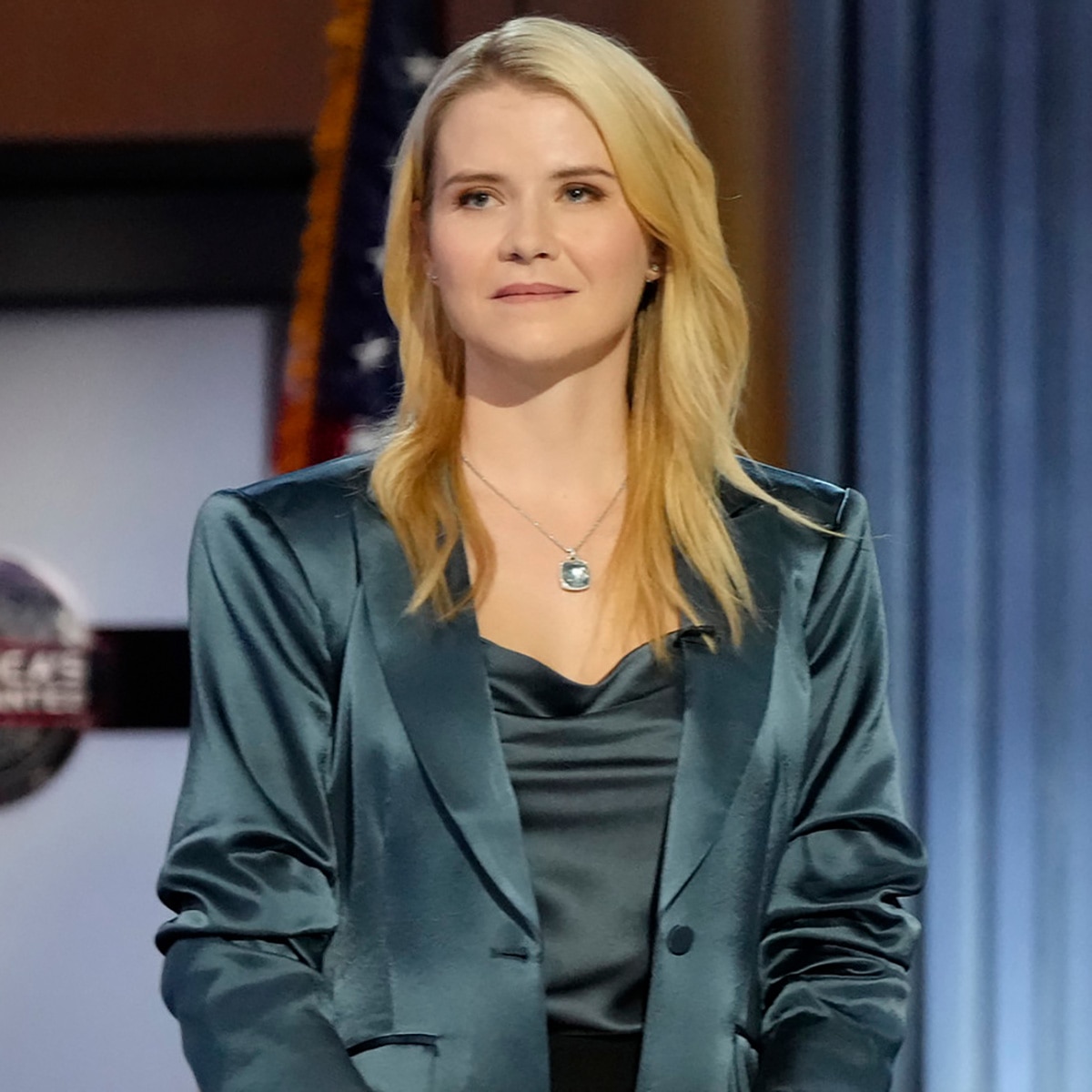
Elizabeth Smart is flexing a new talent.
For years, the 38-year-old has supported those who’ve experienced trauma, stemming from her own kidnapping and disappearance in 2002. Recently, she’s discovered a new hobby: bodybuilding, and she shared a look at her recent competition with her fans.
Elizabeth shared a photo of herself in a bikini on Instagram, acknowledging people might be surprised by her recent decision to compete in a bodybuilding show. She explained that just a couple of years ago, she never would have imagined herself doing something like this – she would have said ‘no way!’
The photo Elizabeth shared from the Wasatch Warrior show on April 18th in Salt Lake City wasn’t her first competition – it was actually her fourth. The author of My Story, who shares three children – 11-year-old Chloe, 9-year-old James, and 7-year-old Olivia – with her husband of 14 years, Matthew Gilmour, explained she had been hesitant to post it earlier because she was nervous.
She explained she was afraid of being judged or not believed, and worried she’d be seen as someone who no longer deserved to support other survivors. Then, over the weekend, she realized how common those feelings actually are among survivors of trauma.
You know, through everything I’ve seen and as I’ve gotten older, I’ve really learned how crucial it is to live fully in the present moment. Honestly, you never know what tomorrow will bring, so savor today!
And the advocate wanted to make sure that she wouldn’t “feel regret for only living a half-life.”

This whole journey has been incredibly transformative for me. It definitely wasn’t easy – it really tested my limits and made me dig deep to keep going. But honestly, I’m bursting with pride for what I’ve accomplished. I feel so good about myself and my body, and I’m ready to celebrate everything it’s capable of!
She expressed her hope that everyone would be brave enough to pursue new things, work on improving themselves, and ultimately find happiness.
Elizabeth’s coach, Robyn Maher, praised her performance, saying she “killed it” on stage. Maher also shared on Instagram on April 20th that Elizabeth is continuing to pursue her goals, with new competitions already planned and a strategy in place.
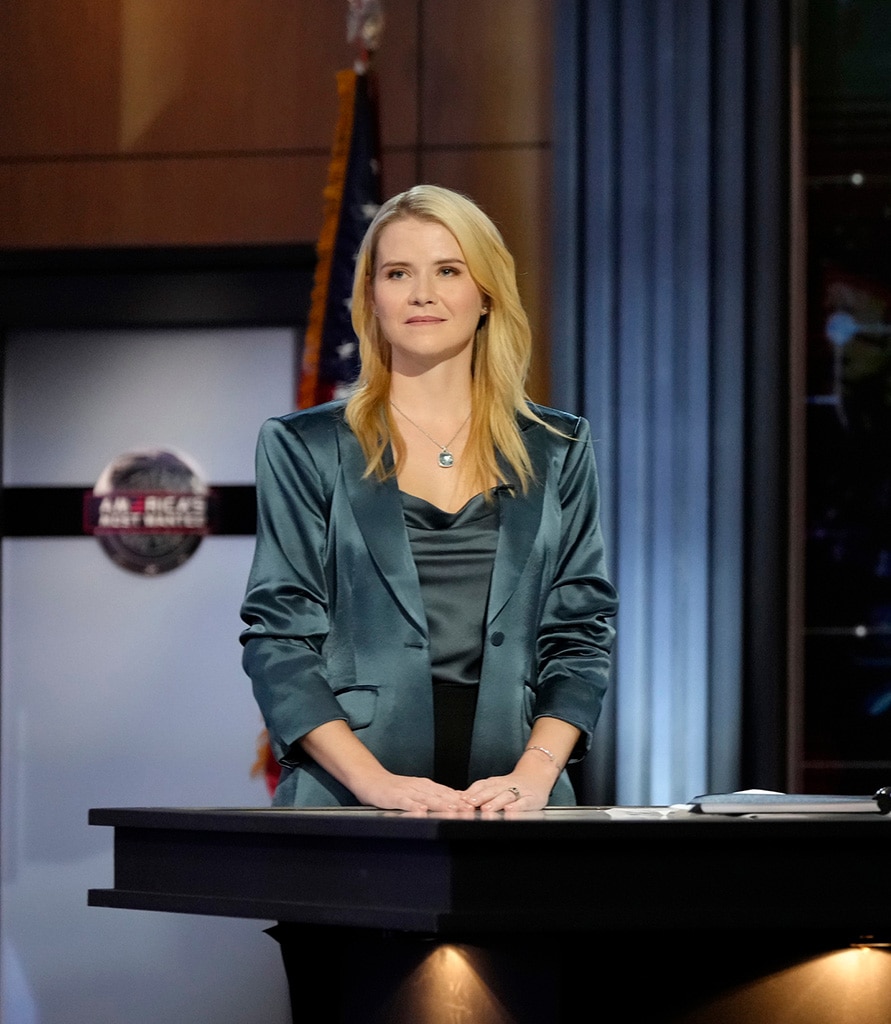
Elizabeth has always been open about her life, particularly the trauma of her 2002 abduction and its aftermath. However, she’s noted that sharing her story wasn’t automatic – it was a deliberate decision she had to make.
Elizabeth Smart explained to Netflix’s Tudum that after being rescued, she initially didn’t want to discuss her experience with anyone. Later, during her kidnapper’s trial, she felt that her testimony lacked important background information when she was answering questions on the stand.
She explained that once her story was going to be public, she wanted it to matter and have a positive impact. Taking control of how her story was told and sharing it on her own terms was a key part of her decision.
For more about Elizabeth’s harrowing journey, keep reading.
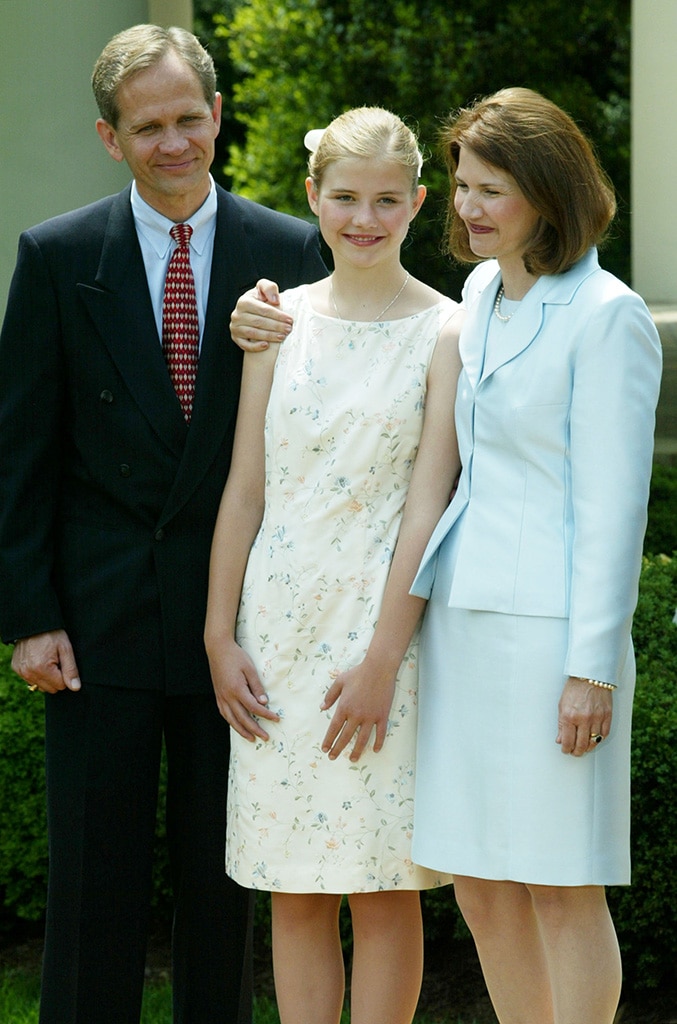
When Elizabeth Smart disappeared from her home in Salt Lake City on June 5, 2002, investigators initially had to explore the possibility that the case involved someone within her family.
According to lead investigator Captain Cory Lyman in the 2026 Netflix documentary Kidnapped: Elizabeth Smart, the family initially appeared happy and normal. However, investigators knew that in cases like this, the perpetrator is often a parent or another family member, so they focused their attention on those closest to Elizabeth.
He remembered that investigators did detailed interviews and took 12 computers from the large Smart family.
Lyman realized the alarm hadn’t been set and there were no signs someone had used a chair to climb to the open kitchen window. This led him to suspect the break-in wasn’t what it seemed. He thought someone might have cut the screen after entering through another way, staging the scene to look like they’d come in through the window.
Investigators found no evidence of wrongdoing on the family’s devices or in their email correspondence. Elizabeth Smart’s father, Ed Smart, also passed a lie detector test, and eventually, all family members were ruled out as suspects.
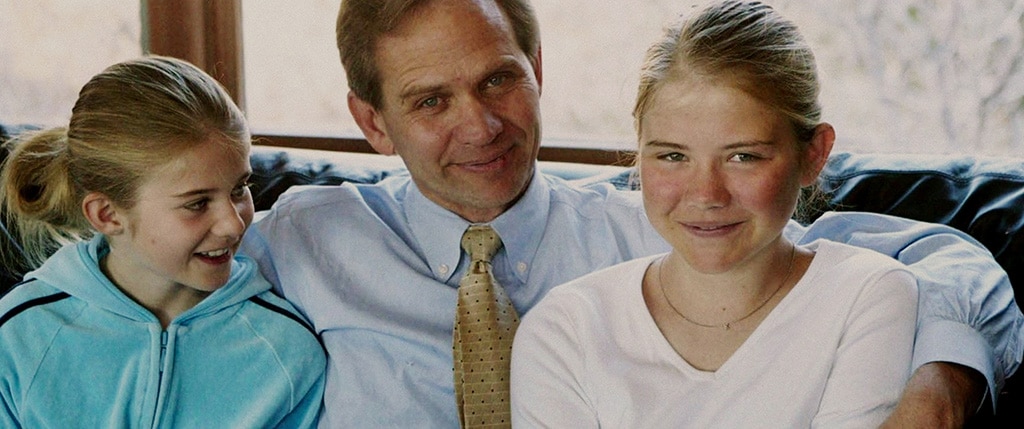
Losing a daughter is a terrible experience,” Ed said in Kidnapped. “And to then be considered a suspect made it even more overwhelming.
Ed Smart said that when his wife, Lois—the mother of their six children—suggested the police believed he was concealing information, he became so overwhelmed he began to shake uncontrollably and couldn’t stop.
Ed remembered his father threatening to have him institutionalized if he didn’t get control of himself. His father followed through, taking him to the hospital and having him admitted to the psychiatric ward, where Ed spent the entire night crying.
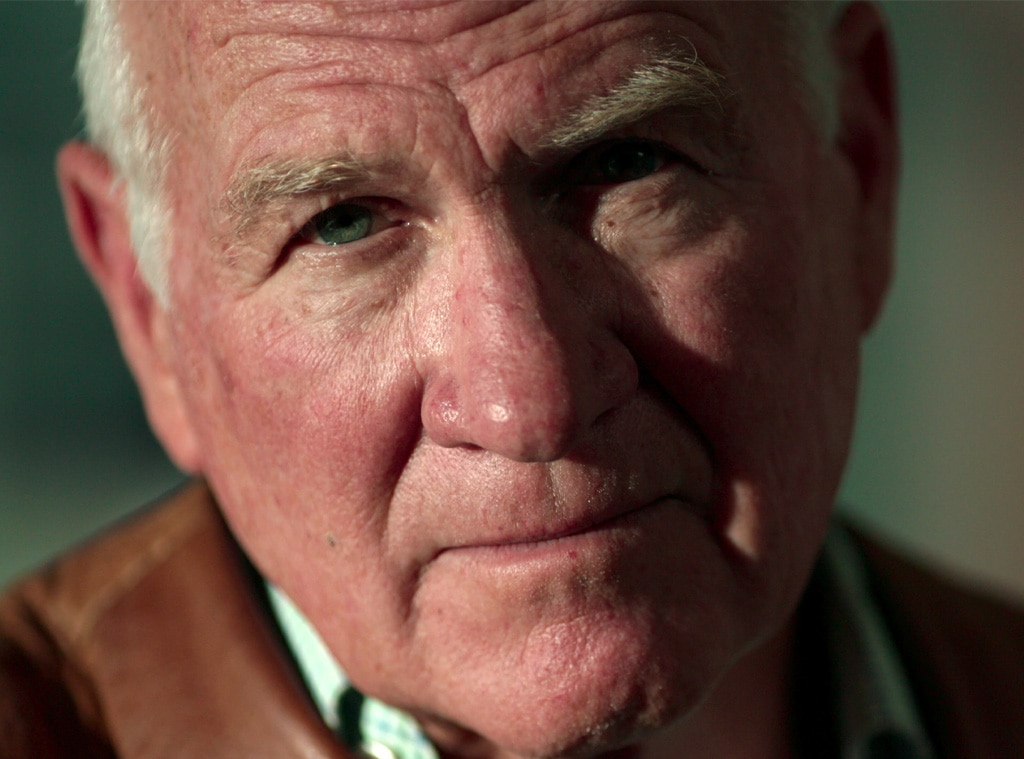
Early in the investigation, Ed’s brother, Tom Smart, often spoke to the press and urged the police to take action. He became a key public representative for the case.
Following reports of unclear polygraph results and observations of Tom acting very nervous, his brother Dave Smart remembered people beginning to wonder if Tom was keeping secrets, as detailed in the book Kidnapped.
Tom admitted in the Netflix documentary that he didn’t make a good impression during a past interview. He was referring to a moment where he appeared to show understanding towards the person who had taken Elizabeth, saying things like “we understand everyone has issues” and calling the case “a wonderful story in a lot of ways, because it’s about, foremost, a beautiful little angelic girl.”
He believed anyone watching the interview would likely conclude that Tom Smart was unhinged and possibly guilty. Afterward, his wife told him he had deeply harmed the family.
At the time, Tom explained, he was exhausted and didn’t care how he sounded.
“All that mattered was locating Elizabeth,” he explained. “We didn’t need their permission or approval – frankly, we didn’t care what they thought. We were certain we were in the clear ourselves.”

Investigators discovered a woman’s remains, and Lyman had to inform Ed and Lois that they might be Elizabeth’s.
Ed recalled the phone call, saying, “The girl’s body was so badly burned, she was unidentifiable.” He explained he’d tried to distance himself emotionally until the identification was confirmed.
Lyman acknowledged the deceased was another unfortunate person, but he added that it was especially painful to see the Smarts grieving.
Ed remembered feeling relieved, but he couldn’t stop worrying, constantly wondering where she was and what might be happening to her.

When Elizabeth was kidnapped, her sister, Mary Katherine Smart, was the only person who saw what happened. Because of this, authorities interviewed the 9-year-old Mary Katherine many times.
To protect her memories from being affected by current events, she was kept isolated from the family’s troubles.
In the Netflix documentary, Mary Katherine described feeling isolated and desperate to understand what was happening around her, but people kept excluding her. She struggled to recall who had taken Elizabeth, recognizing the voice but not where she’d heard it. She really wanted to contribute to finding Elizabeth, and they even attempted hypnosis. However, she felt intense pressure from all sides, which was incredibly overwhelming for a nine-year-old.
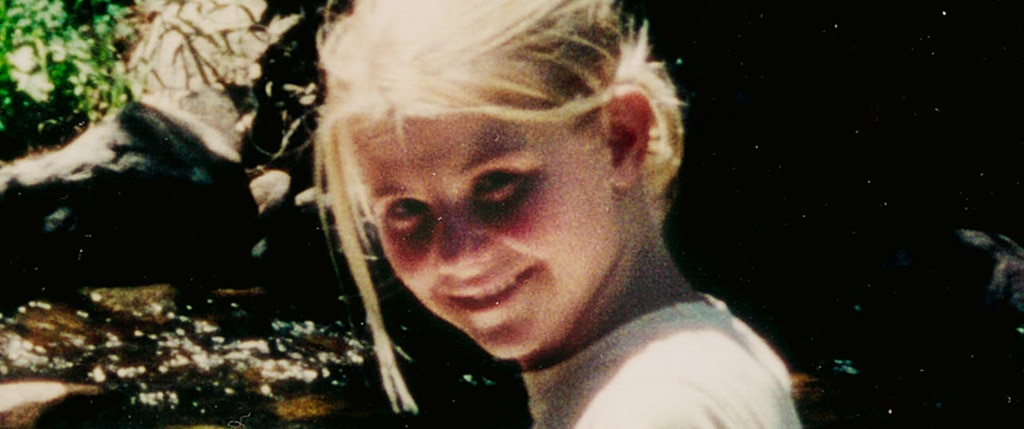
On June 14, 2002, Richard Ricci, a contractor who had previously worked on the Smart home, was arrested for violating his parole – an offense unrelated to his work there.
When police discovered Lois’ jewelry with Ricci, he was arrested for burglary and immediately became the main suspect in Elizabeth’s disappearance.
In a police interview, Ricci claimed he had no knowledge of the kidnapping. However, he wouldn’t explain why his Jeep had racked up hundreds of miles in the day after the victim disappeared.
After seeing the man on the news, Mary Katherine insisted that the person who had been in their bedroom wasn’t Ricci.
On July 24, 2002, someone tried to break into the home of Elizabeth’s aunt and uncle. Police discovered a hole in a window screen and two chairs positioned under the window of their 18-year-old daughter’s bedroom.
Despite the lack of solid leads, police believed they were nearing a breakthrough in the case. Eager for information, Lyman explained in the documentary, they proposed a deal to Ricci: immunity from prosecution in exchange for helping to locate Elizabeth, as long as he hadn’t been involved in her disappearance or death. Unfortunately, Ricci suffered a brain aneurysm while in jail and passed away on August 27, 2002.
“I felt awful,” Lyman said. “Our prime suspect died, taking all the information he had with him. It left us stuck with a really tough case. As a police officer, you try to stay detached, but I was starting to lose that emotional distance.”
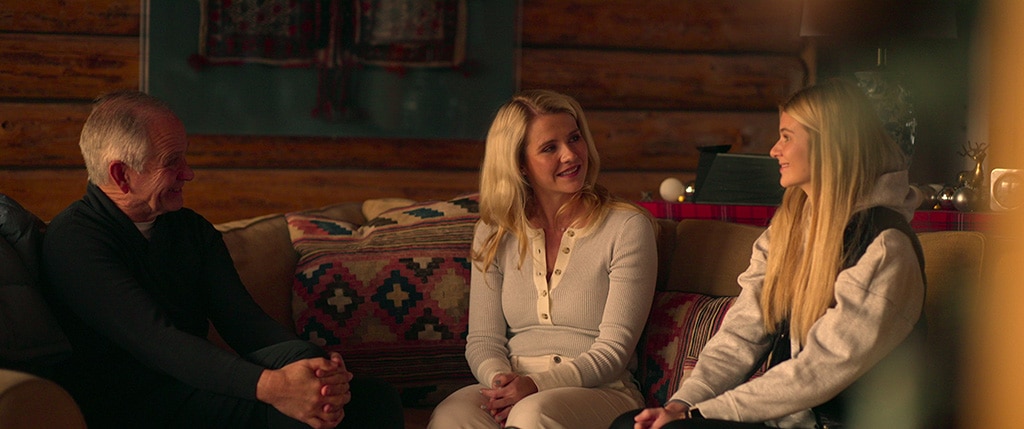
After her sister was kidnapped, Mary Katherine was afraid to go to sleep and would always wait for her father to come tuck her in at night.
It was about four months after my sister disappeared, and I remember this so clearly. I was just casually looking through the Guinness Book of World Records, and out of nowhere, her name just came to me. It was such a strange, random moment, but I’ll never forget it.
She suddenly recalled that the man, Brian David Mitchell, sometimes went by the name Emmanuel. He was a transient who claimed to be a prophet and had done various jobs for people in town, including work for the Smart family.
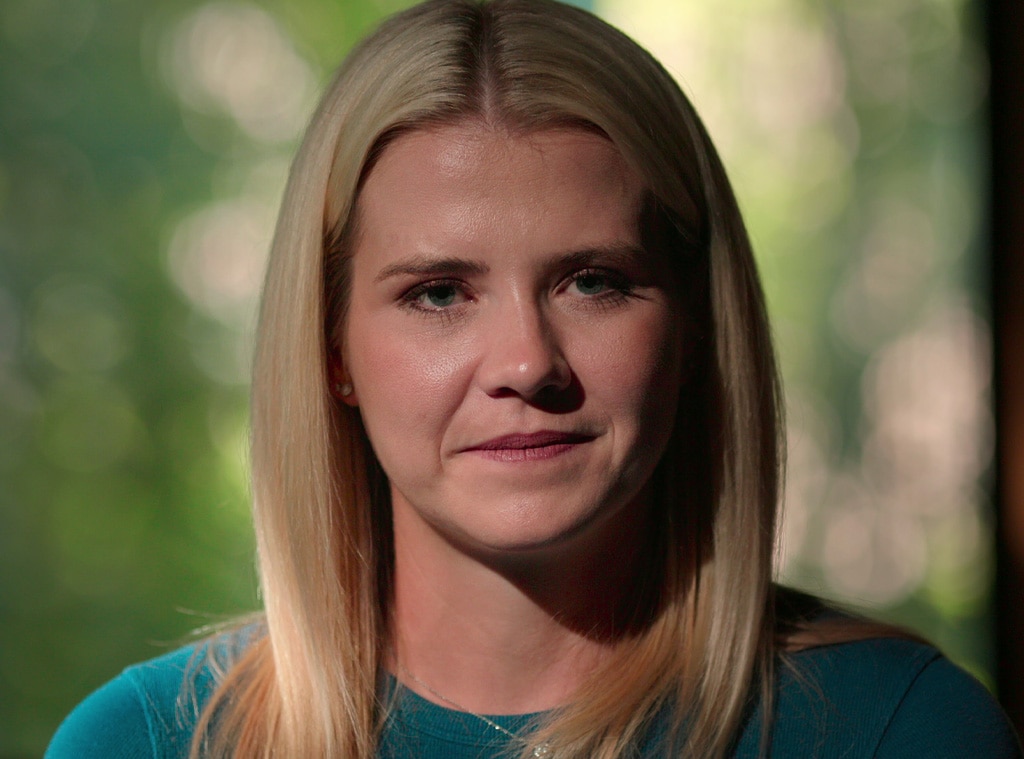
Mitchell kidnapped Elizabeth while threatening her with a knife and took her to a campsite in the mountains. He lived there with his wife, Wanda Barzee.
For days, hundreds of people actively searched the area around Elizabeth’s home, hoping to find her. They actually got quite close on one occasion.
In Kidnapped, Elizabeth recalled hearing someone call her name, though the sound was distant. Emmanuel then brought her into the tent and, brandishing a knife, threatened to kill anyone who entered the camp, blaming her if that happened.
She said she’d only heard her name called a couple of times before the sound disappeared completely.
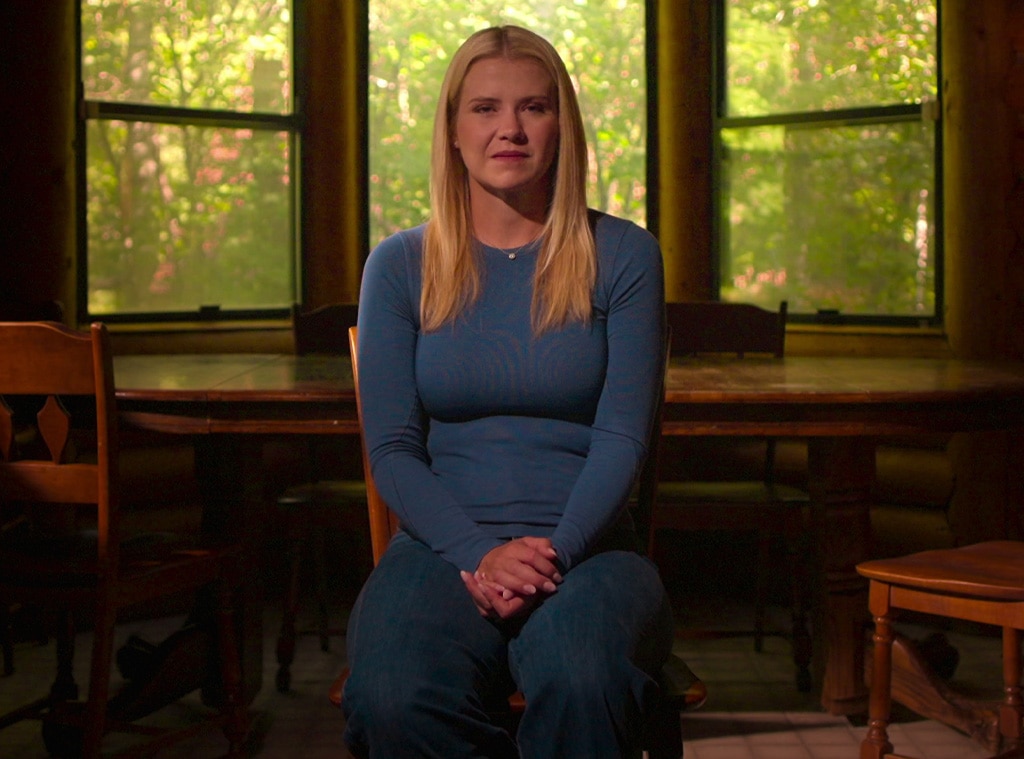
While held captive by Mitchell, Elizabeth reported experiencing repeated sexual assault and severe psychological abuse.
She described the rape as horrifying in Kidnapped, but also wondered if enduring his endless justifications was even more damaging. He constantly talked about his own importance and framed his actions – which would normally be considered wrong – as necessary because he believed God was ordering him to do them.
In September 2002, Mitchell and Barzee took Elizabeth to Lakeside, California, and discussed potentially traveling as far as New York or Boston.
I’ll never forget that moment. We were talking, and I suddenly felt this overwhelming sense that if we left, if we went anywhere else, I’d be completely lost. I knew I had to say something, that everything depended on it. So I told Mitchell I felt strongly that we needed to return to Salt Lake City. I even challenged him, suggesting he pray about it, that if he truly sought guidance, God would confirm if that was the right direction and if he was, indeed, a prophet.
Elizabeth remembered him saying, ‘It seems God is finally helping you.’ He continued, ‘Now that you understand you’re not in control, we need to go back to Salt Lake City.’
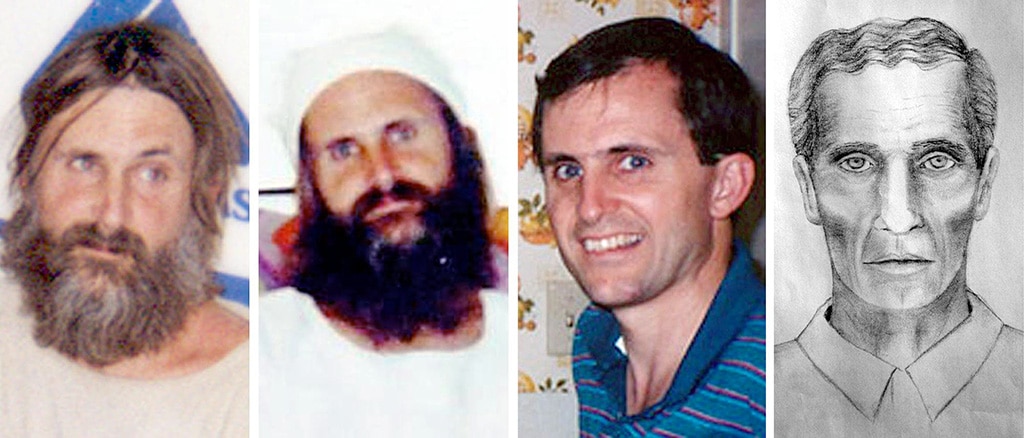
The Smart family believed Mary Katherine’s memory of Emmanuel was a major step forward, but the police weren’t convinced.
In the Netflix documentary, retired Salt Lake City Police Detective Cordon Parks explained that investigators questioned the witness’s memory. It relied on identifying a voice, which can be used as evidence, but isn’t considered very strong proof.
Lyman agreed, but he admitted he had doubts at the time. He explained that Emmanuel wasn’t on any of the lists of people they were looking into.
Police advised the Smarts against releasing a drawing of Emmanuel. Lyman explained that their thinking was, making the sketch public might frighten the suspect off. They already had a name and a drawing, so they wanted to avoid tipping him off.
The Smarts also held a press conference and revealed what they knew. This resulted in a lead regarding his true identity, coming from Mitchell’s family, who shared additional photos for distribution.
Mitchell, along with Elizabeth and Barzee, was spotted as soon as they stepped off the bus in Sandy, Utah, on March 12, 2003.
Lyman expressed relief that her family hadn’t followed the police’s advice about releasing a sketch.
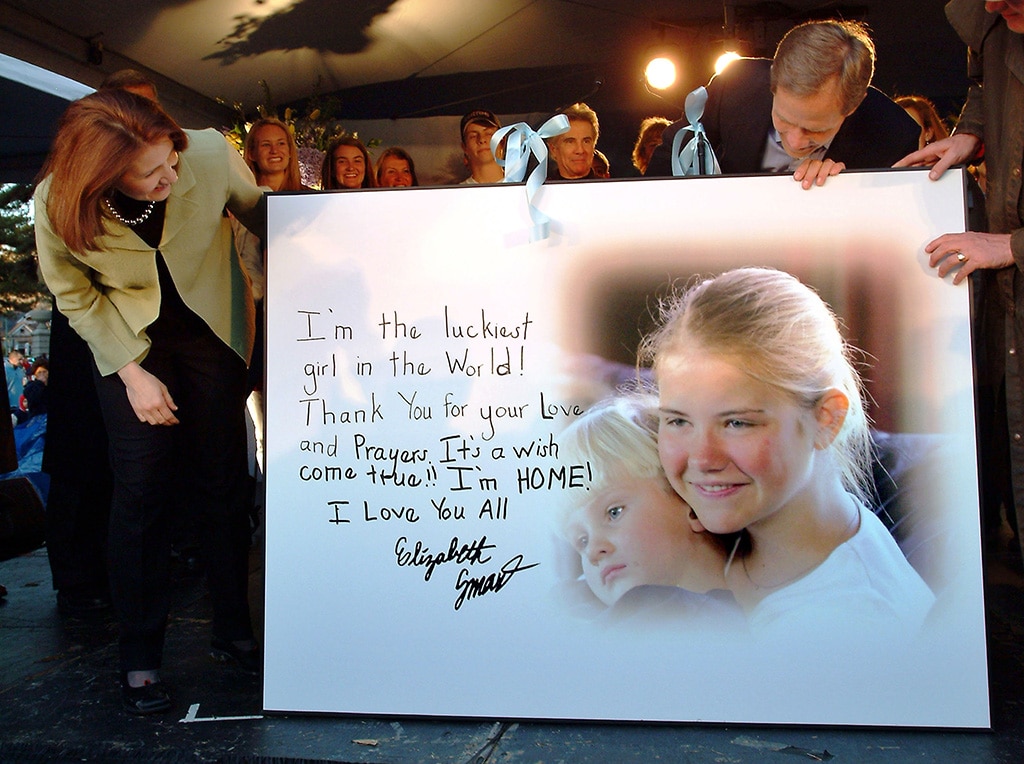
Police Sergeant Victor Quezada of Sandy City received a report about Mitchell’s location and then spotted him in his patrol car with two women. One of the women appeared much younger than the other.
“I was hesitant to believe it would turn out to be true,” he said in the doc.
Elizabeth explained that the officer repeatedly asked if she wanted to go home, but her kidnappers were nearby. She was scared and felt she had to choose the safest possible response.
Quezada explained that he eventually asked the girl to simply say she was Elizabeth, telling her it was important for both the country and her family. She responded with a phrase he’d never heard before – “Thou sayeth.” He jokingly took it as confirmation, assuming she meant yes.
Elizabeth recalled being silent when she saw her dad again at the police station, even after they were finally together.
I hesitated to answer because I was scared I’d done something wrong. Then I saw my dad, and knowing he was there to protect me and would never leave me, I felt relieved.
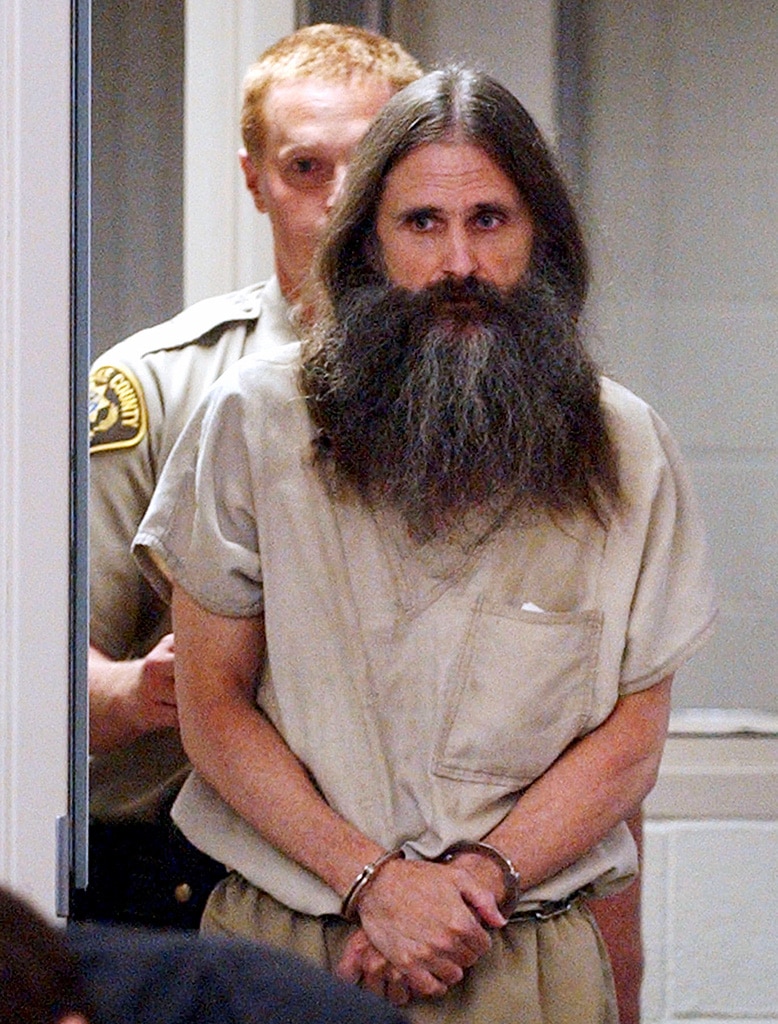
Mitchell claimed he wasn’t responsible for his actions due to mental illness. However, on December 11, 2010, a jury convicted him of kidnapping a child and taking them across state lines for sexual exploitation.
The man received a life sentence, meaning he will never be released from prison. After being attacked multiple times while incarcerated, the 72-year-old was moved in October 2025 from a high-security prison in Terre Haute to a medium-security facility in Lewisburg, Pennsylvania, as reported by Indiana Public Media.
In 2009, Barzee, then 79 years old, admitted to kidnapping a child and illegally taking them across state lines in federal court. She also pleaded guilty to conspiring to commit aggravated kidnapping in state court. As a result, she received a 15-year sentence, to be served concurrently in both state and federal prisons.
Hearing her speak in court just broke my heart. She directly apologized to Elizabeth and her family for all the hurt she caused, and genuinely asked for forgiveness. It was a raw moment, and I really hope Elizabeth can find a way to accept her apology someday. It felt like a sincere plea for understanding.
Despite objections from the Smart family, Barzee was released in September 2018.
I couldn’t believe it when I heard! She was arrested back in May 2025, apparently for going to parks in Utah. They charged her with being a sex offender and going where she wasn’t supposed to. Thankfully, People magazine said she was let out of jail with some conditions – she has to check in with the Salt Lake City Police every week. I’ve been following everything so closely, it’s just… a lot.

Elizabeth is a skilled harpist who graduated from Brigham Young University with a degree in music.
She met her future husband, Matthew Gilmour, while serving a mission for her church in Paris. He is originally from Scotland. They were married in Hawaii on February 18, 2012, and now have three children together.
In her book, Kidnapped, Elizabeth explained that as time went on, she started sharing her story with others. She believed it was important to use her experience to make a positive impact on the world.
Besides being a public speaker, she’s also written several books and made films detailing her own kidnapping and the experiences of other victims.
She admitted to having ups and downs, but shared that she’s learned to be kinder to herself. Instead of dwelling on past mistakes and criticizing herself with thoughts like ‘I should have…’ or ‘I could have…’, she now encourages herself with positive affirmations like ‘You’ve got this,’ ‘You can do it,’ and ‘You’re strong enough to keep going.’
Read More
- Adam Levine Looks So Different After Shaving His Beard Off
- After AI Controversy, Major Crunchyroll Anime Unveils Exciting Update
- Trails in the Sky 2nd Chapter launches September 17
- Bitcoin’s Rollercoaster: Will the Crypto Crown Its Lost Roving Glory?
- How Could We Forget About SOL Shogunate, the PS5 Action RPG About Samurai on the Moon?
- Xbox Game Pass Users “Blown Away” by New Exclusive Game
- Dialoop coming to Switch on June 17
- More Expensive Than Ever, But Saros Will Put PS5 Pro to Work
- Upcoming Movie Based on 10/10 Fantasy Masterpiece Gets a Release Date & Exciting Cast Update
- Why is Tech Jacket gender-swapped in Invincible season 4 and who voices her?
2026-04-22 00:49