The late 1990s were a pivotal time for video games. Developers were increasingly moving towards 3D graphics, new game types were emerging, and classic characters were being reinvented. Nintendo was at the forefront of this change, releasing critically acclaimed titles like The Legend of Zelda: Ocarina of Time. But there was another game they released around this time that, while perhaps not as immediately popular, ultimately laid the groundwork for one of the most expansive and successful franchises in gaming history.
Released on April 26, 1999, for the Nintendo 64, Super Smash Bros. offered a fresh take on fighting games. Unlike traditional 2D fighters, it blended platforming elements with fighting, creating a whole new style of gameplay. While it initially appeared to be a simple fighting game featuring beloved Nintendo characters, no one could have foreseen its lasting impact and how it would eventually unite some of gaming’s most iconic figures.
Super Smash Bros.’ Humble Beginning Changed Everything
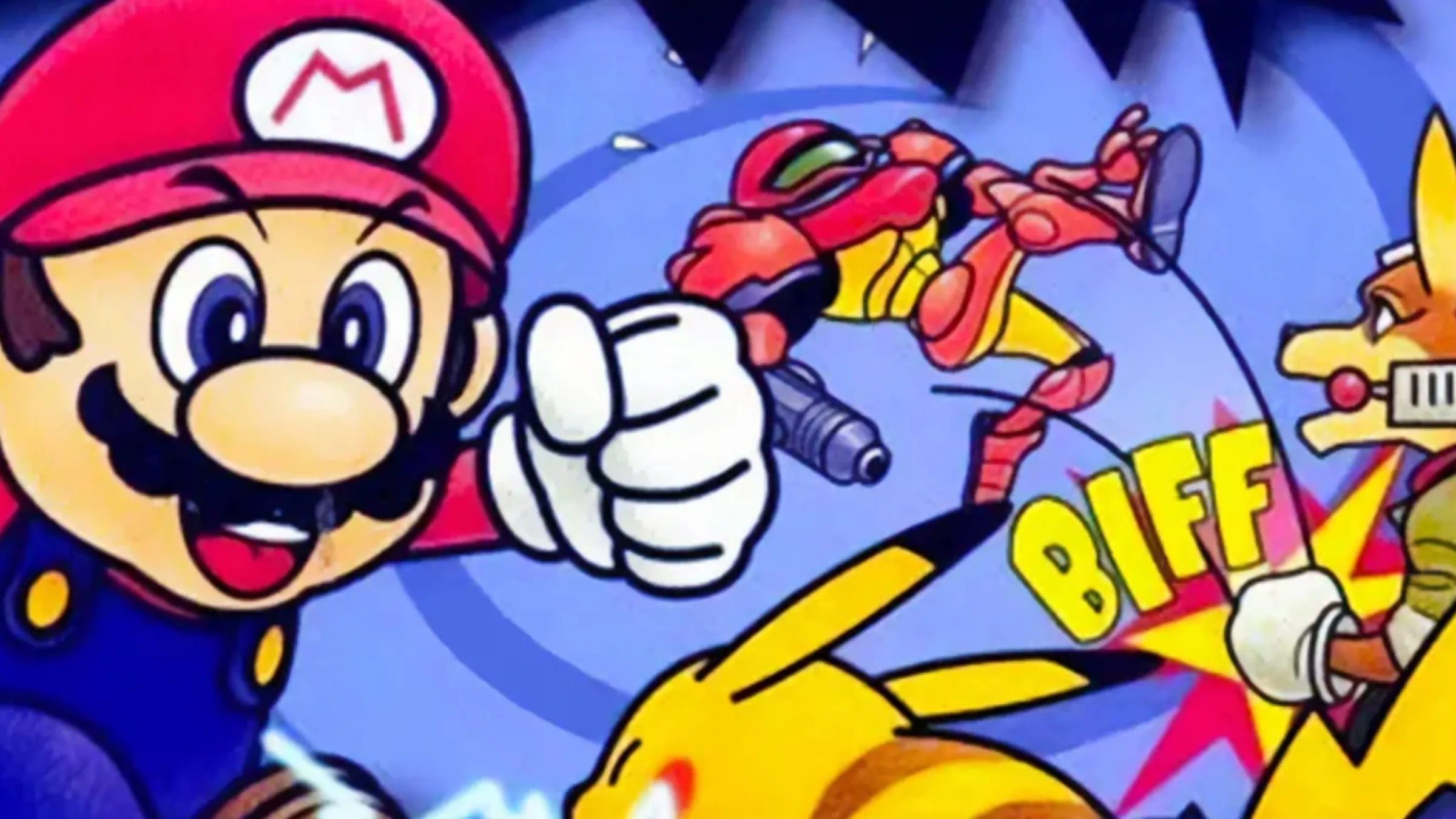
The original Super Smash Bros. on Nintendo 64 didn’t immediately feel like a huge deal. It had a small number of characters and stages, and the gameplay was pretty simple: characters like Mario, Link, and Pikachu battling on platforms. While it was a fresh take on fighting games back then, it wasn’t groundbreaking. Looking at it now, the graphics and controls definitely feel outdated.
Those were definitely good times. I used to spend hours playing with my brother. I mostly played as Link and Yoshi, until I unlocked Jigglypuff. What really made the game unique was seeing characters from completely different worlds interacting with each other. Unlike other fighting games that focus on depleting health, Super Smash Bros. was all about knocking opponents off the stage, and the fun came from seeing characters like Mario and Pikachu battle it out.
Honestly, when I first heard about this crossover, I didn’t think much of it because it was all Nintendo characters. But looking back, it was huge! It really kicked things off and eventually led Nintendo to start including characters from other franchises too. Super Smash Bros. showed everyone that these kinds of crossover fighting games could actually be amazing, and people loved seeing their favorite characters all together. If it hadn’t been successful, I don’t think we’d have the incredible series we have today.
Expanding Beyond Nintendo
The Super Smash Bros. series quickly improved with games like Melee and Brawl, becoming faster-paced and more complex. Each new game added more characters and more interactive stages, building on what came before in a really engaging way. Super Smash Bros. Brawl for the Wii was a turning point, though. While it continued adding new characters, Nintendo initially focused on characters from its own franchises. That all changed with the next installment, which surprised everyone.
I was really surprised when Solid Snake and Sonic the Hedgehog were announced for Super Smash Bros. Brawl. Even though I wasn’t a fan of either game, it was unbelievable to see characters from other companies appear in a Nintendo title. This changed what Smash Bros. was all about. It went from being a game that just brought Nintendo characters together to a celebration of all video games. It was rare to see developers from different companies working on the same project at such a large scale, and it really raised the bar for collaboration in the gaming industry.
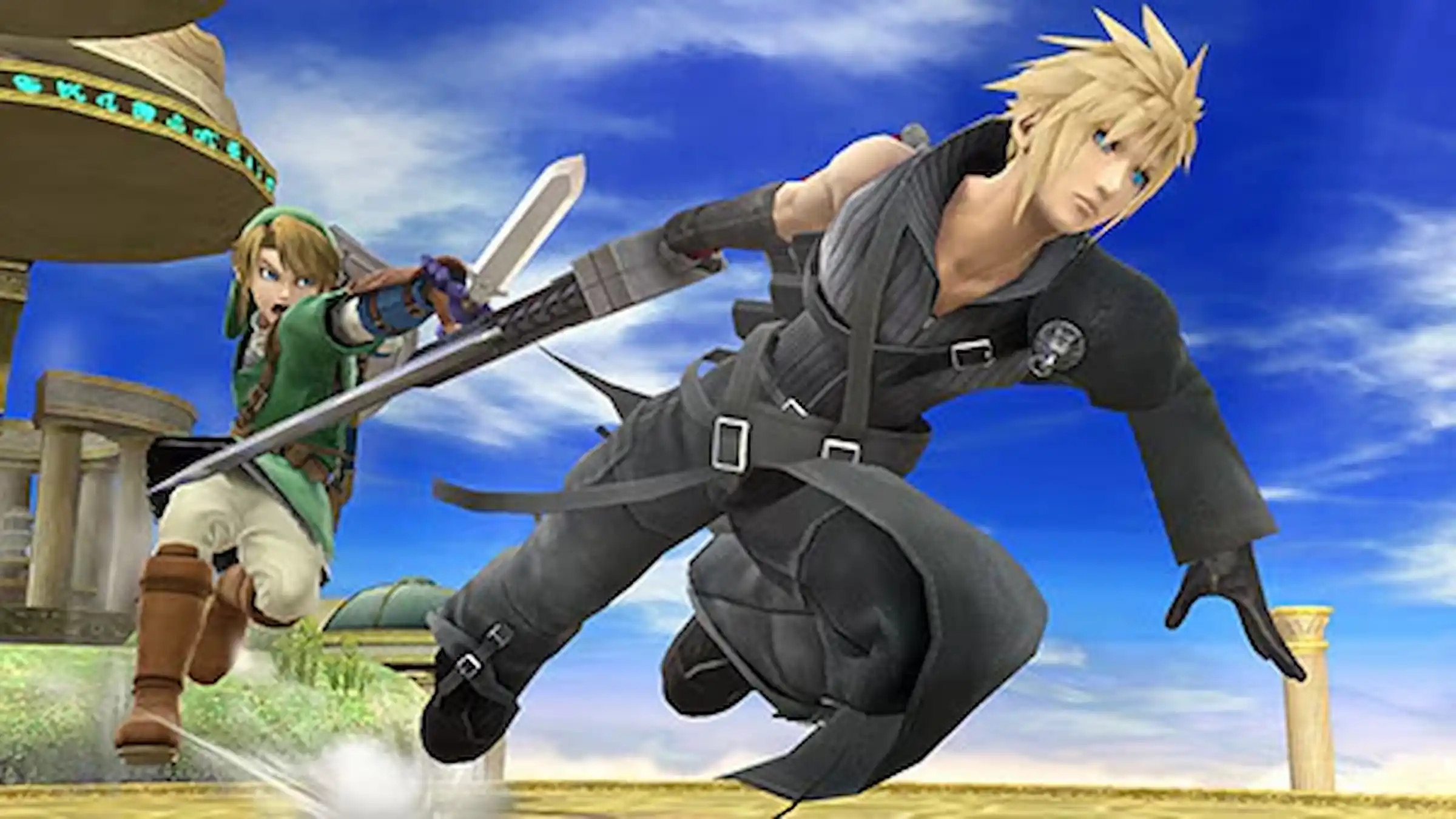
With Super Smash Bros. for Wii U + 3DS, the game kept adding popular characters from other franchises. This included Mega Man, Pac-Man, Ryu, and even Cloud Strife – a particularly surprising addition that highlighted the series’ influence on gaming. Fans began eagerly anticipating future character reveals, and speculation ran wild about who might appear in the next Super Smash Bros. game. Online polls and discussions abounded, but the actual character list for Super Smash Bros. Ultimate still managed to surprise everyone.
Super Smash Bros. Ultimate Is Peak Crossover
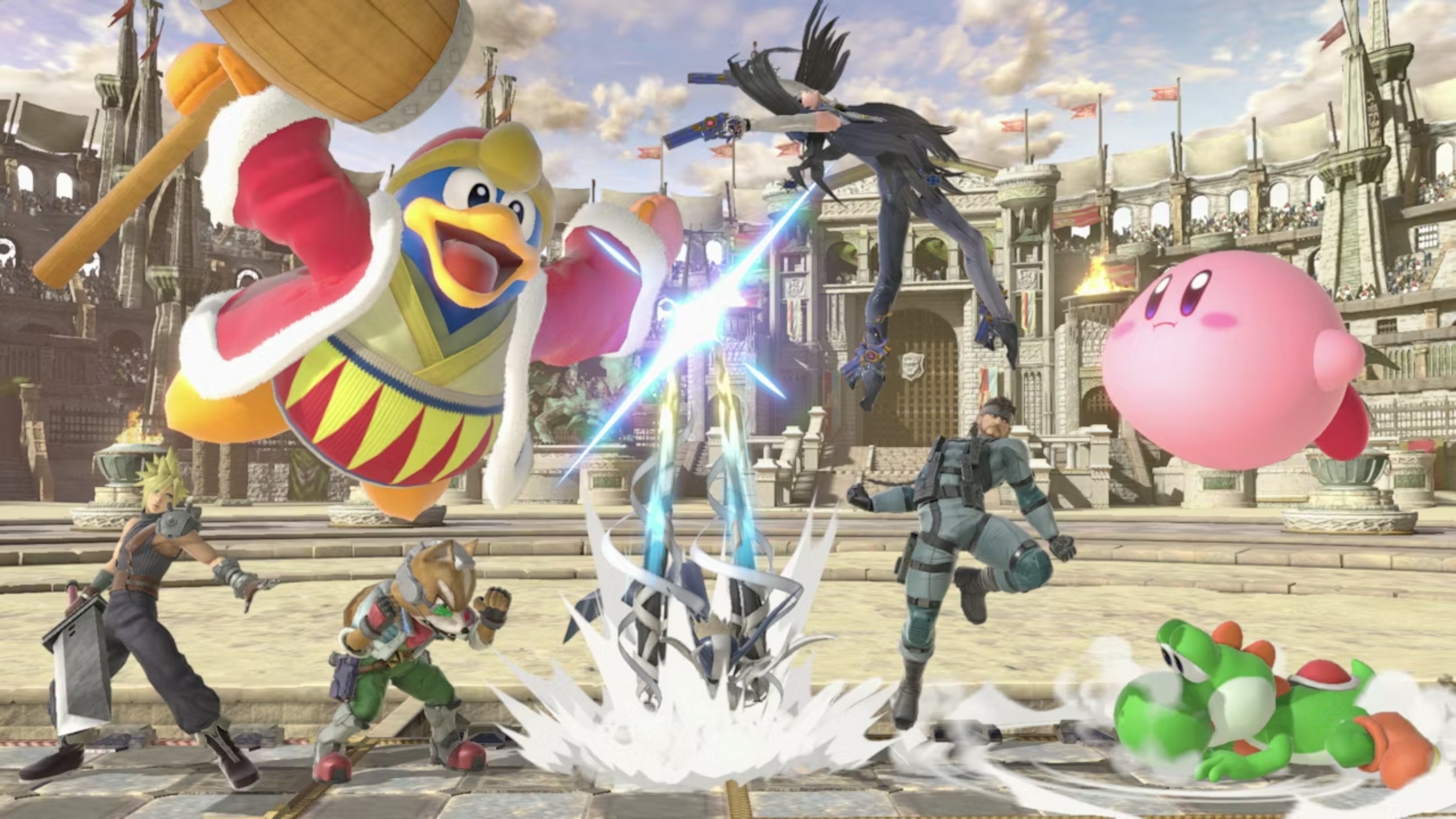
All this development culminated in Super Smash Bros. Ultimate, released for the Nintendo Switch. The game took the series to a new level, exceeding all expectations. Its slogan, “Everyone is here,” wasn’t just a marketing ploy; it meant that every character from past games would return, along with many new faces from gaming history. Nintendo included characters not only from its own franchises, but also a record number of characters from other companies.
Characters like Ken, Simon and Richter Belmont, Joker, Banjo & Kazooie, Terry Bogard, Minecraft Steve, Sephiroth, Kazuya Mishima, and Sora faced off against Nintendo’s famous fighters in Super Smash Bros. Ultimate. Playing the game was like visiting a video game history museum, bringing together characters from incredibly popular franchises. While Fortnite also features crossovers, it doesn’t quite reach the same impressive level as Ultimate.
Looking back at the time before Super Smash Bros. Ultimate came out feels totally surreal. Each character announcement was a huge deal, and the conversations afterward really showed how much this series means to all of us. It wasn’t just about a new fighting game; it felt like a celebration of video games in general, uniting fans from all sorts of different communities. And on top of that incredible roster, the gameplay in Ultimate just felt perfect – easy enough for newcomers to pick up, but with tons of depth for those of us who’ve been playing for years.
What’s truly remarkable about this game is how well everything works together. Ultimate has solid controls, fair gameplay, and a clear vision, avoiding shortcuts by focusing on quality instead of just relying on popular characters. Every character, whether a Nintendo classic or a newcomer, is clearly made with care and stays true to its original game. This combination of grand ideas and skillful execution is what makes Super Smash Bros. stand out from other crossover games and establishes it as one of the most ambitious series ever created.
What do you think? Leave a comment below and join the conversation now in the ComicBook Forum!
Read More
- Adam Levine Looks So Different After Shaving His Beard Off
- Gold Rate Forecast
- Tekken 8 Fans Furious as Tifa Tipped for Street Fighter 6 Instead
- From season 4 release schedule: When is episode 2 out on MGM+?
- Steam Makes Sci-Fi Game 100% Free for 72 Hours
- Nintendo Switch 2 Reportedly Getting Remake of One of the Best PS3 and Xbox 360 Games
- Welcome to Demon School! Iruma-kun season 4 release schedule: When are new episodes on Crunchyroll?
- Dialoop coming to Switch on June 17
- 10 Movies That Were Banned in Different Countries For Random Reasons
- FRONT MISSION 3: Remake coming to PS5, Xbox Series, PS4, Xbox One, and PC on January 30, 2026
2026-04-26 19:43