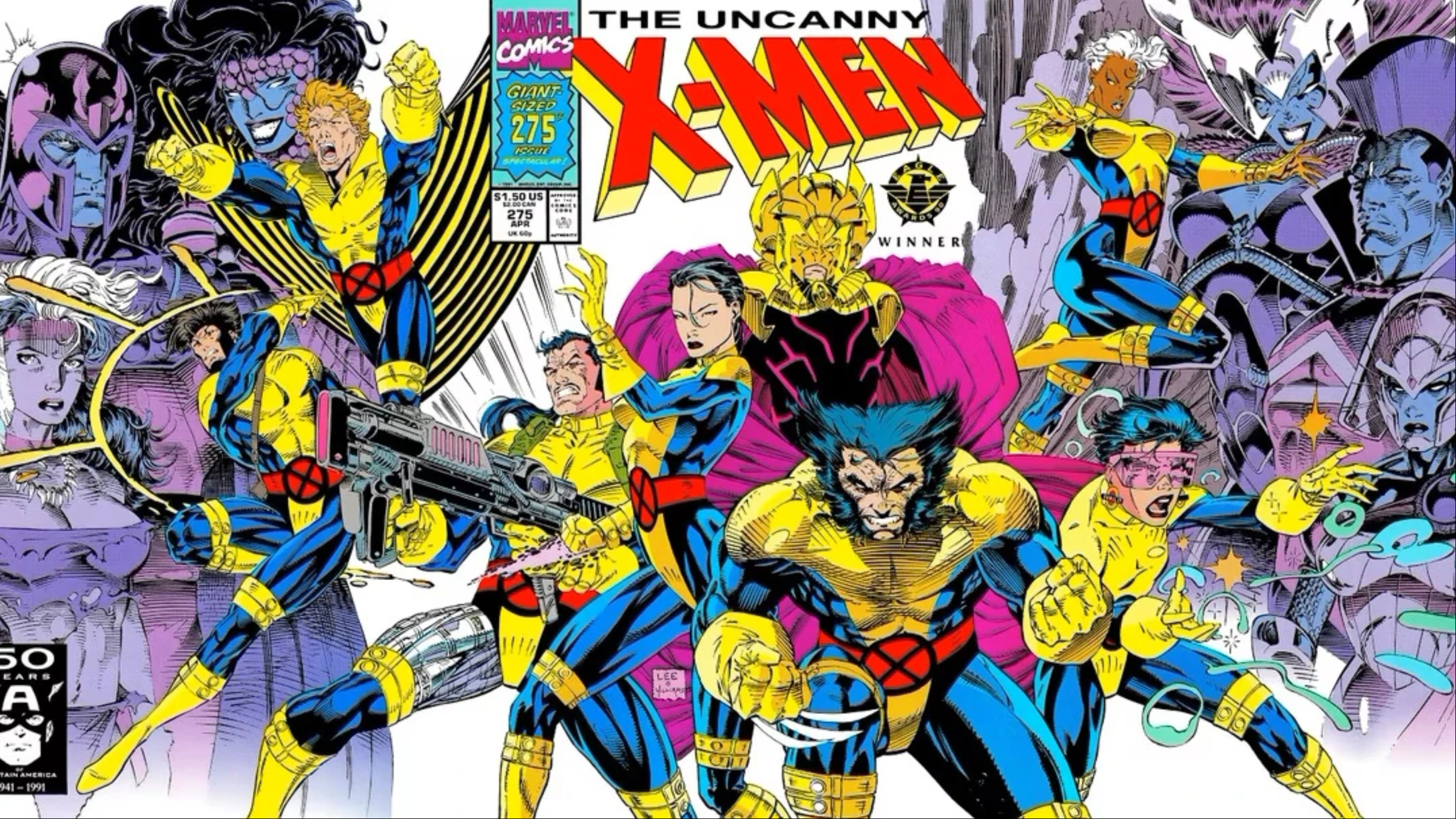
During the Silver Age, Marvel Comics revolutionized the superhero genre, crafting characters that truly resonated with audiences. Unlike earlier heroes, Marvel’s felt more human and relatable, fostering a strong connection with fans. This success began with a talented team – Stan Lee, Jack Kirby, Steve Ditko, and others – who created compelling heroes and villains. However, following such iconic work can be challenging. Sometimes, later creators hesitate to take risks, preferring to stick with established formulas. But other times, they’ve built upon that foundation, reinventing characters and keeping the universe fresh and exciting.
Certain comic creators left a lasting impact, completely reimagining beloved Marvel characters and teams. Their work has become legendary, passed down through generations of fans. These ten comics showcase how they elevated these iconic characters to new heights.
10) New Mutants (Vol. 1) #55-97
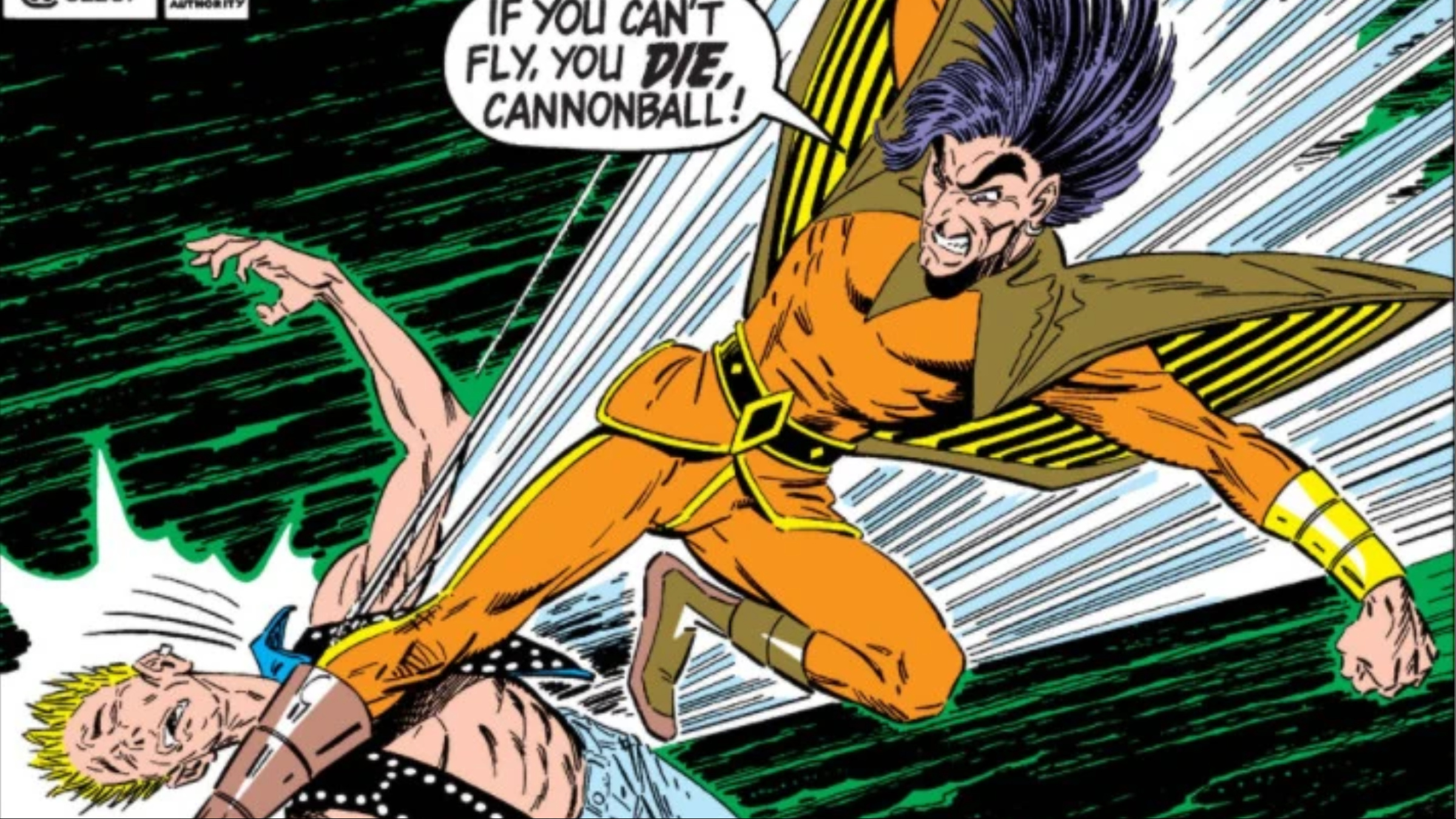
The New Mutants are iconic, and a lot of that is thanks to Louise Simonson. While Chris Claremont is often credited with making the X-Men so popular in the ’80s and ’90s, Simonson deserves recognition too. She worked with Claremont as an editor and then significantly shaped the New Mutants. Her work on the title paved the way for their future success as X-Force and was instrumental in launching Rob Liefeld’s career – and the book remained consistently good during her tenure, even as Liefeld’s role grew. Ultimately, she played a vital role in defining the team we know today.
9) Thor (Vol. 1) #337-382
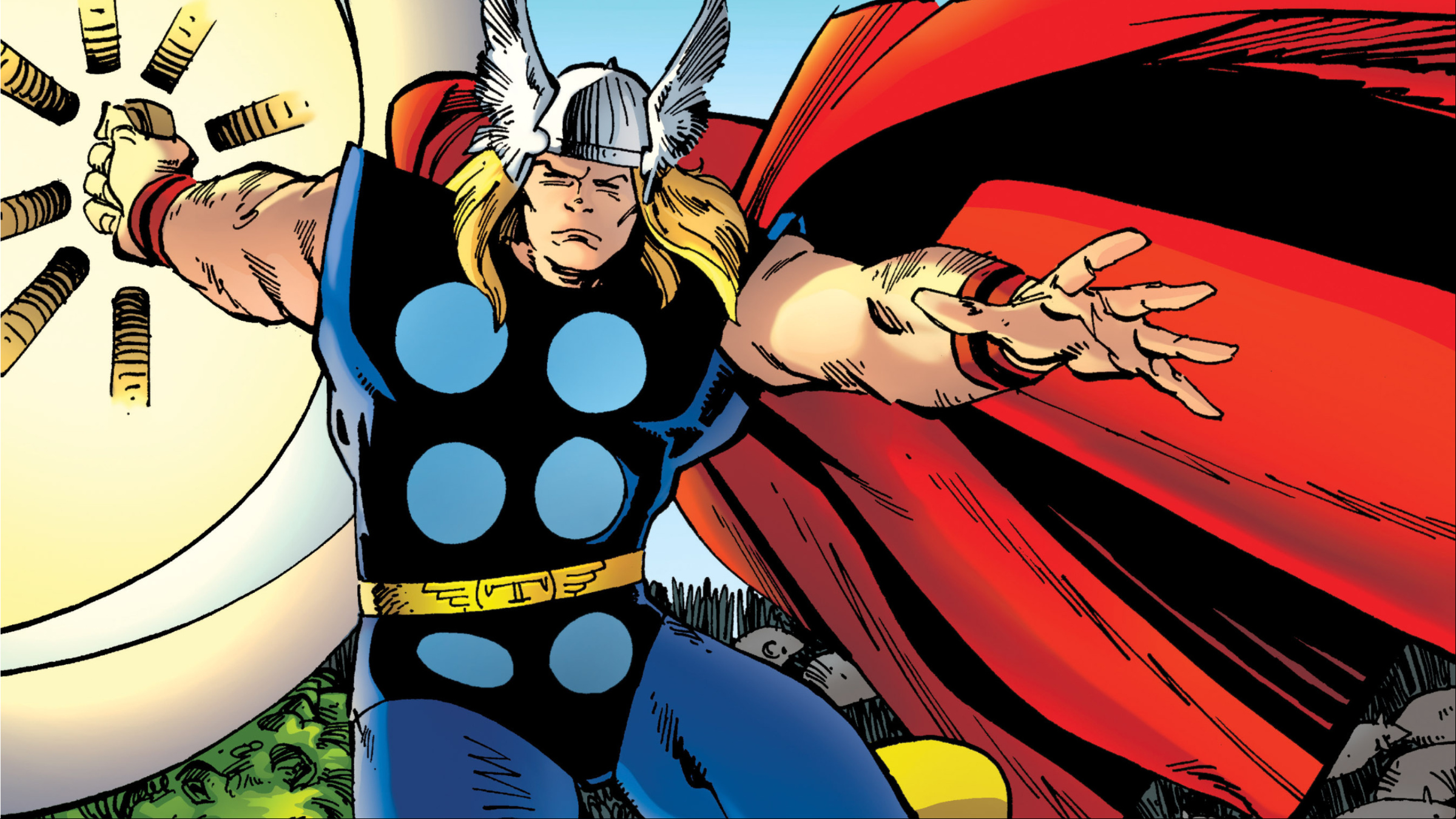
Walt Simonson is a legendary comic book writer and artist, and his work on Thor is a major reason why he’s so well-known. While Thor was originally intended to blend science fiction and mythology—two things creator Jack Kirby loved—Simonson emphasized the mythological aspects. His run on the title introduced the epic Ragnarok storyline and the popular character Beta Ray Bill, significantly shaping Thor for years to come. It’s essential reading for anyone interested in strong character development, solidifying Thor’s place as Marvel’s most formidable hero.
8) Captain Marvel (Vol. 7) #1-17
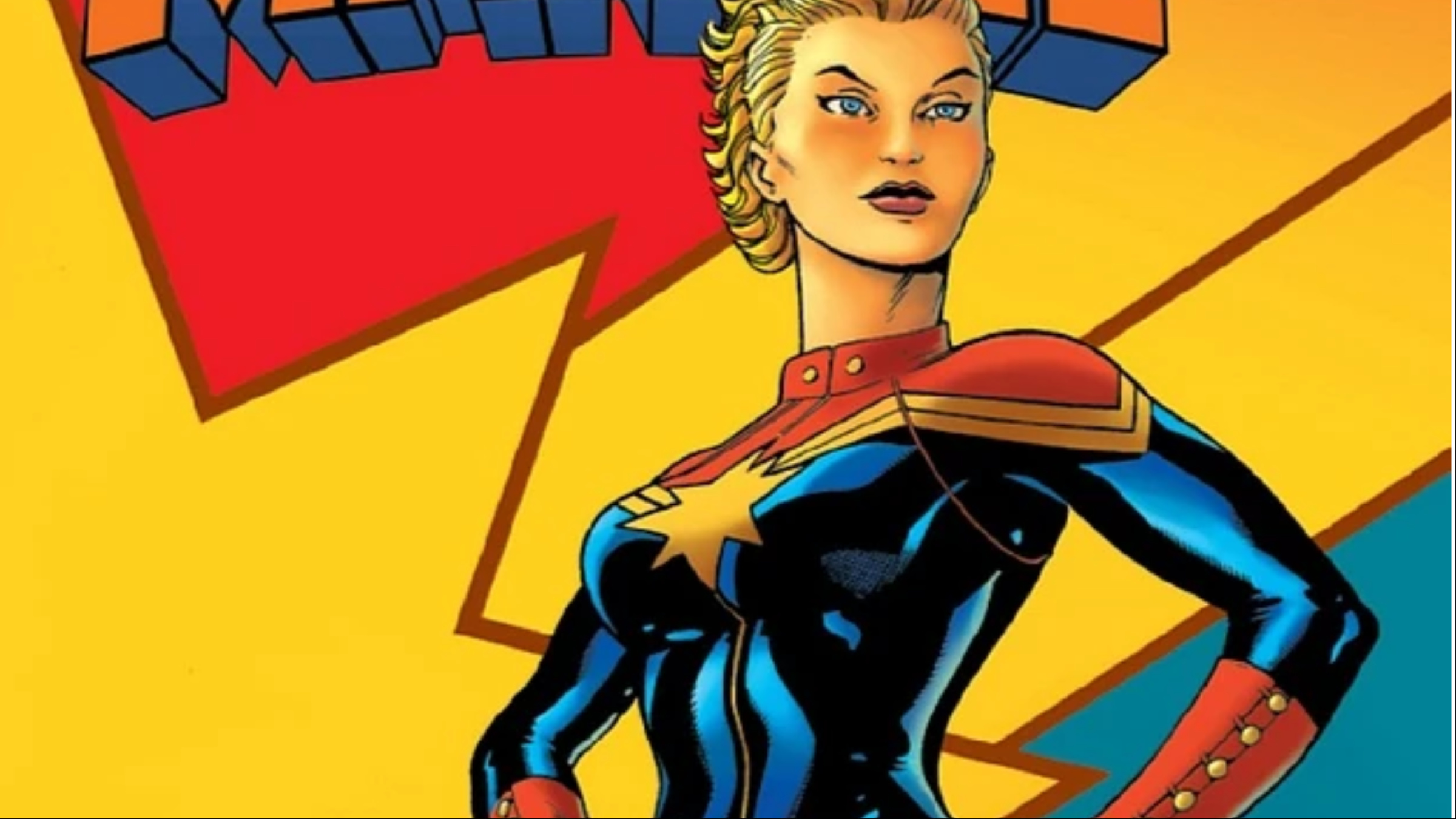
Carol Danvers, originally known as Ms. Marvel, had been a Marvel hero for years, even as a member of the Avengers in the late 1970s and early 1980s. However, she never quite reached A-list status. That changed in the mid-2010s when Marvel began promoting characters they had the film rights to. Writer Kelly Sue DeConnick’s work on Captain Marvel (Vol. 7), issues #1-17, gave Carol the opportunity to become a major star. Transforming her into the new Captain Marvel was a significant move, and DeConnick brilliantly established her in the role. Though the run was relatively short, it’s considered one of the most important periods in Carol’s history.
7) Hawkeye (Vol. 4) #1-22

Hawkeye has always been a key member of the Avengers, but he hasn’t gotten as much attention in his own solo comics as some other heroes. While he’s had several good miniseries, none stood out like Hawkeye (Vol. 4) #1-22. This series, created by writer Matt Fraction and artist David Aja, was a huge success. It captured everything fans loved about the character and brought it to life in a compelling solo comic. It proved Hawkeye was more than just the witty, sarcastic teammate, and showed readers a whole new side of him, fully exploring what made him so popular.
6) Daredevil (Vol. 2) #26-81
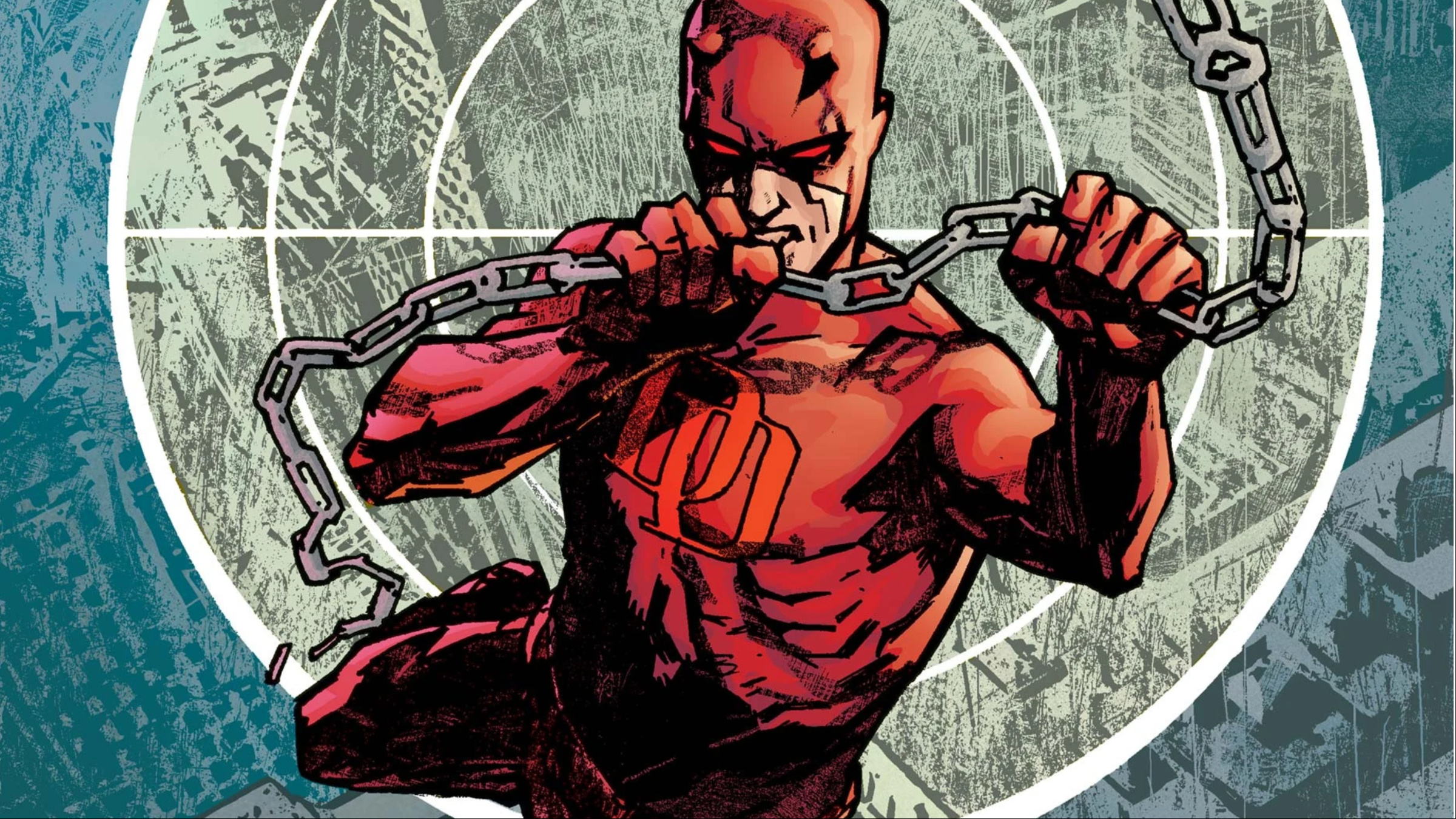
Daredevil is a legendary Marvel hero, known for consistently excellent storylines. A particularly celebrated run of the comic came from writer Brian Michael Bendis and artist Alex Maleev, spanning issues 26 through 81 of Daredevil (Vol. 2). While Bendis had previously worked on the character, Maleev’s artwork was the perfect addition. Together, they revitalized the concept of Daredevil’s secret identity being exposed, crafting a complex and realistic story that explored the lengths Matt Murdock would go to in order to protect himself and those he cared about. This run built upon Daredevil’s history while also taking the character in bold new directions that resonated with fans.
5) New X-Men #114-154

At the start of the 21st century, the X-Men were facing challenges. The popularity they enjoyed in the 1990s had faded, and many fans had lost interest. To revitalize the team, Marvel brought in writer Grant Morrison. He revamped the X-Men comic (Volume 2), renaming it New X-Men, and introduced bold new ideas. Morrison built on classic X-Men themes, taking the team in exciting and innovative directions. New X-Men essentially defined the team’s direction for the 21st century, and subsequent storylines have continued to draw inspiration from its concepts.
4) Daredevil (Vol. 1) #158-191
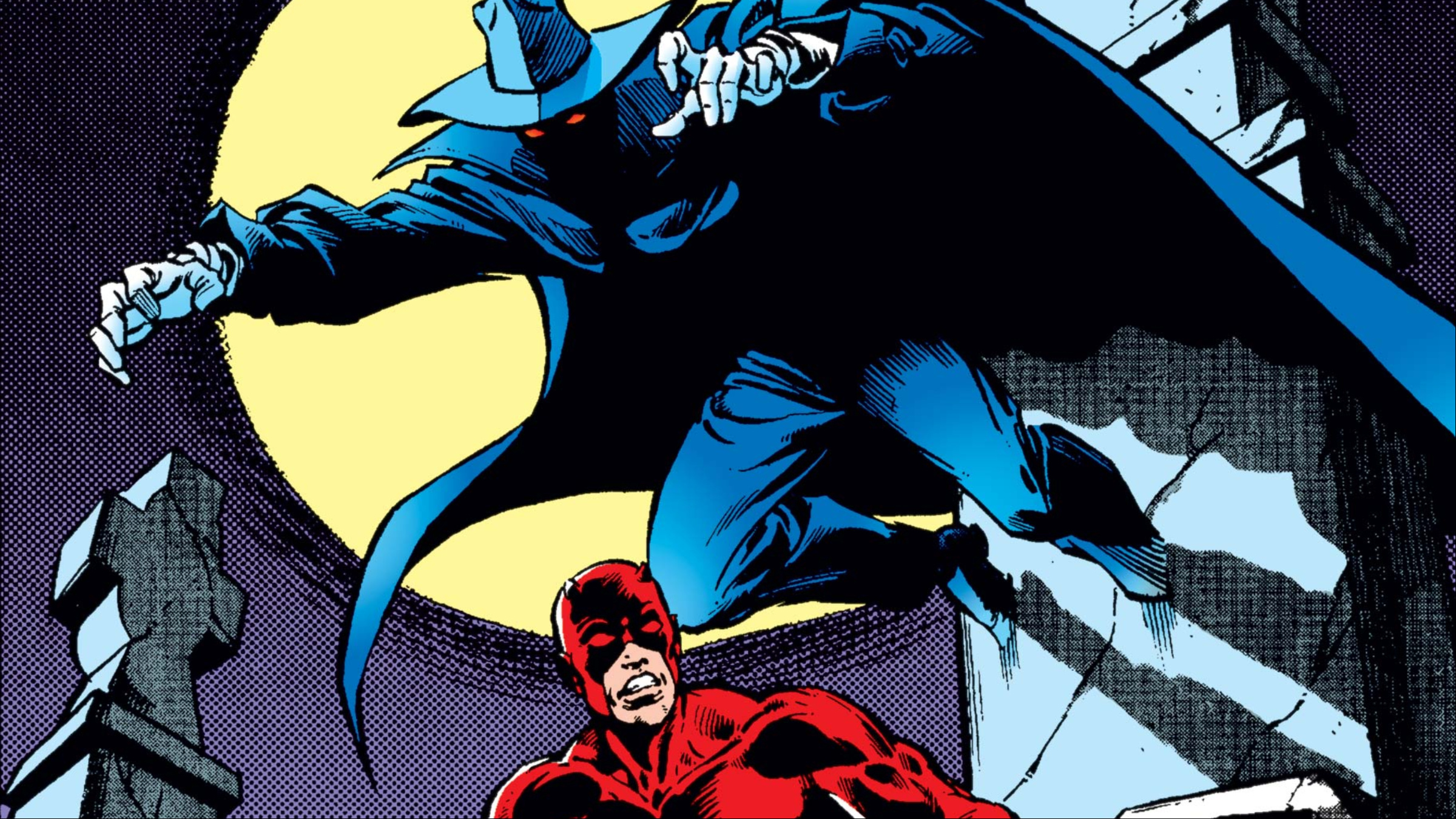
Before Frank Miller revitalized Daredevil, the character was a fairly typical, lighthearted crime fighter, much like Spider-Man often was. Miller delved into Daredevil’s painful history, transforming him into a much more brooding and layered hero. If you enjoy Daredevil, it’s likely due to Miller’s influence. His work essentially redefined the character, creating the modern version we know today and heavily influencing every subsequent Daredevil storyline, rescuing it from its somewhat simplistic origins.
3) The Incredible Hulk (Vol. 1) #331-467
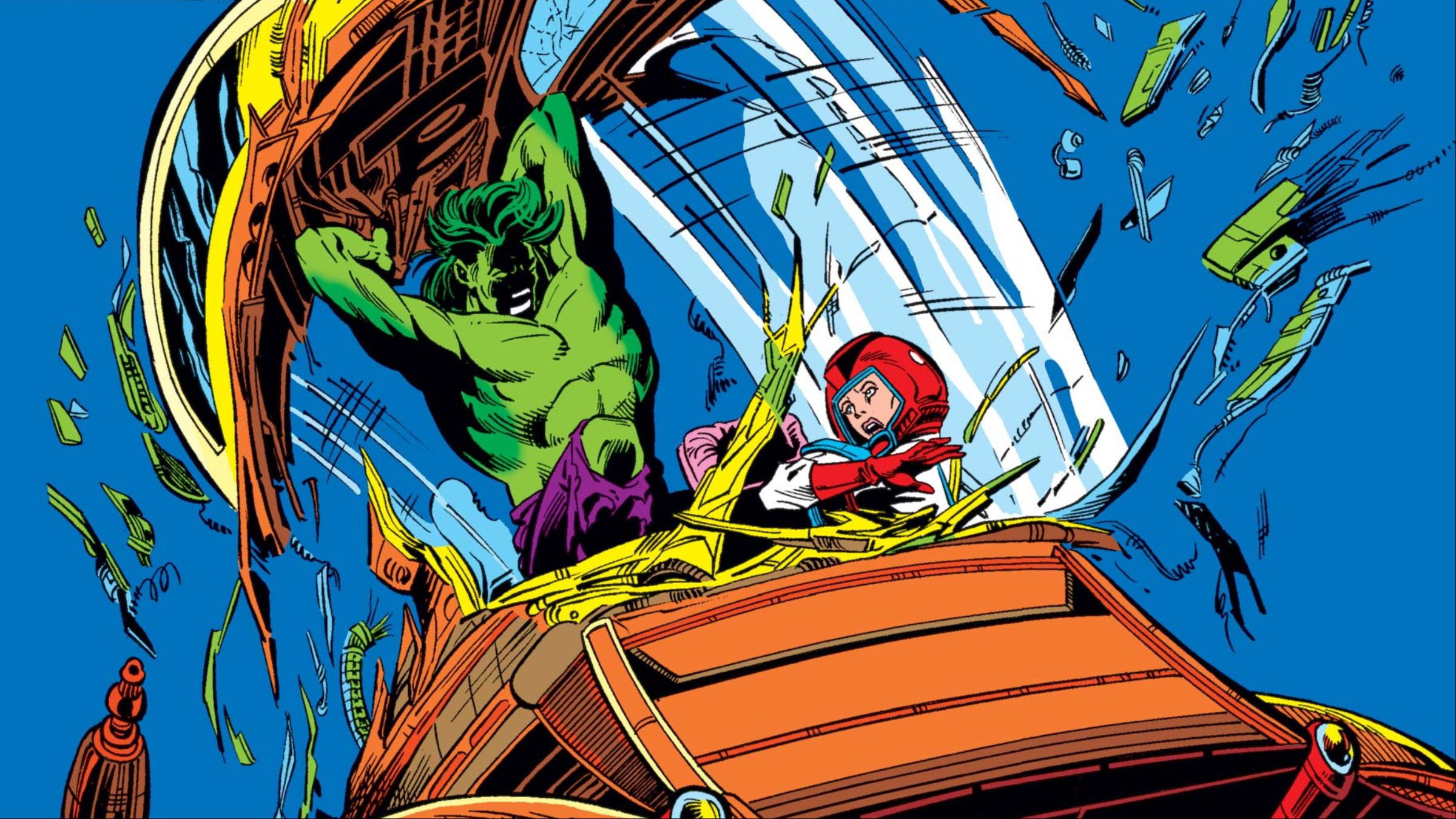
As a comic book fan, I can confidently say Peter David is a true master of the medium. He has an incredible gift for taking any character and making them truly compelling, and his work on the Hulk is a perfect example. He wrote the character for twelve years, from issue #331 to #467, and during that run, he didn’t just write the Hulk, he fundamentally redefined him. What’s really brilliant is how he used Bruce Banner’s childhood trauma to explore different facets of the Hulk’s personality – essentially creating multiple Hulks, each representing a different way Banner coped with his pain. He consistently took the character in fresh, exciting directions, and kept innovating until the very end of his run. It’s a truly remarkable achievement.
2) The Amazing Spider-Man #111-149
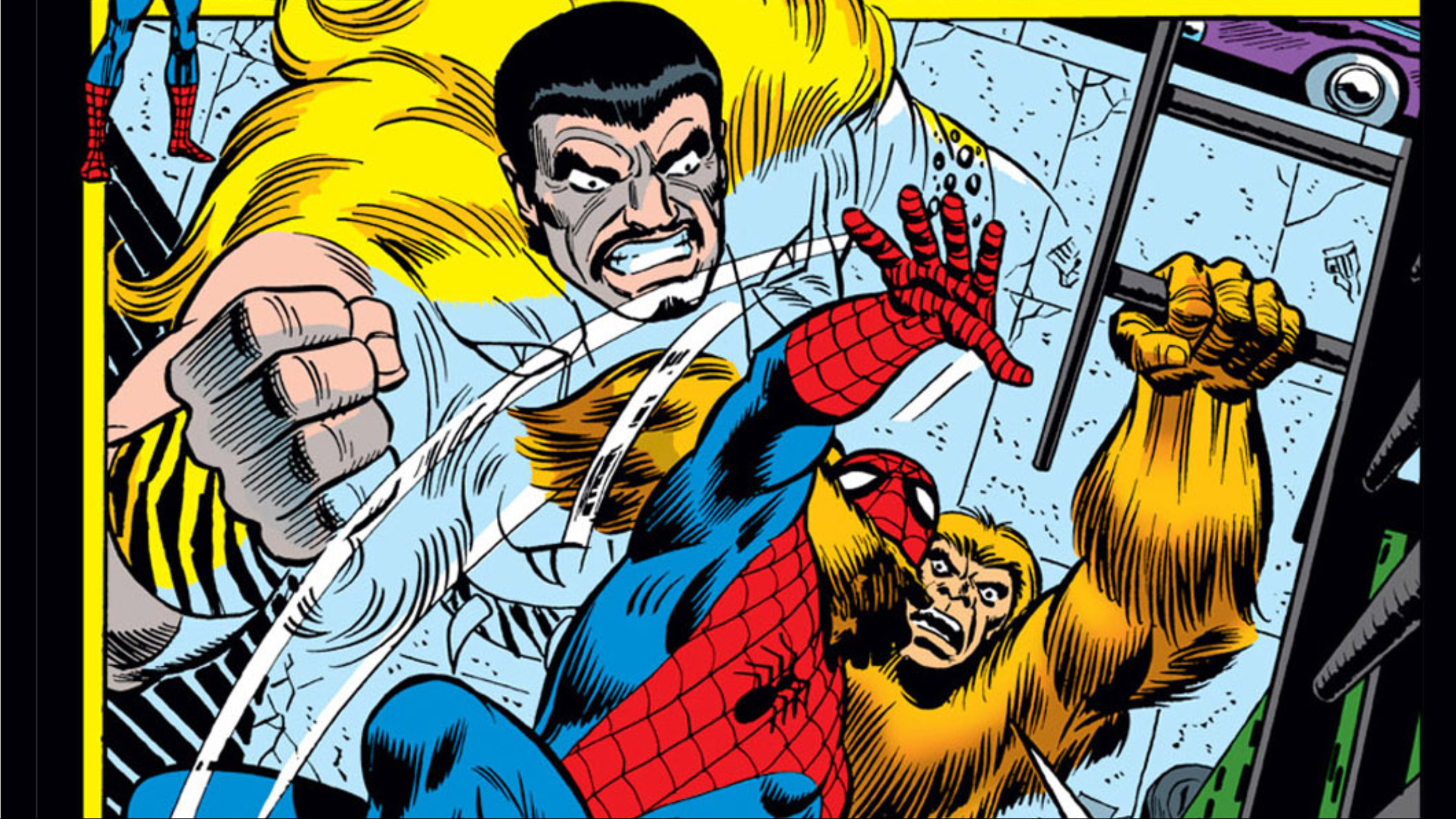
Stan Lee created Spider-Man and wrote the first 110 issues, launching the character’s success. He then passed the series, The Amazing Spider-Man, to Gerry Conway with issue #111, who continued the story for another 39 issues. Conway inherited a more established hero and focused on developing him further, all while maintaining exciting adventures. A key part of Conway’s run was the impactful decision to kill off Gwen Stacy and begin a shift towards Mary Jane Watson, fundamentally altering the character. Ultimately, Conway guided Spider-Man into a more mature phase and delivered some of the most memorable stories in the character’s history.
1) Uncanny X-Men (Vol. 1) #94-279
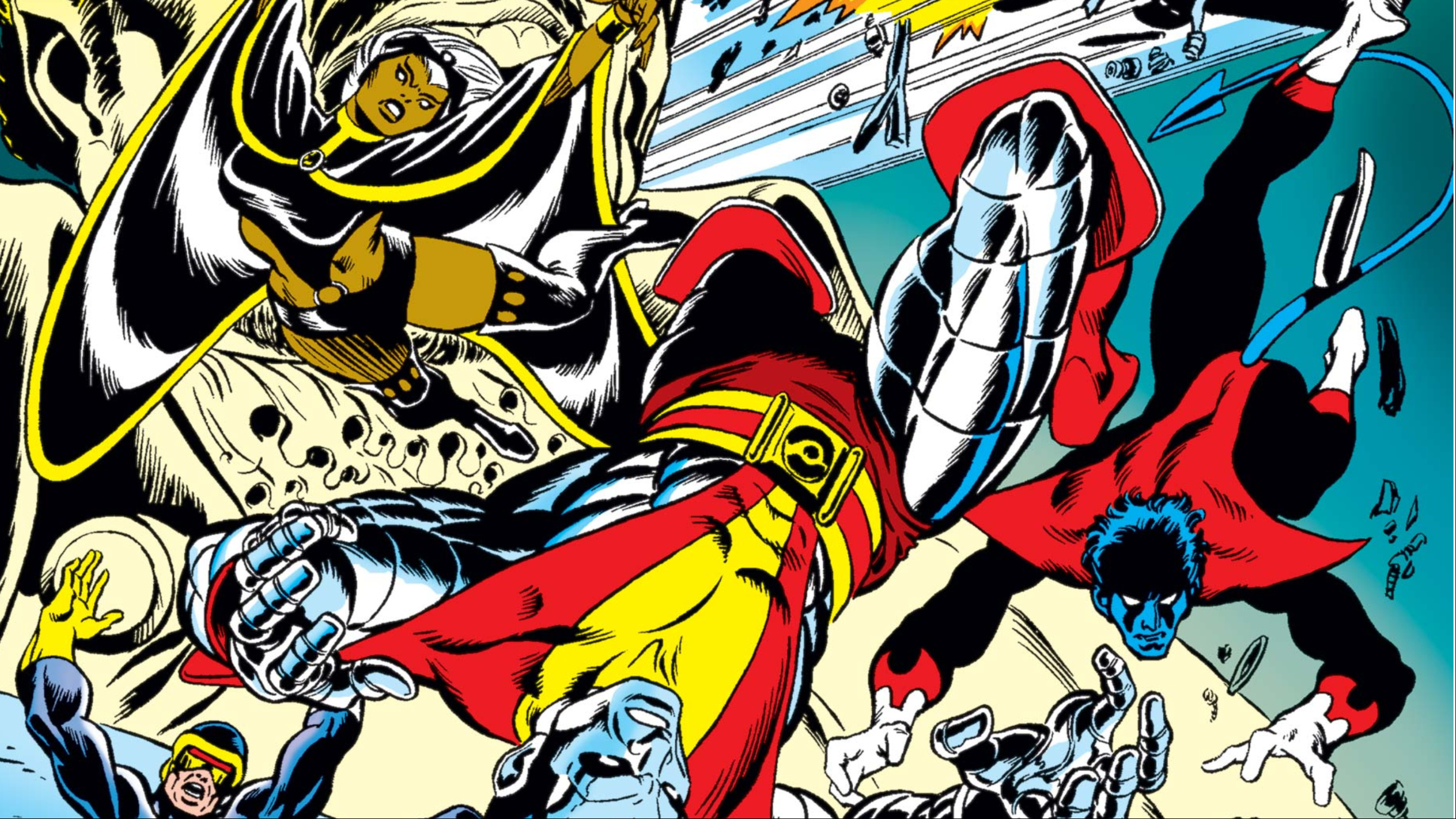
The X-Men initially struggled in the early years of Marvel Comics, eventually becoming a book that simply re-printed old issues with #67. However, in 1974, a special oversized issue, Giant-Size X-Men #1, breathed new life into the team. This led to writer Chris Claremont taking over with X-Men #94 and, for the next 17 years, he transformed them into the most popular team in comics. Claremont consistently reinvented the X-Men, exploring new storylines every few years. He elevated them to superstar status, collaborating with top artists to create some of the most memorable issues ever. Essentially, he established everything fans love about the X-Men and launched them on their path to becoming iconic.
https://comicbook.com/comics/list/marvel-comics-10-greatest-threats-to-earth/embed/#
Read More
- Gold Rate Forecast
- 10 Movies That Were Banned in Different Countries For Random Reasons
- Nintendo Switch 2 Reportedly Getting Remake of One of the Best PS3 and Xbox 360 Games
- Welcome to Demon School! Iruma-kun season 4 release schedule: When are new episodes on Crunchyroll?
- Michael Jackson Biopic’s Record-Breaking Debut Unseats 2026’s Biggest Box Office Hit On U.S. Chart
- 9 Great Supernatural Characters Everyone Forgot About
- All 61 Episodes 90s Cult Classic Sci-Fi TV Show That Was Famously Canceled Twice Were Just Added to Tubi
- Taylor Sheridan’s Gritty 5-Part Crime Show Reveals New Final Season Villain
- EUR JPY PREDICTION
- Did Lauren Sánchez Bezos Hint at Baby Plans With Jeff Bezos? The Truth
2026-04-28 21:50