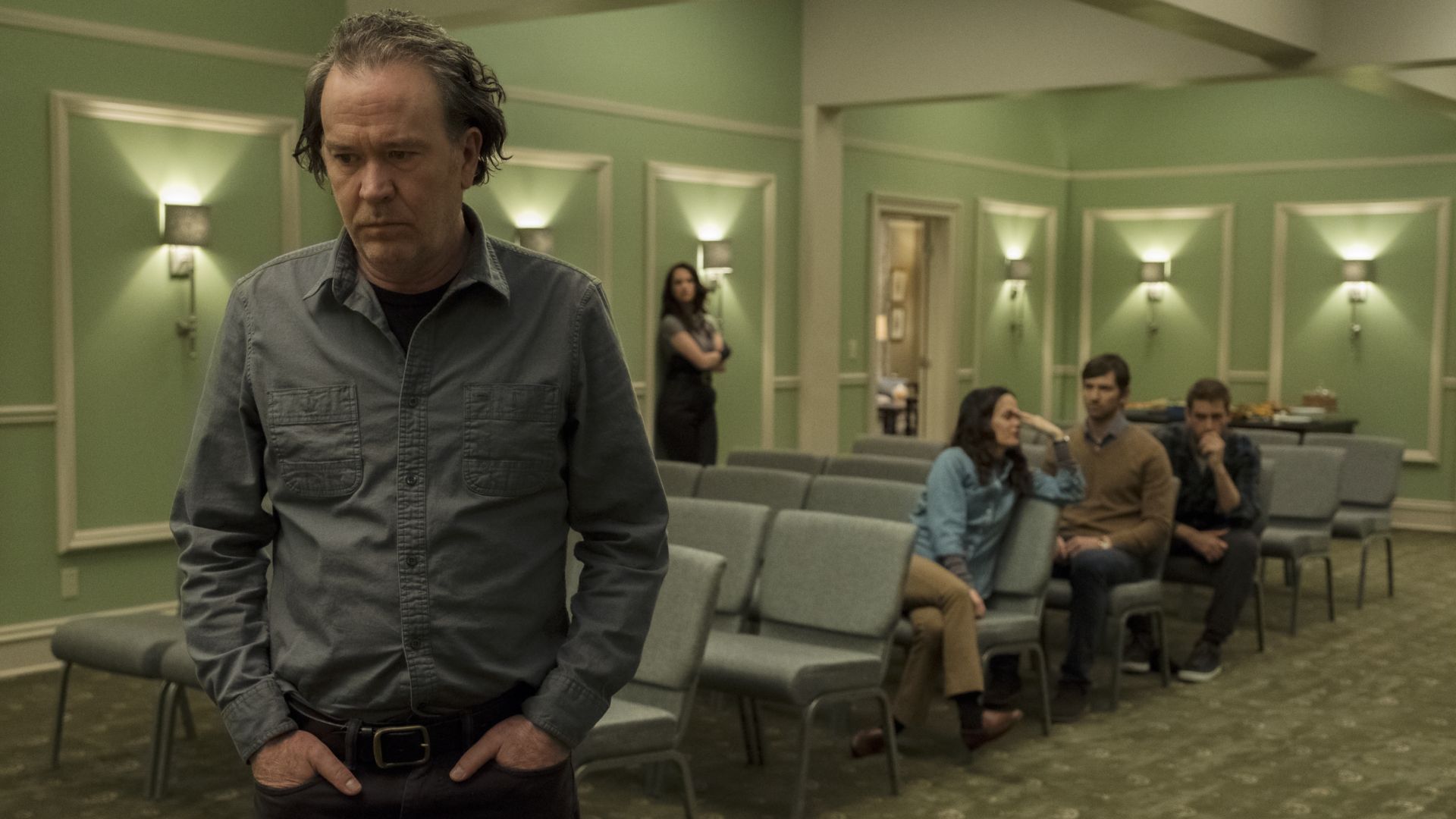
Mike Flanagan quickly became a prominent figure in horror television with his adaptation of The Haunting of Hill House. The series was praised for its well-developed characters, intricate backstory, truly frightening moments, and willingness to take the story in new directions. One particularly memorable and unique element was the terrifying character known as the Bent Neck Lady.
While The Haunting of Hill House is considered one of Netflix’s top shows, it’s just one example of Mike Flanagan’s excellent work. His original series, Midnight Mass, received a lot of positive attention, and his more recent show, The Fall of the House of Usher – which draws heavily from the stories of Edgar Allan Poe – was also generally praised.
Even though The Midnight Club wasn’t Flanagan’s strongest series and some fans were upset it was canceled by Netflix, anticipation is building for his upcoming TV adaptation of Stephen King’s Carrie on Prime Video.
Even though The Haunting of Bly Manor is considered one of Mike Flanagan’s strongest works, his other shows received more attention. Bly Manor demonstrated that Flanagan was a versatile director, proving he wasn’t just successful with The Haunting of Hill House.
Both Bly Manor and Hill House used the same theme music and tagline (“you’re expected”), leading many to believe they were linked. However, Bly Manor ultimately told its own complete and compelling story, proving to be both beautiful and frightening in its own right.
The Haunting Of Bly Manor Made Henry James’ The Turn Of The Screw Even Better
As a huge fan of classic horror, I’ve always loved The Turn of the Screw. It’s a cornerstone of Gothic literature, and honestly, that genre is a sweet spot for Mike Flanagan – he really knows how to bring those stories to life. But what struck me about The Haunting of Bly Manor was how much it changed the original story. It wasn’t a straight adaptation at all, and that’s what made it so interesting.
Henry James’s unsettling story, The Turn of the Screw, deliberately leaves the reader questioning what is real, making it unclear whether it’s a ghost story or a portrayal of a woman’s mental decline. It captures the anxieties of its era, sharing similarities with other well-known works like The Yellow Wallpaper and, especially, Shirley Jackson’s The Haunting of Hill House.
Unlike Henry James’s The Turn of the Screw, which left the source of its strange events ambiguous, the Haunting of Bly Manor series made its explanations clear. This allowed for a more conclusive ending and richer, more emotionally complex characters than those found in the original story.
Each episode of The Haunting of Bly Manor cleverly took its name from a different short story by Henry James. This approach beautifully paid tribute to James’s entire collection of work, while also making the series feel new and unique.
The Haunting Of Bly Manor Was An Unexpected Love Story
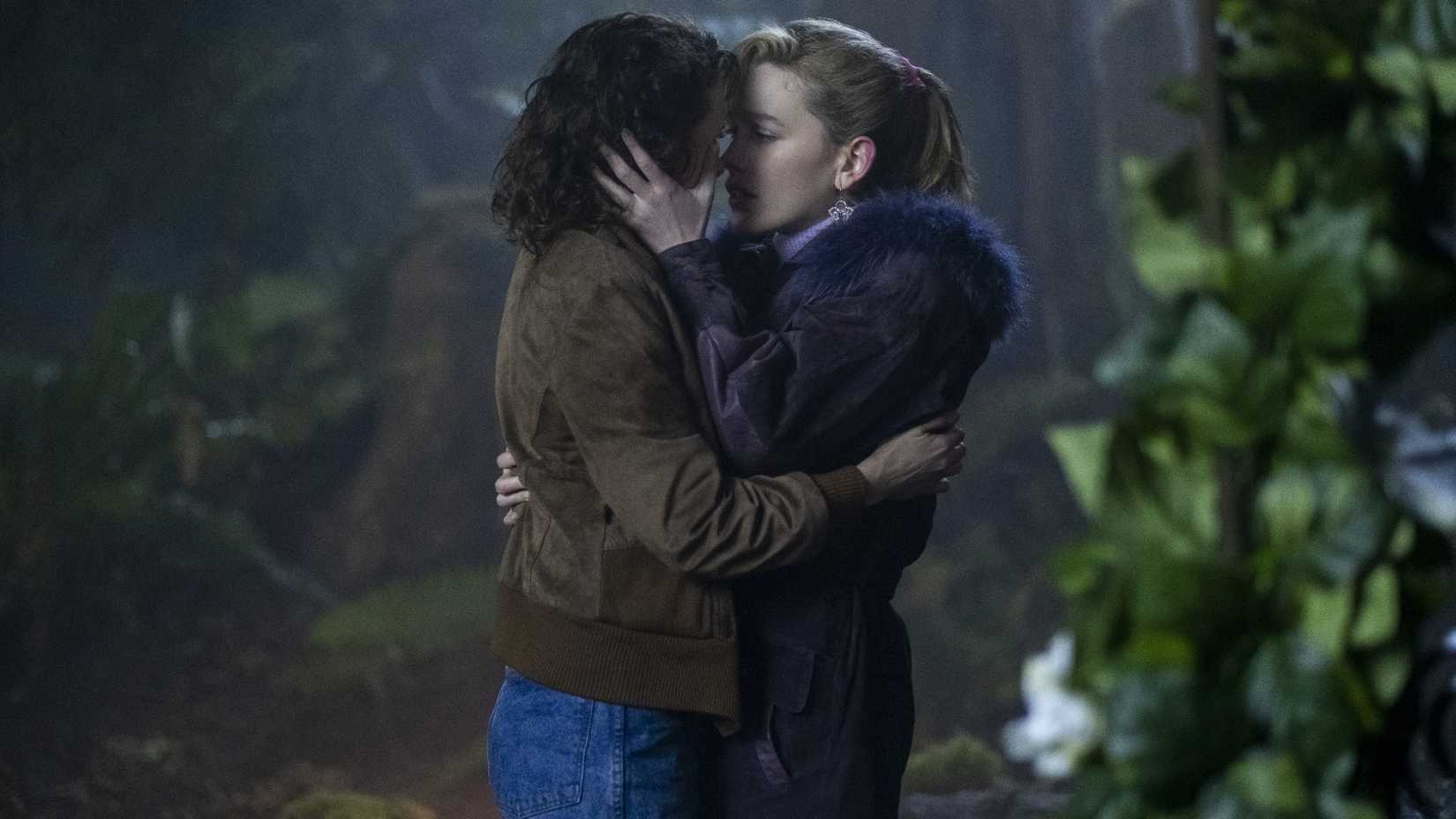
As a big fan of both Henry James and Mike Flanagan, I thought one of the most striking changes in The Haunting of Bly Manor was how much more prominently queer characters and relationships were featured. James’ original story didn’t hint at the governess, or really anyone, being queer. But in Flanagan’s series, the heart of the whole thing was the beautiful romance between Dani and the gardener. It really shifted the emotional focus, and I, for one, appreciated that choice.
Jamie, the gardener, was a recent and heartbreaking addition to the narrative. As Dani uncovered the truth about the manor’s unsettling paranormal activity, she found herself in increasing danger. This growing threat played out alongside a deeply emotional love story, making the stakes feel even higher.
Dani, the main character in Bly Manor, began as a fragile and withdrawn woman, deeply affected by the loss of her fiancé. Through flashbacks, we discover her grief stemmed not only from his death, but also from her regret about not marrying him while he was still alive. Her relationship with Jamie wasn’t just a secondary romance; it was essential to her development as the governess at Bly Manor.
This romantic subplot connected to the show’s central mystery, portraying the female characters as insightful, capable, and caring. This was a welcome contrast to The Turn of the Screw, which deliberately left open the possibility that the governess was simply imagining things.
In the end, The Haunting of Bly Manor delivered a truly memorable and unsettling finale, both emotionally and through its ghostly elements.
Read More
- Marvel Officially Confirms Deadpool’s Most Brutal Redesign
- Welcome to Demon School! Iruma-kun season 4 release schedule: When are new episodes on Crunchyroll?
- Gold Rate Forecast
- 10 Movies That Were Banned in Different Countries For Random Reasons
- Nintendo Switch 2 Reportedly Getting Remake of One of the Best PS3 and Xbox 360 Games
- Michael Jackson Biopic’s Record-Breaking Debut Unseats 2026’s Biggest Box Office Hit On U.S. Chart
- 9 Great Supernatural Characters Everyone Forgot About
- Crunchyroll Confirms New Isekai Anime Releases for 2026 and Beyond (With Major Returns)
- All 61 Episodes 90s Cult Classic Sci-Fi TV Show That Was Famously Canceled Twice Were Just Added to Tubi
- Did Lauren Sánchez Bezos Hint at Baby Plans With Jeff Bezos? The Truth
2026-04-29 15:49