
I’m a huge fan of spy thrillers, and what really gets me hooked is that constant sense of tension – you’re always on the edge of your seat wondering if things will work out! It’s not just about action, though; I love how these stories delve into the minds of these characters, who are often forced to make really tough choices. And honestly, I think film is the perfect way to tell these kinds of stories. It can really capture that shadowy, complex world and bring those dark, fascinating narratives to life in a way other mediums just can’t.
Anime elevates the spy-thriller genre with both thrilling action and intricate plots, offering a level of artistry unmatched by other forms of entertainment. What truly sets it apart is its ability to seamlessly blend humor, emotional depth, and suspense, creating a uniquely engaging experience.
Spy x Family Uses Comedy to Mask the High Stakes of Espionage
This movie brings a refreshing dose of heart and humor to the spy world. What makes the comedy work is that the underlying danger always feels real. This family doesn’t just complete missions – they constantly have to think strategically in every situation, turning even everyday moments into high-pressure challenges. Something as simple as applying to school can feel as important as a dangerous nighttime operation.
Anya’s unpredictable and innocent behavior frequently puts Loid’s carefully built cover in danger, and the resulting tension is what makes each episode so engaging. The show skillfully balances humor and suspense by pairing Anya’s naiveté with the serious consequences of Loid’s mission – when his disguise is compromised, it has real impact.
Joker’s Game Defines the Ruthless Realities of the Spy World
Unlike typical spy stories, Joker’s Game focuses on highly trained agents who rely on their wits, not weapons or gadgets. These agents are sent on dangerous missions to various countries, facing incredibly difficult moral dilemmas where even a small error can lead to disaster. What truly sets Joker’s Game apart is its underlying philosophy: Lieutenant Colonel Yuuki created the D-Agency to be the complete opposite of the traditional Imperial Japanese military.
Joker’s Game explores the mental toughness needed to convincingly pose as someone else while working completely alone. It’s not about sacrifice or national pride, but about staying alive, being flexible, and finishing the job. These agents are taught to suppress their emotions, thriving in a world where feeling too much is a weakness and quick decisions are essential.
Darker Than Black Masters The Clinical Efficiency Of Supernatural Espionage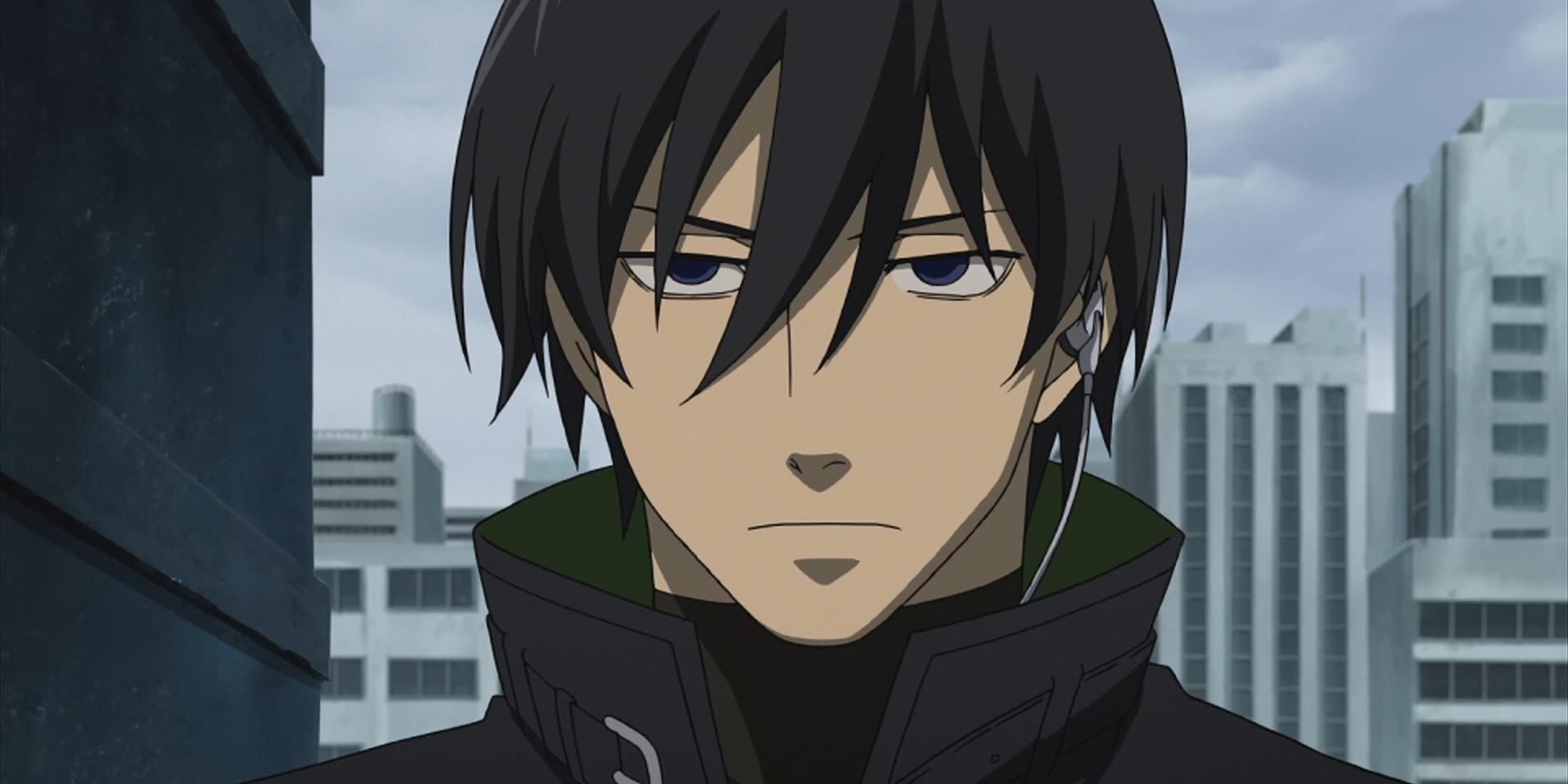
Darker Than Black creates suspense by contrasting normal, everyday life with sudden violence. The anime highlights how truly frightening spies aren’t those who relish fighting, but those who feel no emotion while doing it. This makes them ideal tools for groups who need someone to carry out tasks without hesitation or remorse.
What makes Darker Than Black unique is its realistic and cynical approach, offering a bleak, noir-style world filled with constant betrayal and consequences. Beneath the action and espionage, the series explores a deeper question: what happens to a person when everything that defines their humanity is stripped away?
Night Raid 1931 Navigates The Shadowy World of Spies and Geopolitics
Night Raid 1931 aims to realistically depict the tense atmosphere in Asia before World War II. What’s particularly interesting, though, is that the story’s heroes are actually working for the Japanese empire that was causing much of the conflict. This means that every victory they achieve ultimately supports a regime that would eventually be seen as deeply problematic and harmful.
The story features characters with psychic powers – like telepathy, moving objects with their minds, and super speed – but these abilities aren’t the main attraction. When action does happen, it’s incredibly well-done. Overall, Night Raid 1931 is a realistic and compelling spy story. It avoids portraying heroes as perfect and shows missions that, even when successful, still come with a cost.
Ghost in the Shell Stand Alone Complex Shows the Tactical Precision of Cybernetic Warfare
The world of Ghost in the Shell blends the excitement of a classic spy thriller with futuristic technology. It’s a place where people routinely enhance their bodies with cybernetics and connect their brains directly to computers, making the line between humans and technology increasingly unclear. What makes this world truly disturbing, however, is the possibility of ‘ghost-hacking’ – the ability to take control of, and manipulate, a person’s mind.
This shifts the focus of surveillance from simply stealing data to much larger issues of who we are and our ability to control our own lives. The story doesn’t rely on the typical idea of a single villain pulling the strings; instead, it highlights a widespread, chaotic pattern that makes traditional spying methods ineffective.
Golgo 13 Displays the Clinical Precision of World’s Deadliest Assassin
Most spy stories focus on teams, gadgets, and the people managing operations, but Golgo 13 is different. Duke Togo isn’t so much the hero of the story as a way to show how real covert power operates. What truly makes Golgo 13 a compelling spy story is its focus on the people who connect clients with operatives, keeping the clients themselves hidden and protected.
This accurately shows how governments and organizations use force while keeping themselves protected. It’s also notable that Duke Togo works with a diverse range of clients – from government agencies and corporations to intelligence services. What sets him and Golgo 13 apart from typical spy stories is Togo’s lack of personal beliefs or agenda.
Mission Yozakura Family Blends High-Stakes Spying With The Chaotic Energy Of A Family
Unlike most spy anime that focus on a lone agent, Mission: Yozakura Family centers on a whole family of spies. While typical spy organizations rely on strict rules and rank, the Yozakura family operates based on family bonds, duty, and personal relationships. They’re experts in everything from code-breaking and hand-to-hand combat to sneaking around, weapons, and gathering information.
The missions in Mission: Yozakura Family are built on teamwork – no one person can complete them on their own. What really sets this series apart is how realistically it portrays the consequences of missions going wrong. Failures aren’t due to simple plot devices, but rather a lack of information. This highlights that success depends more on careful planning and clear communication than on any single person’s abilities.
Release The Spyce Combines Urban Infiltration With Cold Tactical Sabotage
Unlike most spy stories that simply show organizations as a backdrop, Release the Spyce focuses on how the organization itself works. It pairs every experienced spy with a trainee, and this mentorship is essential – it’s what keeps everything running. Agents learn by doing real missions, not simulations, so mistakes have serious repercussions.
Tsukikage isn’t just another vigilante group because they focus on taking responsibility for their actions. Release the Spyce shows us that a spy organization needs strong internal rules to function, and the series builds its stories around finding the limits of that structure – where it succeeds and where it fails.
Spy Classroom Shows Why The Most Successful Spies Use Deception Instead Of Force
What makes Spy Classroom different from other spy anime is its focus on teamwork. It portrays intelligence operations as a collaborative effort, much like real-world spy teams. The show deliberately chooses recruits who have struggled, believing that those who’ve failed have a crucial skill: the ability to think on their feet. Spy Classroom then throws these underprepared agents into incredibly difficult situations, forcing them to rely on improvisation and find unique solutions to problems their training never addressed.
Each episode presents a dangerous challenge where trainees have to overcome their instructor to succeed, highlighting how a spy’s most important skill is being able to think on their feet. The show’s humor also makes it unique, letting it explore difficult topics like skill and systemic problems without feeling as heavy as a typical suspenseful drama.
Princess Principal Navigates A Landscape Of Double Agents In Steampunk London
The core of Princess Principal is constant doubt and deception – the characters aren’t just dishonest with their enemies, but with each other and themselves. The show cleverly portrays loyalty as a weakness in the world of espionage. Success hinges on the team’s ability to trust one another, and that trust is ultimately the Commonwealth’s most valuable asset when dealing with its rivals.
The show’s gentle atmosphere and entirely female cast create a sense of calm, but just when things settle down, the story shocks you with unexpected violence. Princess Principal also does a great job of realistically portraying the challenges of spying – missions aren’t always clean successes, things get broken, and secret identities are often compromised at the worst possible times.
Read More
- Marvel Officially Confirms Deadpool’s Most Brutal Redesign
- Welcome to Demon School! Iruma-kun season 4 release schedule: When are new episodes on Crunchyroll?
- 10 Movies That Were Banned in Different Countries For Random Reasons
- Nintendo Switch 2 Reportedly Getting Remake of One of the Best PS3 and Xbox 360 Games
- Crunchyroll Confirms New Isekai Anime Releases for 2026 and Beyond (With Major Returns)
- Gold Rate Forecast
- Michael Jackson Biopic’s Record-Breaking Debut Unseats 2026’s Biggest Box Office Hit On U.S. Chart
- 9 Great Supernatural Characters Everyone Forgot About
- Did Lauren Sánchez Bezos Hint at Baby Plans With Jeff Bezos? The Truth
- All 61 Episodes 90s Cult Classic Sci-Fi TV Show That Was Famously Canceled Twice Were Just Added to Tubi
2026-04-30 19:45