Well-known movie lines often become part of our culture and are repeated for years. They become more than just parts of the films they come from, entering our shared way of speaking. Many people recognize and use these quotes even if they’ve never seen the movie itself.
The American Film Institute created a list of the 100 most memorable movie quotes. These lines originally captivated viewers because they perfectly captured the feeling of the films they came from. A lot of their power comes from understanding the context of the movie. However, as these quotes become more popular and are repeated, changed, and referenced in different ways, they lose some of their original impact. Over time, the stories behind the quotes can become distorted or forgotten through repeated use and misunderstandings.
Repeating and changing famous movie lines can give them fresh, interesting, and powerful new meanings. But to truly understand and appreciate the original, memorable quote, it’s important to remember where it came from and what it originally meant.
“You’re Gonna Need A Bigger Boat.”
Jaws (1975)

The famous line “You’re gonna need a bigger boat” from the movie Jaws actually started as a joke on set. The production team was using a small boat to help stabilize the barge holding their equipment, and they kept telling the producers, who were trying to save money, that they needed a larger vessel. The phrase quickly became a lighthearted way to point out any problem during filming, as reported by The Hollywood Reporter.
Roy Scheider, who played Chief Brody, spontaneously came up with the line in several takes of the film. After seeing the massive shark for the first time, he delivered the line in a particularly effective way, so Steven Spielberg decided to use only that version and remove all others.
This single line perfectly captures Brody’s shock and fear, emphasizes the immense threat the 25-foot shark presents, and suggests the men are facing a danger beyond their ability to handle.
“Say Hello To My Little Friend.”
Scarface (1983)

The famous line, “Say hello to my little friend,” actually came from a moment of desperation. It’s part of the film Scarface, directed by Brian De Palma, which offers a grim take on the American Dream. The movie follows Tony Montana (played by Al Pacino), a Cuban immigrant who climbs to the top of the drug trade, only to face a tragic end.
During the movie’s climax, Montana’s stronghold is invaded by armed attackers. After briefly freezing in shock, the tormented man seizes a grenade launcher. He sarcastically calls it his “little friend” and then blasts through his office door, destroying the attackers on the other side.
In a final, desperate act of defiance, Montana rushes headlong into the gunfire, convinced he can’t be harmed. Even though he’s already defeated, this moment perfectly shows his last burst of anger towards the forces that ruined his life.
“You Talkin’ To Me?”
Taxi Driver (1976)
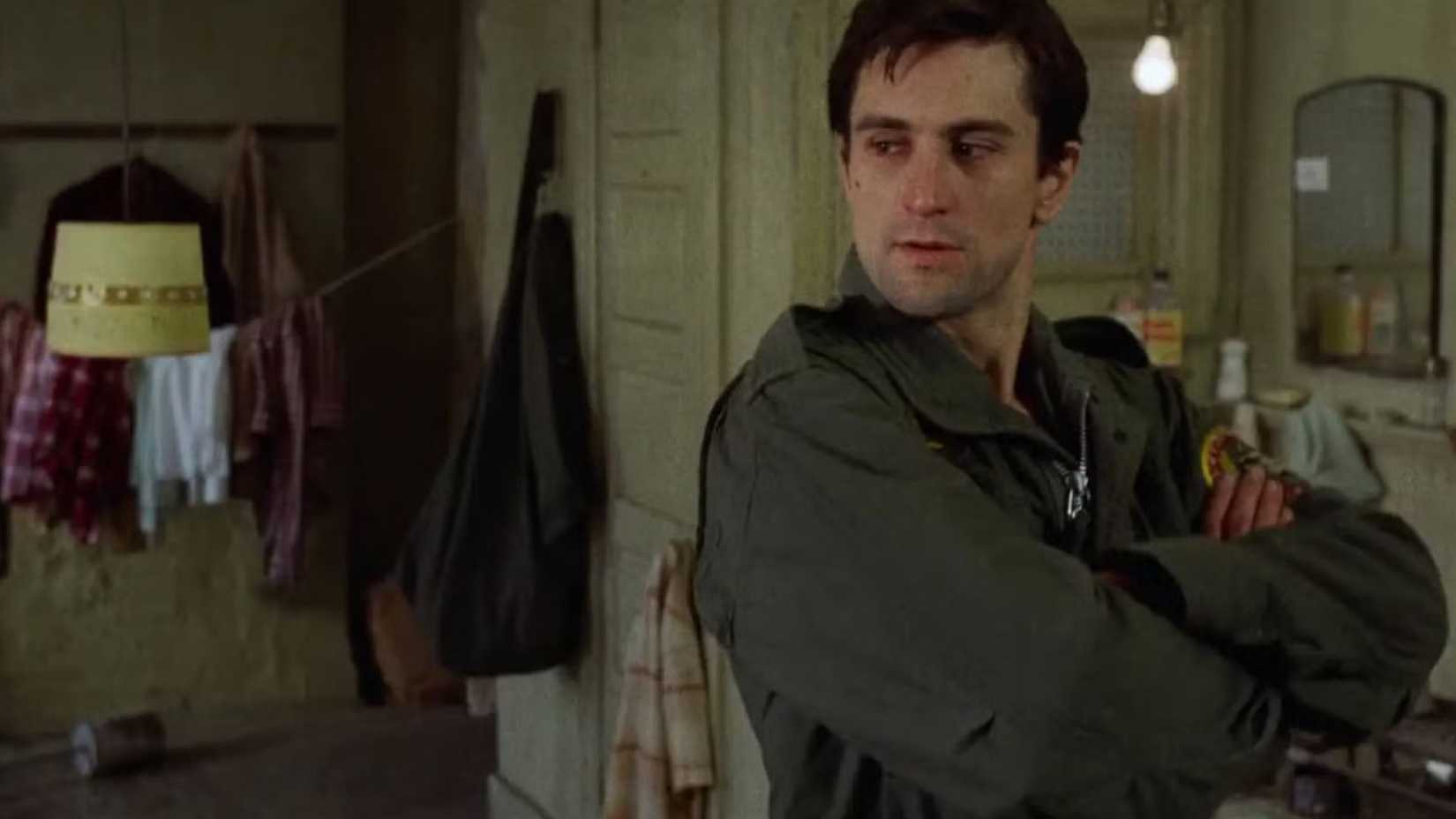
In Martin Scorsese’s film Taxi Driver, Robert De Niro plays Travis Bickle, a Vietnam War veteran who drives a New York City taxi and witnesses the city’s dark and decaying side.
A key moment in the film arrives when Bickle, increasingly consumed by paranoia, decides he’s had enough of what he sees as society’s and the government’s disrespect. Standing alone in his empty apartment, he declares his rebellion, staring at his own flawed reflection. Armed with a gun, he takes on the role of a self-appointed moral crusader, determined to cleanse the city.
De Niro improvised the delusional one-sided conversation.
Are you speaking to me? Is that who you’re addressing? There’s no one else here – so if you’re talking, you’re talking to me. Who else would you be talking to?
The rambling speech captures the deep anger and disappointment felt after the Vietnam War. In this moment, De Niro turns an ordinary question into something menacing.
“Frankly, My Dear, I Don’t Give A Damn.”
Gone with the Wind (1939)
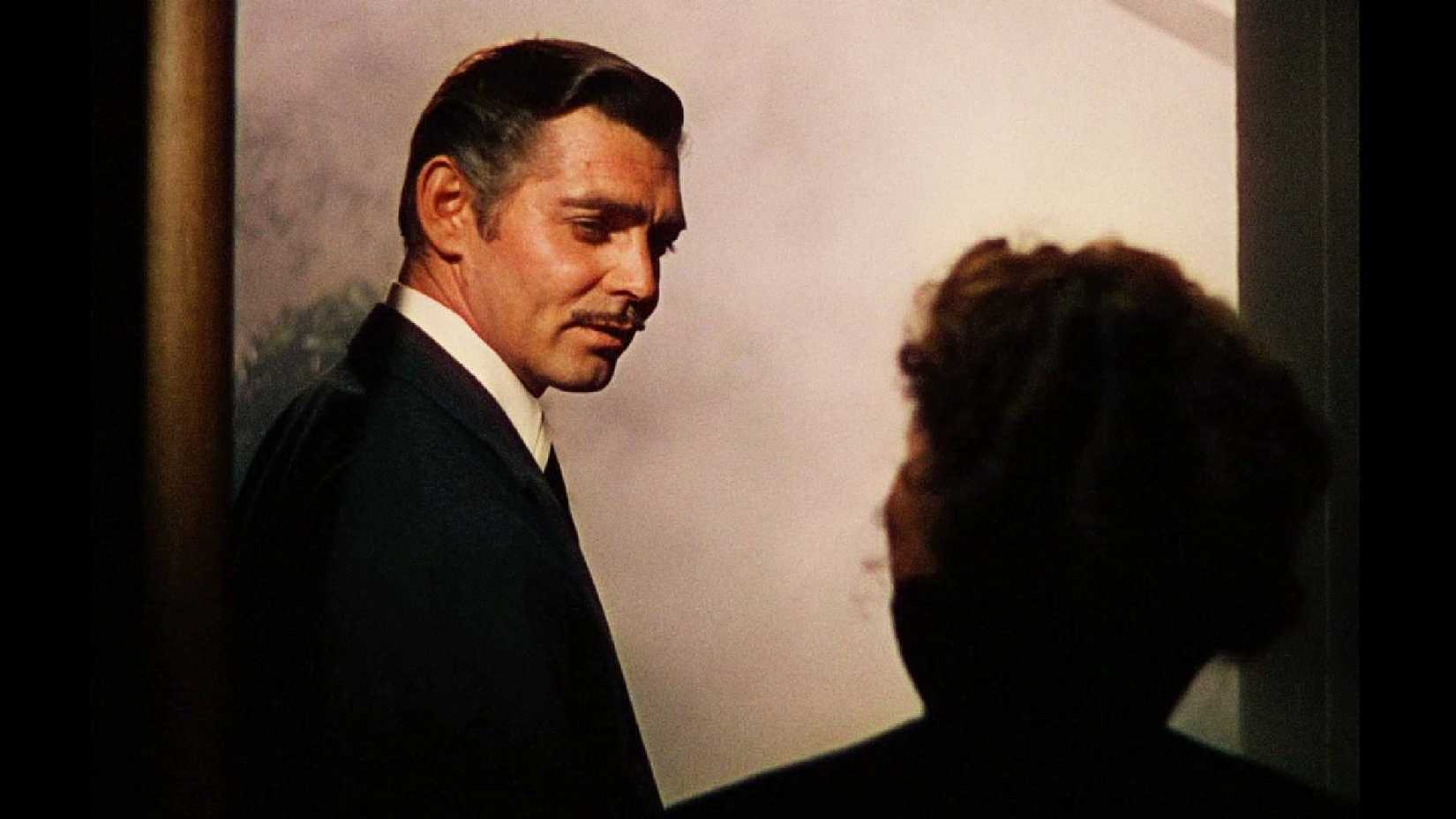
The sprawling romance of Gone with the Wind ends with a blunt rejection.
In the climactic scene, Rhett Butler, carrying a bag, walks away as Scarlett O’Hara chases after him, desperately asking, “Where will I go? What will I do?” Unmoved by her selfish plea, Rhett calmly delivers a final, dismissive line and then walks into the fog, showing no sign of ever returning. He’s completely heartbroken and has emotionally detached himself from her.
When it first appeared, the line shocked moviegoers. It completely broke the typical expectations for a romance film, mirroring the character O’Hara’s own disappointment. The language used was considered strong for the time and actually needed special approval to be included, given the strict rules of the Hays Code. Though it almost didn’t make the final cut, the line is now celebrated as one of the most iconic in American cinema.
“I’m Gonna Make Him An Offer He Can’t Refuse.”
The Godfather (1972)
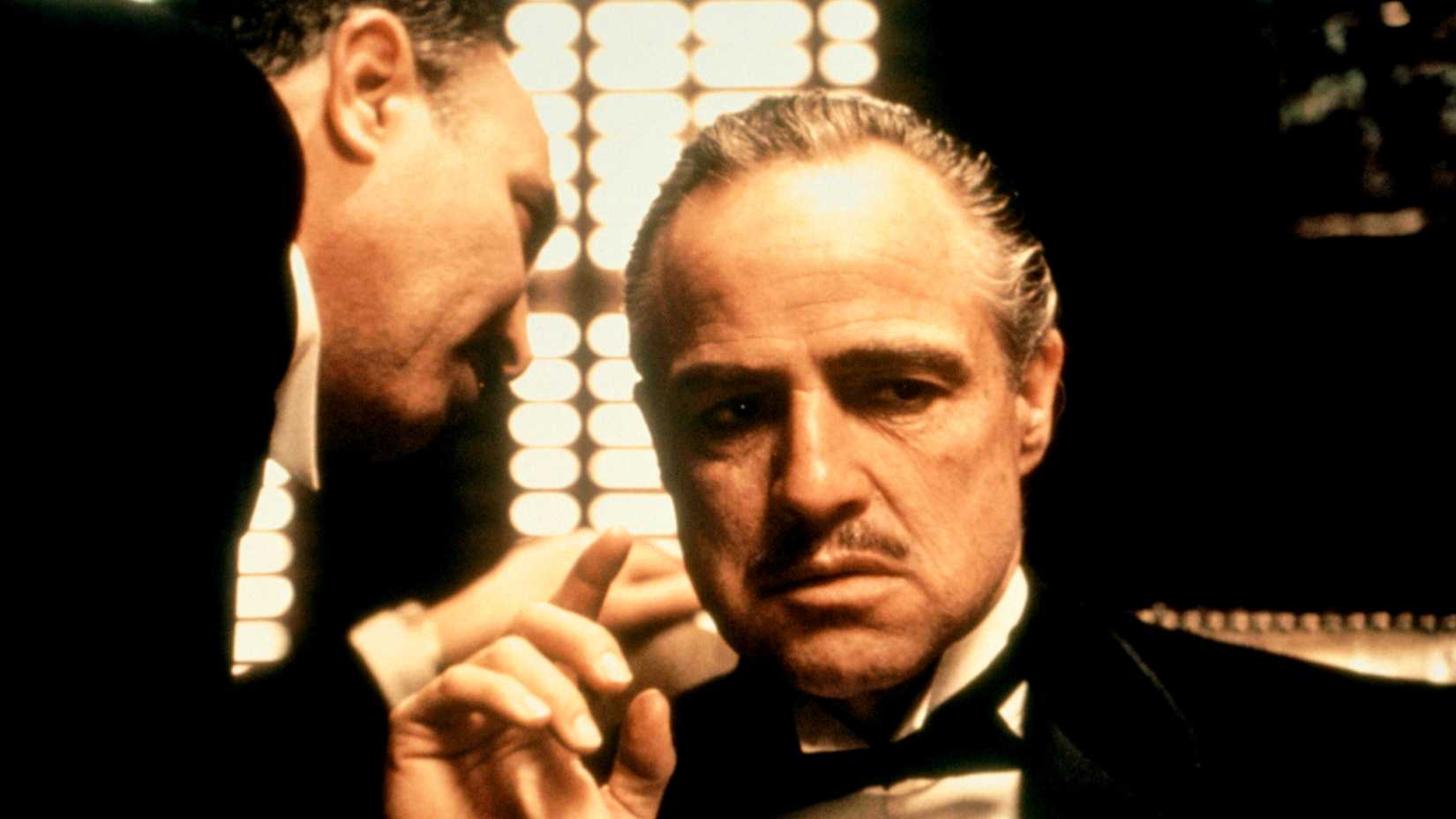
I’ve always been struck by how many lines from The Godfather trilogy have become part of our everyday language. It really gave us a whole new way of talking, with phrases like “sleep with the fishes” and “stepped over” becoming instantly recognizable. For me, the most famous line of all comes from the very first film, The Godfather released in 1972.
In a quiet, confident tone, Don Vito Corleone (Marlon Brando) promises his godson, singer Johnny Fontane (Al Martino), that he’ll get the movie role he wants. He famously says, “I’m going to make him an offer he can’t refuse,” barely above a whisper.
The power of this dialogue comes from what’s implied, not directly stated. Earlier, Michael Corleone remembers his father telling a producer, Johnny Fontane, that he’d get the contract signed one way or another—either with his signature, or with something far worse. This earlier conversation establishes that Corleone isn’t just making an offer, he’s threatening the producer’s life.
Corleone’s subtly menacing line is a quiet assertion of complete power.
“Show Me The Money!”
Jerry Maguire (1996)

Cameron Crowe’s Jerry Maguire is a rare movie that shows the American Dream actually working out. It’s a story about achieving success in business while staying true to your values. Tom Cruise plays Jerry Maguire, a sports agent who quits his job because of unethical practices to start his own agency and truly support his athletes.
I remember this scene so well! It’s when Jerry Maguire starts trying to convince his old clients to come with him to his new agency. He gets turned down over and over, which is really tough to watch. Finally, desperate, he reaches out to Rod Tidwell, the football player, hoping to land at least one big client.
Tidwell challenges Maguire to say “Show me the money,” prompting him to repeat it. At first confused, Maguire quickly understands the impact of the phrase, excitedly shouts it, and successfully wins over the client. “Show me the money” represents a declaration of self-respect and a demand for what one deserves – a core belief that drives Maguire’s independent business.
“You Can’t Handle The Truth.”
A Few Good Men (1992)
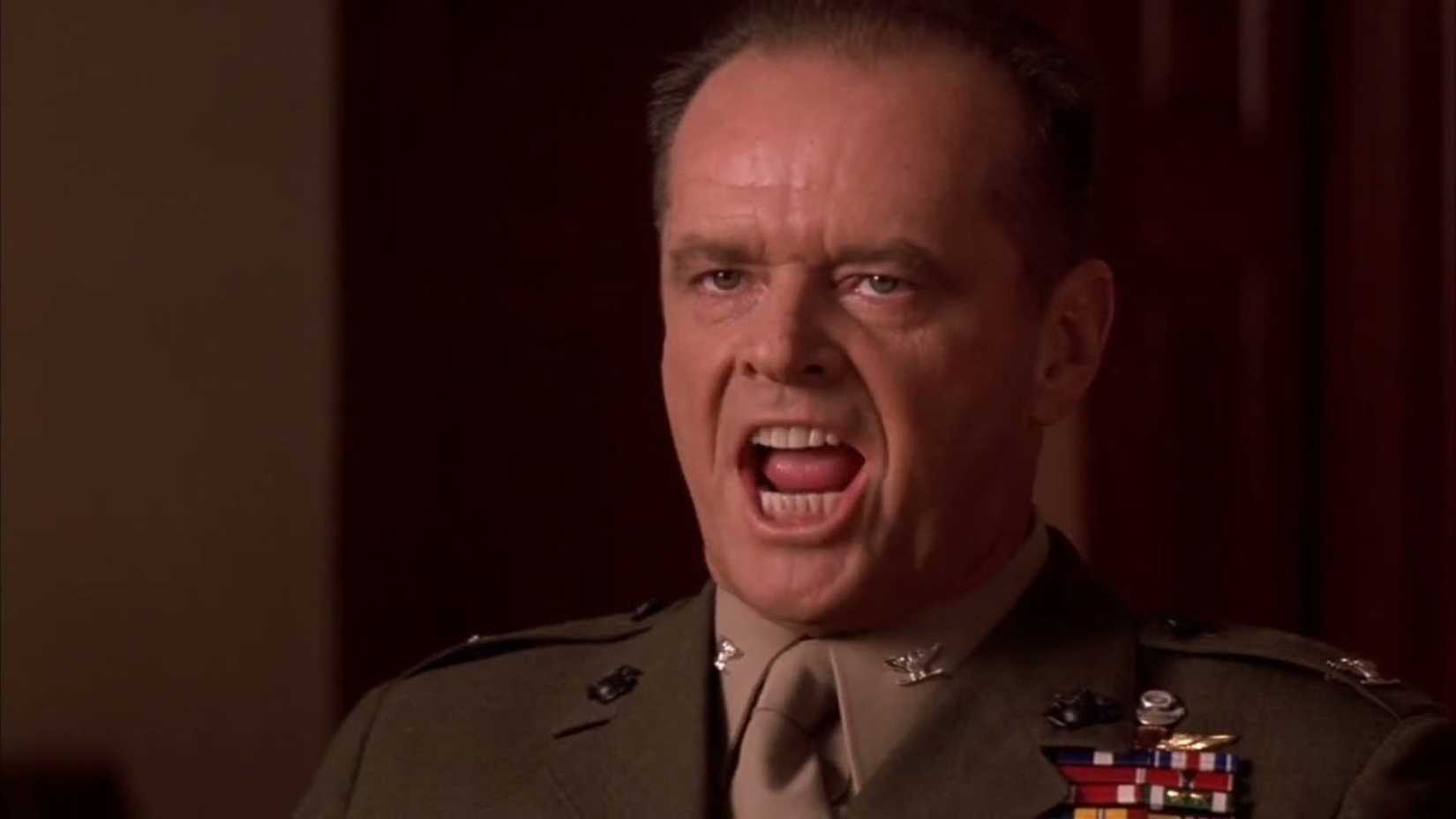
The film A Few Good Men is a courtroom drama adapted from a play, written by Aaron Sorkin and directed by Rob Reiner.
The movie centers around a military lawyer (Tom Cruise) trying to demonstrate that a base commander, Colonel Jessup (Jack Nicholson), gave an order that led to a Marine’s death. A famous line kicks off a lengthy speech where Colonel Jessup reveals his questionable ethics, claiming they are necessary to protect American freedom.
Jessup argues that the lawyer doesn’t truly want to face reality, preferring to stay comfortably unaware of the sacrifices required for freedom. He powerfully states, “You don’t want the truth, because secretly, you want me to be the one who does what’s necessary. You need me to be that person.”
The Colonel openly states that he deliberately gave an order resulting in the death of one of his soldiers, believing it was necessary to protect the country.
“I See Dead People.”
The Sixth Sense (1999)

In M. Night Shyamalan’sThe Sixth Sense, a therapist helps a young boy with a paranormal affliction.
Trying to understand the troubled Cole Sear (Haley Joel Osment), Dr. Crowe (Bruce Willis) reveals his own past struggles with a similar case – a boy he couldn’t help. This encourages Cole to share a frightening truth: “I see dead people.”
The film begins with a deeply emotional confession that explains why both Sear and another boy Dr. Crowe treated acted so strangely. This confession presents Dr. Crowe with a crucial decision: will he believe Sear’s story and finally succeed where he previously failed?
After the movie’s big reveal, Sear’s confession feels less like sharing a private secret and more like a painful truth finally being admitted.
“I’m King Of The World.”
Titanic (1997)
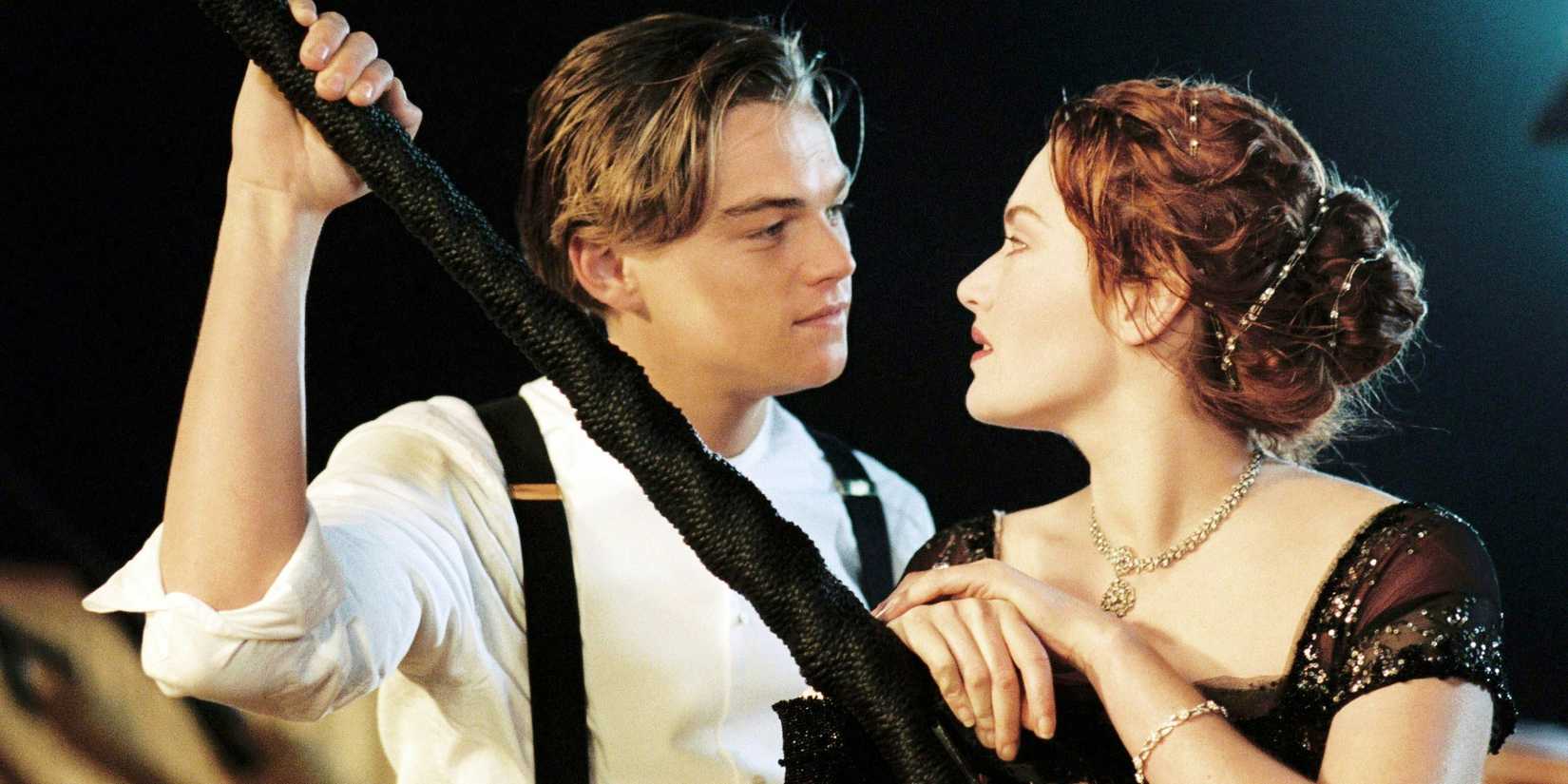
Before the famous love story in the 1997 film Titanic, a young man named Jack Dawson (Leonardo DiCaprio) unexpectedly got the chance of a lifetime. He and his friend Fabrizio (Danny Nucci) won tickets to sail on the luxurious, and supposedly unsinkable, ship after a lucky win at poker.
As the ship sailed, the young men stood at the front, gazing out at the endless, sun-drenched ocean. For one of them, a struggling artist, it felt like reaching the top of the world. His joyful shout is bittersweet, though, because the audience knows the tragic end that awaits him.
James Cameron came up with the iconic line during filming. He asked Leonardo DiCaprio to say it spontaneously, gesturing with open arms and fully embracing the scene. Although hesitant at first, DiCaprio followed Cameron’s direction, and the line quickly became a cultural sensation.
“I Feel The Need, The Need For Speed.”
Top Gun (1986)
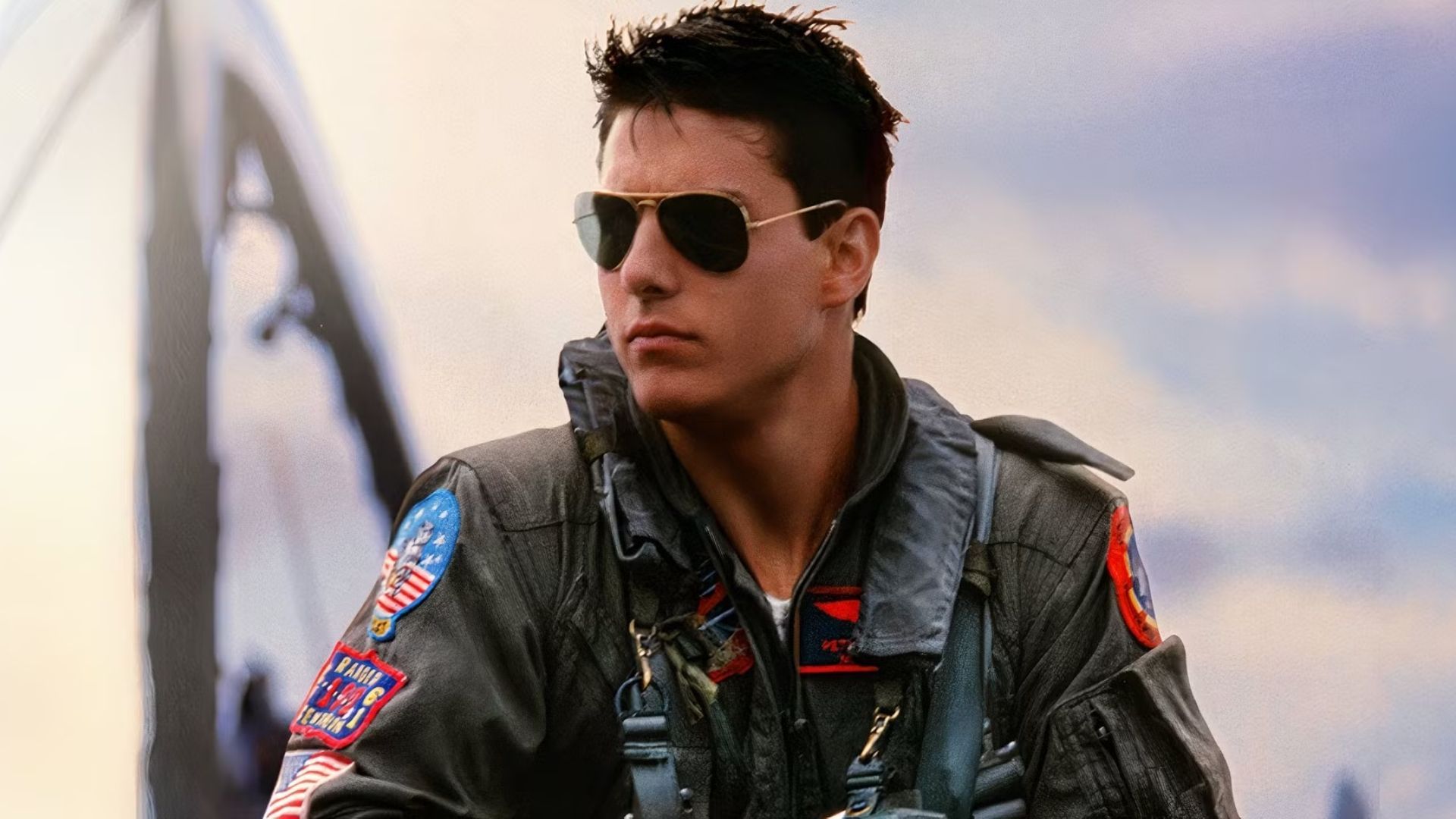
In the 1986 film Top Gun, directed by Tony Scott, Tom Cruise plays Pete “Maverick” Mitchell, a daring fighter pilot who attends the elite Top Gun Naval Fighter Weapons School.
As Maverick and his co-pilot, Goose (played by Anthony Edwards), head towards their plane for the next flight, Maverick starts a famous line, and they both say it together: “I feel the need, the need for speed.”
This line isn’t just a slogan; it perfectly captures what makes Mitchell’s character tick. Speed isn’t just something he does – it is who he is. He’s quick, acts on instinct, and is a free spirit who can’t be held back.
The well-known phrase has become popular not only in the Top Gun movies, but throughout popular culture. It’s become much more widely recognized than the film that originally featured it.
Read More
- Marvel Officially Confirms Deadpool’s Most Brutal Redesign
- Nintendo Switch 2 Reportedly Getting Remake of One of the Best PS3 and Xbox 360 Games
- Crunchyroll Confirms New Isekai Anime Releases for 2026 and Beyond (With Major Returns)
- 10 Movies That Were Banned in Different Countries For Random Reasons
- 5 Best Open-World Games You Can Beat In A Weekend
- Invincible Creators Offer Promising Update on Season 5 Release Date
- All 61 Episodes 90s Cult Classic Sci-Fi TV Show That Was Famously Canceled Twice Were Just Added to Tubi
- Gold Rate Forecast
- The Boys Season 5, Episode 2’s Soldier Boy Ending Twist Changes Everything for Homelander & Butcher
- The Boys Season 5, Episode 5 Ending Explained: Why Homelander Does THAT
2026-05-01 23:33