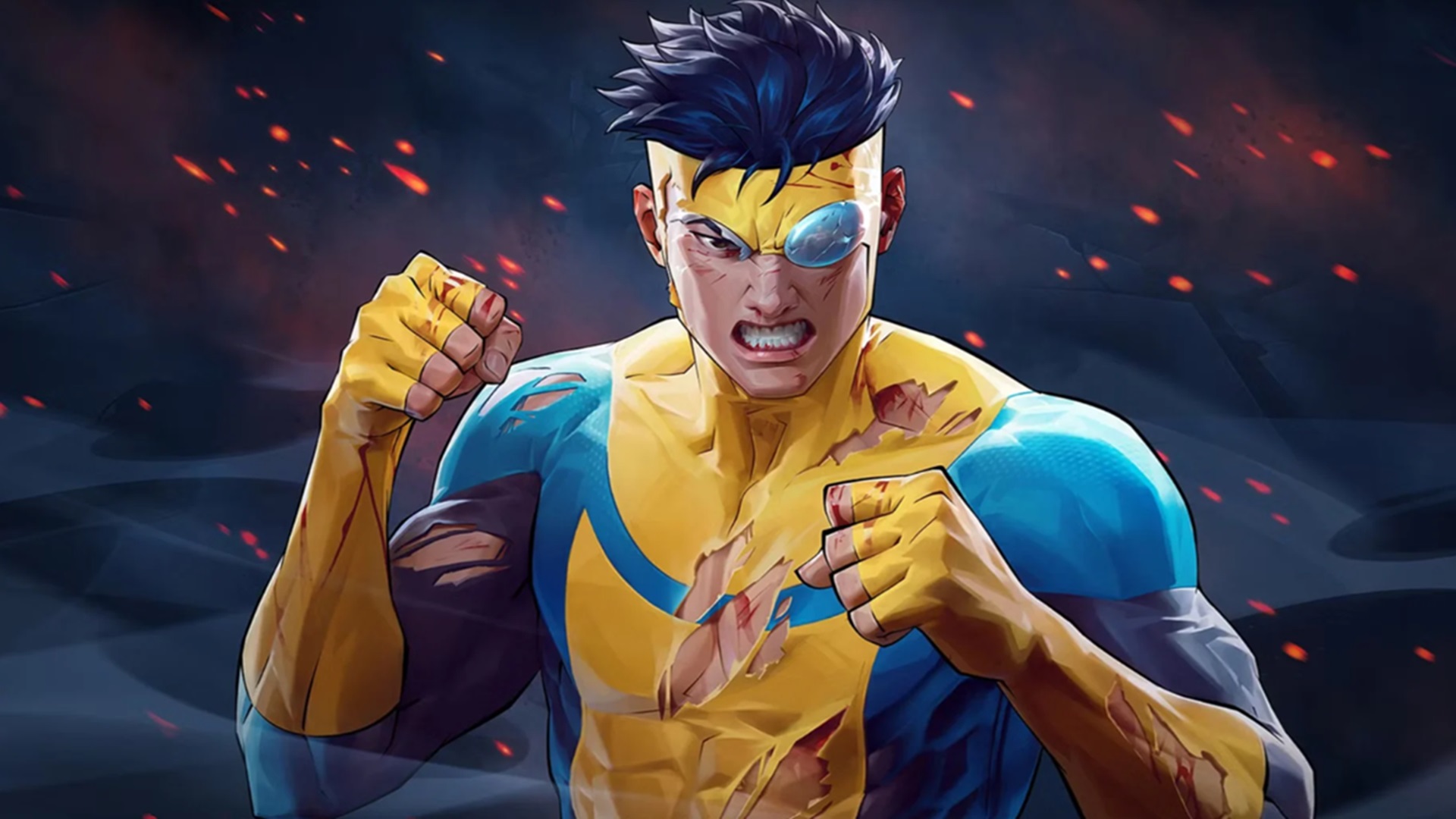
Invincible VS is the first video game based on the popular comic and animated series. Given the show’s trademark intense and graphic violence, it makes perfect sense that Skybound Entertainment and Quarter Up developed it as a fighting game – a fast-paced, no-holds-barred brawler rather than a sprawling adventure or role-playing game.
Interestingly, Invincible VS seems to be attracting a diverse audience right away. This includes people who are already fans of the Invincible series, those who are simply interested in the game’s exciting visuals, and competitive fighting game players – a group the developers are actively trying to reach.
When you’re first learning a new fighting game, it’s common to feel like your button presses are random, sloppy, or too fast – as if you’re just flailing around without a plan.
Invincible VS is easy to pick up and visually exciting, but the developers are also promoting it as a serious competitive fighting game. The big question is whether it can succeed at both. It definitely makes a good first impression, but the depth of its gameplay – particularly its defensive options and advanced techniques – will determine if it remains engaging for competitive players over the long term. There are plenty of ways to attack, but its future as a popular competitive game depends on how well players can defend and master its more complex strategies.
The game offers satisfying, impactful combat with a focus on weighty blows and realistic damage, including plenty of blood and bruising. Controls are very responsive, and the fighting feels good right away, even with simple button-mashing. You can easily read your opponent’s movements, making it easier to react and counter.
Look, I’ve played a lot of fighting games, and usually when you first start, it feels like you’re just mashing buttons, hoping something connects. But Invincible VS actually avoids that. It’s really easy to pick up – you can just repeatedly tap the light attack button, or learn a simple light-to-medium-to-heavy combo that lets you launch into a special move. Even if you’re new to fighting games, these simple controls get you into the action quickly and feeling good.
You’ll quickly learn advanced techniques in this game. Most of the time, you’ll be battling in 3v3 fights, frequently swapping teammates in and out during each match. This is done through the game’s tagging system. A Neutral Tag is a simple switch, while an Active Tag keeps the momentum going, letting your teammate seamlessly join your current combo.
While you fight, a special meter fills up – you’ll see it as a yellow bar at the bottom of the screen. Once it’s full five times, it turns purple. You can use one bar of this meter for a powerful Super attack, or three bars for an even stronger Ultimate attack, which is a visually impressive, unique move for each character that deals massive damage.
Boost is a valuable resource displayed below your health bar as up to three yellow rectangles. It allows you to quickly dash, power up special moves, and interrupt an opponent’s building combo meter. The combo meter increases with each hit you land, but resets when full. By consistently attacking, frequently switching characters (Active Tagging), and finishing attacks with a Boost, you can potentially create endless combos – seamlessly chaining attacks by swapping characters and using Boosted specials.
Landing long attack combos is incredibly rewarding, particularly when your opponent is left helplessly tumbling in the air. This strategy is also quite safe – the main risk is running out of Boost, so finish your combos with a Boosted special move to make you and your team feel truly invincible.
As a player, I’ve found there are a few ways to play defensively, though some are trickier to pull off than others. You can block by holding away from the attack, which is pretty straightforward. But if you really want to create some breathing room, you need to learn the Push Block. And here’s a cool trick: if you time it right, you can use a Counter Tag to interrupt your opponent’s tag-in, stopping their combo even if they still switch fighters. It’s all about timing, but really satisfying when you get it down!
Okay, so this game wants to be something you can compete with at tournaments, but honestly, learning how to play is rough. It doesn’t really help you go from being a total beginner to actually getting good – there’s a huge skill jump, and the tutorial doesn’t really smooth things out. It’s like, it throws you in the deep end without teaching you how to swim.
Heroic Strike lets you take damage, turn it into defense, and then strike back. It also disrupts your opponent, but uses a significant amount of Boost Meter, making it an expensive defensive option. Assist Breakers are simpler: an ally interrupts your opponent’s attack and then steps back. Remember to watch their cooldown timer, because you won’t be able to call for help immediately after they’ve left the fight.
Right now, it’s obvious you’re better at attacking than defending. While this makes for exciting gameplay when you’re on the offense, it brings up concerns about how reliably you can recover control if your opponent manages to stop you. Plus, we haven’t even discussed the Heavy and Feint Active Tags yet. These tags mess with your opponent’s timing – the Heavy Tag delivers a slow but powerful hit, and the Feint Tag completely cancels an attack, potentially tricking your opponent into using a Counter Tag and leaving themselves open.
More advanced strategies create a complex back-and-forth between players, but the game doesn’t clearly explain when these techniques are worth the risk. This lack of guidance makes it hard for new players to improve and compete at a high level, despite the game’s ambition to support competitive play.
Mistimed feints leave you vulnerable to attack, and using heavy crouching attacks launches opponents into the air – you can even continue the attack by holding the button down. However, using Assist Breakers leaves you with a significant delay before you can use them again. The more you study the game, the more complex these mechanics become.
The game is designed to emphasize attacking, but there’s a constant balance between the risks and rewards of offense and defense. Factors like vulnerability windows, cooldown times, and momentary advantages all play a role, but the tutorial doesn’t explain these concepts well. Players are often left to figure things out on their own or look for help elsewhere – which is likely why the game’s developers have released a more detailed explanation video online.
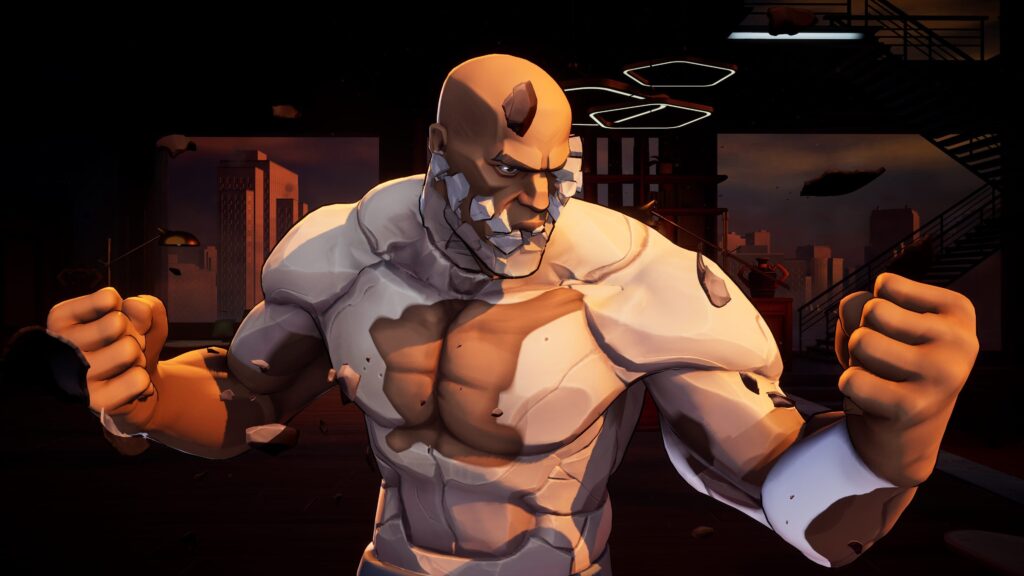
“The narrative itself, however, is more functional than memorable.”
Ultimately, the big question remains: while Invincible VS is easy for new players to pick up, will it appeal to serious, competitive fighting game players? It has a solid base for competition, with smooth online play and optional controls that can give players an edge. However, whether the game can truly thrive will depend on how well its core mechanics hold up as skilled players start to master and exploit them.
In addition to the main gameplay, Invincible VS includes several standard modes, most notably a story campaign that closely follows the style of the animated series. The campaign is designed to feel like a direct episode of the show, with cinematic scenes and a fast-paced story. It captures the show’s look and feel, while also adding its own unique stop-motion animation.
Okay, so the story isn’t exactly the reason you’ll be playing this game. It’s more like it’s there to connect all the awesome fights together. The basic idea isn’t super original, but honestly, it does a good job of making each battle feel like it matters. It gives you a reason to care beyond just climbing a typical arcade-style ladder. It adds a bit of emotional weight, which I really appreciated.
The main drawback is its short length – about an hour – and it feels like the story is just getting started when it ends. While intended for newcomers to the Invincible world, the ending doesn’t offer much resolution, implying you need to already know the series. It’s entertaining, but would be more satisfying as a complete, standalone story.
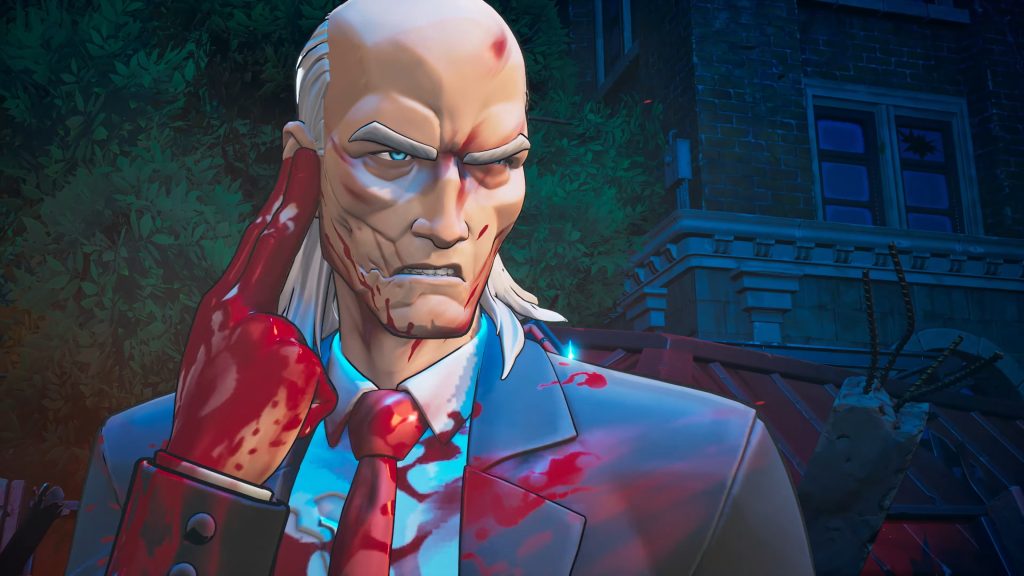
“Overall, Invincible VS is a visually striking yet accessible fighter.”
Arcade Mode is a classic experience. You pick your fighters, set the difficulty, and fight through a series of teams. As you win, you’ll unlock cosmetic items and decorations for your profile. It’s a simple but effective way to practice and enjoy the game outside of ranked matches. After completing a run, you’ll see a short, unique ending for the character you played, which adds a bit of story and encourages you to try again with other fighters.
As a fighting game fan, I’ve been really impressed with Invincible VS. It looks fantastic, but it’s also surprisingly easy to pick up and play – you can just jump in and start having fun. But don’t let that fool you! Underneath, there’s a lot of depth and strategy that I think could really appeal to competitive players. Honestly, I do have a couple of worries about how well offense and defense are balanced, and whether the game will fully reach its potential. Still, it feels solid enough to support a thriving competitive scene for a while, and I’m hoping it can become a long-term staple in the fighting game community.
This game was reviewed on the PlayStation 5.
Read More
- Welcome to Demon School! Iruma-kun season 4 release schedule: When are new episodes on Crunchyroll?
- Gemma Arterton spy thriller Secret Service based on hit novel gets release date confirmed on ITV
- After 11 Years, Black Clover Officially Ends With Final Release (& Crowns a New Wizard King)
- The Boys Season 5, Episode 2’s Soldier Boy Ending Twist Changes Everything for Homelander & Butcher
- ‘You Can Play Your Purchased Games As Usual’: Sony Breaks Silence on PS5, PS4 Game Expiry DRM
- The Boys Season 5, Episode 5 Ending Explained: Why Homelander Does THAT
- 10 DC Comics That Perfectly Redefined Iconic Characters
- Apex soundtrack: Every song featured in the Netflix thriller
- Prisoner cast: Who stars in the Sky thriller?
- A Fiery Titan Returns – Monarch: Legacy Of Monsters Season 2 Finale Explained
2026-05-05 22:43