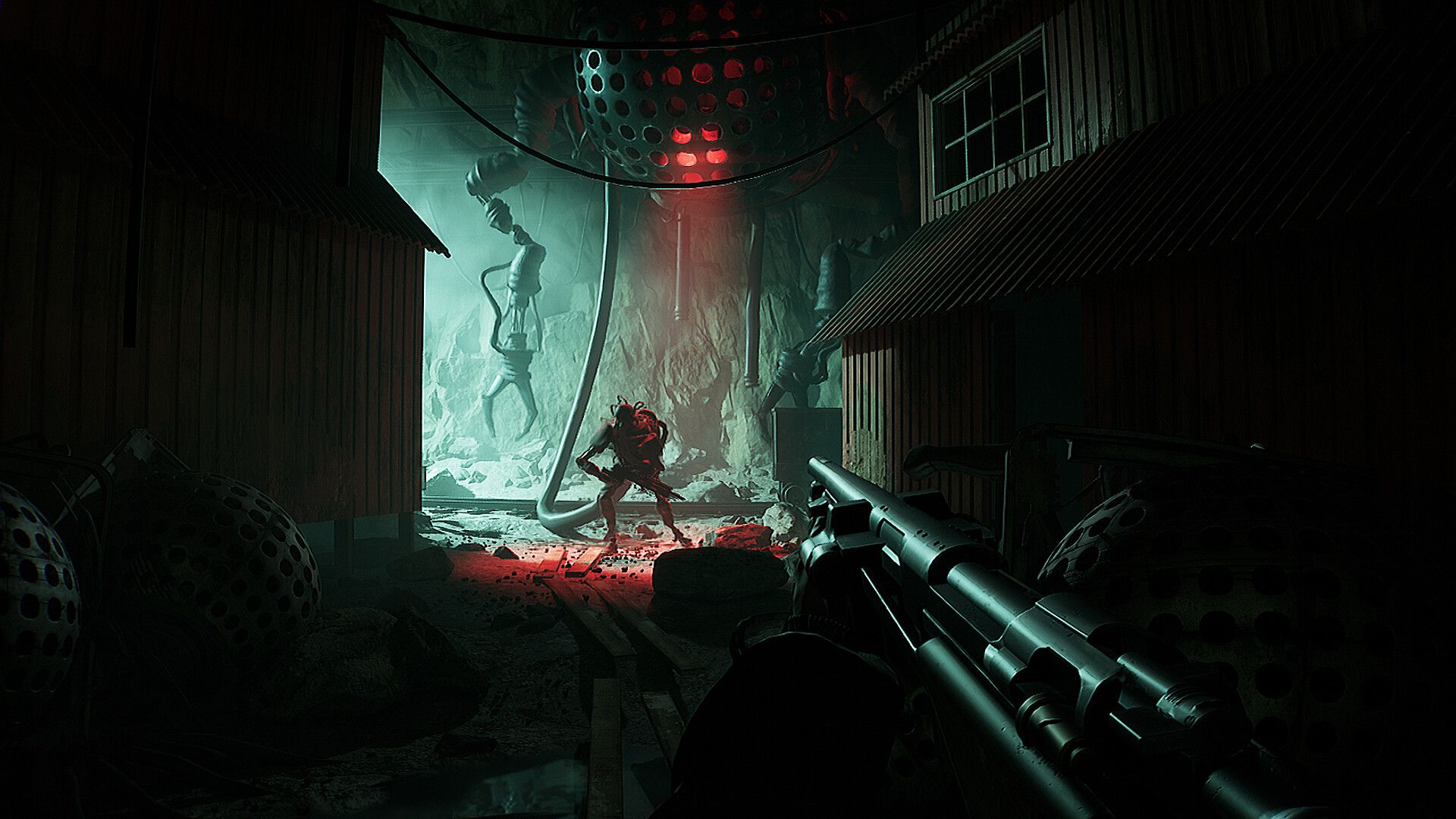
The original Industria was released in 2021, and while I enjoyed it, it seemed the developer, Bleakmill, had perhaps taken on too much. Now, five years later, Industria 2 is here, but it still struggles with many of the same problems as the first game.
While the developers of Industria 2 aimed high with its story, gameplay, and graphics, the game is unfortunately hampered by technical issues, some poorly designed levels, and a lack of consistent refinement. However, we found that many of these problems seemed to depend on the computer it was played on, as the game has a strong foundation as a slow-paced, atmospheric shooter that often shines through its flaws.
We found that performance in Industria 2 differed significantly depending on the PC it was running on. On a system with an AMD Ryzen 7 7800X3D processor, 32GB of RAM, and a Radeon RX 7800 XT graphics card, the game initially ran poorly. After a period of shader compilation, the DirectX 12 version seemed to have trouble processing certain graphics settings.
Even though I set the game’s resolution to match my monitor (2560×1440), it only displays at 1920×1080. It’s also odd that players with AMD graphics cards don’t seem to have an option to turn off frame generation. This feature is tied to the FSR settings, but Nvidia users have a separate setting to control it.
Playing Industria 2 with ray tracing enabled using DirectX 12 introduced noticeable input lag due to the frame generation technology, making the game feel slow and unresponsive. Even though the game reported around 150 frames per second with frame generation active, I would have preferred the option to turn it off and still maintain a smooth 60+ FPS. Ultimately, I switched to the DirectX 11 version, which the developers call “Performance Mode,” for a better experience.
When it comes to performance, I consistently got smooth frame rates no matter which graphics setting I used. With ray tracing enabled (using DirectX 12 and frame generation), I averaged around 150 FPS, which translates to a real frame rate of about 70. Switching to performance mode (DirectX 11) gave me solid performance between 80 and 100 FPS.
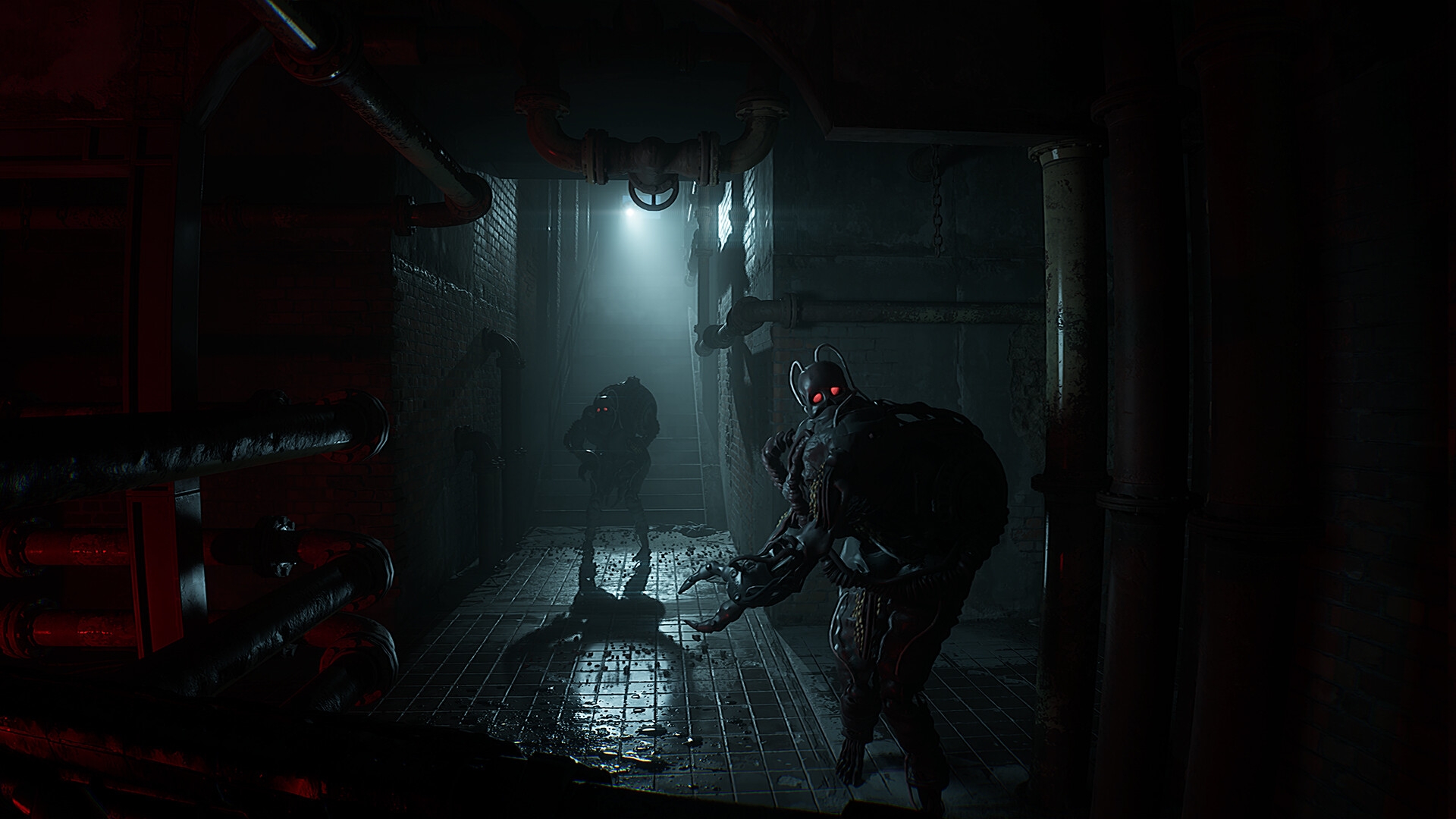
If you hit something like a wooden plank at a bit of an angle, it could actually launch into space.
Okay, so let me tell you about the issues I ran into while playing. Honestly, the game was full of bugs. I’m talking weird physics glitches – I once bumped a wooden plank and it just launched into orbit! The movement felt off too. It wasn’t just that the frame generation made things a bit slow, but I kept running into invisible walls that would just stop me dead in my tracks. It was super frustrating, especially on my AMD setup.
I remember a funny bug in the early versions of Industria 2: every time I made bullets, a nearby character would repeatedly explain how to craft them, even though I already knew how! It didn’t break the game or ruin the fun, but it was a clear sign that Bleakmill needed more time to refine Industria 2 before its release.
Playing on a system with an Nvidia RTX 3080 Ti and Ryzen 9 5950X, the game ran much more smoothly. Without using DLSS, Industria 2 offered solid performance overall. While there were some performance dips in larger outdoor areas, the game was mostly stable and playable. I didn’t experience the frequent crashes others reported, but I did hit one significant bug that forced me to restart a chapter, which was annoying. Though updates have fixed some problems, Industria 2 still feels like it could use a bit more refinement.
Industria 2 is a first-person action horror game similar to Resident Evil Village. You’ll spend time carefully exploring environments and fighting scary creatures. What makes it different is how you interact with things – instead of just pressing a button to open a door, you have to hold down the action key and physically drag it open.
This detail adds to the game’s realism, making the world feel more believable and grounded in physics. It also heightens the tension of enemy encounters, as you can’t just dash past them through doorways.
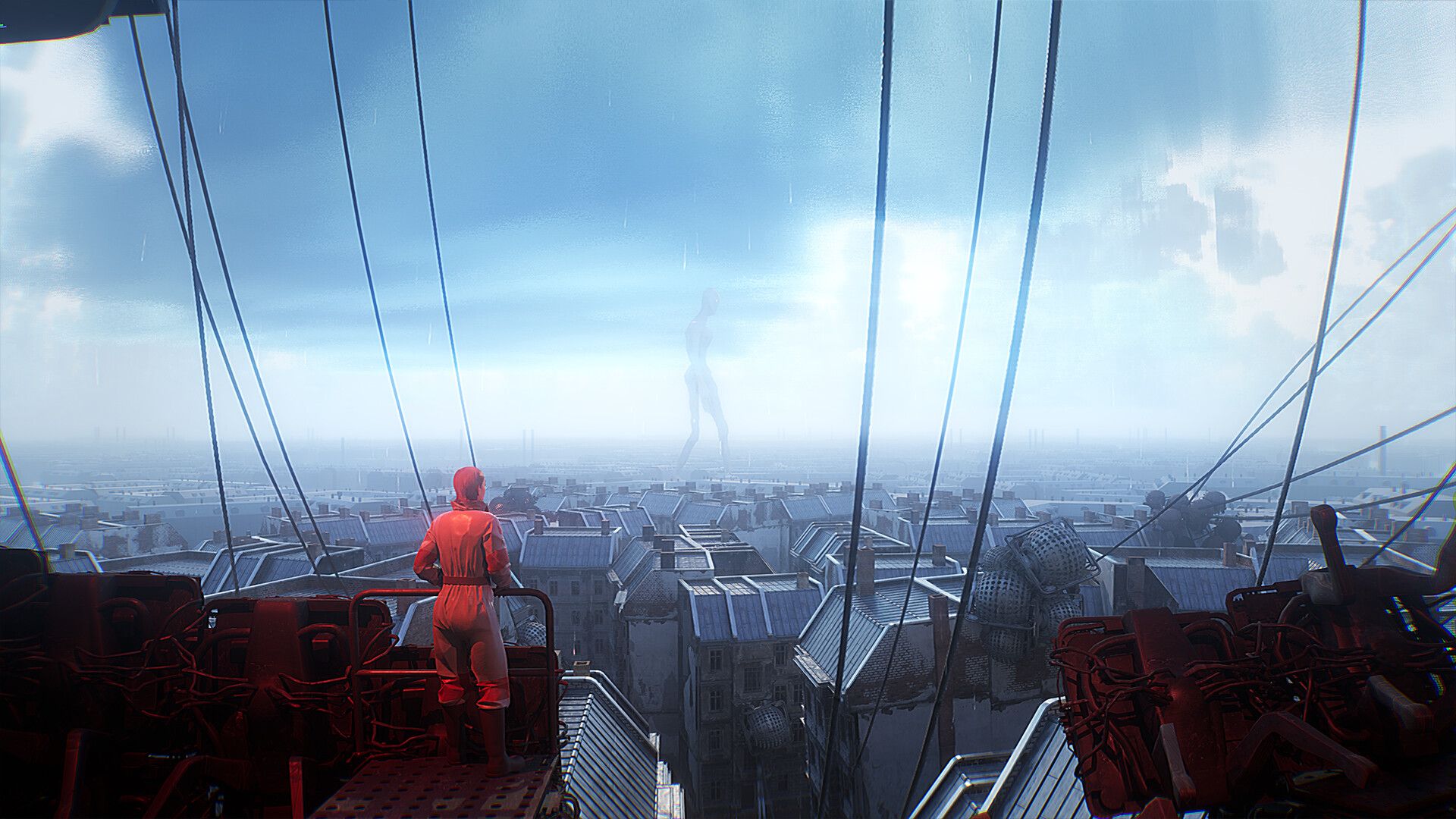
“Once you get past its rough edges, Industria 2 can often be quite fun.”
Beyond just sharing a similar genre, Industria 2 takes noticeable inspiration from Resident Evil. Like those games, ammo is limited and inventory space is tight, pushing you to carefully explore your surroundings. The game’s crafting system is a key part of this, and surprisingly, it meant I never really had to worry about running out of ammo – I could just make more! While the weapons themselves aren’t very exciting, they do follow a familiar progression, starting with basic tools like an axe and eventually unlocking pistols, shotguns, and other firearms.
Despite a somewhat unpolished feel, Industria 2 is frequently enjoyable. The game excels at creating suspenseful situations where you must quickly decide whether to avoid or fight aggressive robots, all while also solving puzzles. The pacing is also well-managed; it begins slowly, but soon picks up once you acquire a weapon and move to a new location.
The game’s crafting and weapon progression systems are both well-done. They aren’t overly complex, but they add value to exploring the world and managing resources without being frustrating. You can clearly feel your weapons getting better, which enhances the experience without slowing down the action.
The game features a good mix of enemy types, preventing combat from feeling too samey. While the enemy AI isn’t perfect – they don’t always act very smartly – it fits the game’s overall pace, which is slower and more strategic.
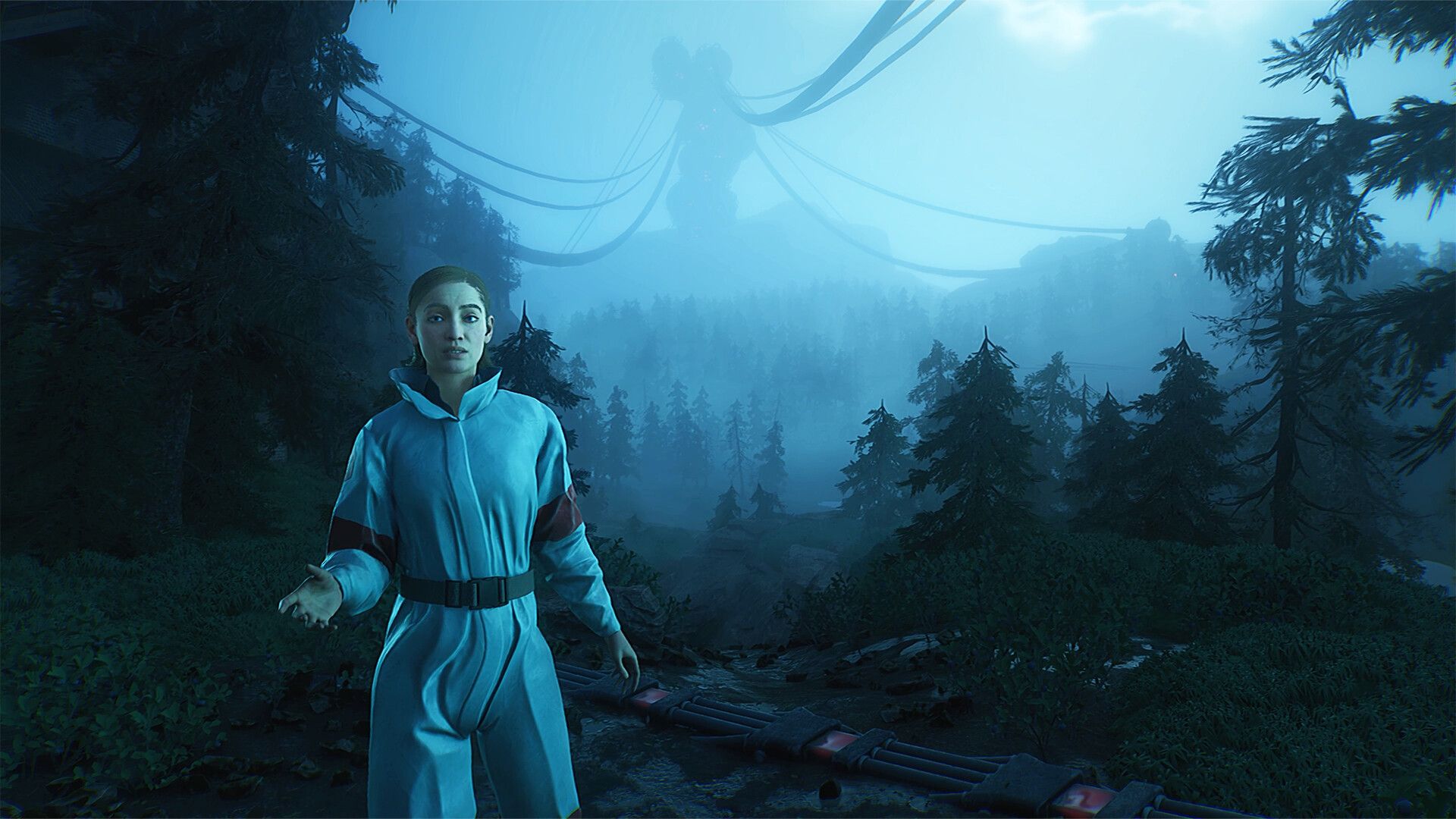
Honestly, this game just looks different – it has a really unique style. The world itself, with all the gritty industrial areas, weird machines, and creepy vibes, does so much to pull you in and make it memorable. It’s not just pretty, it really builds the whole experience.
One of the best parts of Industria 2 is its look. The unique art style really makes the game stand out, and the detailed industrial settings, bizarre machines, and creepy mood create a strong sense of place. The sound design, while functional, isn’t as strong. Considering how important atmosphere is to the game, it could have been more effective at building suspense, bringing the environments to life, and making the action feel more exciting.
The level design isn’t always consistent. Industria 2 sometimes creates areas that appear larger or more open for exploration than they actually are, with many locked doors and blocked paths. This can make the environments feel more confined than players might expect. While it doesn’t ruin the game, it occasionally makes exploring feel a bit unnatural.
Industria 2 continues the story from the 2023 game. You play as Nora, who is trapped in a twisted version of Germany controlled by an AI called ATLAS. This AI is creating terrifying creatures, and despite your efforts in the first game, Nora is still stuck, trying to find a way home while avoiding these dangerous creations. The game’s story is compelling and helps make up for some of its less enjoyable parts.
Industria 2 is a flawed but ultimately rewarding follow-up. While technically unstable, our experience differed greatly depending on the computer used – the AMD-based system had many more problems than the Nvidia one. The game also features some poorly designed levels, less-than-ideal enemy AI, and at least one bug that required us to restart a chapter.
Despite some flaws, the game is enjoyable thanks to its deliberate pace, satisfying crafting system, straightforward but rewarding weapon upgrades, diverse enemies, distinct art style, and immersive atmosphere. While it could benefit from further refinement and players might encounter some technical issues, it’s still worth checking out for fans of atmospheric, first-person horror adventures.
This game was reviewed on PC.
Read More
- Everything You Need To Know About Nikki Baxter In Stranger Things’ Animated Spinoff
- The Boys Season 5, Episode 5 Ending Explained: Why Homelander Does THAT
- After 11 Years, Black Clover Officially Ends With Final Release (& Crowns a New Wizard King)
- Gemma Arterton spy thriller Secret Service based on hit novel gets release date confirmed on ITV
- Welcome to Demon School! Iruma-kun season 4 release schedule: When are new episodes on Crunchyroll?
- Miranda Kerr Shares “Quick” Procedure She Got Before Met Gala 2026
- 7 Most Brutal Avengers Villains, Ranked by Threat Level
- ‘The Bride!’ Review: Jessie Buckley Breathes Life into a Monstrous Mess
- A Fiery Titan Returns – Monarch: Legacy Of Monsters Season 2 Finale Explained
- See King Charles & Queen Camilla’s Royal Looks for State Dinner
2026-05-06 22:14