
Released in North America on May 14, 2001, The Legend of Zelda: Oracle of Seasons and Oracle of Ages were instant hits on the Game Boy Color. Their bright graphics were particularly impressive for the time, and both games remain enjoyable today. Developed by Flagship – the team behind later titles like Resident Evil Zero, The Legend of Zelda: The Minish Cap, and Kirby & the Amazing Mirror – the games share a similar starting point (Link being summoned to save a faraway land) and gameplay inspired by Link’s Awakening. However, each game offers a unique experience. Oracle of Seasons especially stood out with its charming woodland atmosphere and focus on changing seasons and hidden underground areas.
Both Oracle of Ages and Oracle of Seasons are complete adventures on their own, much like Pokémon Red and Blue. Oracle of Ages uses time travel to create a rich and detailed world, building on the ideas first explored in Ocarina of Time on the N64. But what makes these games truly special is a hidden feature unlocked only after completing both – a surprisingly ambitious design choice that sets them apart in the Legend of Zelda series.
The Oracle Arc Is One Of Legend Of Zelda’s Most Underrated Narratives
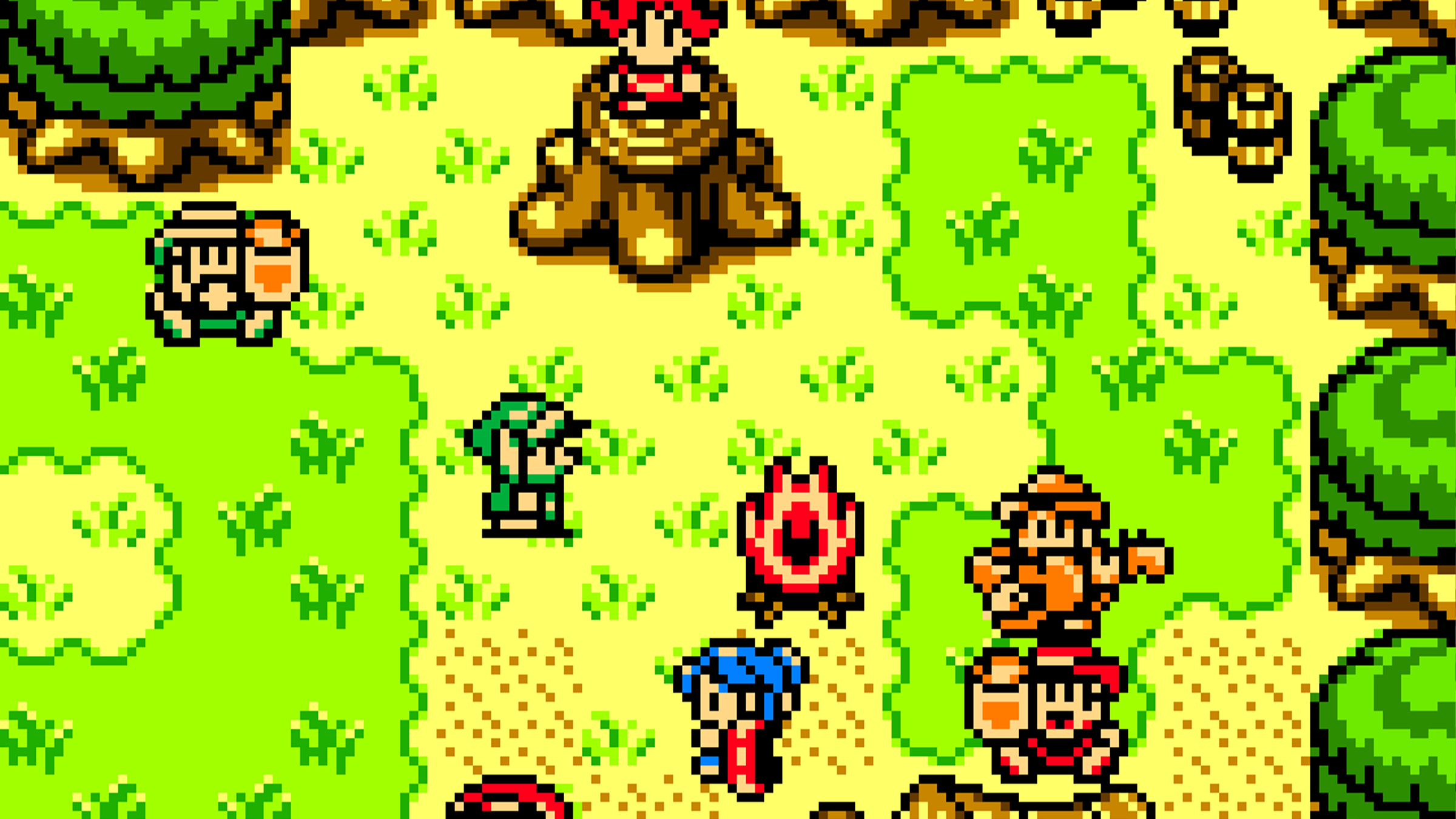
Both Seasons and Ages have Link journeying to a different world to save a magical oracle. In Oracle of Seasons, Link must rescue Din from Onox, a powerful and cruel warrior who can transform into a giant dragon. Oracle of Ages challenges Link to defeat Veran, a witch trying to control time using the Nayru. Each game features a unique world to explore, interesting characters to meet, and creative enemies to battle.
The game builds on the original with some clever changes, notably a bigger focus on items – you can even trade your sword and shield for entirely different equipment. Overall, it feels like this game and the previous one are similar to the paired versions of Pokémon: they use the same core game mechanics, but offer a distinct experience with different characters and features.
Each of these games would have been enjoyable on its own, and releasing both felt like a last big effort for the original Game Boy before the Game Boy Advance arrived. But the really clever part was that a third, hidden adventure became available only after completing both games. By connecting the two games with a Game Link Cable and entering a special password after finishing one, players could unlock a new ending in the second game they played.
This version of the game changes the second part of the story so that Twinrova captures Zelda, taking advantage of the magical energy left over from the attempt to revive Ganon. This compels Link to pursue them, leading to a final showdown with the restored Ganon. By connecting the three parts of Link’s journey, the game tells a longer, more continuous story – something the series rarely does – and it still feels compelling even after 25 years.
The Power Of Two

Unlike many games, The Legend of Zelda series rarely makes direct sequels. While Breath of the Wild and Tears of the Kingdom were unique in this way, Oracle of Ages and Seasons actually pioneered this approach over ten years prior, and arguably did it better, creating truly epic Zelda adventures. Both games featured strong, memorable villains – Veran and Onox – who felt like genuine threats as final bosses. This is especially notable because they avoid the issue that The Twilight Princess had with its villain, Zant, who ended up being overshadowed by Ganondorf’s eventual appearance.
After finishing both games, Ganon’s return feels like a natural progression of the story, but it doesn’t diminish the impact of defeating the earlier villains – their unique personalities and the challenges they presented remain rewarding. Twinrova’s attempt to revive Ganon feels like a continuation of the main adventure, building towards a truly epic finale that puts all the player’s skills to the test. This gave the game a grand scale rarely seen in Game Boy titles of the time, creating a three-part story the series hasn’t revisited since.
The Game Boy Oracle games successfully maintained the core feel of the Legend of Zelda series, offering complete and satisfying adventures on their own. What’s particularly remarkable is how well they achieved this on a handheld system, making excellent use of the Game Boy’s link cable functionality. Even as later Zelda games became more complex, the Oracle titles stand out as prime examples of how the series can feature a larger, connected storyline without sacrificing the feeling of a focused, individual quest that defines a great Legend of Zelda experience.
Read More
- FRONT MISSION 3: Remake coming to PS5, Xbox Series, PS4, Xbox One, and PC on January 30, 2026
- Best Controller Settings for ARC Raiders
- Taylor Sheridan’s Gritty 5-Part Crime Show Reveals New Final Season Villain
- The Boys Season 5 Officially Ends An Era For Jensen Ackles’ Soldier Boy
- ‘The Bride!’ Review: Jessie Buckley Breathes Life into a Monstrous Mess
- Invincible Season 4 Episode 4 Post-Credits Unveils a Demonic Return & More
- Welcome to Demon School! Iruma-kun season 4 release schedule: When are new episodes on Crunchyroll?
- From season 4 release schedule: When is episode 2 out on MGM+?
- Mark Zuckerberg & Wife Priscilla Chan Make Surprise Debut at Met Gala
- Meet the cast of Good Omens season 3: All the actors and characters
2026-05-14 19:11