Marvel Comics is famous for creating incredibly popular and enduring characters. The success of the Marvel Cinematic Universe is no surprise – these characters were carefully developed over many years to appeal to a wide audience. Marvel has consistently lived up to its reputation for innovation, constantly finding new and surprising directions for its heroes. At its best, a Marvel story features a compelling struggle between good and evil, helping characters grow and become even stronger. But not every story manages to achieve that level of success.
Stories don’t always improve characters; sometimes they actually make them worse. This can be intentional, but occasionally it’s a misstep by the creators, resulting in stories that leave everyone in a worse state than when they began. Here are seven Marvel stories that negatively impacted their main characters, significantly harming some of the most popular heroes.
7) The Teen Iron Man Storyline
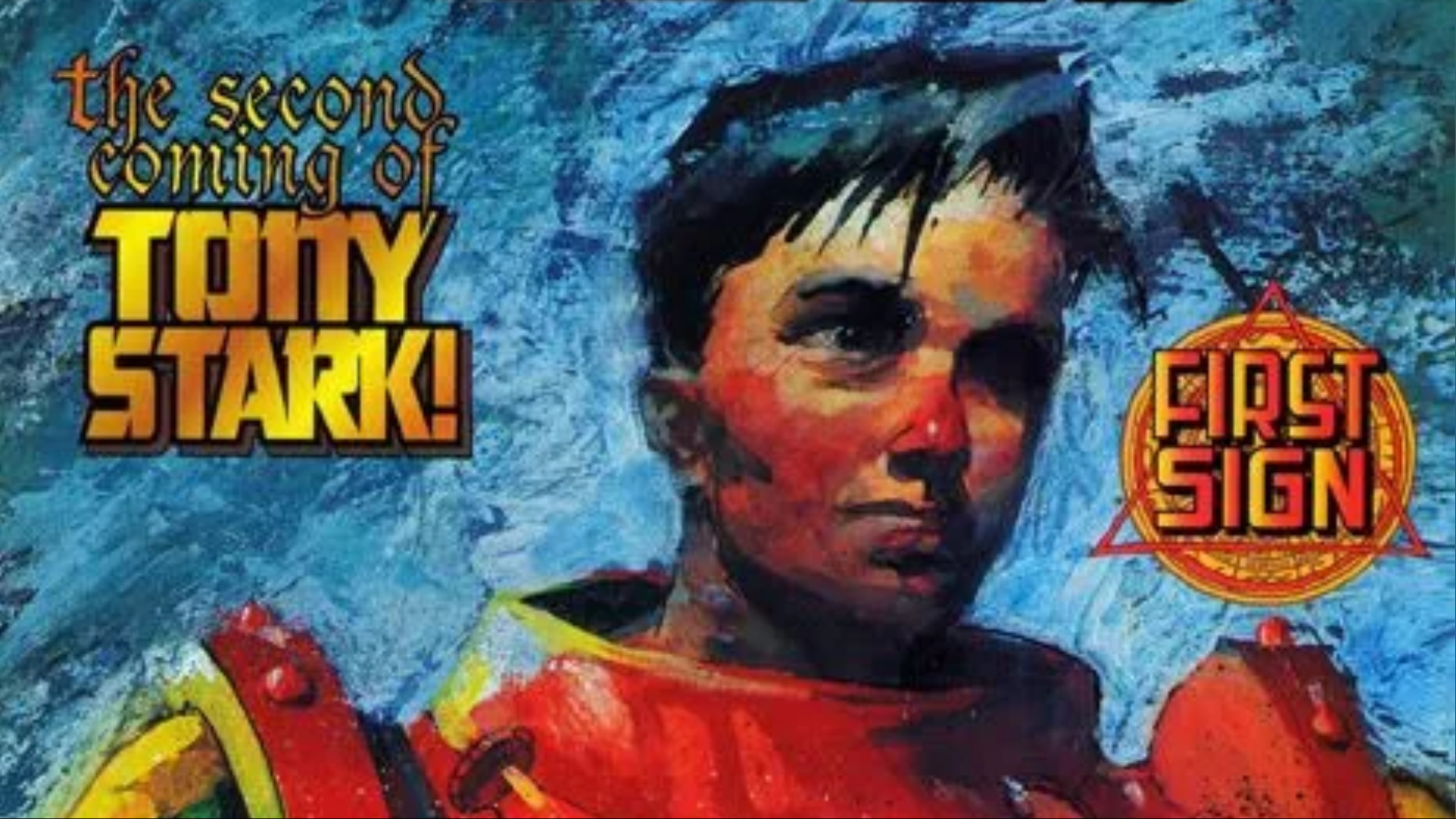
Iron Man has been part of many memorable stories, and some have tried too hard to be truly great, often without success. A prime example is the storyline that began with “The Crossing,” which revealed Tony Stark had secretly been manipulated by Kang for years. The plot involved time travel to get a younger Tony Stark to defeat his older self – a concept that never really made sense, as the younger Tony was less experienced. Keeping this version of the character around proved to be a big misstep. Although the story was eventually cut short by the “Onslaught” event, that storyline wasn’t much better either. Many fans consider this period to be the low point in Iron Man’s history and would prefer to forget it ever happened.
6) The Inhumans Titles Post-2016
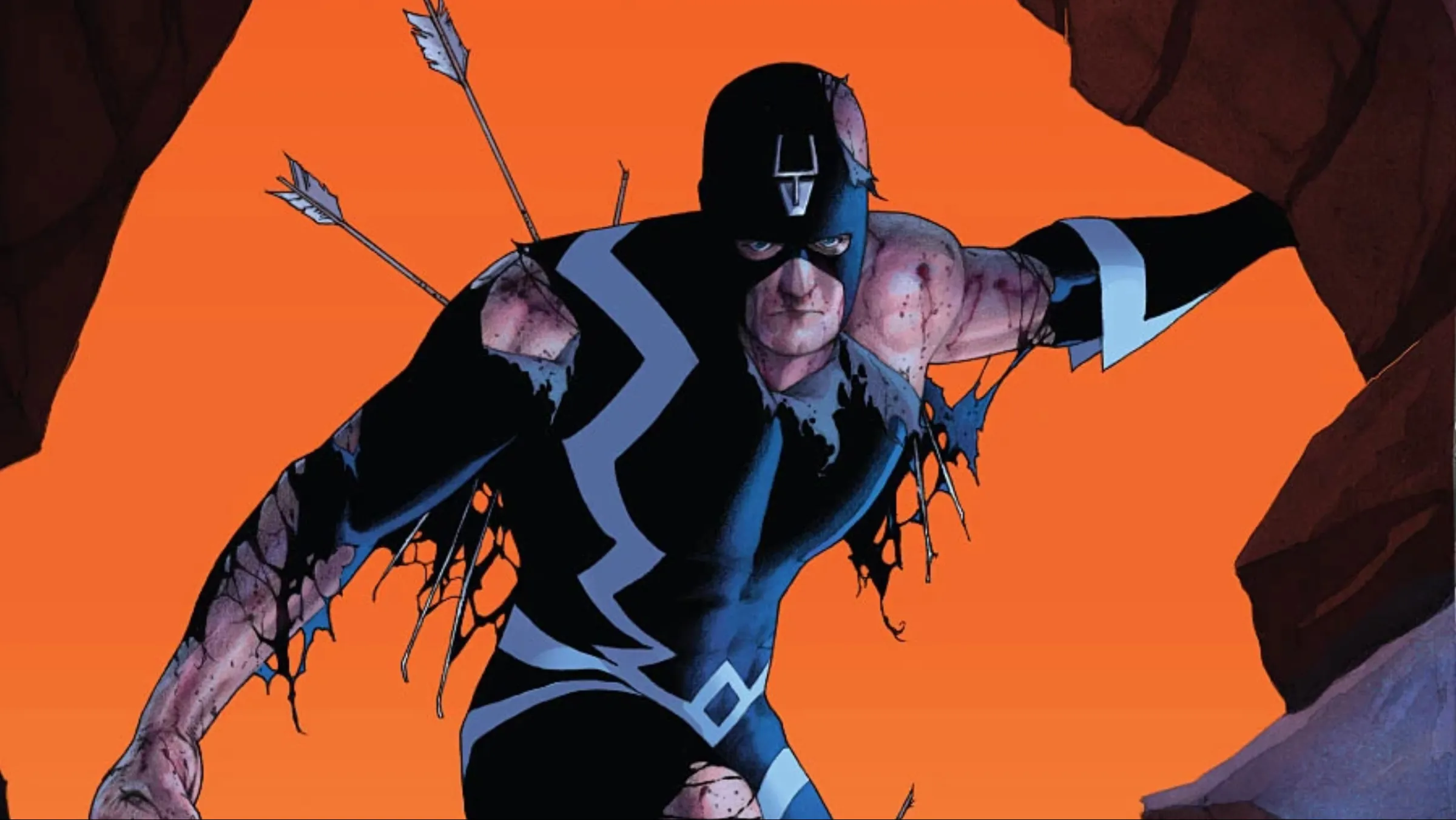
Marvel’s attempt to heavily promote the Inhumans was a significant failure, particularly after 2016. At that time, then-Marvel executive Ike Perlmutter decided to replace the X-Men in comics – since Marvel didn’t have the movie rights to the X-Men – with the Inhumans. While X-Men comics still existed, they were sidelined as the Inhumans received the storylines that would typically go to titles like Uncanny Inhumans, Inhuman, All-New Inhumans, and various individual character books. However, the Inhumans weren’t well-suited to the themes of social justice and equality; their origins are rooted in a problematic history of eugenics and slavery. As a result, fans reacted negatively, the comics weren’t successful, and the Inhumans are now in a weaker position than they were before Marvel’s push to make them more prominent.
5) Avengers vs. X-Men
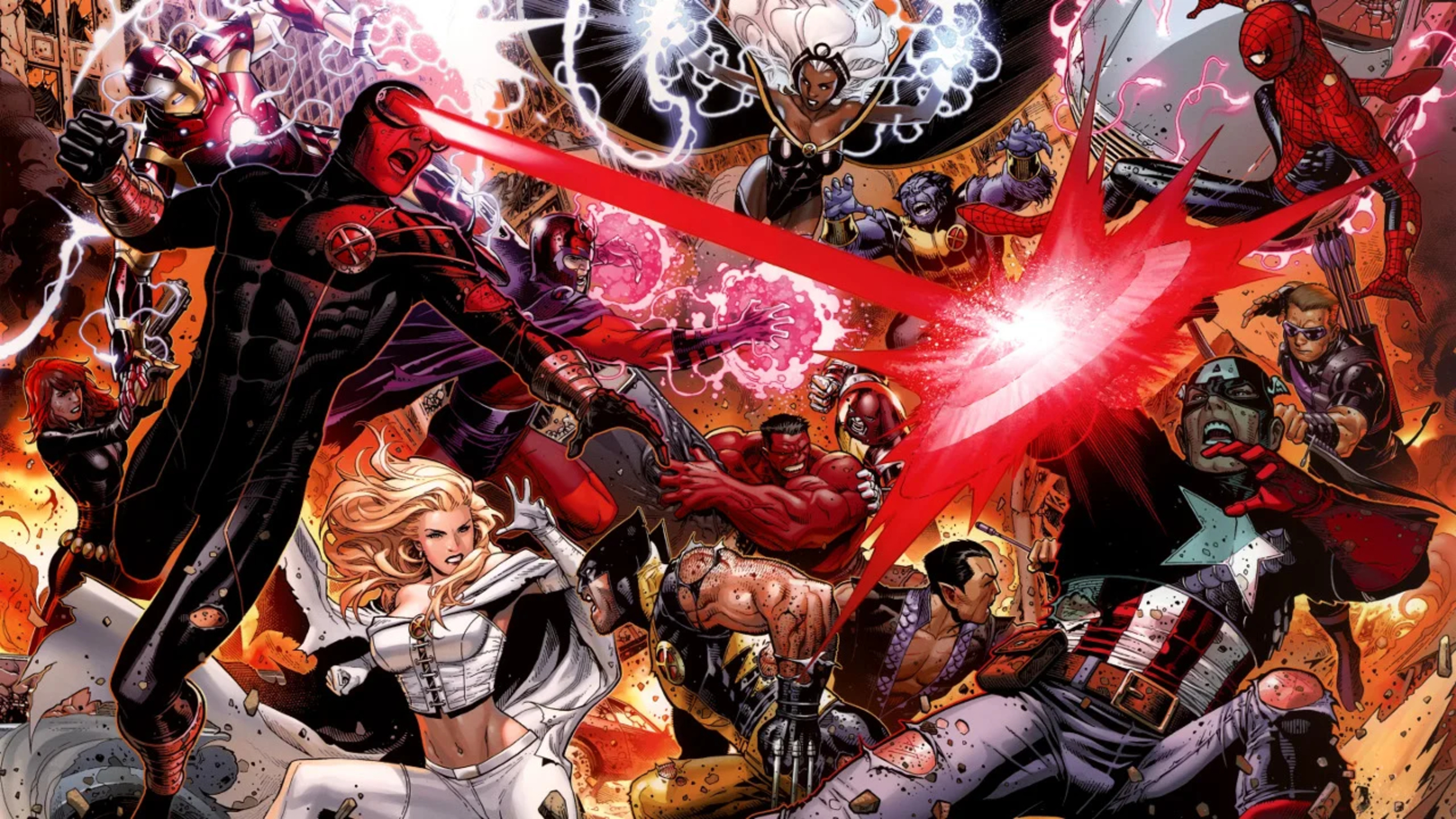
The 2012 event Avengers vs. X-Men, created by a team of writers and artists including Brian Michael Bendis and Jonathan Hickman, was designed to capitalize on the popularity of The Avengers movie. The story centered on a conflict between the Avengers and the X-Men over the powerful Phoenix Force. However, it was heavily biased towards making the Avengers look heroic, which meant portraying Cyclops and his X-Men as villains. The storyline significantly damaged Cyclops’s reputation, culminating in him becoming the Dark Phoenix, tragically killing Professor X, and ultimately being defeated and imprisoned after betraying Emma Frost. Interestingly, looking back at the story now, it becomes clear that Cyclops’s motivations were actually justified, despite the narrative actively working against him.
4) Steve Rogers: Captain America
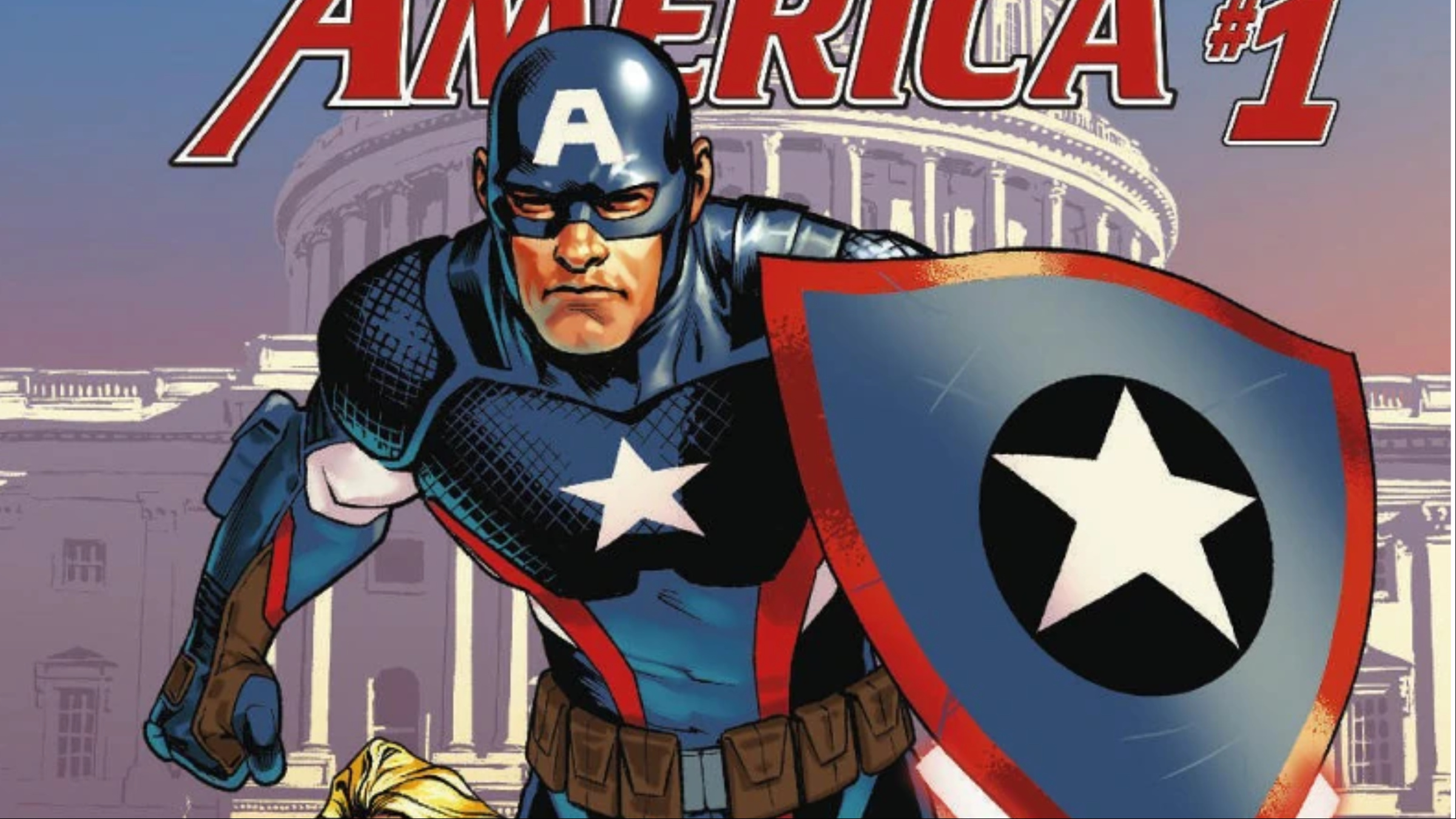
When Sam Wilson took on the role of Captain America in the mid-2010s, Steve Rogers was portrayed as an elderly man. Later, through a complicated plot involving a Cosmic Cube, Rogers regained his youth and received his own comic series, Steve Rogers: Captain America, written by Nick Spencer. This series shocked readers by revealing that Captain America had secretly been a member of Hydra all along. This was a drastic change to the character, deliberately damaging Rogers’ reputation to tell a story about him attempting to take control of the United States and establish a fascist regime (which some noted happened around a time of rising fascism in the real world, though the timing was likely just a coincidence). Whether fans liked it or not, this storyline fundamentally altered who Steve Rogers was and turned him into someone else entirely.
3) Civil War II
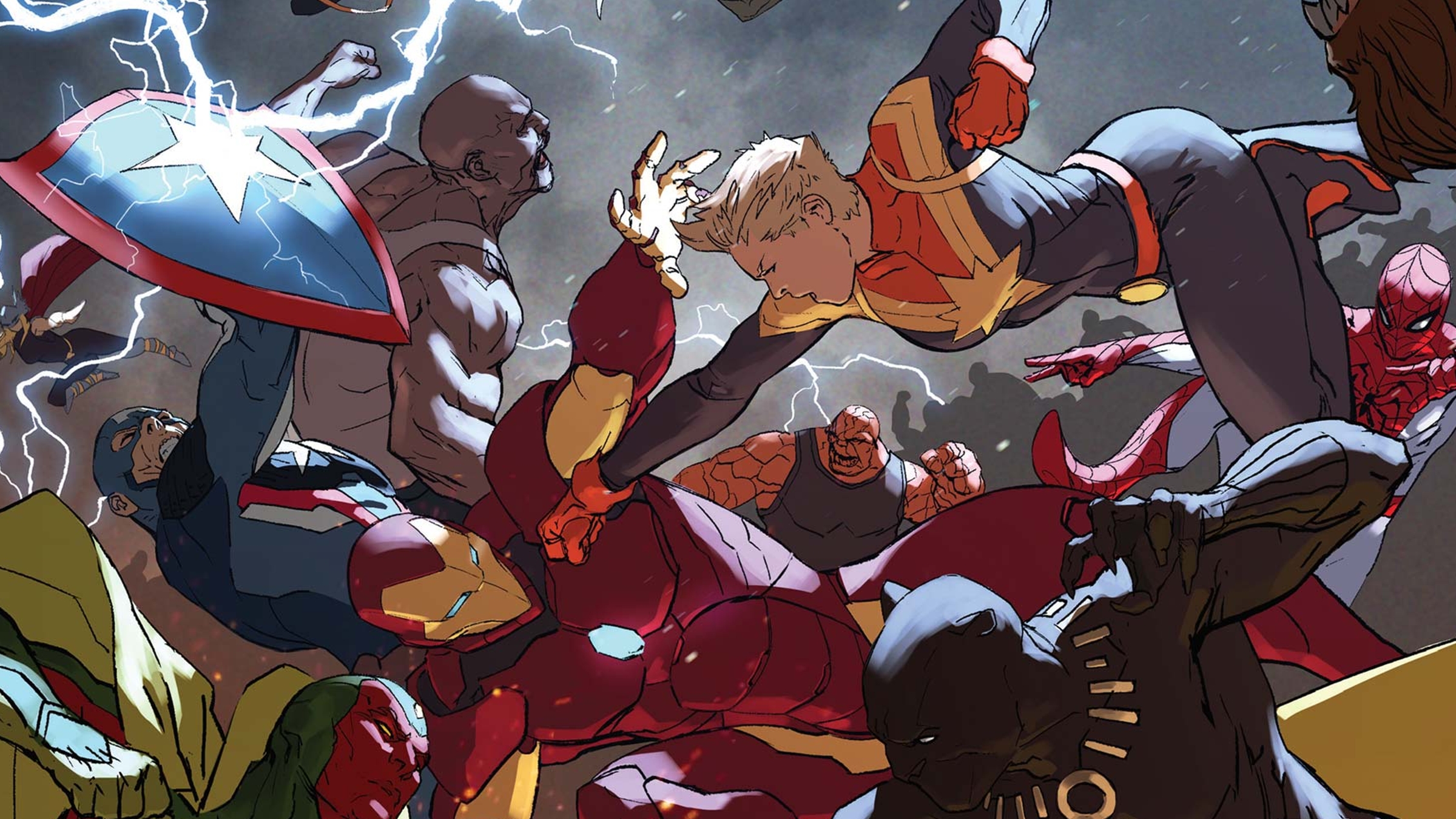
The comic book event Civil War II, created by Brian Michael Bendis and David Marquez, was clearly designed to appeal to fans of the Captain America: Civil War movie and draw them into reading comics. The story revolved around a conflict between Iron Man and Captain Marvel, sparked by the Inhuman Ulysses, who had the ability to see the future. Unfortunately, the series significantly damaged Captain Marvel’s character, taking a rising star and hindering her progress. It’s remarkable – and frankly concerning – that this commercially driven event could cause so much harm to a character Marvel was actively promoting, especially considering it was an intentional outcome.
2) “One More Day”
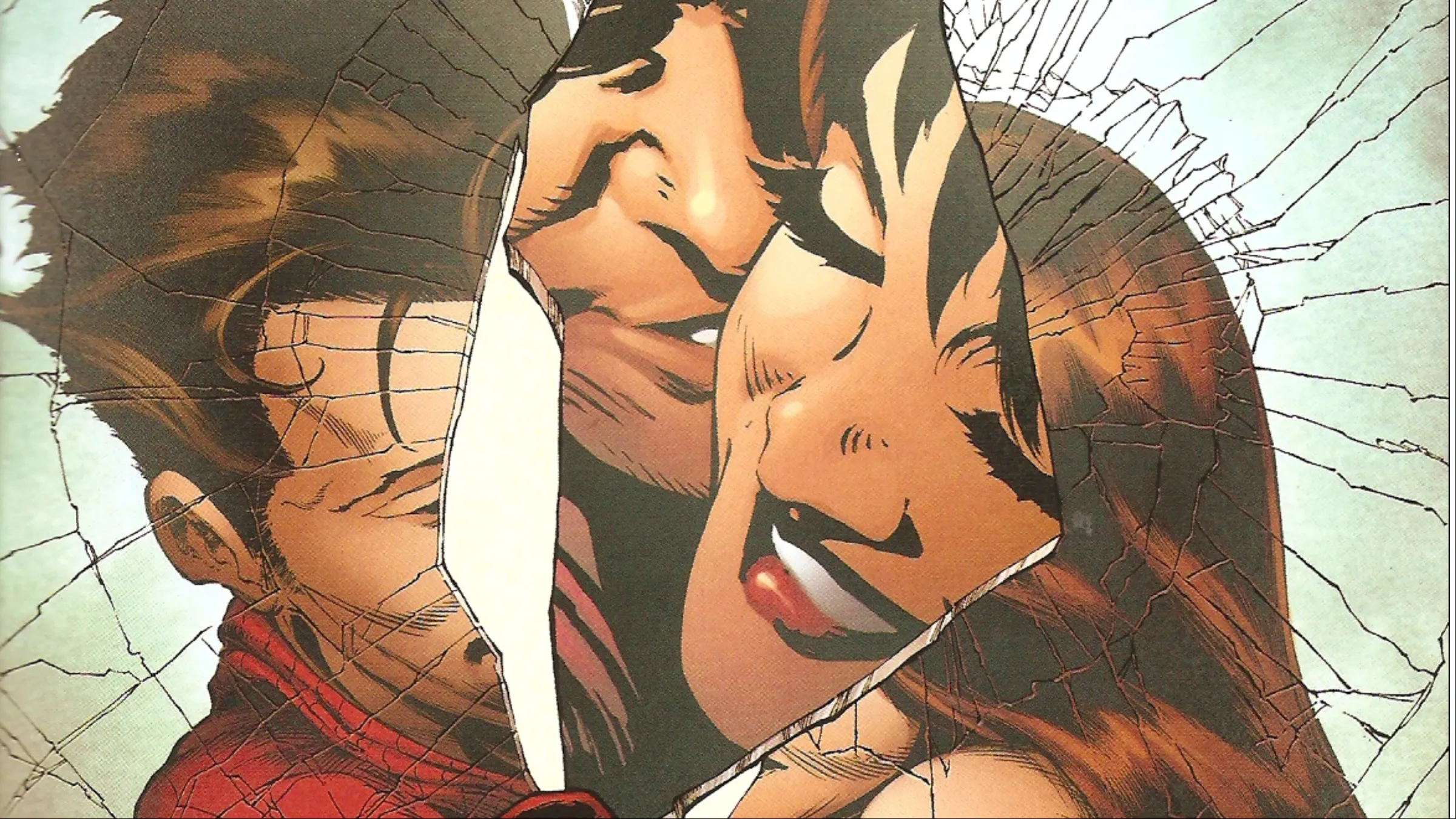
As a long-time Spider-Man fan, I have to say “One More Day” is a truly awful story. Written by Joe Quesada and J. Michael Straczynski, it felt like a cynical attempt to undo Peter Parker’s marriage to Mary Jane. The plot revolves around making a deal with Mephisto – essentially trading their happiness for Aunt May’s life. What really bothered me was seeing Peter, a character defined by responsibility, just run from the consequences of his actions. It felt incredibly out of character. They sacrificed something genuinely good – a loving marriage that positively impacted many lives – to save an elderly woman who, frankly, hadn’t been a major player in the comics for years. It’s a story that fundamentally misunderstands Peter’s core values, all in service of resetting him to some nostalgic version of Spider-Man that Quesada apparently preferred.
1) Civil War
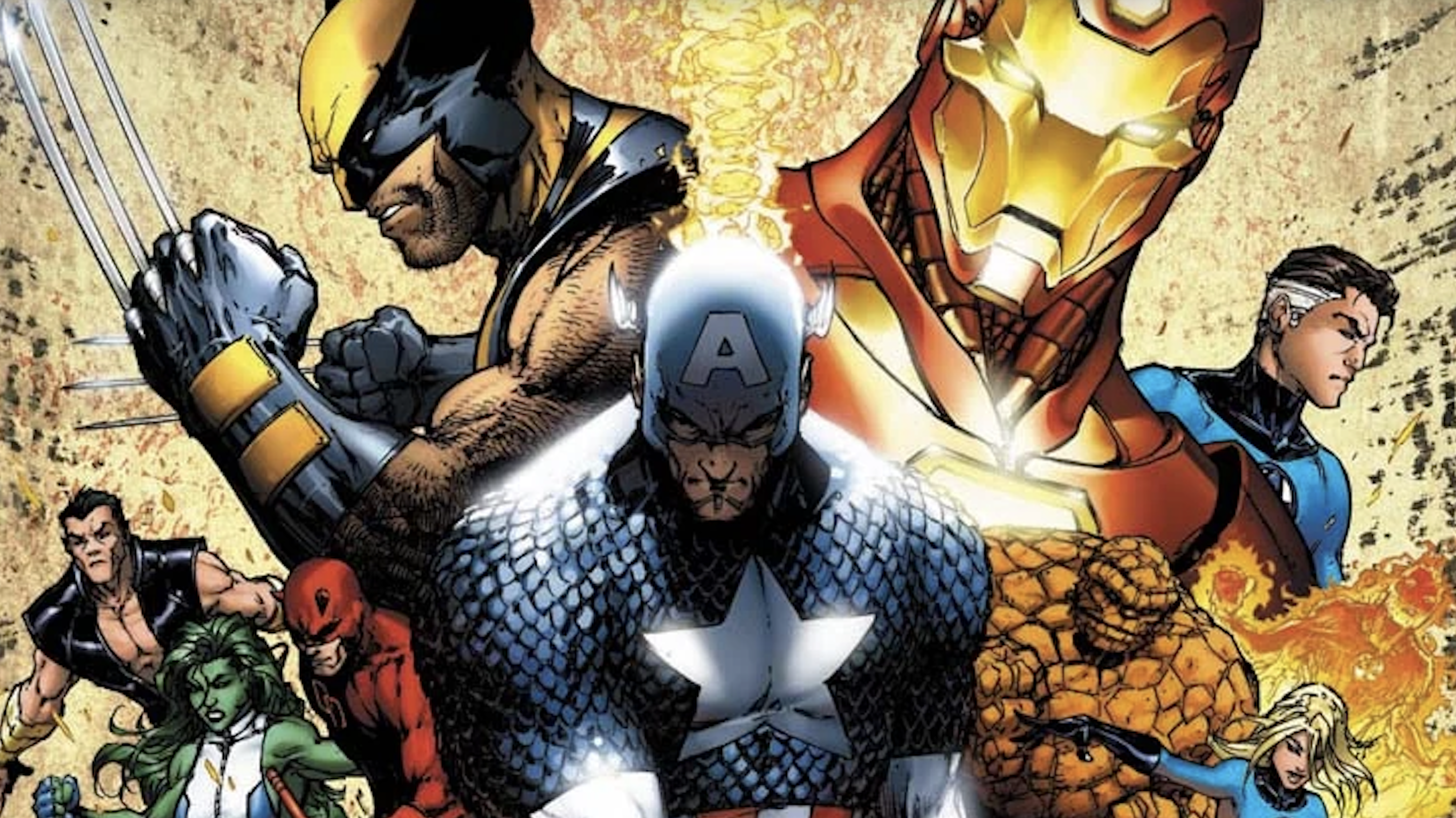
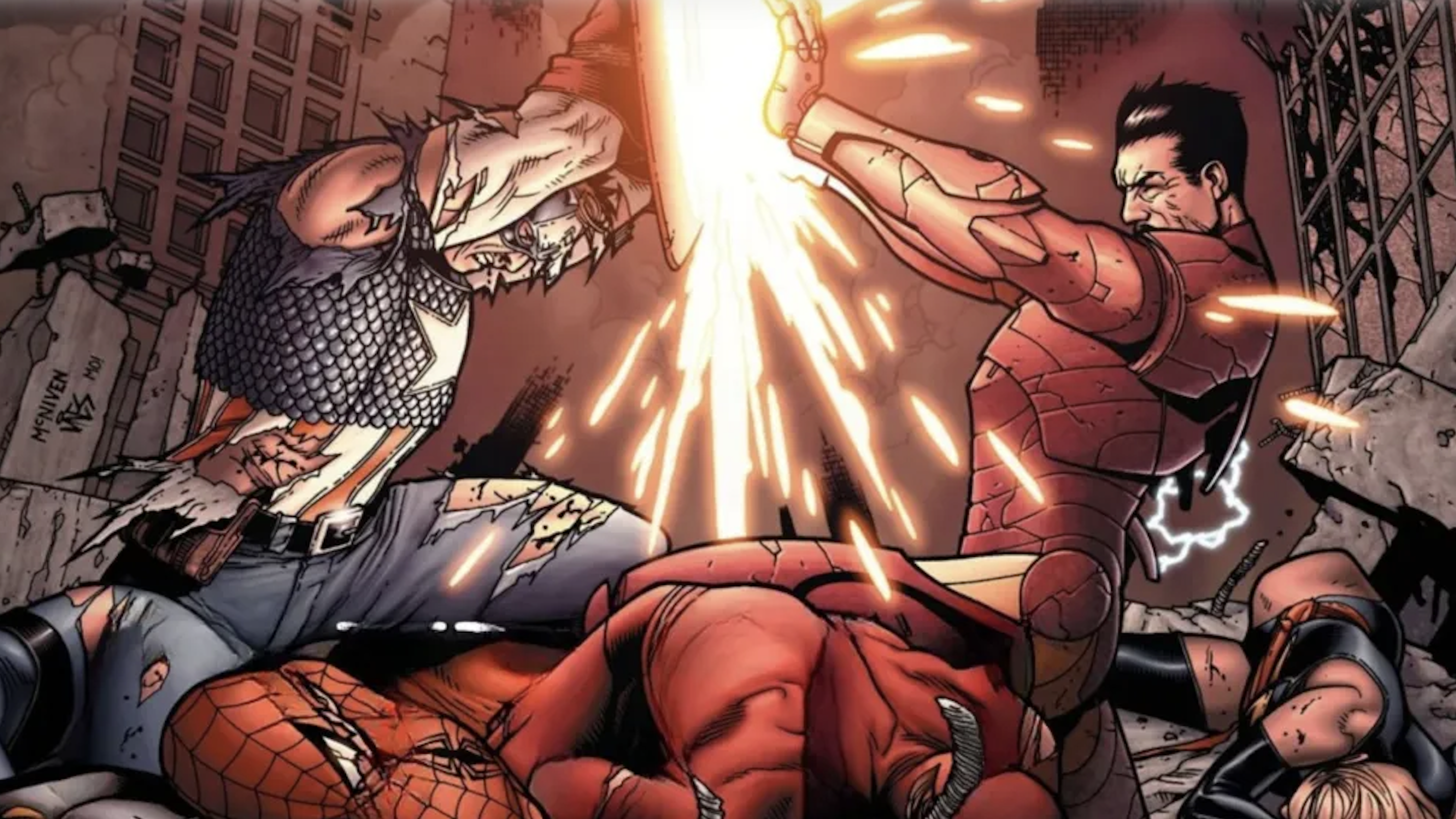
The Civil War storyline is a huge event in Marvel’s history, but it had some negative consequences. Written by Mark Millar and illustrated by Steve McNiven, it created a conflict between Captain America and Iron Man after a disaster led to the Superhero Registration Act. This act divided the heroes and sparked a full-blown war. While intended to showcase Iron Man as the hero, the story actually portrayed him as unlikeable, making questionable choices and betraying those close to him. This led to fans disliking him, which was the opposite of what Marvel hoped to achieve. It’s ironic considering the Iron Man movie came out a year later, meaning new fans who then discovered the comics were surprised to see how negatively Iron Man was viewed.
Read More
- FRONT MISSION 3: Remake coming to PS5, Xbox Series, PS4, Xbox One, and PC on January 30, 2026
- Best Controller Settings for ARC Raiders
- Taylor Sheridan’s Gritty 5-Part Crime Show Reveals New Final Season Villain
- The Boys Season 5 Officially Ends An Era For Jensen Ackles’ Soldier Boy
- ‘The Bride!’ Review: Jessie Buckley Breathes Life into a Monstrous Mess
- Invincible Season 4 Episode 4 Post-Credits Unveils a Demonic Return & More
- Welcome to Demon School! Iruma-kun season 4 release schedule: When are new episodes on Crunchyroll?
- From season 4 release schedule: When is episode 2 out on MGM+?
- Mark Zuckerberg & Wife Priscilla Chan Make Surprise Debut at Met Gala
- Meet the cast of Good Omens season 3: All the actors and characters
2026-05-14 19:15