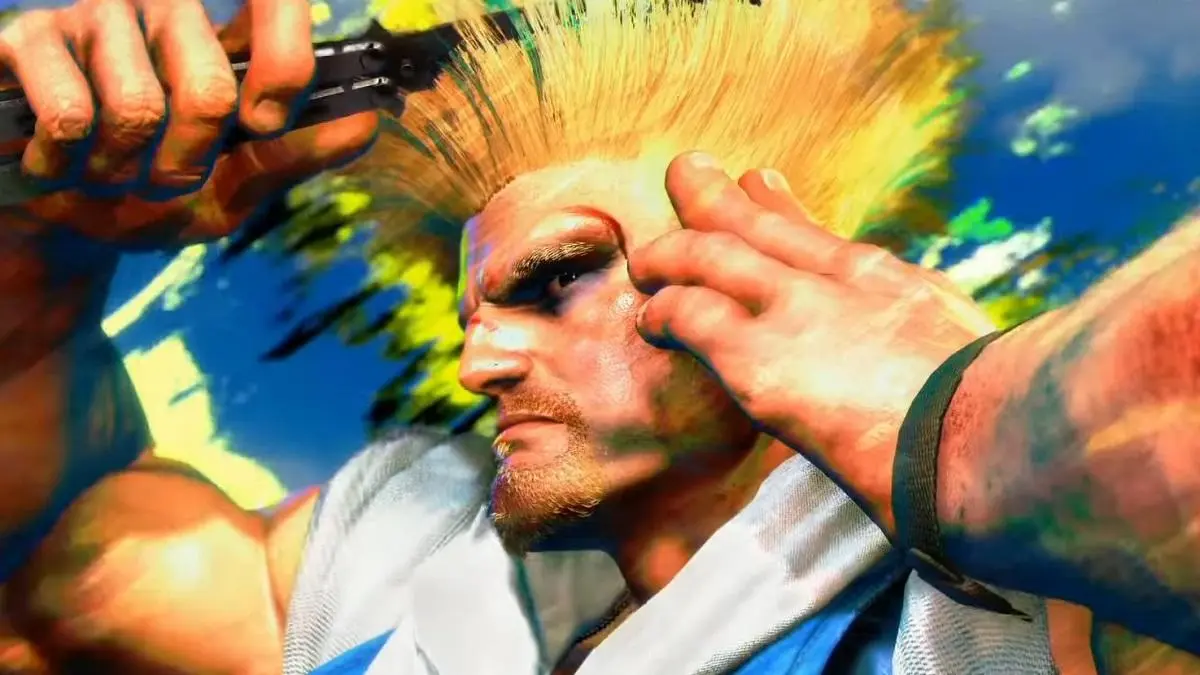
A game’s “skill ceiling” represents how much time and effort it takes to fully master everything it offers. This could involve perfecting precise actions, like aiming in a shooting game, or understanding all the complex interactions within a strategy game. Games with high skill ceilings are often complex and require a lot of practice and precise control to win consistently.
For me, a game with an easy skill ceiling is something like Balloon Tower Defense. Basically, you just need to get good at placing your towers to pop all the balloons. But then you get into genres like fighting games, RTS, or deck builders, and things get way more complicated. Those games have tons of little details and systems you need to learn. It’s not just about knowing what to do, but how everything works together. Seriously, mastering those games can take hundreds of hours – thinking about long-term strategies or learning crazy combos. It’s a huge time investment to get really good.
5. Rocket League
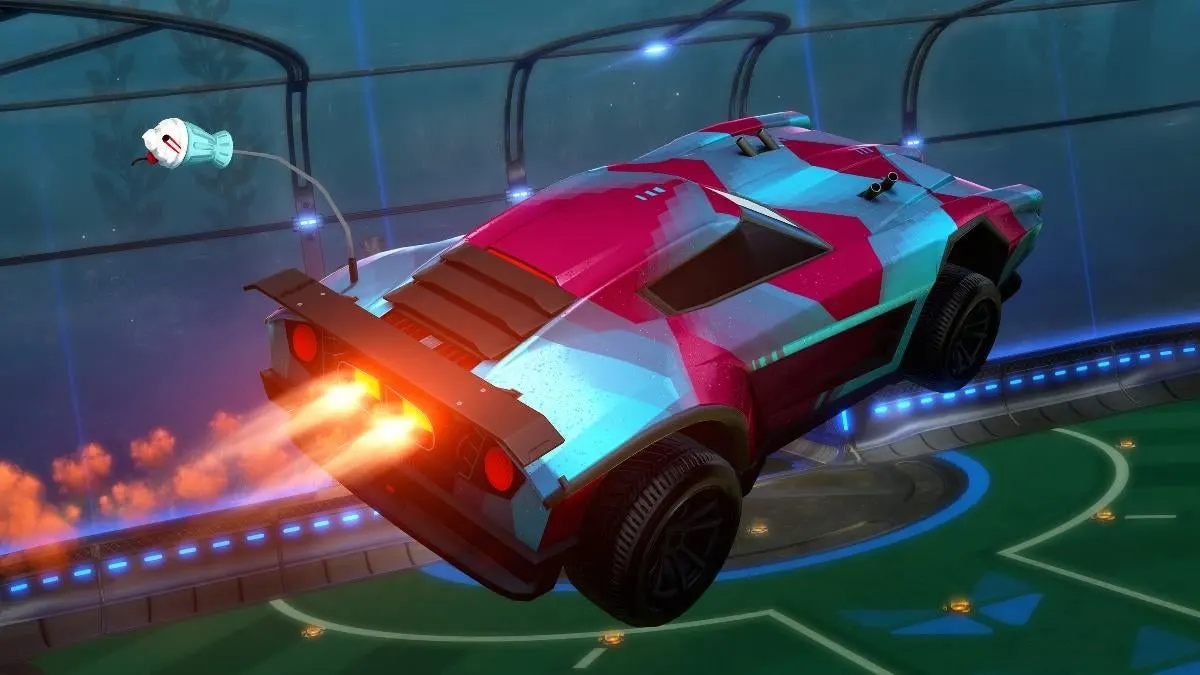
While Rocket League appears straightforward—teams drive cars to score a soccer goal—it’s surprisingly difficult to master. Accurate controls and skillful execution are essential, and even a small mistake can have big consequences. What separates good players from great ones isn’t just understanding the basic rules, but learning the subtle ways to control your car. Everything you do affects your momentum, and consistently managing that momentum is key to success.
In this game, each car has a boost meter that you can refill by driving over energy pads scattered around the arena—a glass-domed field where cars can drive up walls. Mastering the game means using boost strategically, with quick bursts to control your car’s movements. You can also perform small flips and jumps to hit the ball or knock opponents out of the arena, temporarily removing them from play until they respawn.
In Rocket League, how you and your opponents hit the ball with your cars – using speed and angles – determines where it goes. This creates passes and clears, much like in soccer. The game gets even more challenging when playing with a team, as you need to work together to defend, score, and block your opponents to win.
4. Street Fighter 6
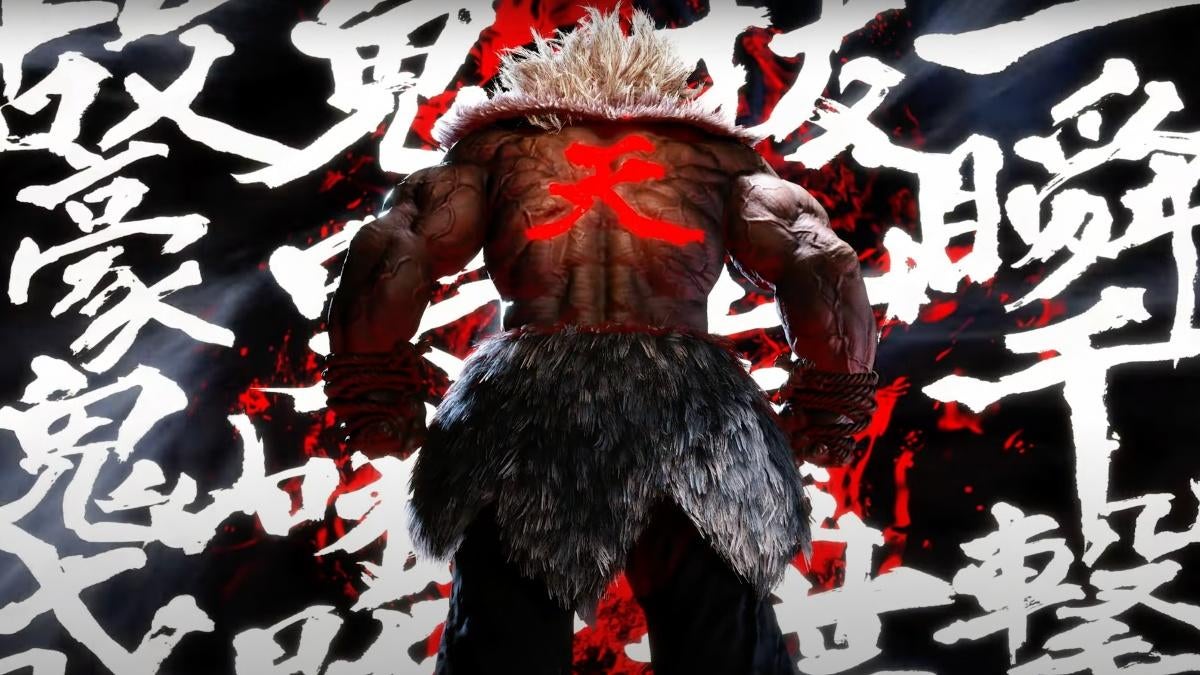
Look, fighting games are known for being tough to master, and Street Fighter 6 really shows why. It’s got so much to keep track of! Every character uses a six-button system – light, medium, and heavy punches and kicks. But it’s not just mashing buttons. You’ve got to learn how different directional inputs change your attacks, and some of those combos are key to actually winning with your character. It’s a lot, but it’s what makes the game so deep and rewarding.
Learning complex combos in Street Fighter 6—those requiring precise button presses and directional inputs—takes practice, despite the game’s helpful tutorials. The new Drive and Super meters add another layer of complexity, each with unique abilities built on top of the core gameplay. Even experienced fighting game players can struggle to master aggressive techniques like Drive Rush and Drive Impact, or to use defensive options like Drive Reversal effectively.
The way different characters interact adds depth to the game. A character strong against one opponent might struggle against another. For instance, Ryu’s projectile attack works well against a slower character like Zangief, but he needs a different strategy when facing JP’s quicker, long-distance attacks. Because success depends on a player’s understanding of their character, each match feels unique and unpredictable.
3. DOTA 2

Valve’s Deadlock is a solid MOBA that’s challenging to master, but DOTA 2 takes complexity to another level. DOTA 2‘s strategic gameplay is incredibly demanding, and even after many hours of play, it’s difficult to become truly proficient. Similar to Street Fighter 6, the game’s high skill ceiling starts with its diverse cast of characters, each offering unique strengths and playstyles.
Honestly, the item system is where this game really gets deep. Figuring out what items to build on your hero is huge for becoming competitive. It’s kinda like League of Legends in that you memorize item builds, but there aren’t always super obvious ‘best’ choices – it’s way more open-ended. And controlling the map? That’s a team effort. We’re constantly guarding key areas and making little adjustments all over the place, trying to swing the game in our direction. It’s a lot to keep track of!
In games like these, smaller units need to be sent to attack key enemy heroes at specific moments. At the same time, someone else on the team needs to be controlling neutral monsters and working with shrines, often with help from teammates. Meanwhile, the opposing team is trying to do the same thing, creating a complex and ever-changing situation. MOBAs are known for being difficult, but DOTA 2 is generally considered the most challenging one to master.
2. Counter-Strike: Global Offensive (CS: GO)
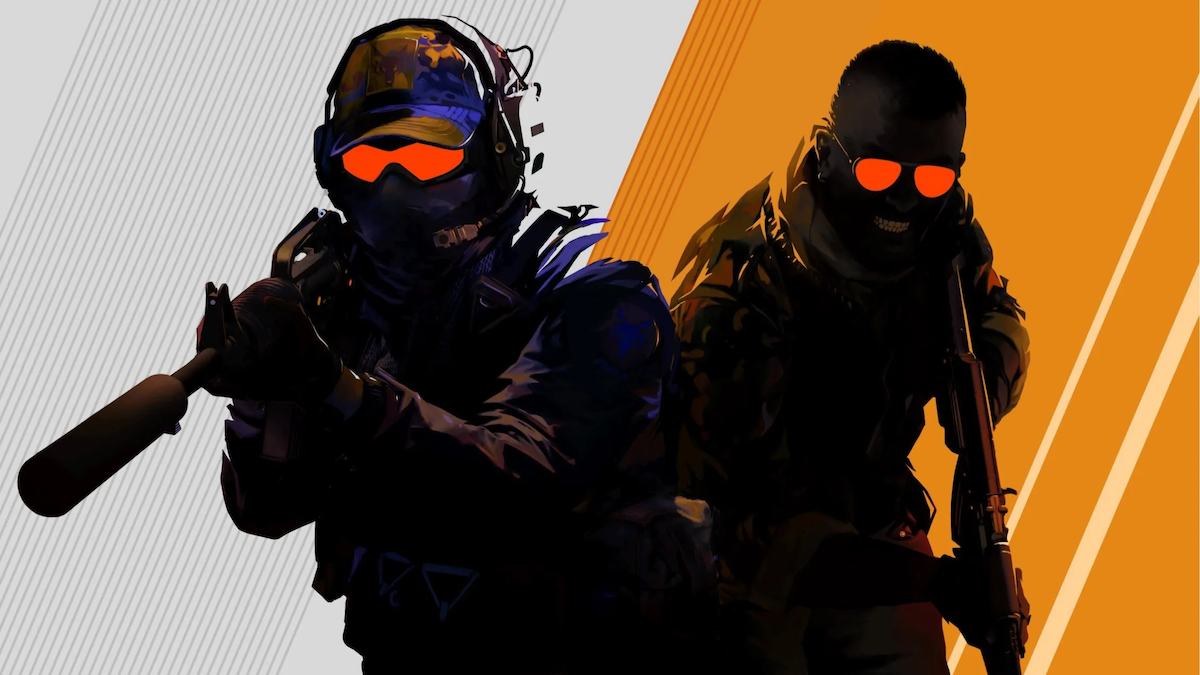
Counter-Strike: Global Offensive (CS: GO) is famous for being a very difficult game to truly master, and it’s considered one of the most enduring first-person shooters ever thanks to its competitive scene. Like other tactical shooters such as Rainbow Six Siege, CS: GO requires players to learn complex maps and develop strategies for both the terrorist and counter-terrorist teams. Success in CS: GO depends on smart plays and quick thinking, as fast decisions can make or break a round. A lot of dedicated practice is essential to become a skilled player.
Each map in CS:GO has unique ways to move and see, requiring players to carefully position themselves – especially when using grenades – to stay competitive. The game’s enduring popularity shows just how much skill it takes to master, with players still discovering new strategies years after it came out. CS:GO differs from games like Apex Legends and Valorant; it’s a more direct experience, rewarding accuracy and punishing mistakes.
1. StarCraft 2
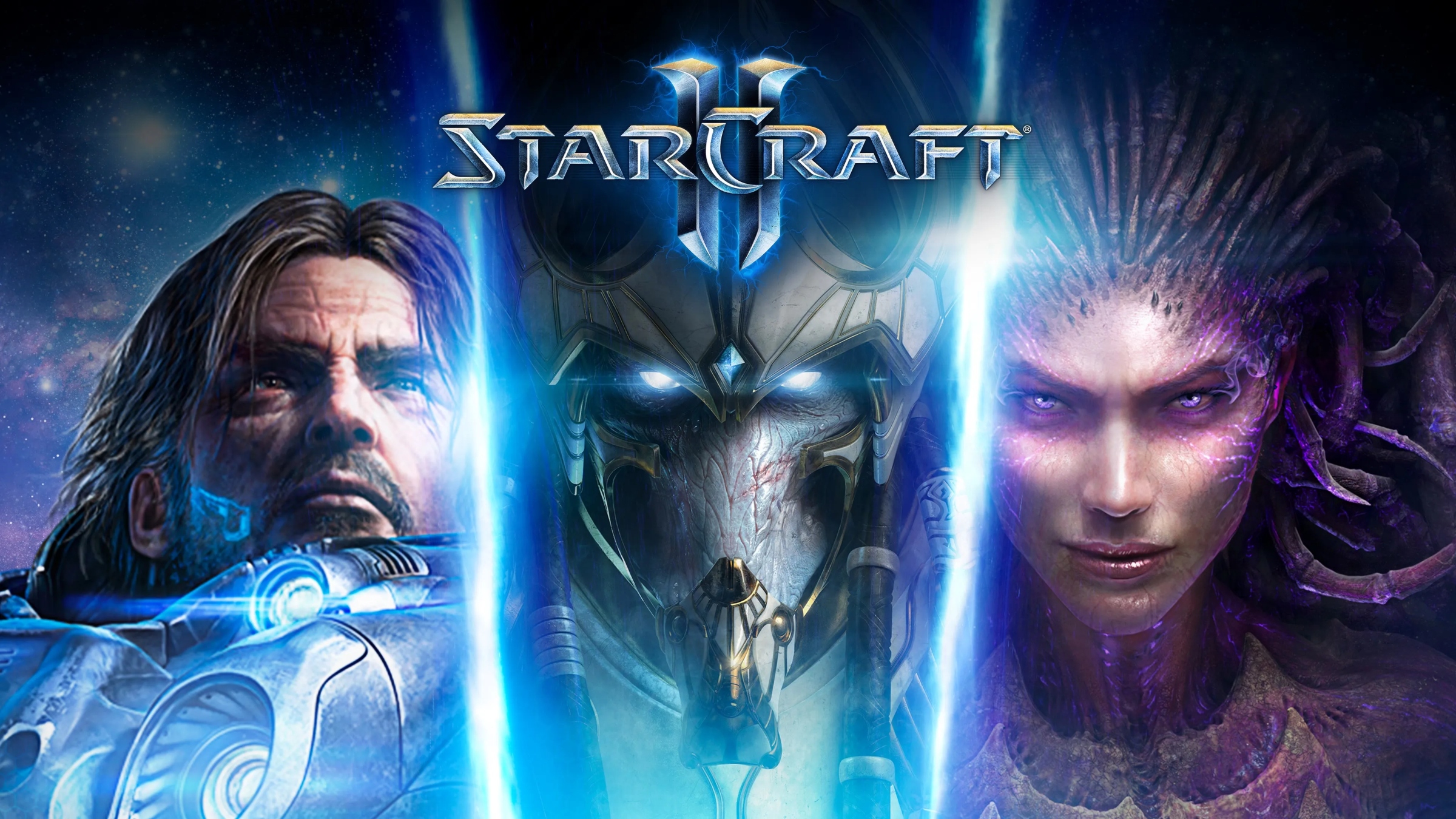
While StarCraft: Brood Wars can be more mechanically challenging, StarCraft 2 represents the highest level of skill expression in real-time strategy games. No other RTS demands as much strategic thinking and resource management. Each faction offers a huge variety of unique strategies, making true mastery incredibly difficult. Even the best players need precise control and the ability to quickly adjust their plans based on the situation.
This real-time strategy game is constantly evolving, forcing players to adapt their plans and unit control as the match unfolds. It’s a challenging game that demands quick thinking and a deep understanding of how opponents might react – something you only develop with a lot of practice. Mastering the basics of resource management and controlling units effectively takes considerable time – many players estimate dozens of hours – just to reach a comfortable starting point.
Mastering this game involves a lot more than just basic strategy – think carefully planning your base, deceiving opponents, and expertly using your units and spells. While becoming truly elite in StarCraft 2 is incredibly difficult, that challenge is what makes the game so engaging and rewarding.
Read More
- Review: Final Fantasy Tactics: The Ivalice Chronicles (PS5) – Still the Benchmark for Turn-Based Tactics
- Mark Zuckerberg & Wife Priscilla Chan Make Surprise Debut at Met Gala
- Elon Musk’s Mom Maye Musk Shares Her Parenting Philosophy
- 10 Greatest Manga Endings of All Time
- The WONDERfools ending explained: What happened to the Child of Eternity?
- Miranda Kerr Shares “Quick” Procedure She Got Before Met Gala 2026
- Forza Horizon 6 Car List So Far: Confirmed Highlights, Cover Cars, DLC, and Rewards
- The Witcher 3 Officially Reveals Stunning New Ciri Figure Coming 2026
- Nippon Sangoku Is The Best New Post-Apocalyptic Anime of Spring 2026
- The First 10 Members of the Thunderbolts, Ranked by Power
2026-05-21 20:15