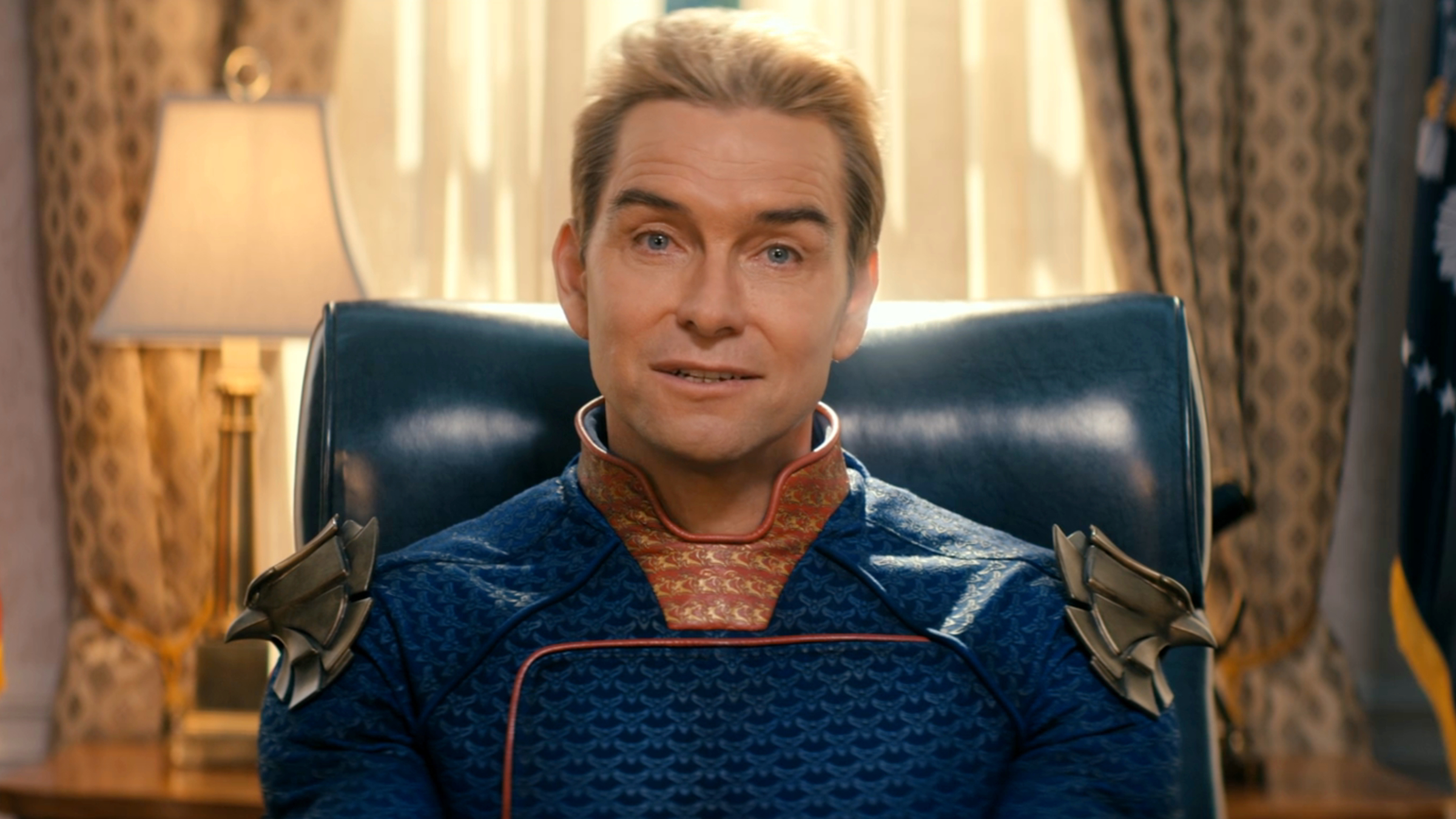
With the conclusion of Season 5, Prime Video’s The Boys offers a more optimistic ending than the original comic books, while still borrowing some elements from the source material. From the start, the series has taken its own direction, diverging from the comics by Garth Ennis and Darick Robertson. Over the course of the show, it made many changes, meaning a finale faithful to the comics was never really possible. By the end of the season, the characters and stories had evolved so much that following the comic’s path wouldn’t have felt right or been as rewarding. Warning: Spoilers follow for Episodes 1-8 of The Boys Season 5!
Despite significant changes, Season 5, Episode 8 of The Boys still pays tribute to the original comic book series. While the show doesn’t follow the source material exactly, these differences enhance the story it’s telling. The finale includes several details that fans of the comics will appreciate, even though the TV show ultimately leads to a very different outcome. It’s clear the creators have a strong understanding of the original story.
How The Boys Comics End (& What the Show Keeps From the Original Story)
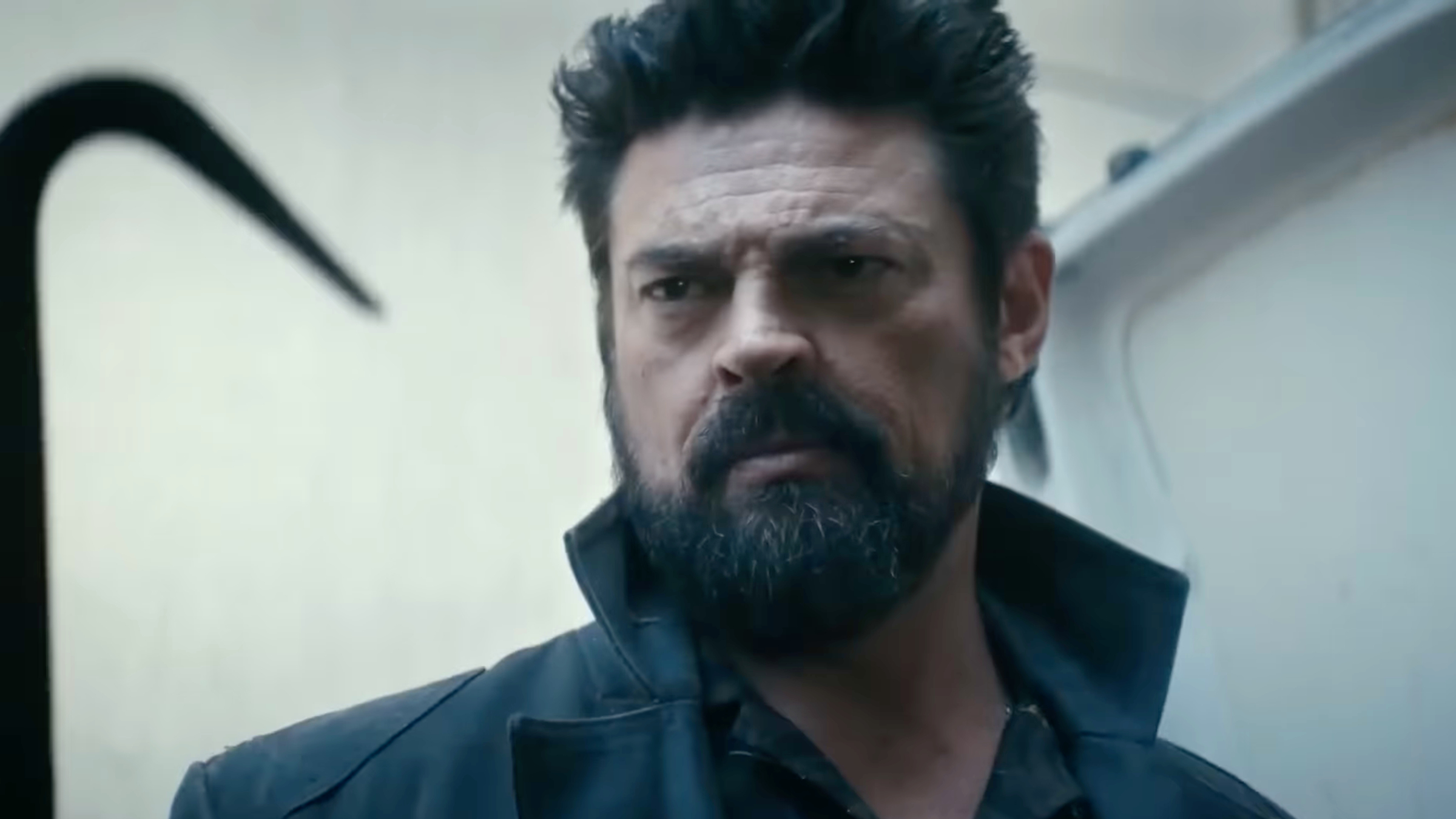
The comic book version of The Boys has a much more violent ending than the TV series, and many fans find the resolution to the conflict between Butcher and Homelander less fulfilling. While the final confrontation at the White House is similar in both versions, the events leading up to it are quite different. In the comics, Homelander doesn’t try to become a godlike ruler; his actions are fueled by anger over Vought creating a clone of him – who is actually the character Black Noir – and framing him for terrible deeds.
Unlike the comics, the show portrays Homelander as a genuinely evil character, not one who’s been falsely accused. This means the story needs a more fitting conclusion for him. In the original comics, Black Noir kills the original Homelander, then Butcher defeats and kills Black Noir (who is a clone) with a crowbar. The comics’ storyline doesn’t involve V1, and characters like Ryan and Kimiko aren’t part of the final battle – Ryan is even killed shortly after birth. Because the show’s Homelander is directly responsible for terrible acts, including Becca’s attack, the series has Butcher deliver the final blow, mirroring the comics by using a crowbar to kill him.
Besides keeping the final battle in the Oval Office and using a crowbar as Butcher’s weapon, the upcoming fifth season of The Boys will also follow Butcher’s storyline from the comics. While the details of his fight with Homelander differ quite a bit from the original source material, the core outcome remains the same. Importantly, Hughie is still the one who ultimately kills Butcher in both versions of the story, and for the same reason: Butcher is determined to release a virus that will kill all superhumans.
Terror’s death impacts Butcher significantly in both the comic book and TV show versions of the story, though the reasons differ. In the comics, Black Noir kills Terror, leading Butcher to immediately suspect a superpowered individual and fueling his desire for revenge. The TV show presents Terror’s death as a natural one, which causes Butcher to feel lost and believe Vought will simply create more supes. Despite these different paths, both storylines end with Hughie ultimately killing Butcher. The location of this event differs—the Empire State Building in the comics versus Vought Tower in the show—and Hughie uses a knife in the comics but a gun in the series. While the events leading up to it are different, the final result remains the same.
What The Boys Season 5 Changes From the Comics’ Ending

Season 5 of The Boys will include parts of the final showdown between Butcher and Homelander, and Hughie’s role in taking down the team’s leader, but largely deviates from the comic book’s ending. Unlike the source material, Black Noir and Frenchie die before the main conflict. In the comics, Butcher kills Frenchie, M.M., and Kimiko before Hughie can stop him from attacking other superpowered individuals. A key difference is that the comic book’s version of The Boys are superpowered, making them targets of Butcher’s rage. The show avoids turning the team against each other and provides happier conclusions for M.M. and Kimiko. M.M. reconnects with his family and adopts Ryan, while Kimiko travels to France and adopts the dog she and Frenchie had been considering.
The way Hughie kills Butcher is different in the show, and it’s not just about where and how it happens. Butcher appears to struggle with the decision, making us question if he would have let it happen even if Hughie hadn’t acted. This adds a layer of sadness to the scene, and the fact that Butcher comforts Hughie afterwards makes it even more poignant. It gives Butcher’s death a bittersweet quality and justifies the show giving him a full funeral.
Both versions of The Boys give Hughie and Starlight a positive conclusion, though their stories end a little differently in the TV show. The series finale reveals they’re expecting a child, even though they haven’t tied the knot yet – which Annie’s mother isn’t thrilled about! In the original comics, it’s the opposite: they get married after the main events, but Annie isn’t pregnant, and Hughie accepts a job with the CIA.
While Season 5 of The Boys avoids killing off any of the main heroes, it does eliminate a particularly unpleasant villain. Unlike the comics where The Deep lives on to join a new Vought team, the show has him face off against Starlight, ultimately leading to his death at sea. Oh-Father also dies at the White House, but is killed by the military instead of Hughie and M.M. Most notably, Homelander’s fate on the show – losing his powers and pleading for mercy on live television – is a much more satisfying conclusion than his comic book counterpart.
Which Conclusion Is Better: The Boys TV Show or the Comics?

It’s difficult to compare the endings of The Boys TV show and the comics because their stories are so different. The show couldn’t simply recreate the comic’s conclusion. The TV series portrays Homelander as far more hateful, Butcher as less flawed, and ultimately suggests that good can triumph over evil—though it will take a long and difficult battle.
While both versions of The Boys deal with dark themes, the TV show offers a more optimistic outlook on fighting against powerful, corrupt forces – and it feels like a message we need right now. The show’s ending is satisfying and emotionally resonant in a way the original comic book isn’t. The comic is consistently grim and violent, which fits its story, but the TV adaptation, even with its own share of gore, aims for a different kind of conclusion. It achieves this goal, although fans of the original comic might find it less bleak than they expected.
Read More
- 10 Greatest Manga Endings of All Time
- Review: Final Fantasy Tactics: The Ivalice Chronicles (PS5) – Still the Benchmark for Turn-Based Tactics
- Mark Zuckerberg & Wife Priscilla Chan Make Surprise Debut at Met Gala
- GBP CNY PREDICTION
- Forza Horizon 6 Car List So Far: Confirmed Highlights, Cover Cars, DLC, and Rewards
- Miranda Kerr Shares “Quick” Procedure She Got Before Met Gala 2026
- Elon Musk’s Mom Maye Musk Shares Her Parenting Philosophy
- The WONDERfools ending explained: What happened to the Child of Eternity?
- Ranking the 5 Best Spring 2026 Anime So Far (Mid-Season Update)
- Sony Plans to Start Shooting Horizon Movie in 2026, with 2027 Release Planned
2026-05-22 02:41