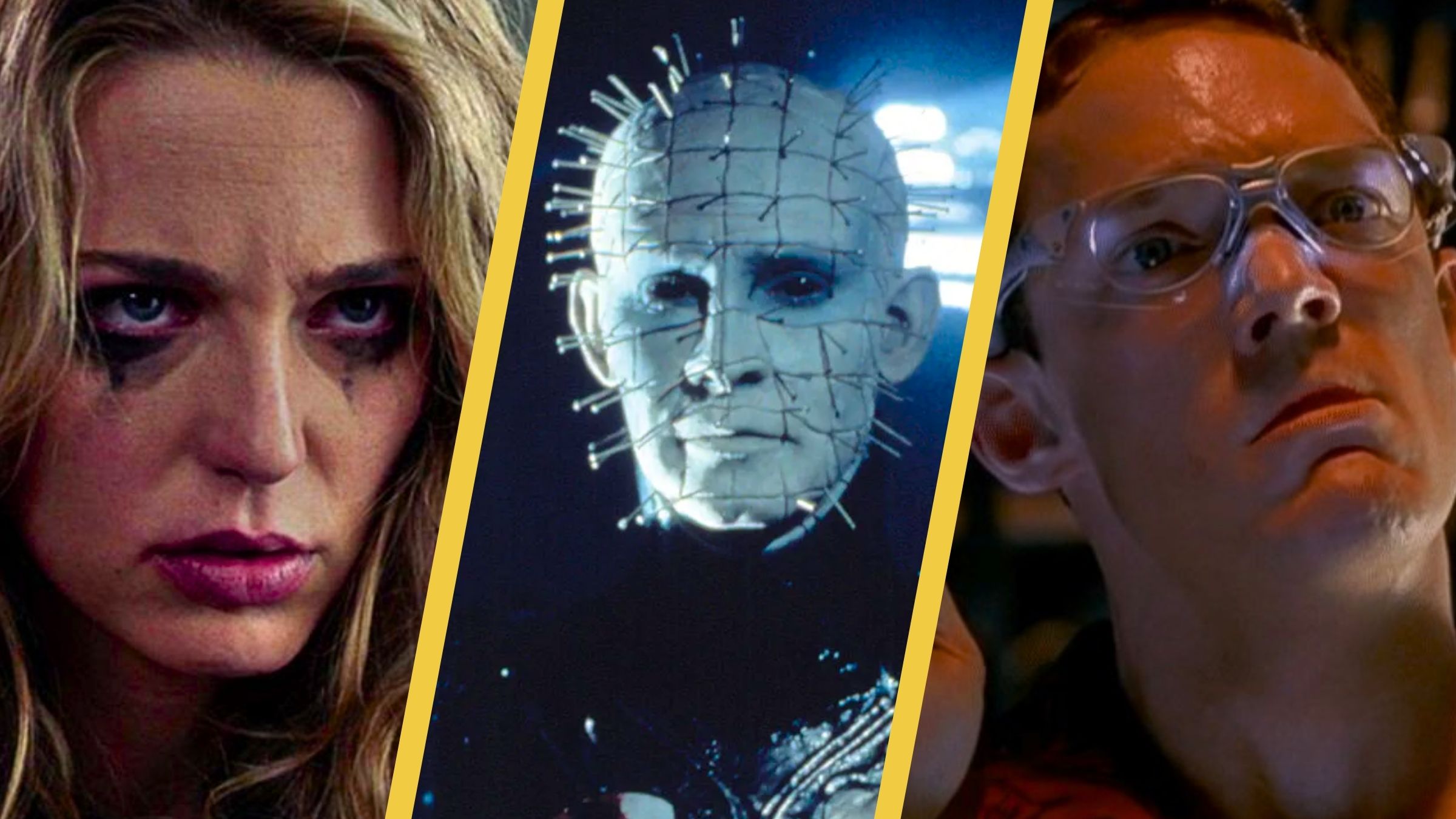
People still enjoy horror movies for the thrills, scares, and intense visuals. However, a good story is just as important, and many horror films fall short in that area. Often, this happens because some ideas need more time to develop compelling characters, create suspense, and establish a strong narrative – instead of just focusing on quick frights. While it took some time, horror has really thrived on television, with many shows offering more depth, complexity, and genuine engagement. This success makes you wonder if some horror movies might have benefited from a more thoughtful approach during the planning stages.
Here are 7 horror movies that didn’t quite work as films – they might have been much better as TV series. Each one has a good core concept, but they just didn’t translate well to the big screen and could have benefited from the longer format of television.
7) Christine
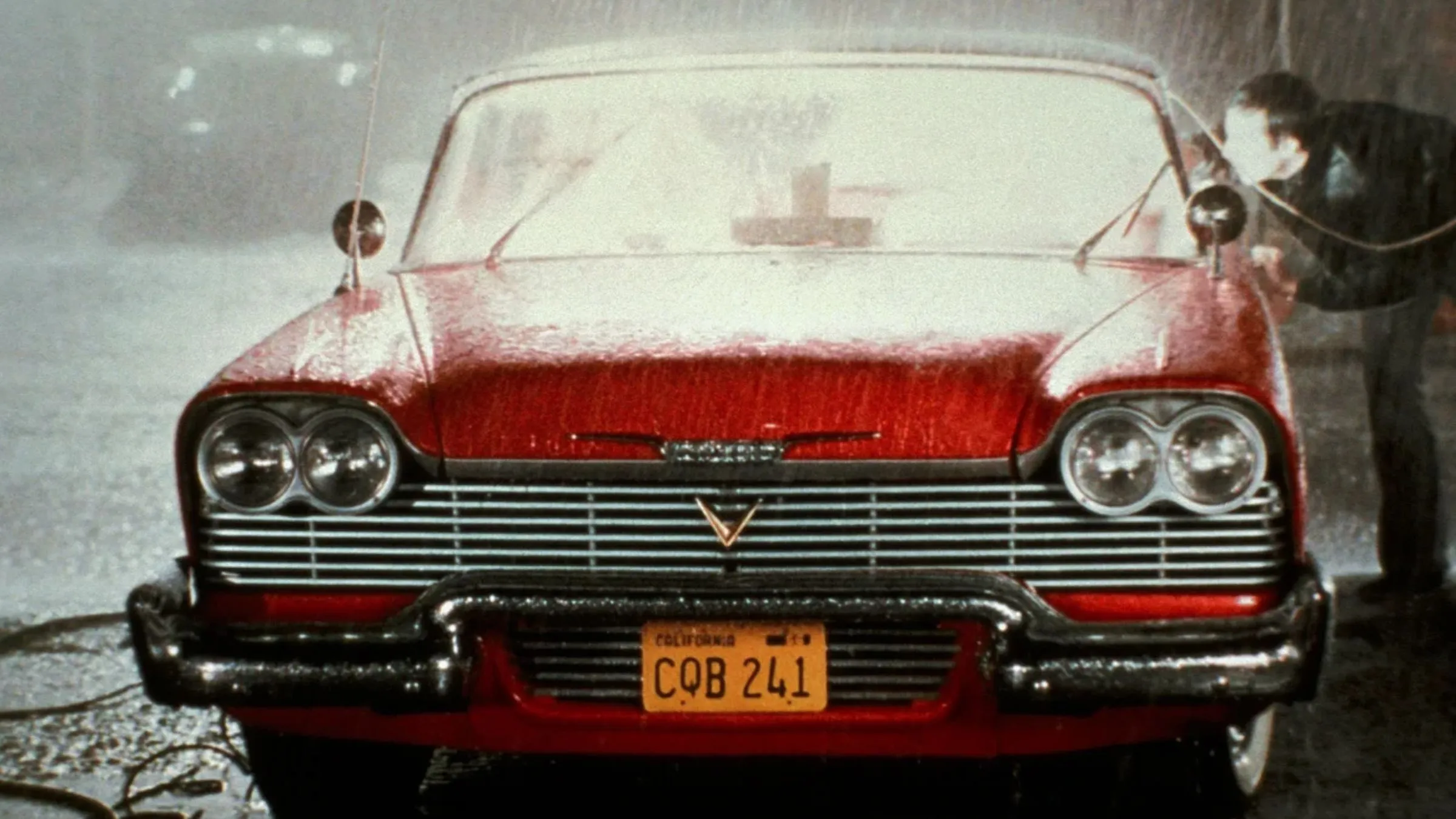
The film adaptation of Stephen King’s Christine is one of the less successful attempts to bring his work to the screen, despite having an interesting core concept. The story centers on Arnie Cunningham (Keith Gordon), a shy teenager whose life changes dramatically when he purchases a possessed 1958 Plymouth Fury. The car doesn’t just cause deaths; it slowly destroys Arnie’s personality and sense of self. Unfortunately, the movie format doesn’t allow enough time to fully develop this unsettling transformation.
Arnie changes drastically, but the story doesn’t really delve into how this affects his friends, family, or who he is as a person. A TV series could have shown his gradual descent into obsession – his increasing isolation, paranoia, and reliance on the car – over multiple episodes. Furthermore, Christine misses opportunities to explore the car’s own backstory. A series could have revealed the stories of previous owners, unexplained deaths connected to the vehicle, and its overall history, creating a truly compelling psychological horror experience.
6) A Nightmare on Elm Street
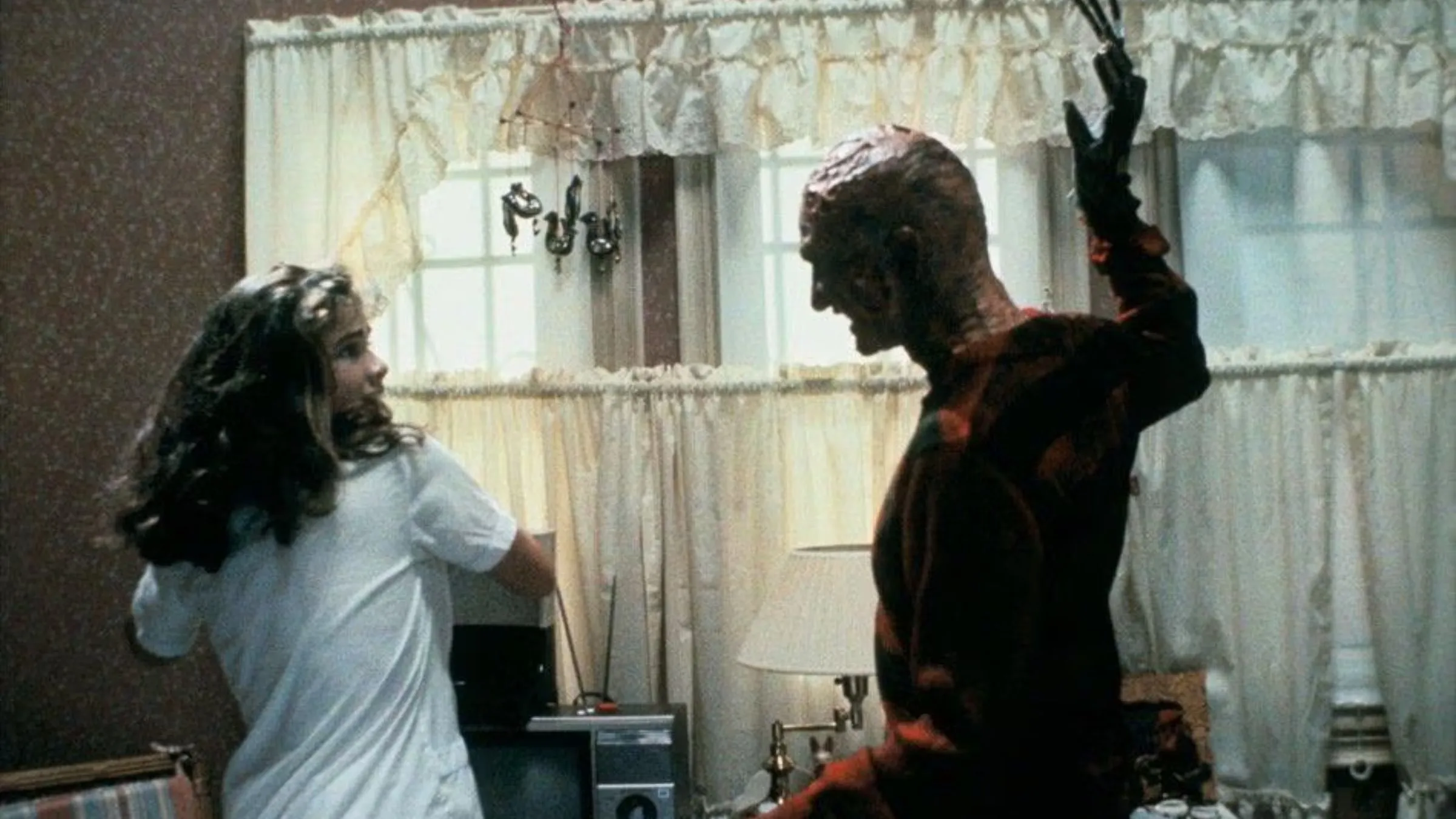
Considered a true horror classic, A Nightmare on Elm Street feels perfectly suited for a television series. The premise – Freddy Krueger (Robert Englund) haunting and killing teens in their dreams – offers endless possibilities for unique and terrifying scenarios with each new victim. However, the films often prioritize visually striking and unusual dream sequences over developing compelling characters or genuinely unsettling psychological horror. While the dream setting could create a deeply personal and disturbing experience, the movies frequently rely on shock value and special effects instead.
The first A Nightmare on Elm Street movie is a classic, largely because the sequels didn’t quite live up to its standard—a problem that wouldn’t be as significant in a TV series. A TV format would allow each episode to focus on individual characters’ fears and explore their past traumas through dreams, something the films only touched upon. The town of Springwood has a lot of untold stories, offering opportunities to delve deeper into Freddy Krueger’s background and the town’s unsettling history. While the movie is already iconic, it had the potential to be even more impactful if it had been originally developed as a TV series, which would have better suited its core concept.
5) The Ring
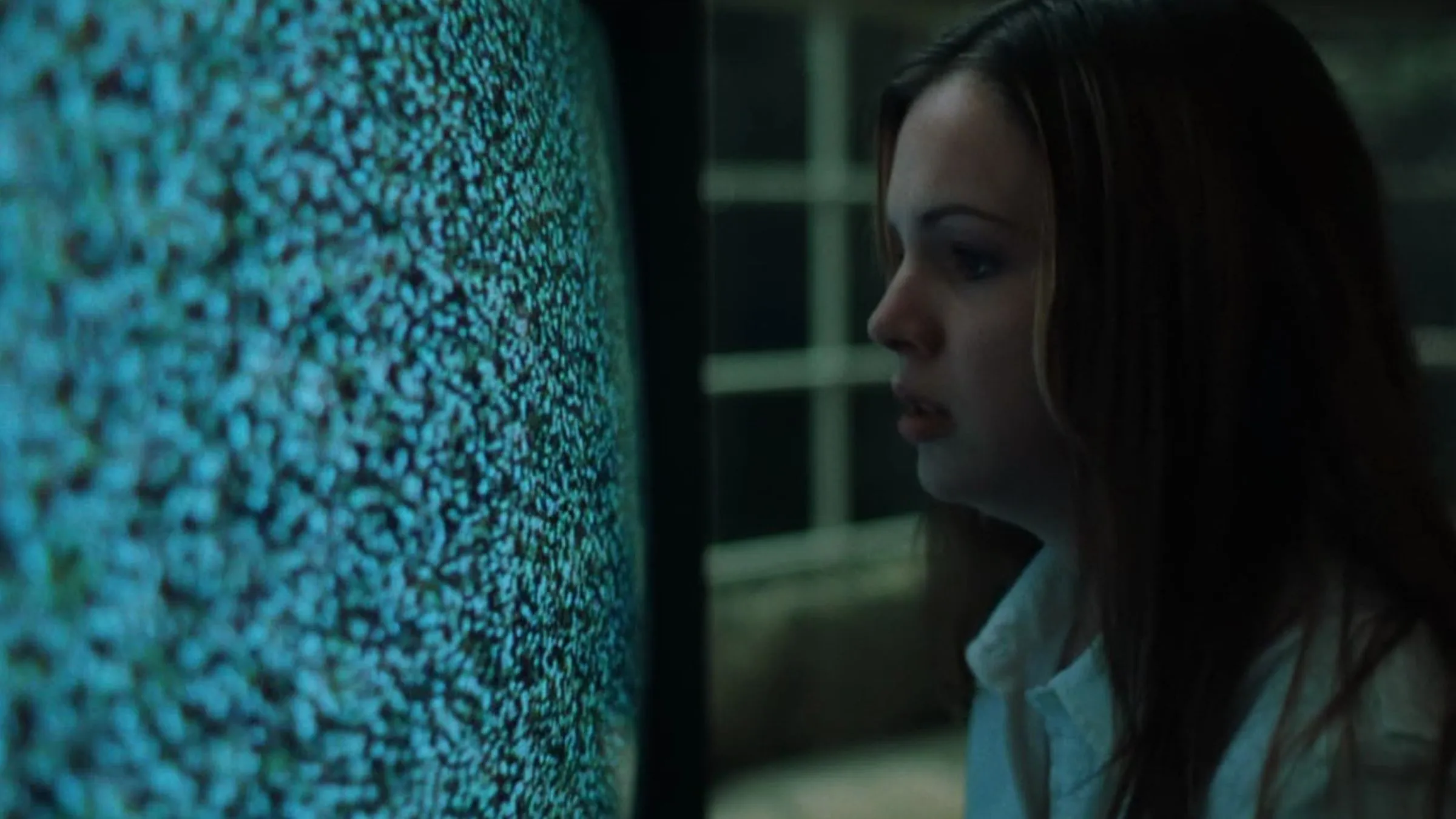
While not discussed as much today, many millennials still remember how scary The Ring was. The film centers on Rachel Keller (Naomi Watts) as she tries to uncover the story behind a haunted videotape that causes anyone who watches it to die seven days later. As she investigates, she learns about Samara (Daveigh Chase) and the origins of the curse. The Ring successfully combined supernatural horror with the suspense of a detective story, which led to a series of sequels. However, the franchise struggled to build a consistent and cohesive backstory, despite multiple films and variations.
The story of The Ring would have likely been more effective as a TV series. The seven-day curse feels naturally suited to an episodic format, allowing for suspenseful cliffhangers. A series could also expand the story by showing different people affected by the cursed tape and how they react. While the films have some great scenes, a TV show would have allowed the story to develop more fully and have a bigger overall impact, simply by having more time to explore its ideas and characters.
4) Hellraiser

The Hellraiser horror series has largely faded from public memory, and it may have been released at a time when audiences weren’t ready for it. The story starts with Frank Cotton (Sean Chapman) solving a strange puzzle box and unintentionally summoning the Cenobites – otherworldly, sadomasochistic beings led by Pinhead (Doug Bradley). The film blends supernatural horror with themes of obsession, desire, and pain, making it unusually unsettling for general viewers. While the original movie is a classic, the subsequent films didn’t achieve the same level of quality.
The Hellraiser series always stood apart from typical slasher films, and it might have worked better with a different approach from the start. As the movies continued, the intriguing story elements, particularly the lore around the Cenobites, were often overlooked. However, the unique and disturbing nature of the world deserves a deeper look. A television series could have explored various individuals finding the puzzle box and shown their diverse reactions to its power. The films tend to jump quickly to violence and scares, but the core of the story is much more than that.
3) 13 Ghosts
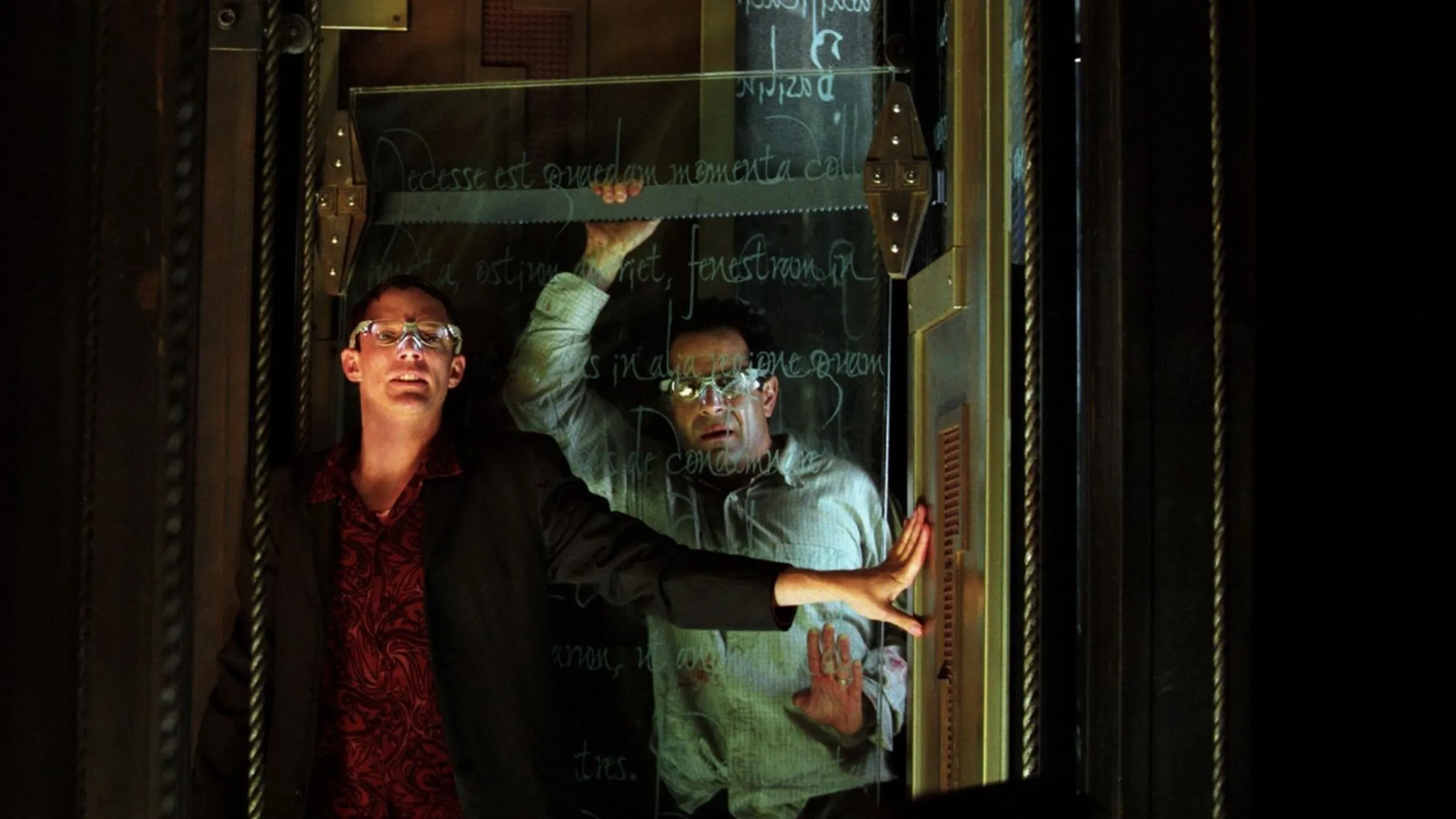
Despite being overlooked by most moviegoers, 13 Ghosts perfectly illustrates how a strong concept can fall flat. The film centers on a family who unexpectedly inherits a house containing twelve dangerous ghosts, each imprisoned within a complex, glass-walled structure. What stands out is that the ghosts are creatively designed, with unique backstories and tragic pasts. Unfortunately, the movie tries to cram too much into its runtime, leaving little room to fully explore these compelling characters and their stories.
Think of this story as a TV series similar to an anthology, with each ghost getting a dedicated episode to reveal their life and the events that led to their haunting. The movie hints at the house having a significant backstory, but never fully develops it. Instead of a rushed explanation at the end, 13 Ghosts could have benefitted from exploring these details more thoroughly. The original film and its 2000s remake weren’t big hits, so perhaps a TV series format would have been a better approach.
2) Escape Room
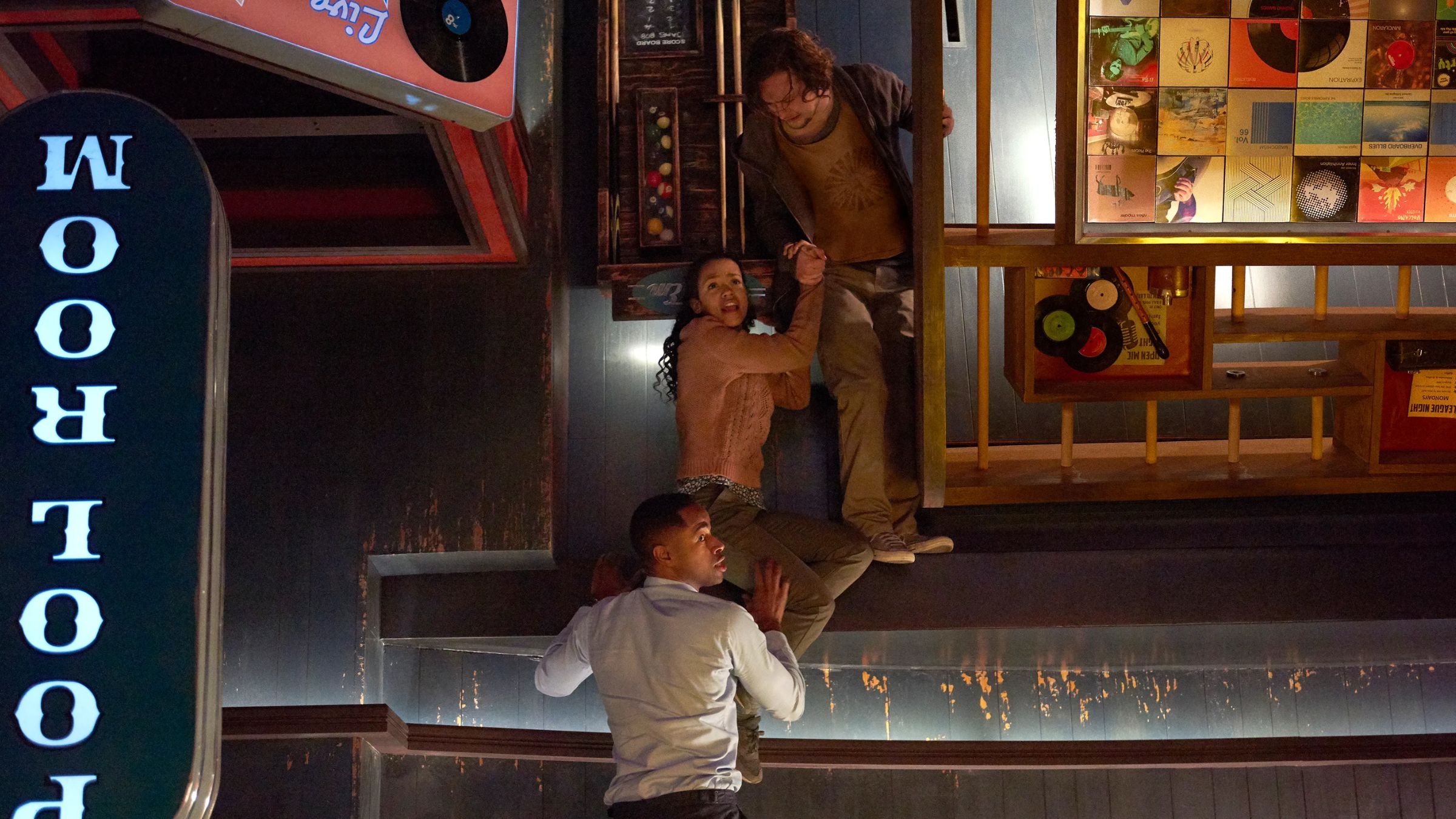
While Escape Room wasn’t a hit with everyone (despite getting a sequel), it’s generally an enjoyable movie. However, the story feels better suited for a TV series. The premise involves strangers trapped in deadly escape rooms that force them to confront their past traumas and hidden secrets. It’s similar to Saw, but less graphic; the movie focuses on building tension, but doesn’t spend enough time developing the characters, making them feel somewhat unimportant.
A TV series would be a much better format for this story. Each room could be a full episode, letting the characters develop and the tension build realistically. We’d also get to see more of the mysterious organization running the games, which is actually the most interesting part. The movie Escape Room has a good core idea, but it felt rushed and relied too much on quick thrills. With more time, it could have been a really compelling story.
1) Happy Death Day
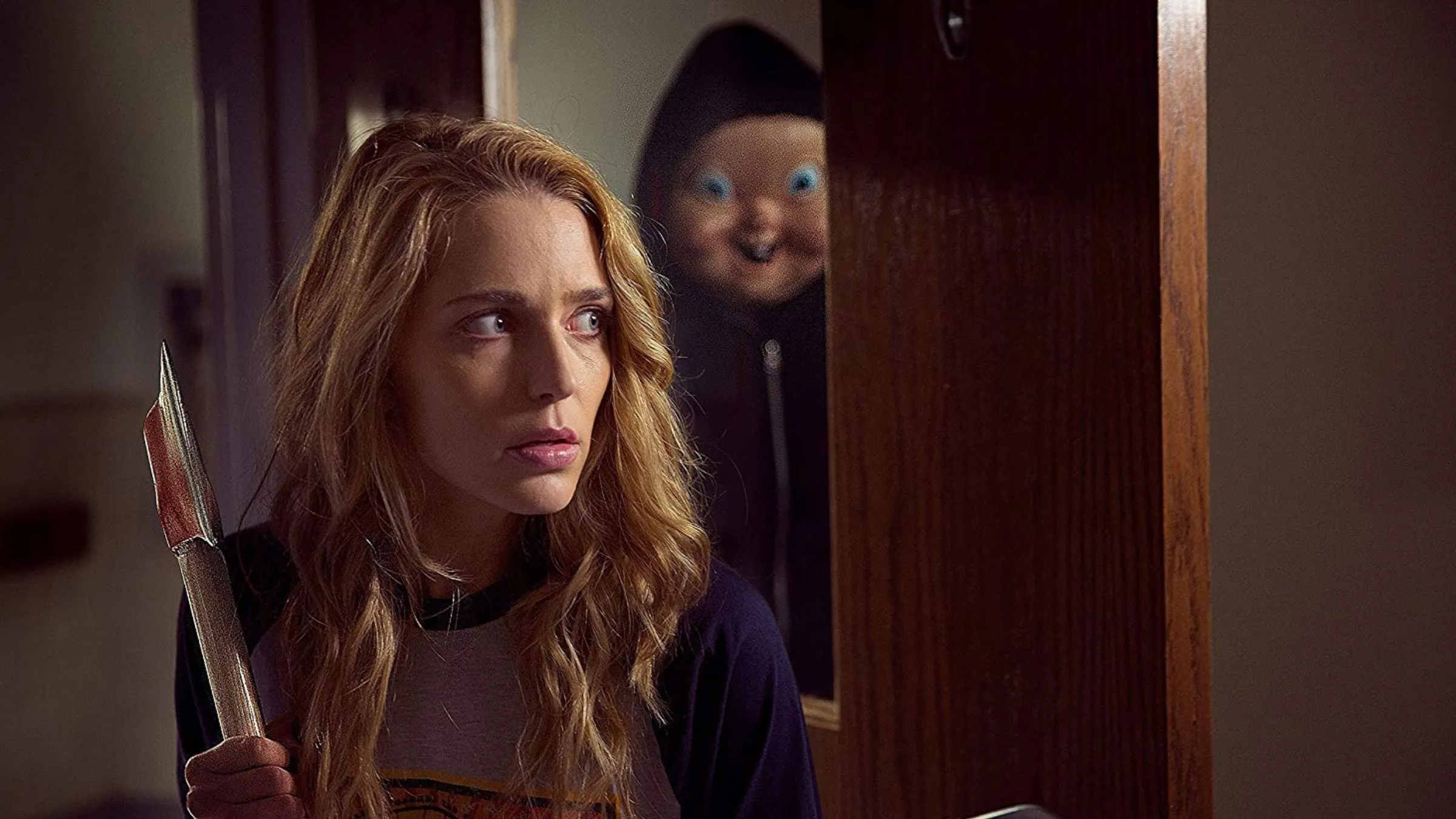
While Happy Death Day has its flaws, it’s easy to see what the movie wants to be – a high-energy blend of horror and comedy – but it doesn’t quite achieve that. The film centers on Tree Gelbman (Jessica Rothe), a college student stuck repeating the same day, desperately trying to uncover who is after her. It combines elements of slasher films, comedy, and mystery, but ultimately feels like it doesn’t fully explore its interesting premise. The time loop concept offers a lot of potential, but the story quickly prioritizes solving the mystery over developing the idea.
The movie didn’t have to be heavily focused on science fiction, but by avoiding it, the story lost some of its punch. A TV series would have allowed for more creative freedom with the time loop concept without becoming repetitive. They could have delved into more potential suspects, explored subtle shifts in the main character’s day, and found fresh ways for her to try and break the cycle, instead of relying on quick montages. Crucially, the main character was well-suited to this kind of storytelling format, and a series would have allowed her growth to have a much bigger emotional effect.
Read More
- Mark Zuckerberg & Wife Priscilla Chan Make Surprise Debut at Met Gala
- 10 Greatest Manga Endings of All Time
- GBP CNY PREDICTION
- Elon Musk’s Mom Maye Musk Shares Her Parenting Philosophy
- Review: Final Fantasy Tactics: The Ivalice Chronicles (PS5) – Still the Benchmark for Turn-Based Tactics
- Miranda Kerr Shares “Quick” Procedure She Got Before Met Gala 2026
- Forza Horizon 6 Car List So Far: Confirmed Highlights, Cover Cars, DLC, and Rewards
- Ranking the 5 Best Spring 2026 Anime So Far (Mid-Season Update)
- A Major PlayStation Delisting Exposes a Sony Problem
- 10 Best Free Games on Steam in 2026, Ranked
2026-05-23 03:13