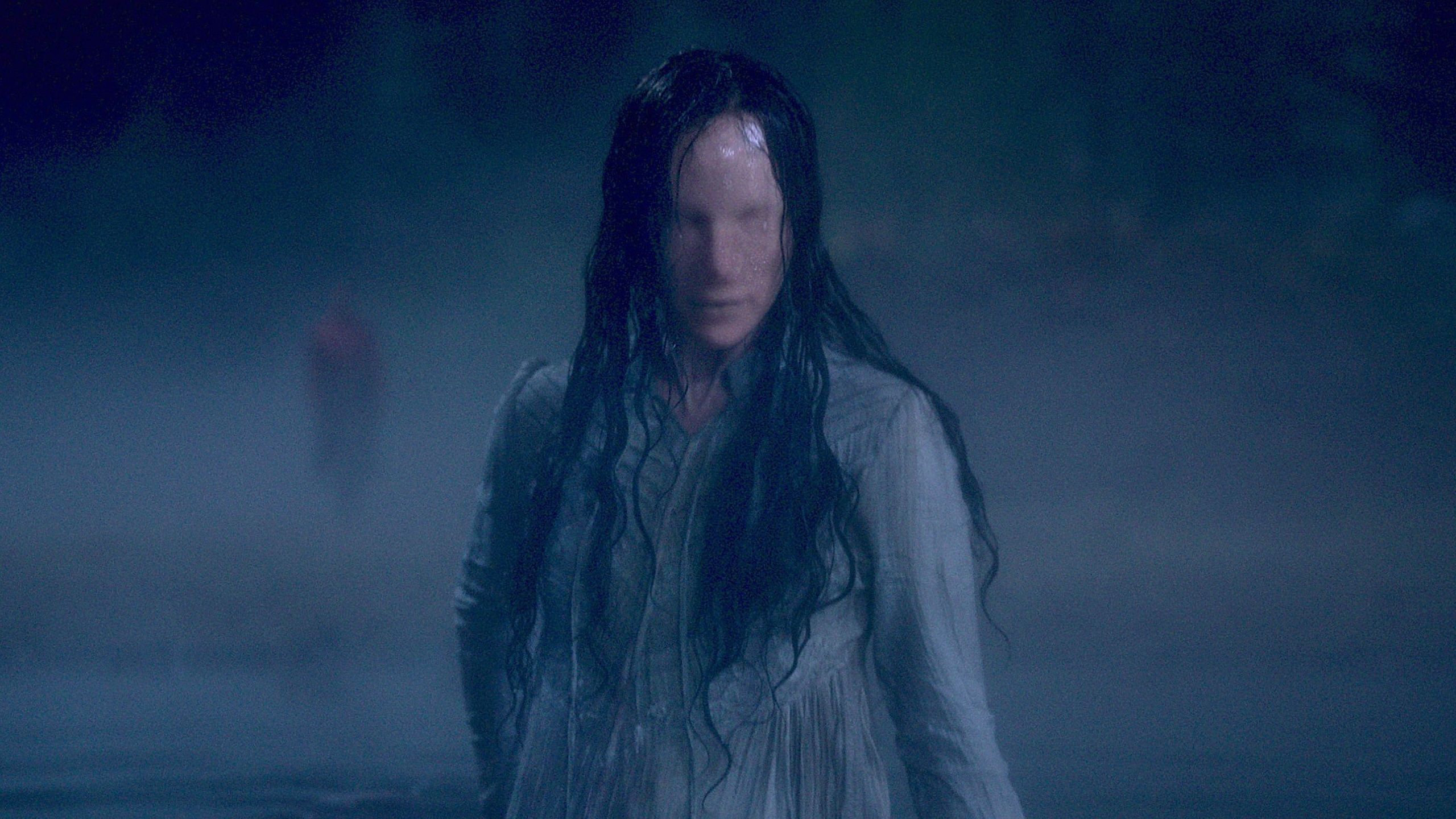
As a horror fan, I still think about Mike Flanagan’s The Haunting of Hill House years after it first came out – even if it isn’t necessarily his strongest work overall. Honestly, I’d put it right up there with the best horror TV has to offer, and it’s definitely one of Netflix’s biggest wins in the genre. What I loved is that, unlike Stranger Things which kept going and arguably lost its way, Hill House told a complete, beautifully tragic story, staying true to the spirit of Shirley Jackson’s novel. It really felt perfect as a single, self-contained season.
Rather than continuing The Haunting of Hill House, Mike Flanagan spent the next five years creating separate, standalone horror series for Netflix. These included Midnight Mass, The Midnight Club, and The Fall of the House of Usher, each showcasing a different aspect of his filmmaking style. The Fall of the House of Usher was a vibrant, darkly humorous horror-comedy, while Midnight Mass was a sorrowful story about a small town and explored themes of religion.
Despite a highly creative period, no work by Flanagan sparked as much debate as his 2020 series, The Haunting of Bly Manor. Similar to The Haunting of Hill House, it was inspired by a classic horror story, this time Henry James’ novella The Turn of the Screw. The story centers around a governess who believes the children she’s looking after are haunted by the ghosts of the former groundskeeper and maid.
The Haunting Of Bly Manor’s Tragic Love Story Left A Big Impression
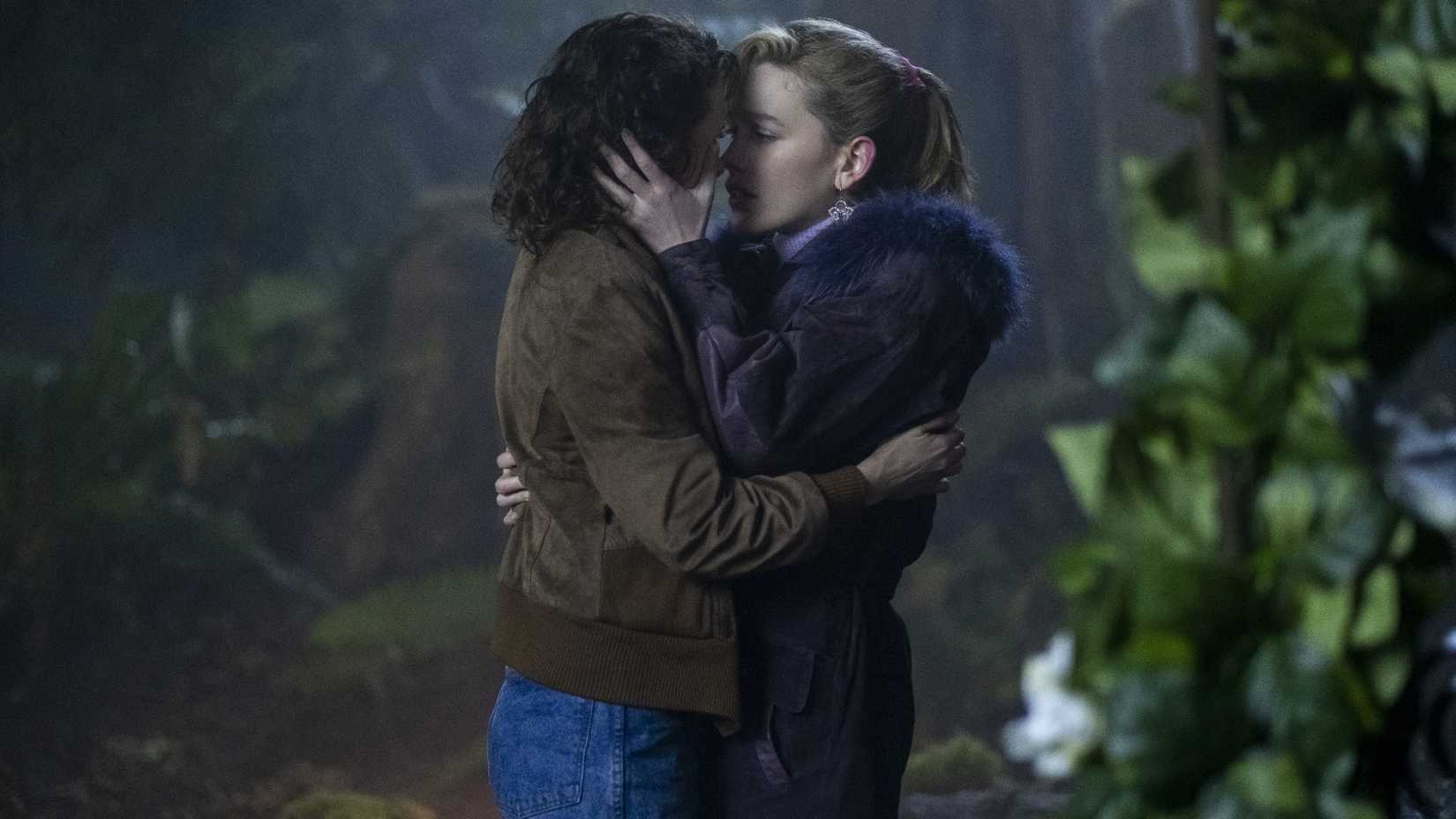
What makes James’s story so unsettling is its open-endedness – we’re never sure if the children were actually possessed. This uncertainty creates a truly frightening conclusion. However, the nine-episode adaptation, The Haunting of Bly Manor, loses that ambiguity. The show quickly establishes that the ghosts are real, and that’s just one of several changes made from the original story.
The story of The Haunting of Bly Manor is complex and sweeping, focusing on Dani, played by Victoria Pedretti, who is dealing with loss, and Jamie, the manor’s witty gardener. They fall in love, but their relationship ends sadly. The show also features several side stories about characters unaware they are ghosts, a frightening yet understandable ghost that haunts the estate, and a non-linear narrative filled with flashbacks and flash-forwards.
Hill House Vs. Bly Manor: Which “Haunting” Is Better?
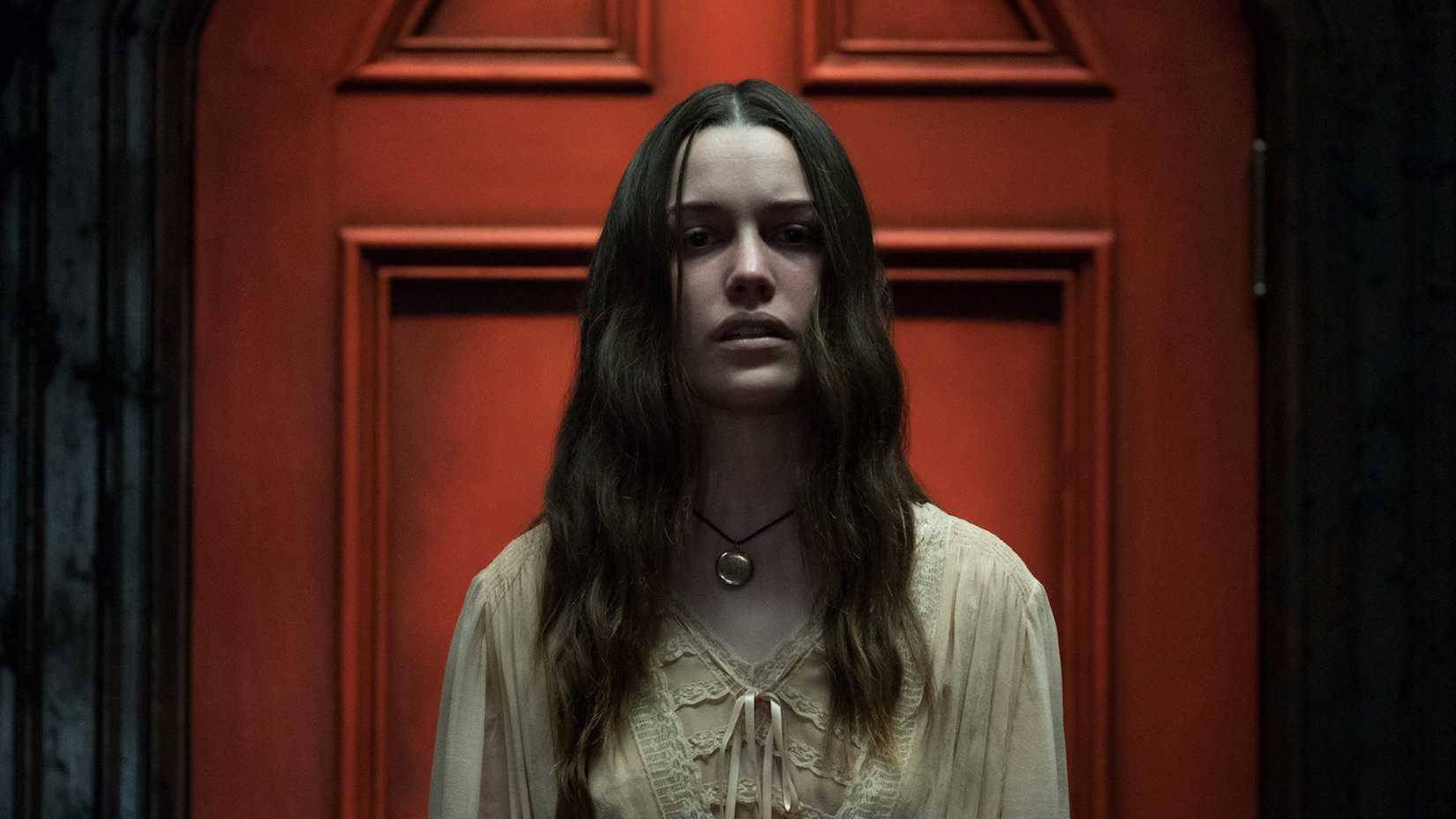
Even after six years, the breakup of Dani and Jamie remains heartbreaking, but The Haunting of Bly Manor doesn’t feel as polished as Flanagan’s previous work. While setting the story in England is a respectful reference to the original story, it leads to some problematic portrayals of working-class people in 1980s England.
Unlike its predecessor, The Haunting of Bly Manor presents a much clearer distinction between good and evil. While The Haunting of Hill House allowed viewers to sympathize with all members of the Crane family, even with their faults, Bly Manor simplifies the morality of its characters. Peter Quint is portrayed as a straightforward villain, and the complex, troubled nature of the original story’s heroine is diminished, resulting in a less nuanced and more black-and-white narrative.
While often enjoyable, The Fall of the House of Usher works well because it doesn’t attempt to make its unpleasant, wealthy characters likable. In contrast, The Haunting of Bly Manor strives too much to be a moving tragedy, but lacks the insightful social critique and complexity of the earlier series.
Read More
- Elon Musk’s Mom Maye Musk Shares Her Parenting Philosophy
- GBP CNY PREDICTION
- Mark Zuckerberg & Wife Priscilla Chan Make Surprise Debut at Met Gala
- Forza Horizon 6 Car List So Far: Confirmed Highlights, Cover Cars, DLC, and Rewards
- 10 Greatest Manga Endings of All Time
- Elon Musk’s Ex Ashley St. Clair Reveals When Romance Became “Weird”
- 38 Years Later, Murder, She Wrote’s Most Overlooked Episode Still Pulls Off TV’s Greatest Crossover
- 10 Best Free Games on Steam in 2026, Ranked
- Hollow Knight: Silksong Guide – All 30 Lost Flea Locations
- 20 K-Dramas That Nailed the Perfect Ending
2026-05-26 20:08