Capcom is home to many iconic gaming franchises, like the classic platforming of Mega Man, the vast worlds of Monster Hunter, the competitive fighting in Street Fighter, and the terrifying experiences of Resident Evil. Recently, Resident Evil has been particularly successful, with the release of Resident Evil Requiem demonstrating a commitment to both innovation and honoring the series’ history. Beyond that, Capcom has breathed new life into older titles through impressive remakes, successfully revisiting and updating its classic games.
The Resident Evil series has seen three remakes in the last ten years, and fans expect more. But the very first remake, released 25 years ago for the GameCube on April 30, 2002, showed how the franchise would successfully revisit its classic games with improved graphics and modern gameplay. It set the standard for remakes that Resident Evil continues to follow today.
The First Resident Evil Remake Is 25 Years Old
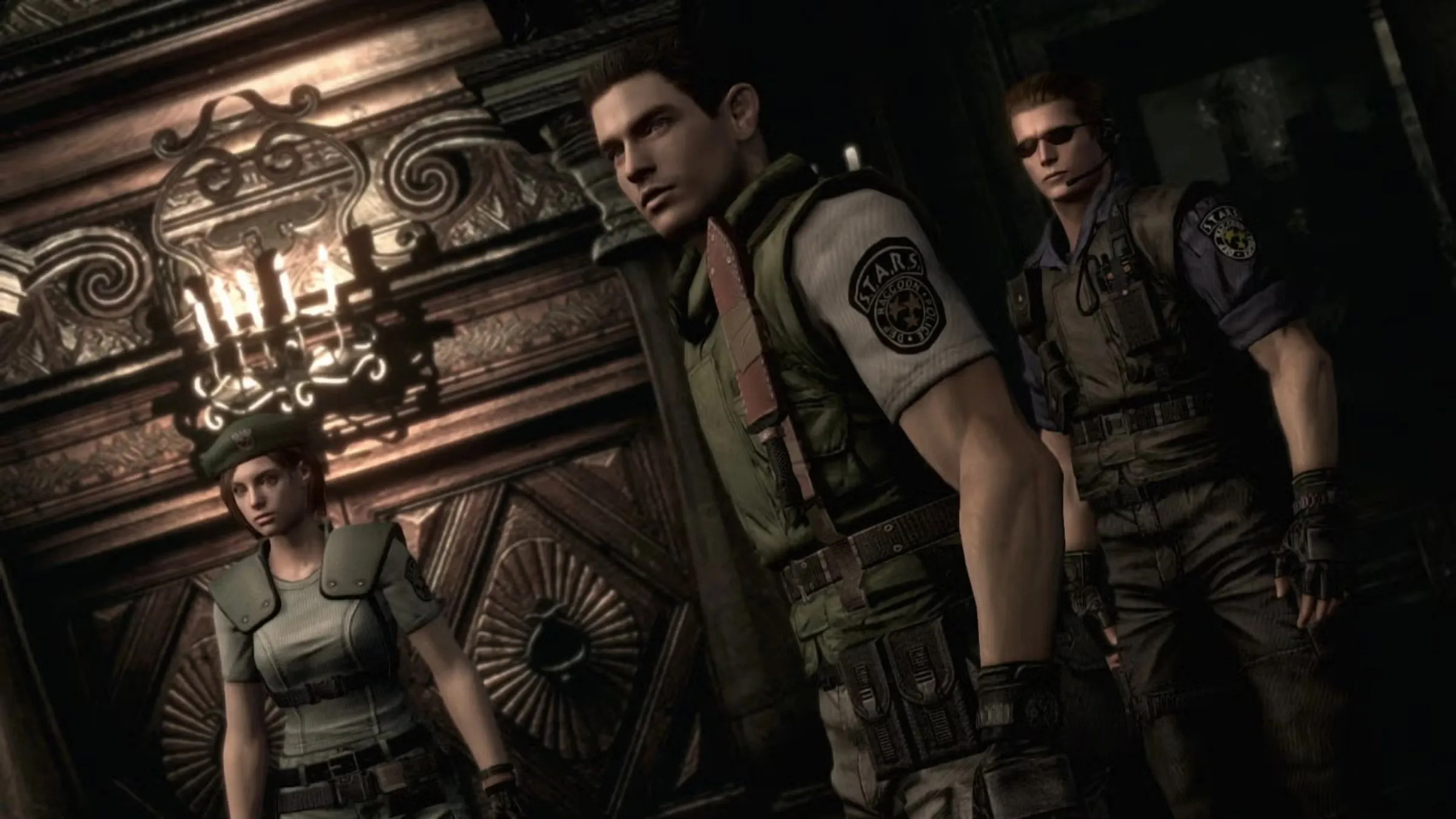
Today marks the 25th anniversary of the North American release of the Resident Evil remake, a game that helped define Capcom’s future. After previously releasing games on multiple platforms, Capcom briefly partnered with Nintendo, leading to exciting new projects – including a revamped version of the original Resident Evil. The initial Resident Evil had already become a major horror gaming franchise just six years after its debut on PlayStation. Shinji Mikami, the game’s original director, believed that current technology allowed them to finally realize his original vision for the series, aiming for an even more terrifying experience than the PlayStation 1 version. The team dedicated a year to improving the graphics and story, as well as refining puzzles and monster battles.
The remake of Resident Evil successfully captured the feel of the original game, updating the gameplay while remaining true to its roots. The graphics were impressive, and a more cinematic style enhanced the experience. Upon release, the game received strong reviews, earning a 91/100 on MetaCritic, and long-time fans praised it for being both familiar and fresh. Despite this critical success, the game didn’t perform as well as Capcom hoped with the wider GameCube audience, leading the company to reassess its plans for the series. Ultimately, Capcom learned valuable lessons from this remake, which helped shape the future success of the Resident Evil franchise.
The Impact Of The First Resident Evil Remake Is Still Being Felt Today
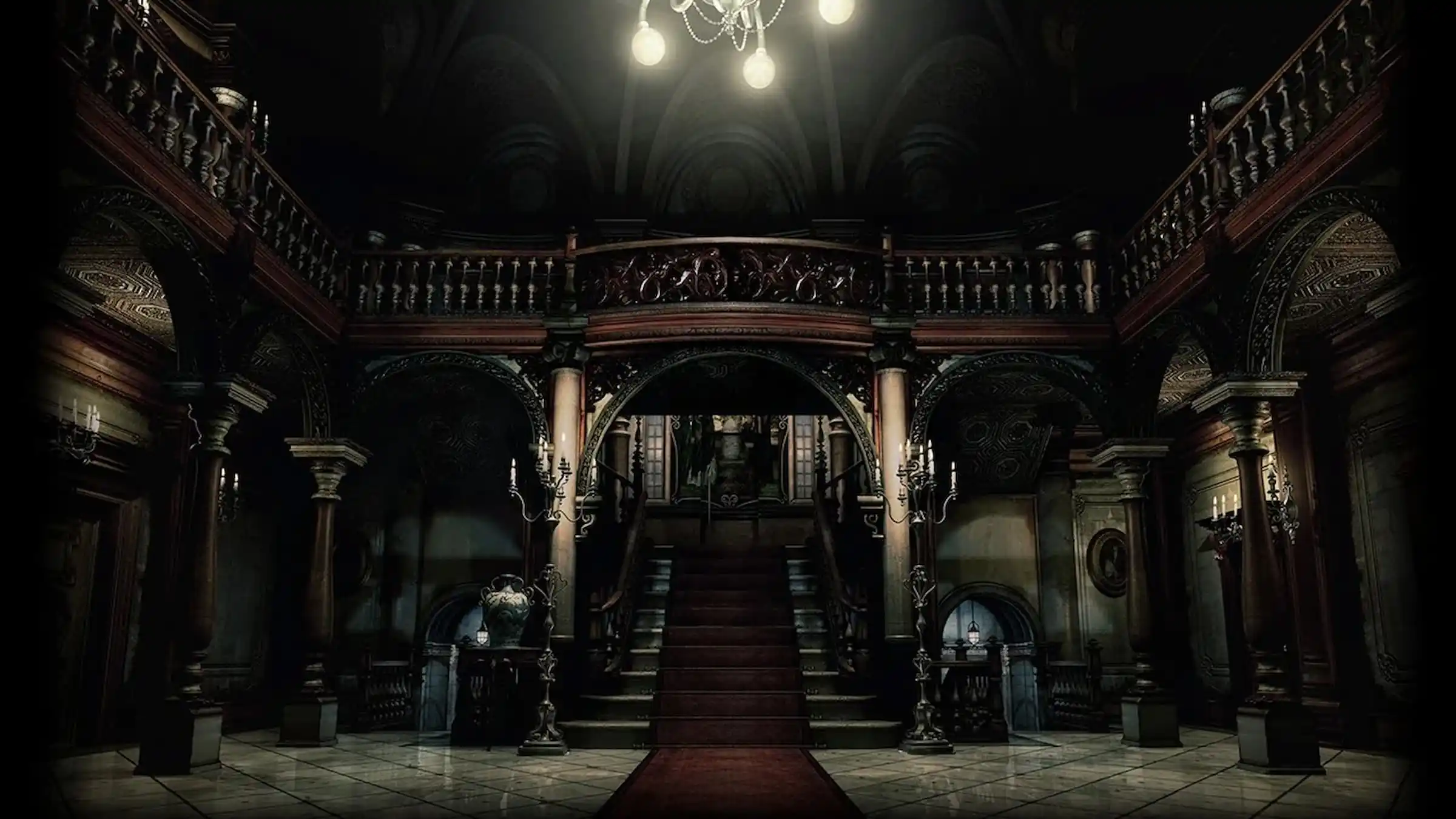
The 2002 remake of Resident Evil set two major trends. First, because sales weren’t as high as hoped, Capcom moved towards a more action-focused horror style, which heavily influenced Resident Evil 4 and even the action genre as a whole. Since then, Resident Evil games have generally emphasized action more, though some, like Resident Evil: Biohazard and Resident Evil: Requiem, struck a good balance between action and horror. The second trend took longer to emerge: Capcom eventually realized that updating their older games with modern graphics and gameplay was a successful strategy.
Capcom has successfully remade three classic Resident Evil games since 2019: Resident Evil 2, Resident Evil 3, and Resident Evil 4. Fans are now speculating about potential remakes of Resident Evil: Code Veronica and Resident Evil Zero, with even the original Resident Evil possibly getting a modern update. These remakes, like the 2002 remake of the first Resident Evil, feature improved graphics and adjusted gameplay while staying true to the original stories. Though the 2002 remake didn’t have the same immediate impact as later installments, it established the formula for how the series would approach remakes going forward. It essentially foreshadowed the franchise’s future direction, prioritizing refinement and respecting the series’ history. While not the most commercially successful Resident Evil game, the 2002 remake has proven remarkably influential and remains a quietly important part of the franchise’s legacy.
Read More
- Review: Final Fantasy Tactics: The Ivalice Chronicles (PS5) – Still the Benchmark for Turn-Based Tactics
- Mark Zuckerberg & Wife Priscilla Chan Make Surprise Debut at Met Gala
- Elon Musk’s Mom Maye Musk Shares Her Parenting Philosophy
- 10 Greatest Manga Endings of All Time
- The WONDERfools ending explained: What happened to the Child of Eternity?
- Forza Horizon 6 Car List So Far: Confirmed Highlights, Cover Cars, DLC, and Rewards
- The Witcher 3 Officially Reveals Stunning New Ciri Figure Coming 2026
- Nippon Sangoku Is The Best New Post-Apocalyptic Anime of Spring 2026
- The First 10 Members of the Thunderbolts, Ranked by Power
- New One Piece Live-Action Rumor Teases Netflix TV Show’s Season 4
2026-04-30 23:41