
Fans of Doctor Who were surprised and worried last week when news broke that the Christmas special was cancelled and the BBC was opening the show up to bids from other production companies. Searches for terms like “competitive tender” spiked as viewers tried to understand what was happening, and some news reports incorrectly stated the show was cancelled altogether. The truth is, the BBC is required by its charter to put all eligible programs up for tender by the end of 2027, and Doctor Who is included. The BBC had been delaying this process for its most popular shows, which is why the announcement came as such a shock to many.
On his podcast, The Rest is Entertainment, BBC source Richard Osman revealed the story behind the upcoming changes with Doctor Who. Originally, the BBC planned to open bidding for the show’s production in 2028 or 2029, intending a Christmas special to bridge any gap. However, due to shifts in leadership, they decided to speed up that process. Osman explained that putting the show out to tender isn’t about ending it – quite the opposite! It means the BBC sees Doctor Who as a major priority and wants to secure multiple future series with new production partners.
Why Are Doctor Who Fans So Worried About the Show’s Future?
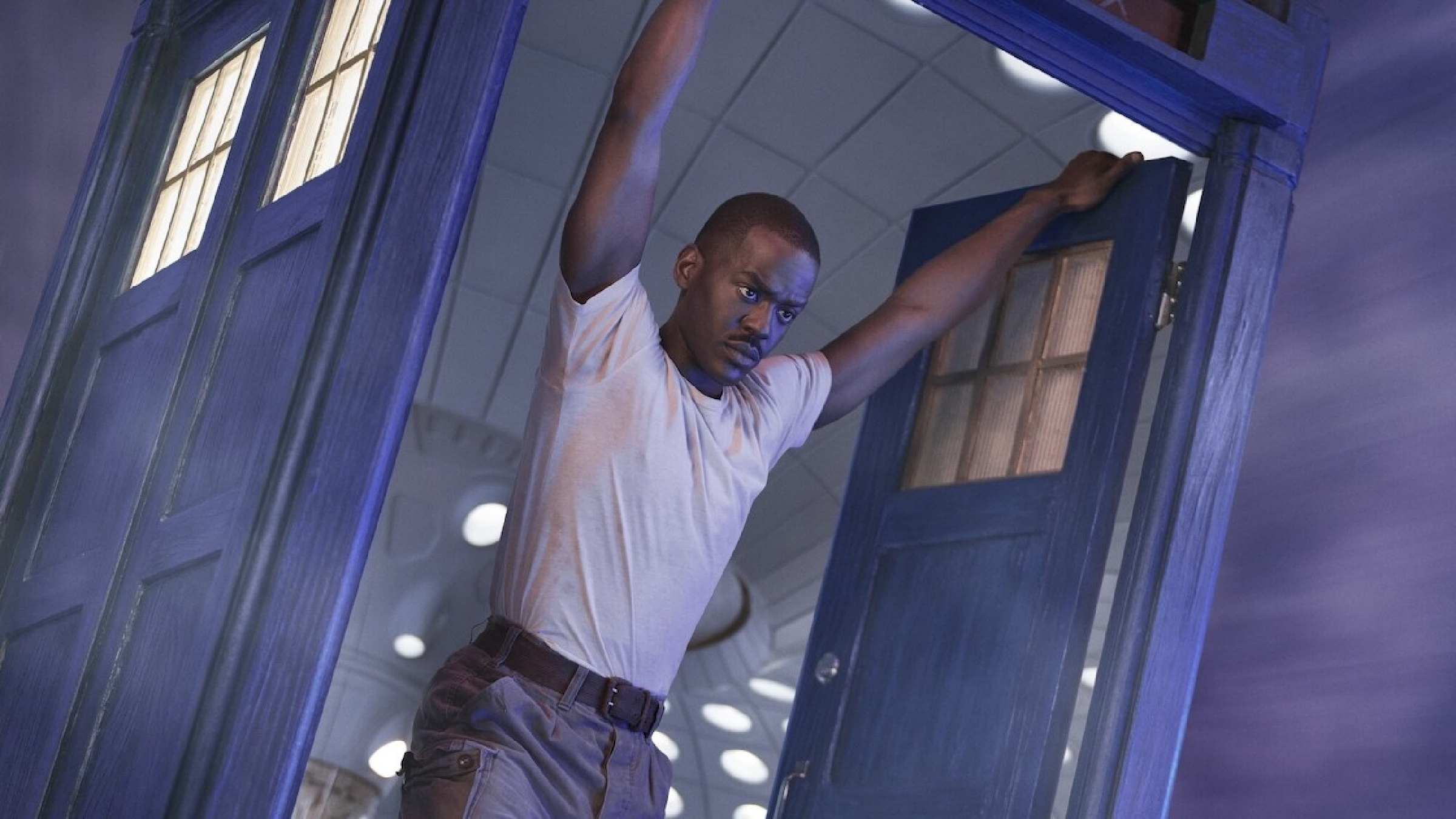
The past few years have been challenging for Doctor Who, with fewer people watching leading to the end of its partnership with Disney. The show was cancelled once before in 1989, so fans were naturally worried it might happen again. The BBC didn’t make things easier with a vague announcement, and initially, even I thought the show’s future was uncertain. It took a few days to understand how the BBC’s Charter actually affected things.
Just so everyone understands, a “competitive tender” is a formal process where production companies submit proposals – or bids – to create Doctor Who. While the BBC hasn’t revealed details yet, it’s likely they’ll be commissioning multiple seasons. Historically, the BBC has always successfully completed these types of bidding processes. This aligns with what Russell T Davies said and the BBC’s existing practices; they already put over 70% of their programs out for tender, and Doctor Who is simply the first major show to undergo this change. We can expect other popular shows like Strictly Come Dancing and EastEnders to follow suit in the coming years.
Because the show’s production was being put up for bids, the BBC couldn’t create a Christmas Special. Doing so would have limited future options and complicated the bidding process. This likely explains why Russell T. Davies, the former showrunner, strongly denied reports of cancellation and seemed confused by how the official announcement was interpreted. However, his responses weren’t helpful, especially because he also denied writing scripts for the Special, despite previously hinting at them in Doctor Who Magazine.
It definitely feels like Doctor Who is starting a new chapter, but because of the bidding process for the show’s future, we’ll have to wait a while to learn the details. What’s clear is that Russell Davies left the show in a more difficult position than it was in 1989. He used a dramatic regeneration and seemed to plan a final resolution for the Christmas special, but now the new team will have to figure out how to handle that. It won’t be easy, and it’s possible Davies’ ending will either be completely disregarded – maybe explained in spin-off materials – or it could unintentionally lead to a full restart of the series. Only time will tell, as it always does.
Read More
- PI PREDICTION. PI cryptocurrency
- USD THB PREDICTION
- USD CHF PREDICTION
- Green Game Jam returns with 70 games teaming up to tackle the climate crisis
- USD MYR PREDICTION
- USD HKD PREDICTION
- Brent Oil Forecast
- USD JPY PREDICTION
- EUR TRY PREDICTION
- BEAT PREDICTION. BEAT cryptocurrency
2026-06-16 19:14