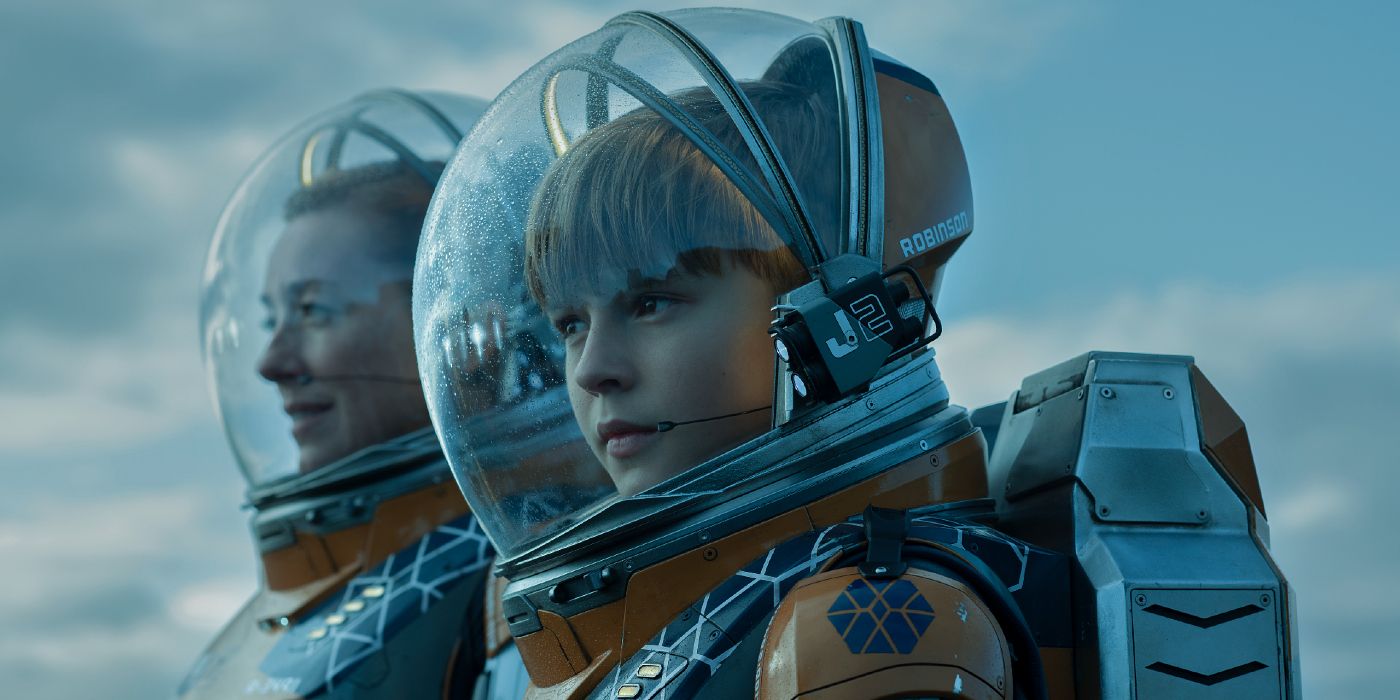
With so many reboots and tired remakes of beloved shows today, this series stands out as a truly excellent remake. It began as a popular TV show in 1965, gaining a dedicated following that lasted for decades and even led to a 1998 movie starring Gary Oldman.
While previous versions of Lost in Space had a certain playful charm, it was the Netflix series that really transformed the show into a stunning science fiction adventure, putting it among the best in the genre. It managed to strike a perfect balance between thrilling survival challenges and touching family moments, something most reboots struggle with. This new Lost in Space both paid tribute to the original and proved why it deserved to be remade and celebrated.
1965’s Lost in Space Was a Modern Twist on The Swiss Family Robinson
Adventure stories really took off with Daniel Defoe’s Robinson Crusoe, which sparked many similar tales for both adults and kids. One popular example is Johann David Wyss’ The Swiss Family Robinson, published in 1812. This novel tells the story of a family who are shipwrecked and must build a new life for themselves on a deserted island in what is now Southeast Asia.
The Robinson family doesn’t just endure their difficult situation; they quickly learn to flourish in a completely new environment. Each family member contributes valuable skills, and their strong bond helps them stay united. The Swiss Family Robinson became incredibly popular, inspiring many different versions and tributes, including comic books, films, and television series.
Although Wyss’s novel was serious and dramatic, it sparked the creation of a lighter, more comedic series that can be seen as the adventure programming of the Space Age. Lost in Space aired from 1965 to 1968, but CBS canceled it because it was becoming too expensive to produce and viewership was dropping.
Even though the show didn’t have a definitive ending, it built a dedicated fanbase that remained active for many years. This strong following eventually resulted in several reboots and new versions of the series, like the…
The CBS show uses the same characters as the Netflix sci-fi update, though some genders and jobs are different. The show’s look strongly evokes the 1960s, and it often reused costumes and props from other programs, which made it hard for Lost in Space to feel unique. The science and technology shown weren’t very realistic, relying instead on general explanations that seem particularly old-fashioned now.
Despite decent ratings and later being shown in syndication, the original Lost in Space from 1965 is remembered as a lighthearted, over-the-top science fiction show with some strange, fantastical twists. While initially inspired by The Swiss Family Robinson and focused on survival, the series became increasingly silly and comical, evolving from a realistic adventure into an exaggerated family comedy. It wasn’t until 2018 that a remake truly lived up to the potential of the original concept.
Netflix’s Lost in Space Turned Campy Sci-fi Into Prestige Television
From the beginning, the Netflix series Lost in Space focused on the challenges of survival, a theme that grew more complex and impressive over its three seasons. Reviving a classic show like this always carries risk, as many recent reboots rely too heavily on nostalgia. However, instead of simply recreating the original’s lighthearted style, Netflix’s Lost in Space aimed for a more ambitious and sophisticated storyline, fitting for today’s high-quality television.
The story’s sense of adventure really came to life in the newer series through its stunning visuals, which looked like something out of a big-budget movie. Alien worlds felt truly dangerous and unpredictable, making each journey feel risky and important. Everything looked incredibly realistic, and the show also took its science seriously.
Unlike the original 1965 series, the new version of the Robinson family felt much more realistic. John and Maureen weren’t perfect parents who always knew what to do. Their relationship had problems, their choices were debated, and even their kids sometimes disagreed with them. This made the family feel more relatable and genuine for today’s viewers, as their struggles seemed natural and honest.
The Robinson children really came into their own with the show’s updated approach. Judy, Penny, and Will each developed unique personalities, strengths, and flaws, which allowed viewers to connect with their emotional journeys and see how they grew closer as a family. While Penny and Judy were important characters in Lost in Space, it was Will and his bond with the Robot that truly captured the audience’s hearts and became the show’s central focus.
The famous line “Danger, Will Robinson” originally came from a funny bit in the show, but it was reimagined to become a heartfelt expression of caring and understanding.
Let me tell you, one of the smartest moves Netflix made with this adaptation was how they handled Dr. Smith. Jonathan Harris was fantastic in the original series, playing her as a delightfully over-the-top villain, but Parker Posey takes it to another level. She really leans into that manipulative side, but in a way that feels incredibly modern. It’s not just about being evil; Posey’s Dr. Smith uses kindness to get what she wants, and that complexity is what makes her so compelling. Honestly, a villain this layered is always more interesting than a simple caricature, and she’s become a real cornerstone of what makes this show work.
The show successfully captured the thrilling mood and hopeful spirit of the original, building on what worked well while also updating it for modern viewers. Netflix proved that even older, beloved series can feel fresh and meaningful again with a truly creative approach.
Lost in Space Might Open the Way for Many Other Classic Adventures
The popularity of Netflix’s Lost in Space shows that classic stories still have a lot to offer, particularly when they’re reimagined with care and intelligence. Turning a beloved book into a science fiction adventure isn’t simple, but there are plenty of fantastic options available—even if some of these stories have been adapted before.
Classic adventure stories like Jules Verne’s Journey to the Center of the Earth and Twenty Thousand Leagues Under the Sea, Edgar Rice Burroughs’ The Land That Time Forgot, and Arthur Conan Doyle’s The Lost World are particularly well-suited for modern updates and reimagining.
These stories all share a sense of exploration and embrace the unfamiliar, even when it seems strange. They celebrate curiosity and the ability to adjust to new situations, highlighting what it truly means to be human.
Today’s streaming shows are great at telling complex stories, offering deep character development, compelling relationships, and immersive worlds – things older TV often couldn’t do as well. If filmmakers take the right inspiration from the recent Lost in Space series, we might see a resurgence of well-made adaptations of classic books, proving that stories driven by a thirst for knowledge are always popular.
Read More
- Mark Zuckerberg & Wife Priscilla Chan Make Surprise Debut at Met Gala
- Elon Musk’s Mom Maye Musk Shares Her Parenting Philosophy
- 10 Greatest Manga Endings of All Time
- GBP CNY PREDICTION
- Forza Horizon 6 Car List So Far: Confirmed Highlights, Cover Cars, DLC, and Rewards
- Ranking the 5 Best Spring 2026 Anime So Far (Mid-Season Update)
- Review: Final Fantasy Tactics: The Ivalice Chronicles (PS5) – Still the Benchmark for Turn-Based Tactics
- 10 Best Free Games on Steam in 2026, Ranked
- Miranda Kerr Shares “Quick” Procedure She Got Before Met Gala 2026
- Elon Musk’s Ex Ashley St. Clair Reveals When Romance Became “Weird”
2026-05-23 17:39