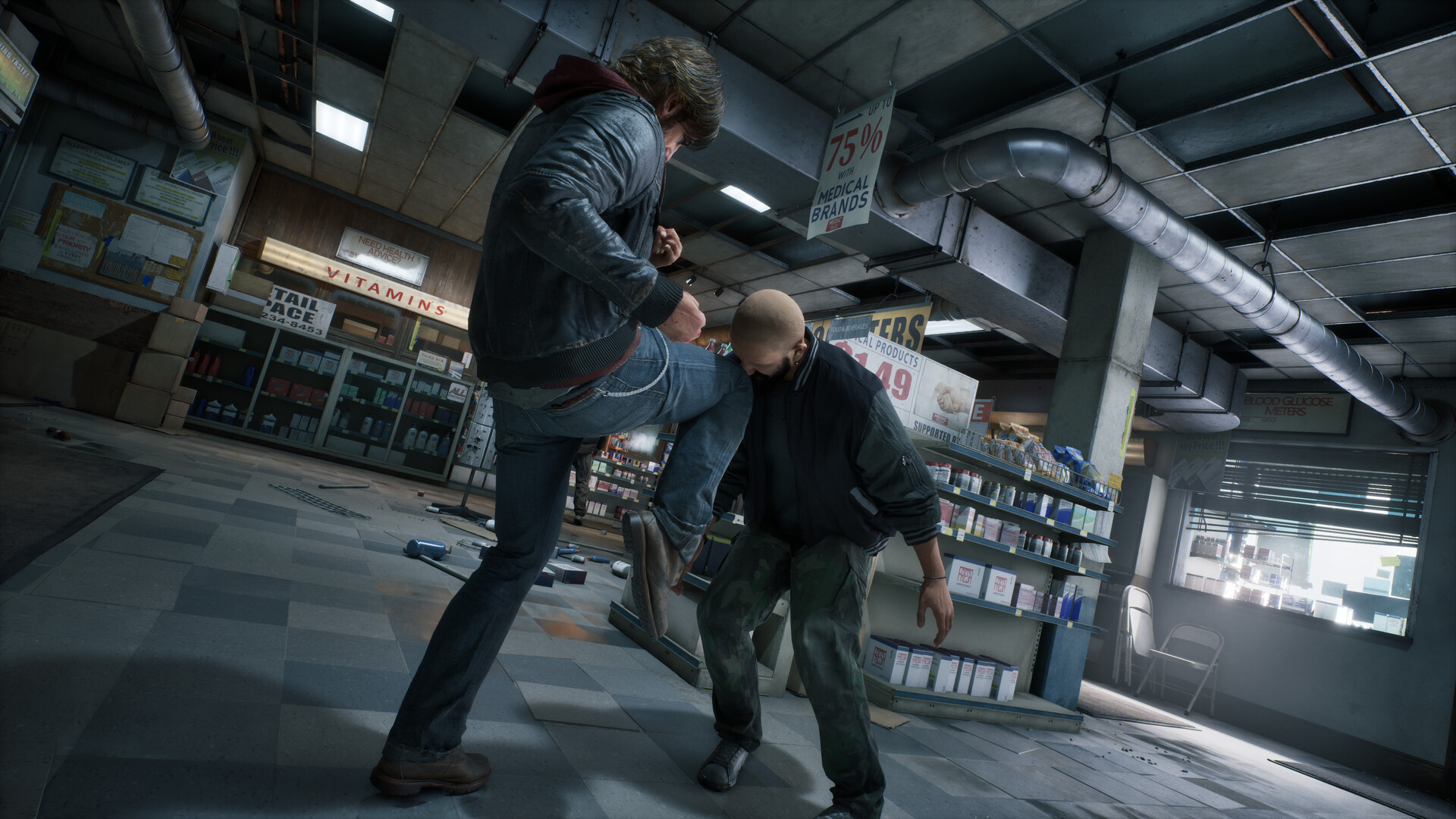
With their first game, Samson, now released, Liquid Swords studio founder Christofer Sundberg recently shared insights with us. He discussed what the team learned during development, and talked about plans for the future, including performance and resolution goals for the console version of Samson.
Now that Samson is out, what has been the biggest lesson for Liquid Swords from the game’s launch?
As a team of seasoned developers, we sometimes assume everything is perfectly prepared. This was our first time independently launching a game – a brand new project from a newly formed studio. It’s been a huge learning experience, and we’ve definitely learned some tough lessons along the way.
The most important thing we learned is that players are very quick to notice and get frustrated by basic technical issues, even if they like the core ideas of a game. We created a game with a distinct style and several features – like the driving, the debt system, and the atmosphere – that players enjoyed when everything worked well. However, we didn’t realize how much things like bugs, unclear combat, repetitive gameplay, and general polish issues would detract from the overall experience.
Looking back, the biggest mistake we made with the launch of Samson was definitely not explaining what the game actually was. We didn’t clearly communicate how big it was, but more importantly, how finished it was. That really backfired! Players had ideas of what to expect that we just didn’t meet, especially regarding polish, how much content there was, and how stable it was. It’s something we’re owning up to and are actively working to fix now.
Players won’t appreciate a game with big ideas if it’s held back by a limited budget. Issues like a clunky camera, unresponsive enemies, poor performance, or repetitive gameplay can ruin the experience, no matter how much charm the game possesses. We’ve learned that solid execution and clear communication are just as important as ambition and creativity.
Samson received varied reactions from players and reviewers. How has this feedback shaped your plans for the game moving forward?
The launch shifted our priorities. Initially, we were focused on releasing the complete game. However, after launch, it became obvious that we needed to prioritize things like game stability, how quickly the game responds, clear combat visuals, better AI, and more diverse missions.
When the game first launched, we were really focused on fixing performance issues and all the crashes – it was a top priority, and we got patches out almost right away. Now that those initial problems are mostly sorted, we’re able to spend more time on things like how the game feels to play, adding polish, and making sure there’s plenty to keep players coming back for a long time.
We’ve received consistent feedback from the player community. Most people are highlighting the same issues, which helps us focus on what matters most and avoid working on things that aren’t a priority.
Were there any points of feedback from players that genuinely surprised you after launch?
It was awesome seeing how players reacted to the little things we put into the game. I especially loved hearing Jake Baldino point out stuff like turning off your car’s engine and lights to sneak around, or actually using the nitro. It meant we were hitting the mark with the details we’d worked so hard on, and players were noticing them, which was a huge win for the team.
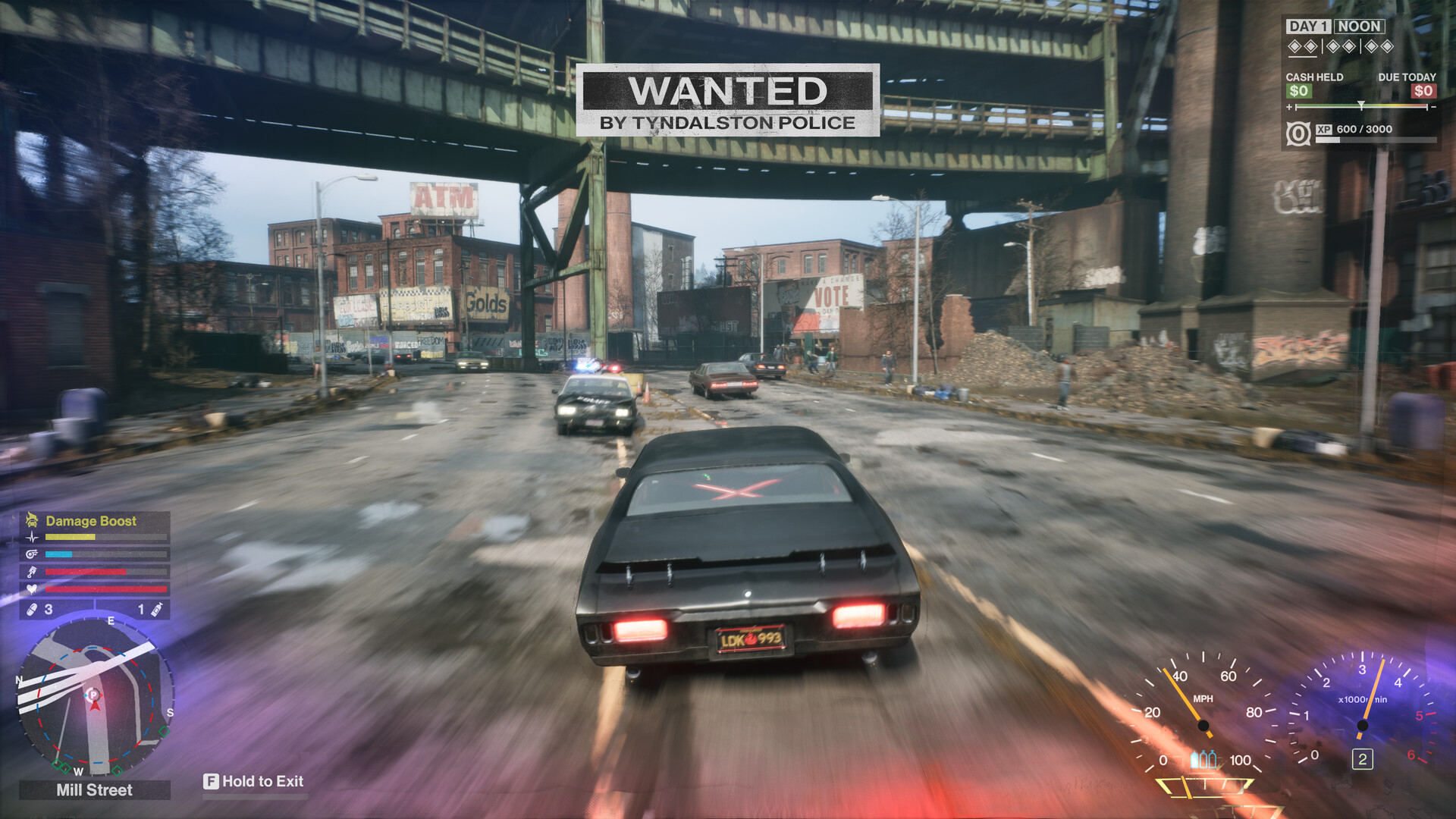
“A personal favourite was how positively people reacted to some of the smaller systems.”
We were surprised by how differently players reacted to the debt and pressure mechanics. While some enjoyed the tension and fast pace they added, others found them frustrating or limiting. We anticipated some disagreement, but not to this extent. We also realized we need to better explain how these systems connect to the game’s story. There’s still a lot of work to do to refine this aspect of the game.
What surprised us most was how many players could see the game’s potential despite its initial flaws. Even critical reviews often described it as a ‘rough diamond,’ suggesting a solid base to improve upon. We also appreciate the thoughtful feedback we receive with each update – it shows players understand both our company’s vision for Liquid Swords and the challenges facing the gaming industry as a whole.
Liquid Swords has admitted Samson had problems at launch. Looking back, what do you think were the main reasons the game was released in that condition?
Our biggest challenge was balancing our ambitions with our limited resources, especially funding. We’re a small, experienced team, not a large studio, and we’re attempting to create a detailed, action-packed urban game featuring driving, realistic combat, advanced AI, a dynamic police system, seamless open-world design, and a strong sense of atmosphere – all with a smaller budget than many might expect.
Eventually, we had to make compromises. We couldn’t focus on everything equally, so some areas received more attention than others. We were aware of certain problems, but didn’t fully fix them before the release. We also likely tried to achieve too much at once, and should have simplified things sooner.
As you get further into games like this, they tend to become much more difficult. Minor technical problems begin to add up, and various elements – like how characters move, objects collide, fights look, the game runs, the camera works, and how vehicles handle – all start to affect each other, creating a more challenging experience.
I’m not trying to justify anything, but the simple truth is people bought this game with their own money. They deserve for it to function correctly, or at the very least, to know what they’re getting before they buy it.
Our team has been concentrating on making the game stable, refined, and fast, while also listening to what players think. What aspects of the game are we working on most urgently right now?
As a huge fan, I’m really excited about the team’s focus right now – making combat feel amazing. They’re prioritizing a lot of things to achieve that, like how the camera moves, how enemies act, making sure you can actually see what’s happening in big fights, and how responsive everything feels. Plus, they’re tweaking the pacing of each encounter to keep things interesting. The changes to the combat camera we saw recently were just the beginning, and they pushed out a big update today – Wednesday the 20th – with a ton of improvements in those areas!
We’re also heavily focused on how characters other than the player behave. Things like enemies getting stuck, trouble finding their way around, or acting unpredictably can quickly pull players out of the game, and we want to avoid that.
We’re focusing on making missions more diverse and interesting. This doesn’t necessarily mean adding completely new types of missions, but rather building upon what we already have. We want to create more varied situations, introduce both unexpected and planned events, increase the stakes, and give players more complex goals. For now, we’re sticking with the existing mission framework and prioritizing fixing the game before adding anything new.
Then there’s continued optimization and polish across the board because the game still needs it.
Aside from bug fixes, are there any major changes planned for how Samson is played, based on what players have been saying?
We’re definitely paying attention to how the game flows and whether things get repetitive. Some players enjoy the challenge, but others find certain sections become too predictable after a while.
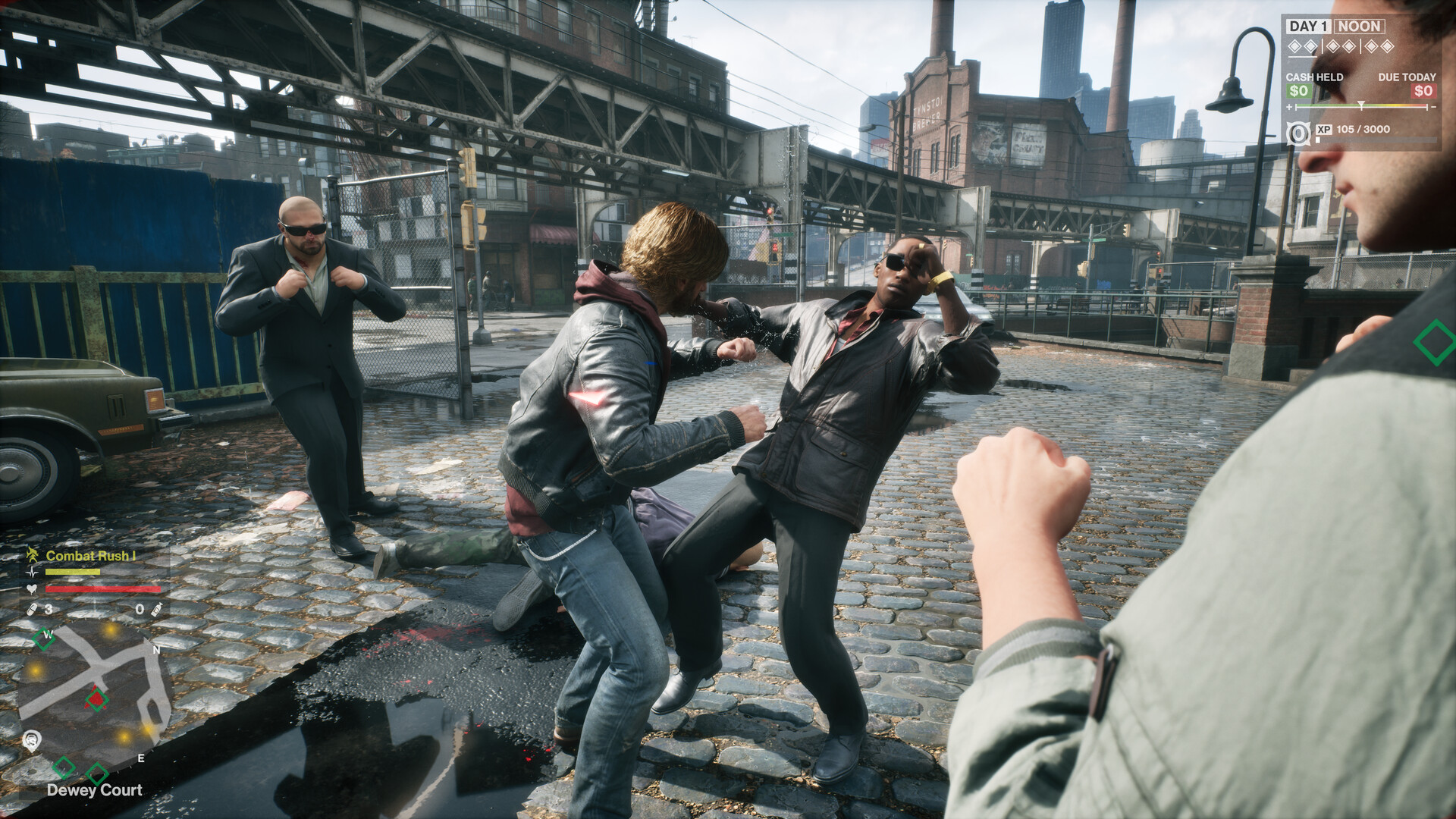
Offering a wider range of tasks is also a priority. This doesn’t necessarily mean creating completely new types of missions, but rather building upon what’s already available to offer more variety.
We still like the core idea of having debt as a game mechanic, but we need to make the gameplay around it more diverse and unpredictable to keep the tension engaging, instead of feeling like the same thing over and over.
We’re working on making chases and fights more dynamic, and ensuring the city feels more responsive to your actions. We’re also building out the job system so that missions can lead to surprising and unpredictable events. The fundamental gameplay won’t change, but we’re definitely adding a lot more detail and variety to the experience.
One of the most unique aspects of Samson is its combination of daily tasks, a required output, assigned action items, the stress of debt, and increasingly serious repercussions. Player feedback on this system has been a key area of interest – how have they reacted to it?
The reaction has been mixed, which we anticipated. Some players appreciate the intense, pressured feeling and enjoy how it drives the gameplay, giving the game a unique identity. Others feel too constrained and prefer more freedom. Because the game world is currently limited in size, we plan to give players more control and options as we expand it.
It’s notable that even players who don’t enjoy this feature often acknowledge it sets the game apart from other open-world titles. This is something we intentionally aimed for, as we didn’t want players to feel like Samson was weak or complacent.
The challenge now is making the system feel less repetitive while keeping the pressure intact.
As a player, one of the things everyone’s been talking about is combat! I’m really curious to know what the developers are planning to improve. Specifically, I’d love to hear about changes to things like close-up fighting, how enemies act, how clear it is when you hit or get hit, and making sure each fight feels different and interesting. What’s in the works to make combat even better?
At launch, a major problem with combat was how difficult it was to see what was happening. Players often felt overwhelmed when facing multiple enemies because the camera zoomed in too close. This made it hard to keep track of attacks and understand the situation, which sometimes led to unfair encounters.
We’re making enemy combat more dynamic and interesting. Bigger enemies now have a wider range of attacks, and they move and position themselves more intelligently. We’re still refining how groups of enemies behave, ensuring they don’t just stand there. Our goal is to let players confidently charge into a room and take on any group of enemies, relying on skill, not chance. We want to encourage players to use their surroundings to their advantage – like dropping objects on enemies – and adapt their tactics on the fly. For example, you might notice enemies regrouping, creating an opening for a well-aimed throw. We have a lot of ideas to make combat more varied and enjoyable, and we’re working hard to bring them all to life.
The game needs improvement in a few key areas. Impacts should feel more powerful and noticeable, and actions within the environment need to consistently register. Battles should feel deliberate and controlled, rather than random and frantic. These points cover everything I’ve already mentioned.
It’s also crucial to have diverse challenges. While improved combat is helpful, players get tired if every fight feels the same. This is where offering a wider range of job roles and complex scenarios comes in. By combining different jobs within a single situation, we can create more exciting and engaging experiences.
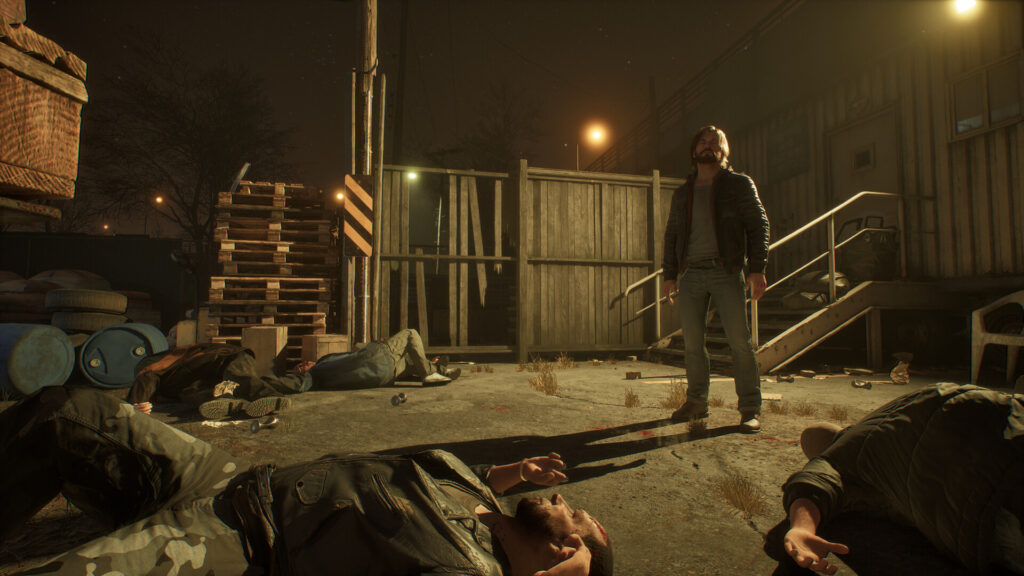
“Better combat systems matter, but if encounters feel too similar, players still burn out.”
Tyndalston seems really important to the character of Samson. How happy are you with how the city was presented when the game first launched, and are there any future plans to make it feel more dynamic and lively with updates?
Honestly, I’m most proud of the world we’ve created in Tyndalston. We poured so much time into building it, and we’ve still got tons of ideas for things to add, either in future updates or maybe even a sequel! It really feels like a place with its own identity, and that’s something I’m really happy with.
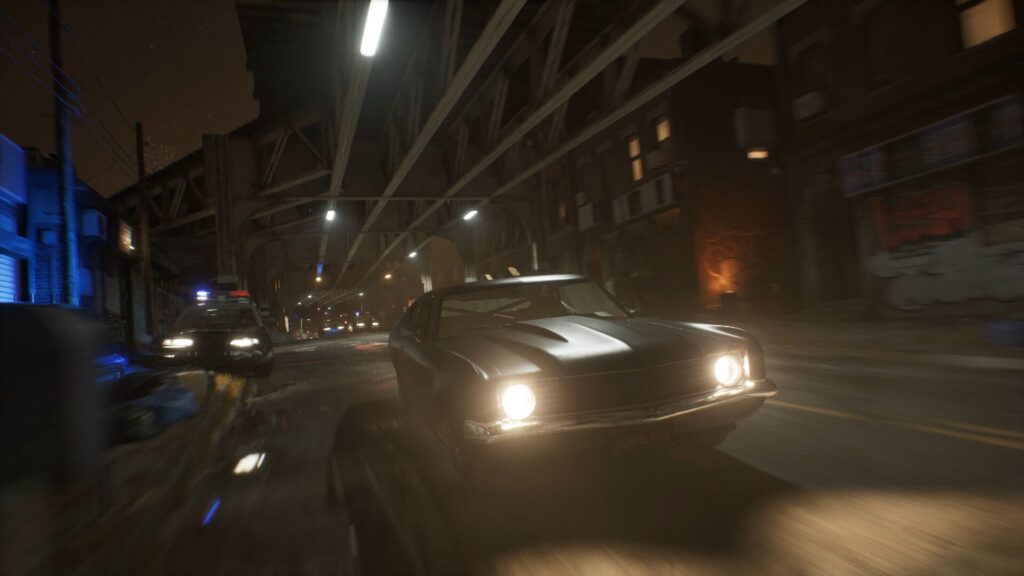
Players really connected with the city, just as we’d envisioned. It evokes a feeling of being hostile, run-down, oppressive, and unsettling. Tyndalston truly feels like a character in itself, and that was our primary goal from the beginning.
We’re aiming to make the game world feel more alive and responsive. We want events to happen organically, giving players more reasons to explore and engage with the city beyond just getting from point A to point B. Ultimately, we want to increase the tension, surprise players with unexpected occurrences, and enrich the environment with subtle storytelling. Improvements to traffic, navigation, and the underlying world systems will all contribute to this goal.
Are there plans to expand the game with new missions, things to do, enemies, vehicles, or areas? Or is the team currently focused on improving what’s already in the game?
We’re prioritizing improvements to the Polish level, as that’s where we initially fell short. We’re also exploring new content like extra missions, more diverse challenges, a wider range of enemies, gameplay tweaks, and new features that will enhance the existing experience.
It’s crucial to avoid adding unnecessary features to the game. We want to make sure any additions strengthen what makes Samson unique, and that we address existing issues before introducing new content. Currently, focusing on creating more diverse missions should be our top priority.
At what point will you consider Samson fully finished? Are you looking for a certain level of quality, a specific amount of content, or a positive response from players to mark its completion?
You know, that’s a question I’ve thought about a lot. For me, a game really ‘clicks’ when I stop focusing on glitches or confusing controls and just get lost in actually playing it. When the game itself takes over and I’m not fighting the mechanics, that’s when it’s truly good.
We recognize the game isn’t perfect and that some reviews rightly pointed out its flaws. However, we’re encouraged that players are connecting with the core experience – the heart of what we’re trying to create with Samson – and we’re excited to improve and expand on that foundation.
We don’t have a specific review score or sales number we’re aiming for. Our main focus is making sure the game provides the experience we envisioned. It’s about refining and perfecting what we’ve already created, not necessarily hitting goals from the initial launch.
Is Samson’s strategy – being smaller, more hands-on, and highly specialized – a good direction for the industry, or has its recent rollout demonstrated just how challenging that approach can be?
I believe this is the best path for developers like us who are working independently. Big-budget, AAA games are still being made, but no publisher is currently willing to fund a completely new game idea from an outside development team – I know this from personal experience. They might revisit older game franchises, but those projects don’t usually have large budgets either. Of course, there are exceptions, like IO Interactive’s impressive-looking James Bond game, Project 007.
Ultimately, the gaming industry needs to focus on smaller, more unique games. We need more titles that are willing to take chances and stand out, without requiring massive budgets to create. The space for mid-sized games seems to have vanished.
The gaming industry could really benefit from more unique and innovative games that aren’t excessively expensive to create. We’ve lost a lot of that middle ground – games that aren’t small indie projects or massive blockbusters. The release of Samson highlights just how challenging it is to succeed with a moderately-budgeted game. Players often judge games based on the standards set by huge, high-budget titles, particularly in genres known for being costly to develop. This creates significant pressure for smaller development teams working in those genres.
Honestly, I really appreciate games that feel a little raw and come from a personal place, especially when they really focus on a specific vision. But it’s a tough balance – if they’re too rough around the edges, it can totally ruin the experience, and we definitely saw that happen with the launch of Samson. It’s a shame when a good idea gets tripped up by technical issues.
“There’s value in games that are a bit rougher but more personal and focused.”
I’m really curious – since the game is coming to consoles later this year, how much of what PC players have been saying is actually making its way into the PlayStation 5 and Xbox versions? I’m hoping the developers are listening to us and making the console releases even better!
All the improvements and fixes we’ve made to the PC version will also be included in the console versions. This means console players will automatically get the benefit of everything we’ve learned and improved since the PC launch – things like better stability, smarter AI, refined camera controls, easier navigation, and updated combat. Essentially, all of our PC progress is being rolled into the console games.
Launching the game on PC helped us learn a lot, and we’ve used those lessons to make the console versions feel more polished and refined.
What level of performance and visual quality are you hoping to achieve on the PlayStation 5, Xbox Series X, and Xbox Series S?
Our Tech Director Fredrik Lönn has responded to this question.
For PlayStation and Xbox Series X, we plan to have a performance and quality mode to choose from.
PS5 & XSX
- Quality: Dynamic resolution 1080-1660p with upscaling 4k
- Performance: 1080p with upscaling 4k
XSS
- 720p – 1200p with upscaling 1440p
Are there any plans to make the game look or run better on the PS5 Pro, such as by increasing the resolution, boosting frame rates, improving graphics options, or adding ray tracing?
Our Tech Director Fredrik Lönn has responded to this question.
PS5 Pro will feature higher-quality graphics.
Considering the game’s technical requirements, are there plans to potentially release it on a Nintendo Switch 2 in the future, or is that not being considered right now?
We’re not working on a Nintendo Switch 2 right now. Our priority is to create the best possible versions of the game for Xbox and PlayStation.
Considering all the hard work the team put into building and releasing Liquid Swords, what makes you optimistic about its success going forward?
Even with the challenges and a bumpy start, the team successfully launched a unique and ambitious game. Getting a game released today is hard enough, and they did it independently!
The team remained committed through the launch, and immediately addressed every issue that arose, allowing us to react swiftly. They embraced feedback, even when critical, instead of ignoring it. As the founder and studio head, I deeply appreciate their unwavering loyalty, hard work, and resilience.
It’s common for games of all sizes to have problems when they first release, and there are many reasons why this happens. The most important thing is for the developers – that’s us, Liquid Swords – to understand what went wrong, learn from those mistakes, and consistently fix issues and improve the game. We’re committed to doing exactly that – being honest and making things better.
We’re always listening to our players through social media and appreciate all the feedback we receive. We’re constantly working to improve the game, and our next major update is scheduled for June 9th.
Read More
- Forza Horizon 6 Car List So Far: Confirmed Highlights, Cover Cars, DLC, and Rewards
- GBP CNY PREDICTION
- Mark Zuckerberg & Wife Priscilla Chan Make Surprise Debut at Met Gala
- Elon Musk’s Mom Maye Musk Shares Her Parenting Philosophy
- 10 Greatest Manga Endings of All Time
- Elon Musk’s Ex Ashley St. Clair Reveals When Romance Became “Weird”
- Gold Rate Forecast
- 10 Most Powerful Versions of Superman, Ranked
- 38 Years Later, Murder, She Wrote’s Most Overlooked Episode Still Pulls Off TV’s Greatest Crossover
- 10 Grossest Zombie Horror Movies Ranked
2026-05-27 18:17