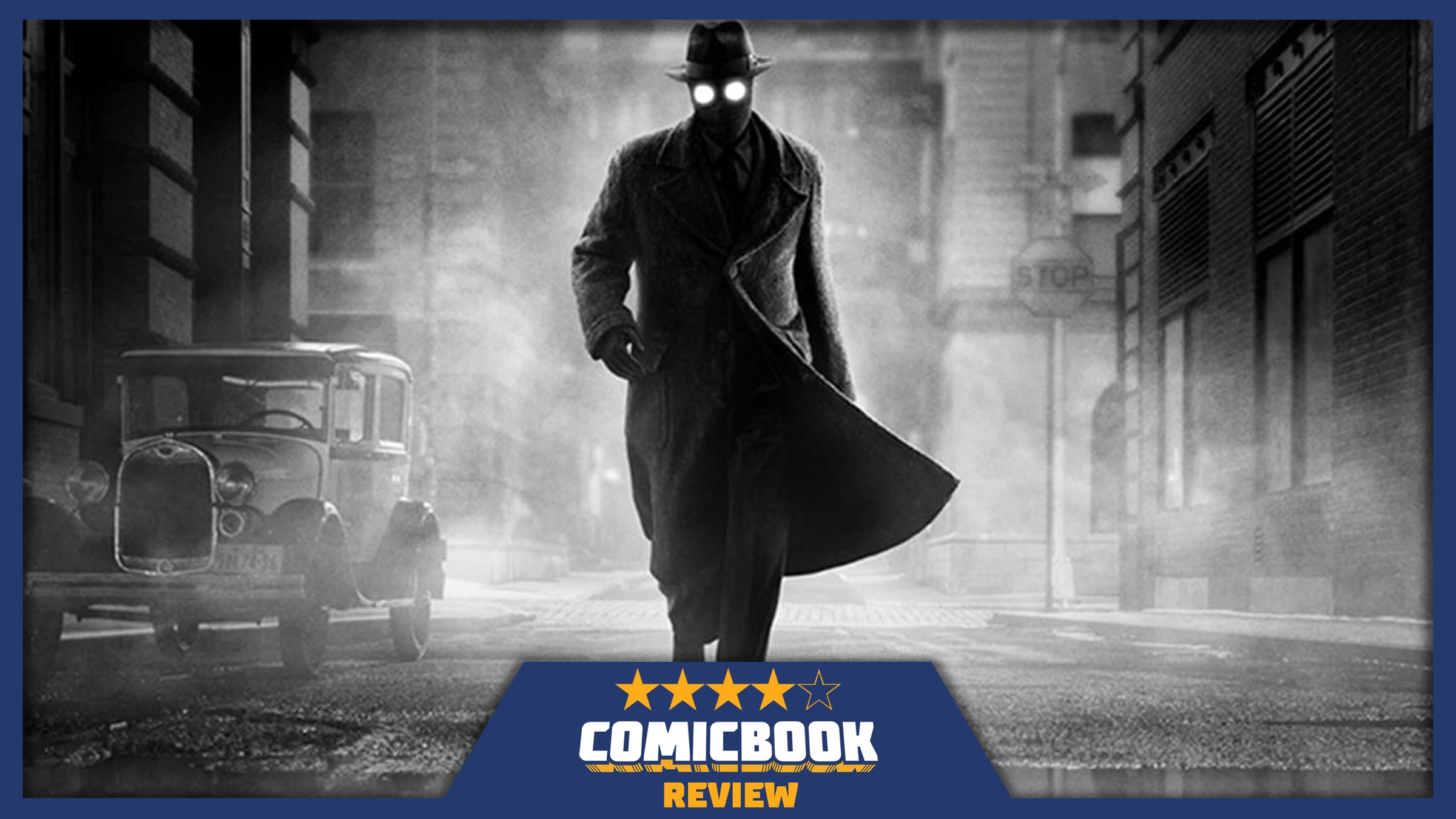
It’s easy to see Amazon and MGM+’s Spider-Noir as just a stylistic trick – a 1930s-set, black-and-white (or color!) series starring Nicolas Cage as a retired superhero, with fresh, unusual versions of familiar villains like Sandman and Tombstone. However, Spider-Noir is surprisingly substantial. It feels like a potential blueprint for Sony to finally create live-action Spider-Verse projects that include Spider-Man, rather than actively avoiding it.
Despite claiming it’s not connected, Spider-Noir feels very much like a spin-off of Sony’s excellent Spider-Verse animated films. Nicolas Cage plays a character almost identical to his Spider-Verse counterpart – same comic book origins, costume, voice, style, and overall mood. The show immediately emphasizes that its universe is different, and that’s all that matters, likely due to licensing issues. Ultimately, it shares so many similarities with the Spider-Verse version that it might as well be considered part of that world, and it’s a surprisingly smart and welcome addition to the broader Spider-Man universe.
Rating: 4 out of 5
| PROS | CONS |
|---|---|
| The cast, from Nic Cage down, are all excellent | One subplot feels unearned |
| Great action sequences and a captivating story (even when it’s a little obvious) | Could have been 20% stranger |
| Excellent noir references and aesthetic |
Nic Cage is a Strange Joy as Ben Reilly
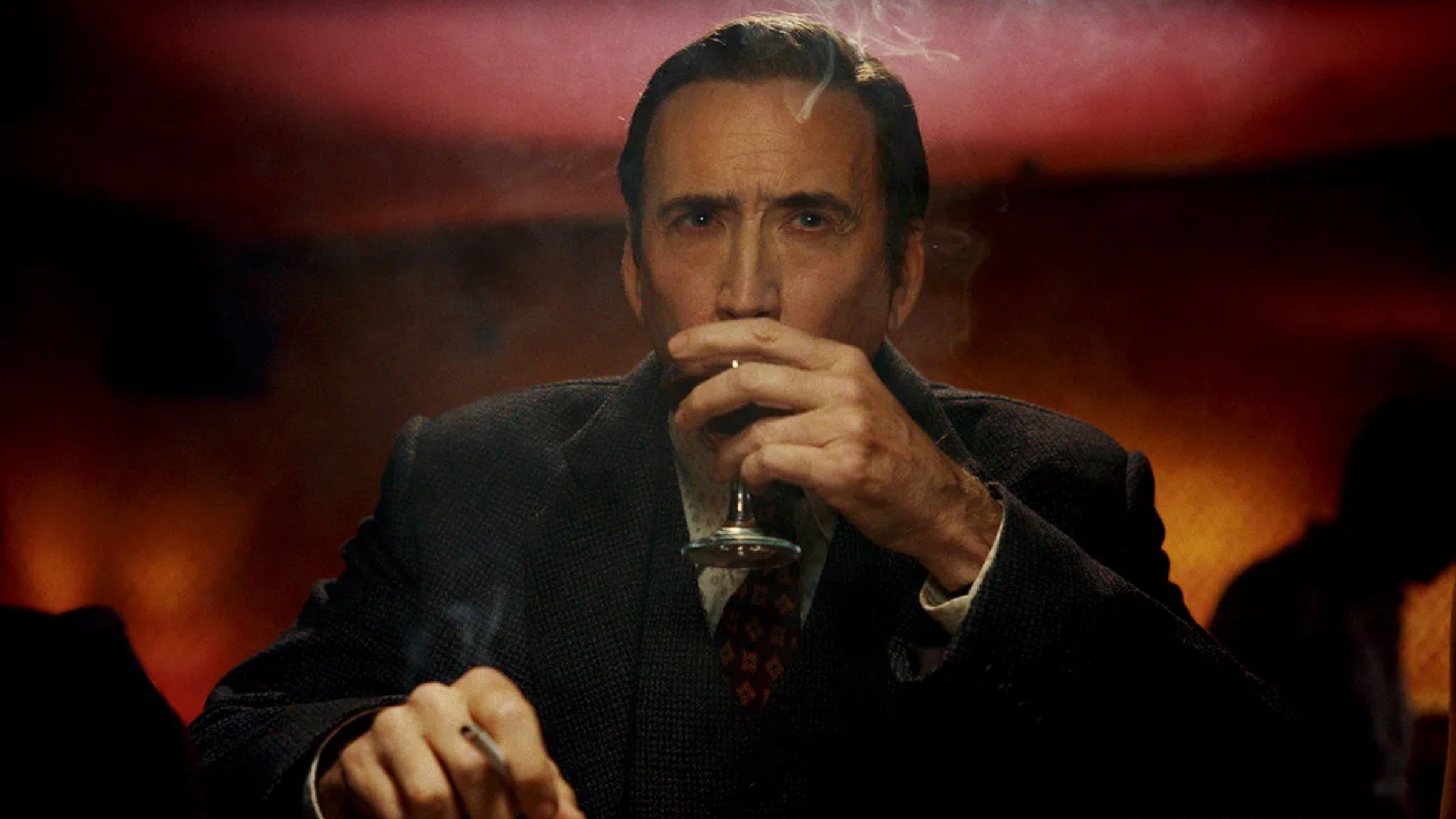
Nicolas Cage delivers a fantastic performance. This Spider-Man is a departure from the more comedic, exaggerated version we saw in Spider-Verse. He’s playing the role with more seriousness, which naturally reduces the humor. While you might expect this to make the casting odd, Cage actually embodies the archetype of the flawed, classic noir detective, reminiscent of Philip Marlowe. It’s a remarkably insightful performance, clearly aware of and drawing from noir traditions. There’s still plenty of humor, as hard-boiled detectives are known for their sarcasm, and Reilly’s perpetual frustration as a private investigator actually suits the familiar trope of a retired superhero. He also adds a unique, quirky energy, and moments where he leans into a more uninhibited persona – like when he’s disguised as a handyman – are particularly effective.
I was hoping Nicolas Cage and the show could have gotten a bit wilder, honestly. His Spider-Man Noir in Into the Spider-Verse was hilarious, and even without the ‘fish out of water’ element, he had the potential to be even funnier. Still, he deserves credit for doing a great impression of Humphrey Bogart, Edward G. Robinson, and James Cagney without it feeling like a simple imitation. Maybe I just wanted everything – a bit of chaos and a faithful performance at the same time?
This isn’t your typical Spider-Man story, and that’s a good thing. It takes some big risks: instead of Peter Parker, we follow Ben Reilly, who calls himself The Spider – a name that feels fitting for the era. While it includes plenty of nods to classic Spider-Man – the iconic lines, familiar villains, and thrilling swings through New York – this is a distinctly different world. It’s a much darker take, dealing with serious themes like suicide, murder, and torture, and featuring a Spider-Man who isn’t afraid to kill or threaten others. It’s genuinely enjoyable and proves that Spider-Man stories don’t always need to be geared towards families to be successful.
What Worked Best in Spider-Noir
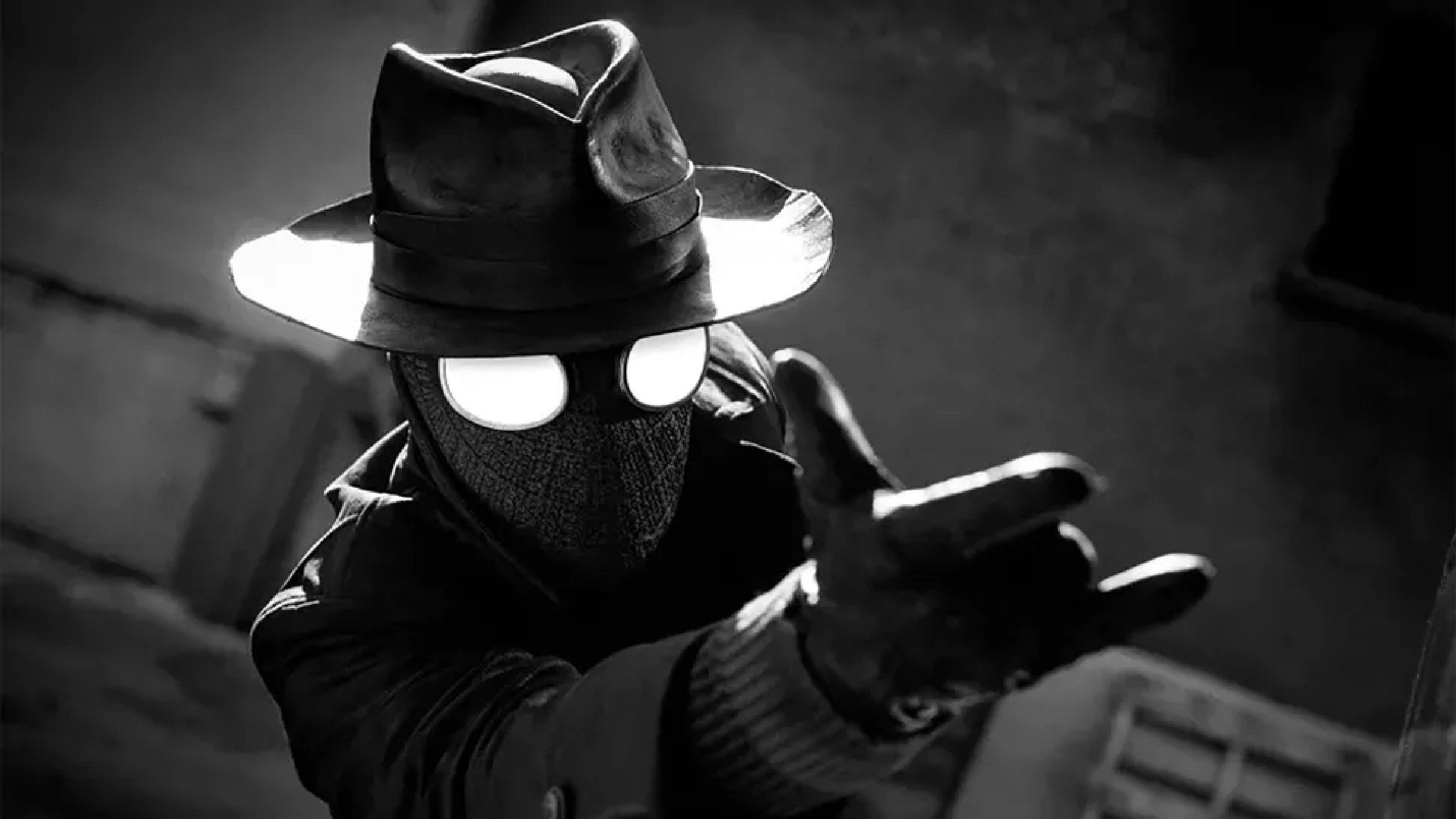
The show is remarkably well-made, going beyond just clever character work and nods to classic noir films. The cinematography is particularly impressive. While it works perfectly well as a superhero story, fans of noir will be especially pleased by the visuals – it’s a treat for those who appreciate that style, and as Nicolas Cage pointed out, it feels like a loving tribute to the films that influenced it. A good place to start exploring those inspirations is with The Maltese Falcon.
Nicolas Cage excels at portraying a former hero who’s seen better days. This isn’t about his age, but rather the naturally world-weary look he’s always had. He convincingly plays a retired protector who’s a bit rough around the edges – someone who drinks too much and doesn’t get enough sleep. This lends itself to action sequences that feel grittier and less polished than typical superhero movies, with more impactful hand-to-hand combat. While the story involves classic detective tropes like private investigators, dangerous women, and gangsters, it’s ultimately a superhero story, and the action is particularly compelling when Ben is reluctantly pulled back into action to stop a scheme orchestrated by a group of comic book villains, including the mob boss Silvermane.
Honestly, the supporting actors are fantastic – you really notice the talent they’ve brought in. Brendan Gleeson as Silvermane is just incredible; he’s a total powerhouse, and there’s something about him that reminds me of his Mad-Eye Moody, but even more dangerous. It’s funny, because his Irish accent actually adds to how scary he is. There’s this warmth in his voice that makes his coldness even more unsettling. And Jack Huston! He looks like he stepped right out of a classic 1930s movie. While his voice is a bit more of a typical ‘bad guy’ voice than you’d expect from a golden age star, he’s a brilliant villain. He really captures the complexity of Flint Marko, and I almost felt like I was watching a young Orson Welles!
Lamorne Morris plays Robby Robertson as a classic investigative journalist, reminiscent of those from old comic books, but with a stylish, contemporary edge – especially noticeable in the color version. Abraham Popoola’s portrayal of Tombstone differs from the comic book character, but he captures the same sense of sadness and depth as the original, making him compelling to watch. Li Jun Li delivers a captivating performance as Cat Hardy, the cool and mysterious woman at the heart of the story, a familiar role in this type of genre. Nicolas Cage’s singing, however, doesn’t quite reach the same level.
What Doesn’t Work So Well in Spider-Noir
It’s a shame this show dropped all its episodes at once. The first episode includes a trailer for the rest of the season, and each episode starts with a recap – both of which feel odd when you can watch everything immediately. Shows like this really benefit from being released weekly, allowing audiences to discuss and savor each installment. The Penguin did this well, and I wish Wonder Man had, too. Spider-Noir seems like it could have kept viewers engaged week after week. I won’t lower my rating because of the release strategy, but I think you’ll enjoy the show more if you don’t binge it all at once.
A few plot points felt predictable, as they were heavily foreshadowed. The romantic relationship also felt rushed and didn’t quite land. While it might be intentional – a nod to how effortlessly private investigators attract trouble – it didn’t fully work for me. The story occasionally strayed from its classic noir feel, leaning a bit too much into a modern, polished style. If the overall presentation had been a little rougher and more gritty, it would have felt more cohesive.
Finally, let’s talk about which version to watch: the original black and white, or the colorized one. I tried both, and I think the black and white actually looks better. It suits the show’s style and intentionally retro feel. The series uses dramatic lighting – almost like the paintings of Caravaggio – and that effect is stronger in black and white. However, some of the details, especially the over-the-top costumes Lamorne Morris wears, really pop in color. Honestly, maybe the best solution is to watch it both ways!
Read More
- 10 Greatest Manga Endings of All Time
- GBP CNY PREDICTION
- Mark Zuckerberg & Wife Priscilla Chan Make Surprise Debut at Met Gala
- Elon Musk’s Mom Maye Musk Shares Her Parenting Philosophy
- Review: Final Fantasy Tactics: The Ivalice Chronicles (PS5) – Still the Benchmark for Turn-Based Tactics
- Miranda Kerr Shares “Quick” Procedure She Got Before Met Gala 2026
- Forza Horizon 6 Car List So Far: Confirmed Highlights, Cover Cars, DLC, and Rewards
- Ranking the 5 Best Spring 2026 Anime So Far (Mid-Season Update)
- A Major PlayStation Delisting Exposes a Sony Problem
- 10 Best Free Games on Steam in 2026, Ranked
2026-05-23 00:42