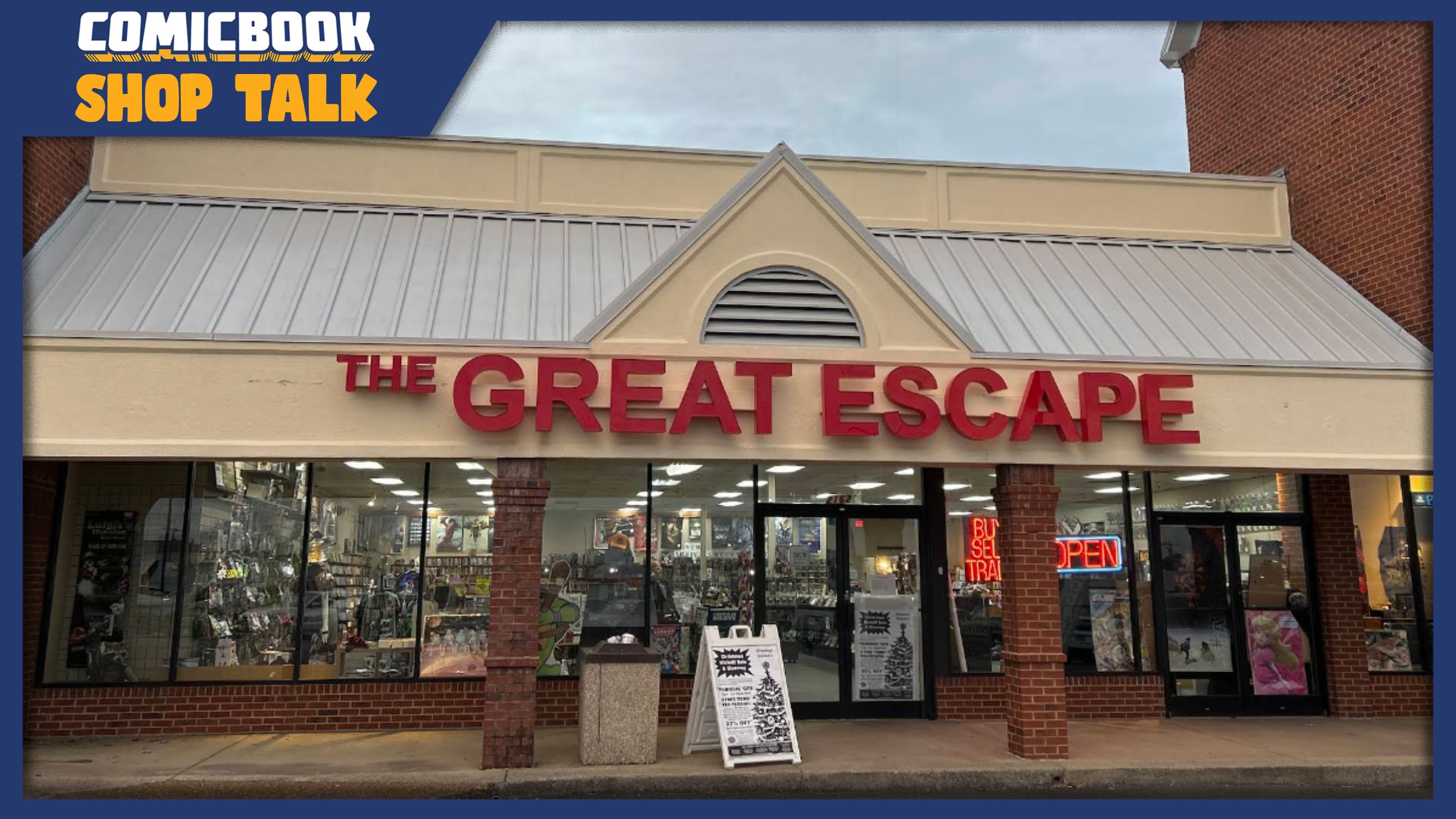
We’ve launched our new comic book vending machine (you can see it here!), and we’re visiting local comic shops to keep it stocked with awesome collectibles. We’re committed to supporting these businesses – everything in the vending machine comes from the stores you already love. Our next ‘ComicBook Shop Talk’ will feature The Great Escape in Madison, TN, one of those fantastic shops!
ComicBook Shop Talk is a series where we interview staff at comic book stores across the country and even internationally, to get a better understanding of the industry. This time, Chris Killian from ComicBook spoke with Doug Mabry, a manager at The Great Escape Madison. The Great Escape not only sells new comics, but also buys and sells rare issues, giving them unique insight into the hobby and how to thrive as a business. Their focus on rare comics even helped us find some fantastic items for our vending machine.
Check out the grail we found at The Great Escape.
Do you love your local comic book shop? We’d love to feature it in ComicBook Shop Talk! Send us an email at shoptalk@comicbook.com and tell us why this store is special – what makes it a great place for comic book fans and how it supports the comic book community.
The Great Escape
| Website: thegreatescapeonline.com | Email: thegreatescapemadison@gmail.com |
| Address: 2162 Gallatin Pike N. Madison, TN 37115 |
Instagram: @thegreatescapemadison |
| Phone number: 615-865-8052 |
The Comics That Grab Our Attention
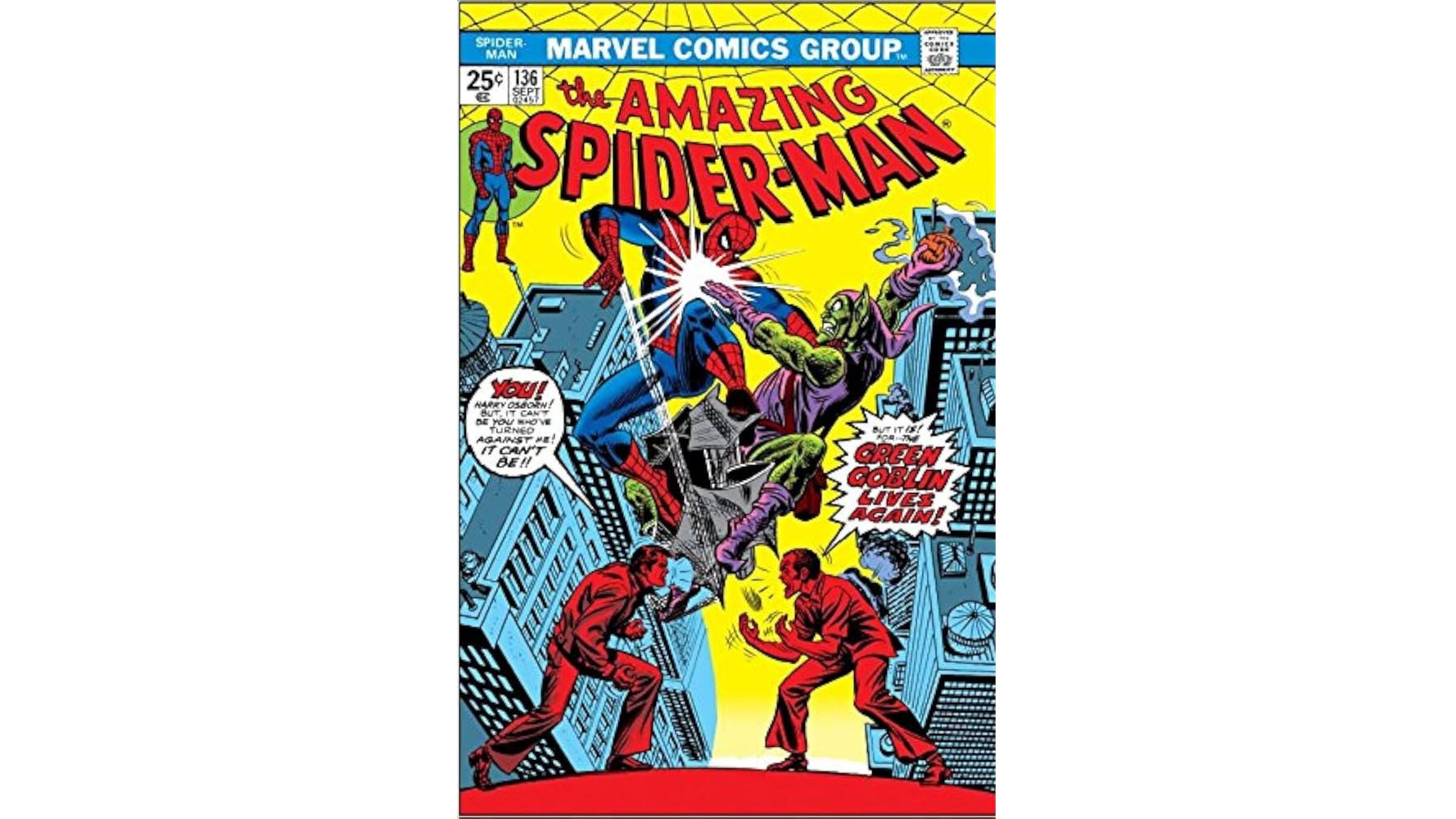
Chris started recording and then asked Doug to share the very first comic book that sparked his love for the medium.
Doug: Amazing Spider-Man #136.
Chris: What was it specifically about #136 that you loved?
I got that comic – Spider-Man versus Green Goblin – when I was a kid, and it totally blew me away. It was the very first one I ever bought, and I was just captivated by how awesome it was.
That’s a great question! I’m curious – what products are currently selling well that you find unexpected, and what products do you think should be selling better but aren’t?
I was really surprised by how well the Absolute Batman books did, and the Absolute line overall. I didn’t anticipate that level of success – it just took off! There are a few other titles I thought would perform better, though. I’m a little surprised Fantastic Four hasn’t sold more copies, and I also expected Hellboy to reach a wider audience.
Chris thinks Hellboy is a comic book that really appeals to comic creators and fans, but it hasn’t reached the same widespread popularity as some other comics.
Doug: Yeah, exactly.
Chris mentioned he’s often heard that the comic book industry relies heavily on one incredibly popular title each year to stay successful – a real breakout hit.
Yeah, that’s true. It doesn’t always stay consistent – things change from year to year – but there’s usually something that keeps things going.
Chris asks whether people generally prefer to buy comics as individual issues or collected as trade paperbacks or graphic novels, and which format seems more successful at attracting and retaining readers these days.
For us, single-issue comics are still the most popular format. While many people collect trade paperbacks, a lot of those same readers are also fine with reading comics online. They aren’t necessarily focused on owning the physical, original comic. If that’s the case, they’re likely to just read it digitally instead of buying the trade. The people who do want to own the original issues are still buying the monthly comics. So, digital downloads seem to have impacted trade paperbacks more than individual issues.
Chris wonders if reading habits differ between generations. He notes his son prefers to wait for collected editions, or “trades,” of comics – like the recent Batman Dark Patterns – enjoying the binge-reading experience. Chris, on the other hand, prefers buying individual issues as they come out, valuing the original format. He’s curious if this difference reflects a broader generational shift in how people consume comics.
Yeah, I can definitely see that point. My son is similar – he doesn’t read a ton of comics, but when he does, he prefers to read a complete story arc in one go. For example, if he’s into Daredevil, he’ll want the entire Born Again collection, rather than single issues. I’ve also noticed older collectors often prefer deluxe hardcovers with extra features. But generally, younger readers seem perfectly happy with trade paperbacks that collect the whole story.
Chris is asking: When someone new to comics comes into the store, is there a particular character or comic book you usually recommend to get them started?
When someone new comes into the shop, I don’t jump to recommendations right away. I try to figure out why they’re interested in comics in the first place. Are they into anime, maybe? Or are they a superhero fan? A lot of times, it’s something they experienced as a kid – like watching Spidey and his Amazing Friends. Sometimes it’s the recent movies, like Batman, that got them hooked. Once I have a sense of what sparked their interest, that’s where I start helping them find what they’ll love.
How Hollywood Helps Comic Book Shops
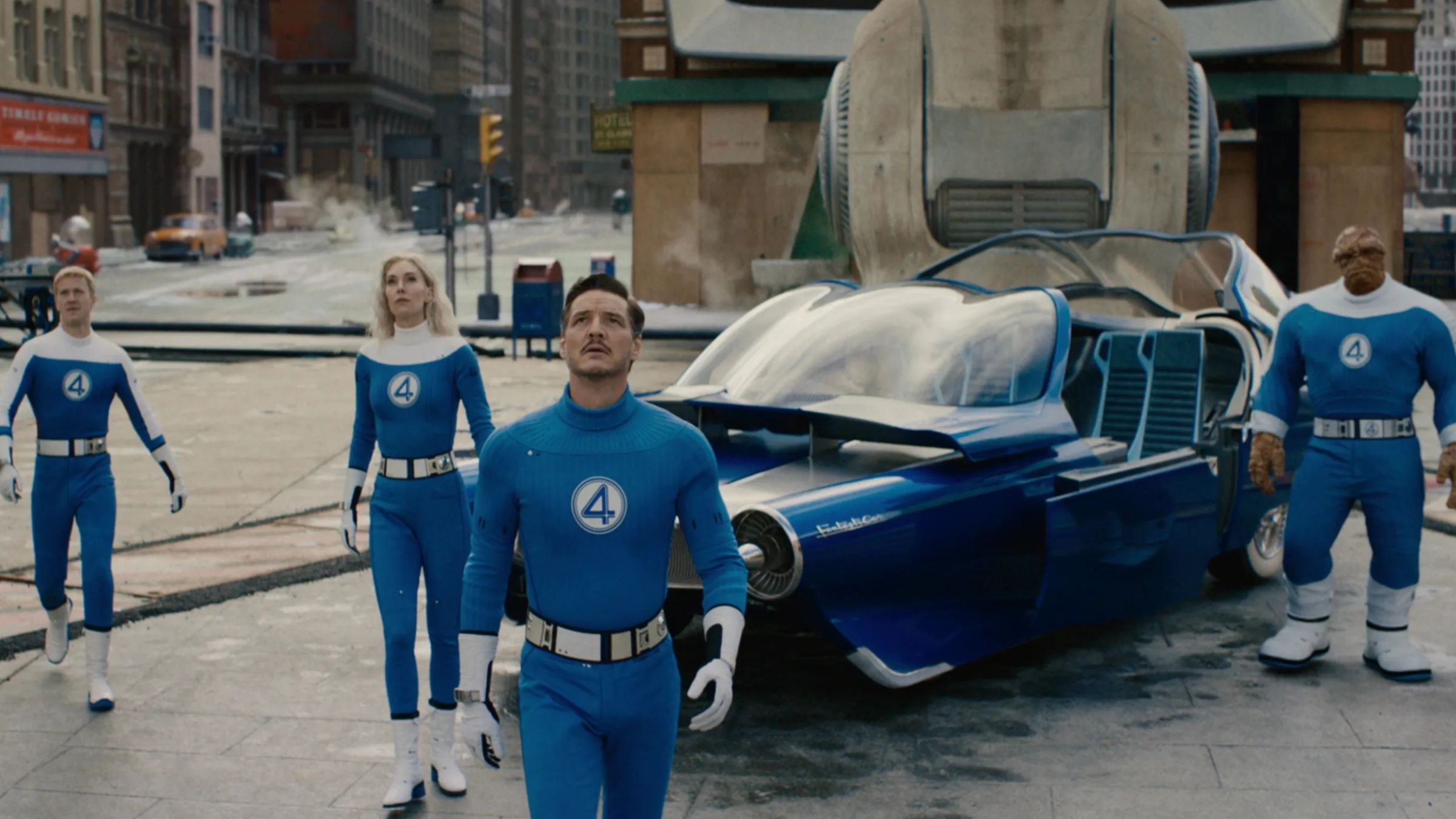
Chris mentioned that intellectual property, or IP, is hugely popular right now, with almost every major comic book character having their own show, movie, or cartoon. He then asked if this increased visibility generally brings more customers to their business.
I believe it provides a temporary boost. It’s not a lasting effect, though. For example, when a movie about a character—like Fantastic Four—is released, we might see sales increase for a couple of months. After that, people either become regular readers or they don’t. I don’t expect to see people coming back years later to buy Fantastic Four comics just because they watched the movie or saw it streaming. The increase in interest usually happens right when the movie is popular.
Chris is asking if there are noticeable differences between books that become popular and keep readers engaged, and those that don’t. He wants to know if the speaker can identify any specific qualities that successful books share, compared to those that lose readers’ interest.
I’ve noticed that when the creative team on a comic stays consistent, readers tend to stick with the series for a long time – often 30 or 40 issues or more. However, when Marvel or DC reboots a series, there’s usually a quick boost in sales for the first few issues, but then sales often fall lower than they were before the reboot. It seems like these frequent restarts actually discourage new readers and give existing readers a reason to stop following the series, rather than attracting them.
I recently heard Robert Kirkman discuss how many long-running comic book characters feel stale, and that the industry needs new characters and stories to stay exciting. Do you think that reflects what readers actually want?
That’s a great point. Comic books are always introducing new characters, and that’s been true as long as I can remember. When I was a kid in the 70s, I was excited about characters like Ghost Rider and Luke Cage. Even though books like Fantastic Four and Spider-Man had only been around for about ten years at that point, the idea of getting in on the ground floor with something new was really appealing. I think that will always be true. But that doesn’t mean we’ll stop loving classic characters. Icons like Spider-Man, Captain America, and Batman have a universal appeal that keeps them popular. It’s not about new characters replacing the old ones; both can be successful.
I’m curious about your thoughts on AI. It’s everywhere right now, and I’m wondering how it’s impacting the comic book industry, especially comic book stores. Do you see AI as a helpful tool, a potential problem, or something the industry isn’t ready for? What’s your overall opinion?
From a business standpoint, we haven’t felt any impact from AI so far. I do think it could potentially hurt artists and creators in the future, but we don’t use AI in our work, and I haven’t seen much AI-generated comic content yet. It’s still too soon to say for sure what the long-term effects will be.
I’ve already met people who call themselves true artists just because they use AI, and honestly, it really bothers me. It feels a bit much. I’m fine with it as a fun pastime, but when they start presenting themselves as serious artists, it gets to me. Anyway, what’s the most challenging part of running a comic book store that people on the outside wouldn’t get?

The biggest challenge we face is that customers selling comics often don’t understand how the market works. A price guide might say a comic is worth $5, but that doesn’t mean I can turn around and sell it for that price right away. I might have many copies of the same comic, and it could take years to sell them all. When we buy collections, we need to be sure we can at least cover our costs fairly quickly, and then sell the remaining comics gradually over time. Sometimes people think we’re offering a low price, but it’s simply because we likely already have a lot of that particular comic – for example, I probably have ten copies of Death of Superman in stock, and even selling them at half the price guide value, I might only sell one per year.
Chris: Yeah, I feel like those are the kind of people who need to watch some Pawn Stars.
Absolutely. It’s something I’ve noticed a lot. Whenever someone says something like ‘there’s still some value to be found here,’ I immediately know they’ve been watching shows like Pawn Stars or American Pickers.
Chris: What’s the most expensive comic book that you personally have ever sold?
That’s a great question! To be honest, I don’t recall the exact price of the most expensive item I’ve sold. We’ve sold a few in the last year or two for around $5,000, but I’m not sure what the highest price we’ve gotten was.
That makes sense. I imagine after a while, like with anything, it all just starts to run together, and you forget the details.
Doug: Yeah, and what would be a big deal price 20 years ago isn’t such a big deal price now.
Man, I still think about this deal I made about ten years ago. I had a really nice 9.2 copy of Giant Size X-Men #1, and I ended up selling it for $1,000 to cover my kid’s braces. Honestly, it’s something I really regret letting go of – I kick myself about it even now!
Doug: Yeah, yeah.
I initially figured I could easily repurchase the book later, it didn’t seem like a problem. But when I actually went to buy it again, I realized it was much harder than I expected.
Doug: Yep, I’ve been there.
Chris: Okay, awesome. Doug, thank you so much for your time, man.
–
If you have a comic book or card shop and would like us to feature it in a shopping spree, or if you’re a customer wanting to suggest a store, please email us at shoptalk@comicbook.com. We’re building a list of shops across the country – and even some internationally – that we’d love to visit!
Meanwhile, give the Vending Machine a spin. We wish you the best of luck in your pulls.
– Pull the egmr.ru Vending Machine – Right Here –
Read More
- Best Controller Settings for ARC Raiders
- Meet the cast of Good Omens season 3: All the actors and characters
- Mark Zuckerberg & Wife Priscilla Chan Make Surprise Debut at Met Gala
- Review: Final Fantasy Tactics: The Ivalice Chronicles (PS5) – Still the Benchmark for Turn-Based Tactics
- Nippon Sangoku Is The Best New Post-Apocalyptic Anime of Spring 2026
- 10 Greatest Manga Endings of All Time
- The Witcher 3 Officially Reveals Stunning New Ciri Figure Coming 2026
- The WONDERfools ending explained: What happened to the Child of Eternity?
- 7 Great Marvel Villains Who Are Currently Dead
- FRONT MISSION 3: Remake coming to PS5, Xbox Series, PS4, Xbox One, and PC on January 30, 2026
2026-05-19 18:47