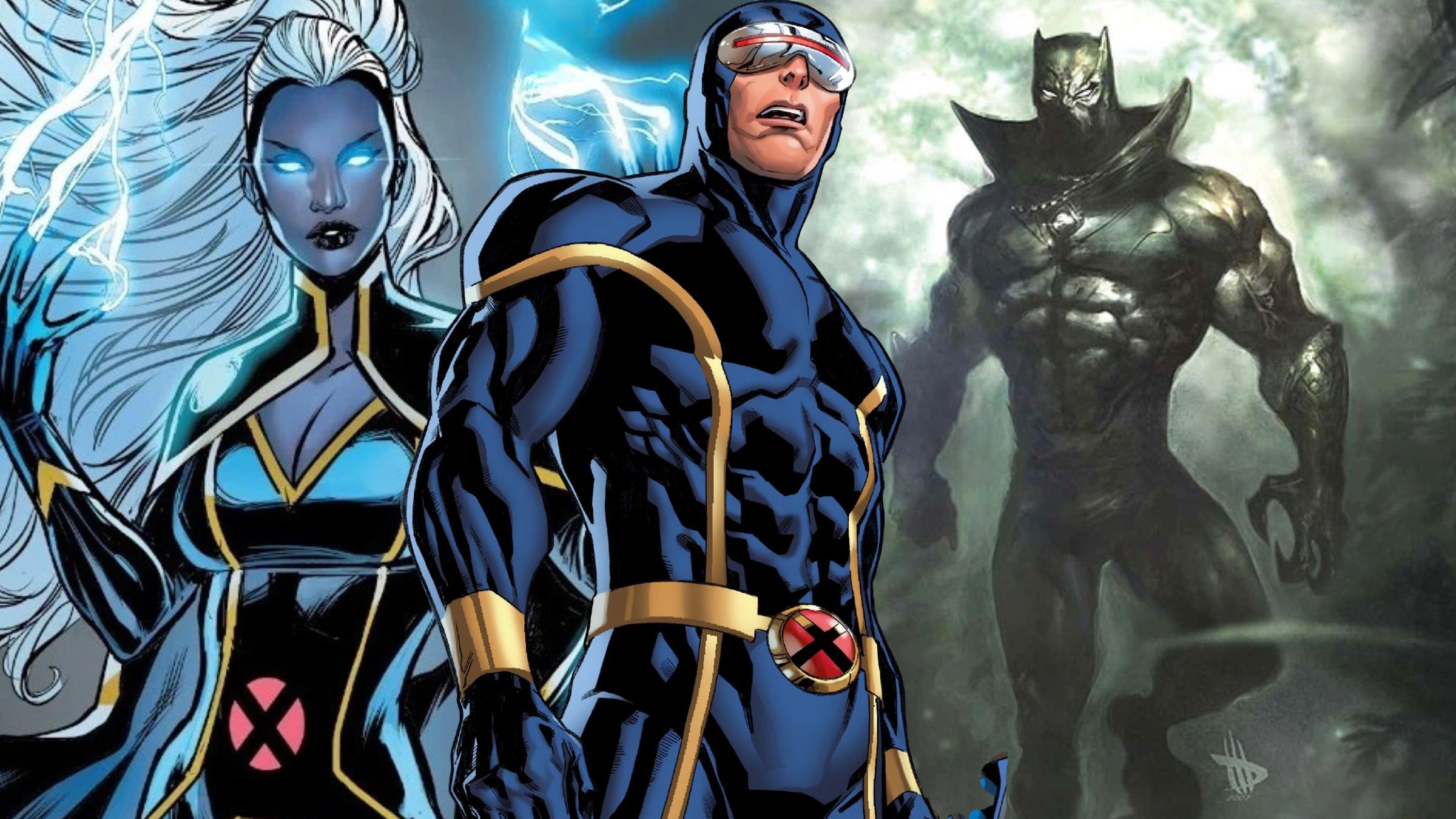
Captain America is often seen as the ideal leader in Marvel Comics – the hero everyone looks up to. He’s known for inspiring speeches before major battles, and his shield represents hope when things seem hopeless. But true leadership involves more than just rousing words. It also requires smart planning, trusting others to help, creating lasting organizations, and having a vision for the future, even when everything falls apart – like during the Secret Wars when the world had to be rebuilt. While Captain America excels at leading in the heat of battle, other heroes throughout Marvel’s history have often been the ones to make difficult decisions, build the systems that keep the world functioning, and ultimately be proven right, even when Captain America misjudged a situation.
Captain America isn’t always right, and often faces setbacks in major Marvel events like Civil War and Avengers vs. X-Men. This list highlights 10 Marvel heroes who have a better track record of success and, therefore, are secretly more effective leaders than Cap.
10) Doctor Strange
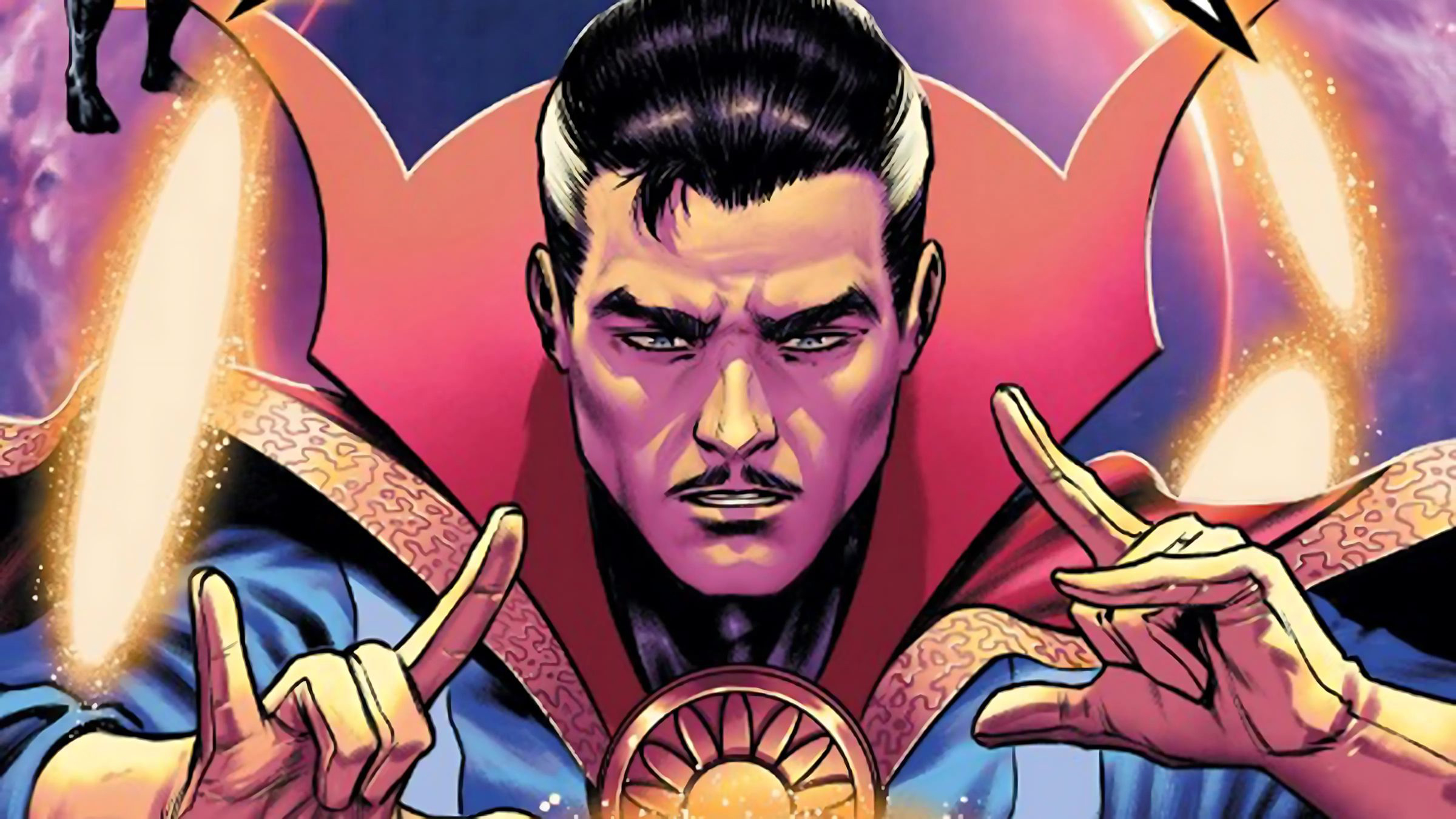
Doctor Strange was once Earth’s primary magical defender, known as the Sorcerer Supreme, protecting the planet from threats from the mystical realm. He’s led the team of heroes called the Defenders multiple times, which was notoriously challenging due to strong personalities like Hulk, Namor, and Silver Surfer – a group others struggled to manage. He also played a key role in the Illuminati, an influential group alongside figures like Professor X, Mr. Fantastic, Iron Man, Namor, and Black Bolt, where they made important decisions affecting the world.
Doctor Strange, like leaders such as Professor X and Hank Pym before him, faced challenges when starting his own school, Strange Academy. He initially aimed to limit the students’ magical abilities, but also wanted to protect them. He assembled a team of highly skilled magical heroes to guide them through life. While his motives weren’t entirely selfless at first, Strange ultimately proved to be a helpful leader for these young magic users.
9) Professor X

Before Captain America fully led the Avengers, Charles Xavier created the X-Men and established a training academy that continued for many years. He was one of the founding members of the Illuminati, advocating for mutant concerns that the Avengers avoided. Xavier guided almost every X-Men leader, including Cyclops, Storm, and Kitty Pryde, and he designed numerous X-Men teams, starting with the original five, then groups like the New Mutants and Generation X.
Jonathan Hickman’s House of X and Powers of X introduced Krakoa, a fully independent mutant nation created by Xavier – something Captain America never even tried to establish. Xavier’s powerful telepathy also lets him coordinate strategies with almost no talking, a level of teamwork no Avengers leader can achieve. While Professor X isn’t perfect – he’s made mistakes like the Onslaught incident and isn’t always truthful – the lasting impact of his work far surpasses anything Captain America has accomplished.
8) The Wasp

Let’s talk about the Wasp, Janet van Dyne, because she’s seriously underrated. Forget who joined the Avengers first – she actually came up with the team’s name way back in the very first issue! And she wasn’t just a founding member, she led the team for a long time during what many fans consider the golden age of the Avengers. I’m talking about a real test of leadership during the ‘Under Siege’ storyline – when Baron Zemo and his Masters of Evil launched a full-on assault on Avengers Mansion. Honestly, the team wouldn’t have survived if Wasp hadn’t kept a cool head and orchestrated a brilliant counterattack. She really proved herself a natural leader during that crisis.
During the events of Secret Invasion, with Captain America (Steve Rogers) gone, Jan (the Wasp) proved to be a vital leader. Captain America himself considered her the best leader the Avengers ever had—a high compliment coming from Rogers, who rarely offered such praise. Many writers have noted that Jan excelled at boosting team spirit, assigning tasks, and remaining calm under pressure, offering a more flexible leadership style than Captain America’s.
7) Carol Danvers

Throughout Al Ewing’s writing, Carol Danvers has led major teams like the Mighty Avengers, the Alpha Flight Space Program, and the Ultimates – groups that deal with huge, cosmic-level threats. This is a step up from the more street-level missions Captain America typically handles. More recently, she’s often been placed as second-in-command to Captain America and has even taken on a similar leadership role herself in several storylines. Her background as a former Air Force officer and head of security at NASA gives her real experience in military command.
During Civil War II, Carol Danvers opposed Tony Stark, siding with the idea of preemptive justice, a stance that sparked debate but demonstrated her ability to take charge of big-picture issues, not just immediate battles. She also led Earth’s initial space defense program, Alpha Flight Space Program. More recently, in Al Ewing’s Ultimates, she skillfully directed a team of powerful heroes – including Blue Marvel, Black Panther, Spectrum, and America Chavez – to face world-ending dangers like Galactus.
6) Reed Richards

Reed Richards has consistently led the Fantastic Four since the team’s creation, making him a cornerstone of Marvel Comics. Beyond that, he was one of the original members of the Illuminati, a secretive group that made difficult choices – like sending the Hulk into space, which led to the epic “Planet Hulk” story. Richards also founded the Future Foundation, a unique organization dedicated to nurturing and training exceptionally gifted children, demonstrating a proactive and long-term leadership style unlike anything Captain America ever tried.
Throughout his work on Avengers and New Avengers, Reed Richards took charge during the Incursion crisis and even asked Doctor Strange to erase Captain America’s memories to prevent conflict with the Illuminati. He truly shined in Secret Wars (2015), where he essentially recreated all of reality – an accomplishment unmatched by any other Marvel hero. Beyond his heroic feats, Reed is also a devoted family man, skillfully juggling the demands of being a husband, father, and team leader.
5) Storm

Ororo Munroe, also known as Storm, has led the X-Men on several occasions, notably during their time in the Australian Outback and after the devastating Mutant Massacre. She proved her leadership ability in Uncanny X-Men #201 by defeating Cyclops in a formal duel for the position – and she accomplished this even without her powers, relying solely on her strategic skill. No leader of the Avengers can claim a similar victory.
Storm wasn’t just a powerful mutant; she was a natural leader with experience on multiple levels. As Queen of Wakanda through her marriage to T’Challa, she helped govern an entire country. Before that, she led the Morlocks, a community of traumatized mutants living underground. More recently, she played a key role in mutant affairs on Krakoa, serving on the Quiet Council and even governing the nation of Arakko. Unlike Captain America’s more rigid command style, writer Chris Claremont consistently portrayed Storm as a leader who prioritized emotional understanding.
4) Iron Man

In “Civil War,” Tony Stark championed the Superhuman Registration Act, while Captain America led the opposition, which ultimately failed. Looking back, history has largely supported Stark’s idea of bringing structure to the superhero world, despite his sometimes flawed approach. He’s frequently taken on leadership roles, serving as chairman of the Avengers several times, including after the Disassembled event, and even directed SHIELD during the Initiative program. Stark was also a key member of the Illuminati, a secretive group making important global decisions – a group deliberately excluding Captain America.
Tony Stark spearheaded the 50-State Initiative, creating superhero teams across the country. He also co-led the response to the Incursion crisis during Jonathan Hickman’s Avengers run, though Captain America’s strong principles sometimes hindered the plan. While Stark has his issues – including struggles with alcohol and the consequences of the Civil War – he consistently steps up as a leader, taking on responsibilities that Captain America usually prefers to avoid in favor of direct action.
3) Nick Fury

Nick Fury led SHIELD, the world’s main intelligence agency dealing with superpowered individuals, for many years – Captain America reported to him, not the other way around. Before that, Fury was a leader in World War II, first commanding the Howling Commandos, the group that saved Steve Rogers multiple times. Later, he formed a secret team called the Secret Warriors to handle a HYDRA problem that Captain America hadn’t detected, a problem that had been building for years.
In 2014, the story of Original Sin revealed Nick Fury’s decades-long secret life as Earth’s silent protector against cosmic threats – a role he’d maintained without anyone suspecting. He was also incredibly skilled at managing and developing agents, having helped launch the careers of Black Widow, Hawkeye, and even Captain America after his time in ice. Fury leads through careful planning and long-term strategies, a style that differs greatly from Captain America’s more direct approach and would likely fail in the complex situations Fury routinely handled.
2) Black Panther
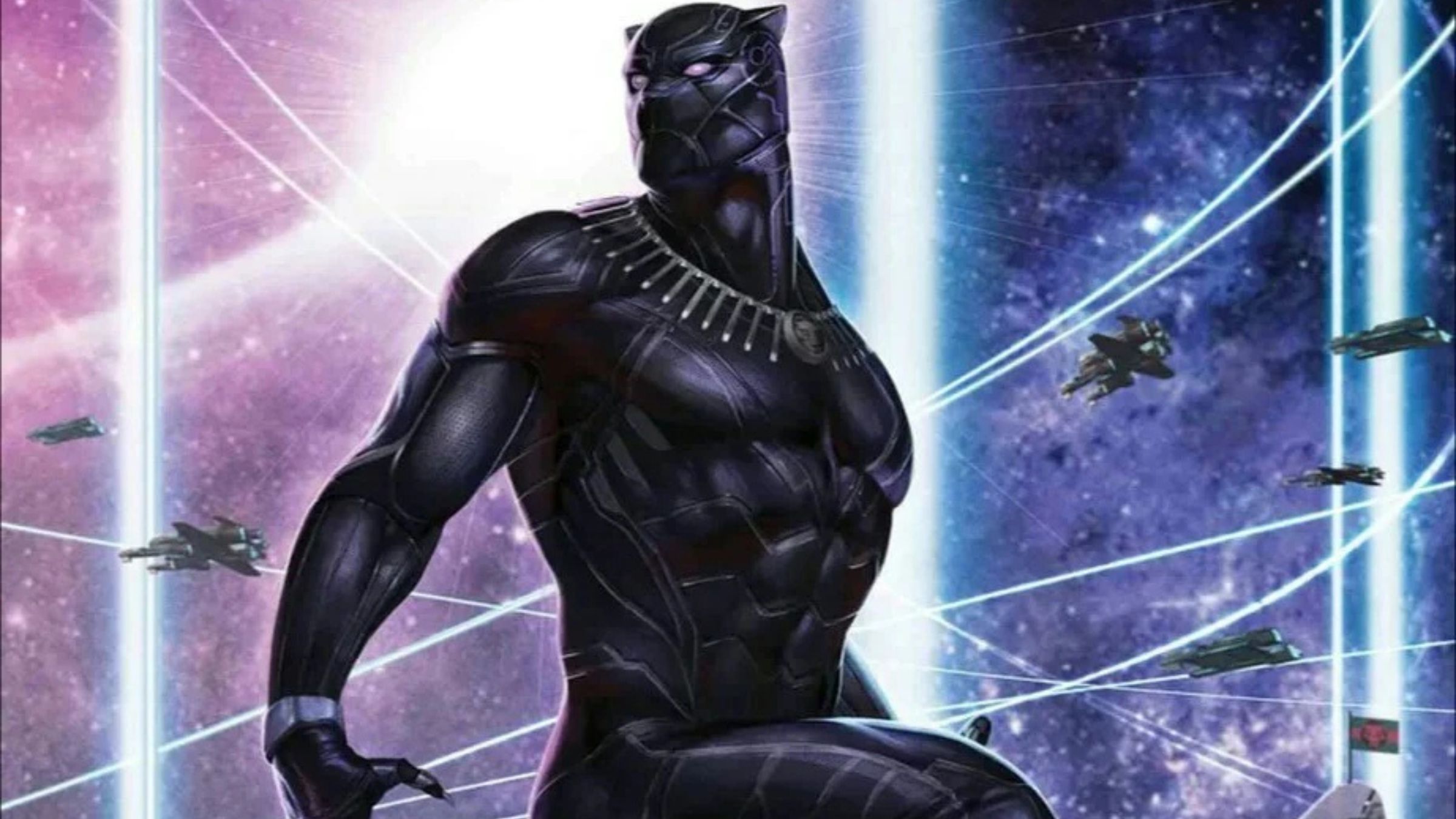
T’Challa is the king of Wakanda, a country that’s the most technologically advanced in the world. He’s also a key member of several superhero teams. He led the Avengers for a time, both during the 2018 run by Jason Aaron and the 2013 run by Jonathan Hickman. Additionally, he co-led the Ultimates with Carol Danvers, where they faced incredibly powerful cosmic threats like Galactus.
I’ve always admired T’Challa, and it’s fascinating to see how he operated within the Illuminati. He wasn’t afraid to challenge even Tony Stark and Charles Xavier when he believed they were off course, which really spoke to his strong principles. In fact, he was the one really driving the long-term strategy during the events of Time Runs Out, even if Captain America couldn’t bring himself to agree with the methods. And Ta-Nehisi Coates’ run on Black Panther perfectly captured him as this thoughtful leader, constantly juggling the weight of Wakanda’s traditions, the needs of his people, and his responsibilities as a hero. He truly was a king who thought deeply about everything.
1) Cyclops

As a teenager, Scott Summers, also known as Cyclops, was chosen by Professor X to lead the original X-Men, giving him many years of experience in command. He guided the team through major events like the Mutant Massacre, Inferno, X-Tinction Agenda, Messiah Complex, and Second Coming – crises that were as challenging as any faced by the Avengers during that time. During the Avengers vs. X-Men conflict, Captain America tried to take Hope Summers into custody, but Cyclops resisted, leading to a full-scale war between the Avengers and X-Men over how best to protect the Earth.
Following the release of House of X and Powers of X, Scott Summers’ long-held belief that mutants were facing extinction proved correct, and the popular fan idea that ‘Cyclops Was Right’ became officially part of the story. He established Utopia as an independent mutant nation and later became a key leader of the X-Men during the Krakoa era. Scott’s skill as a strategist is so well-respected within the Marvel Universe that characters like Wolverine, Storm, and even Magneto have taken his direction at various times.
What do you think? Leave a comment below and join the conversation now in the ComicBook Forum!
Read More
- FRONT MISSION 3: Remake coming to PS5, Xbox Series, PS4, Xbox One, and PC on January 30, 2026
- Best Controller Settings for ARC Raiders
- Welcome to Demon School! Iruma-kun season 4 release schedule: When are new episodes on Crunchyroll?
- Taylor Sheridan’s Gritty 5-Part Crime Show Reveals New Final Season Villain
- From season 4 release schedule: When is episode 2 out on MGM+?
- Mark Zuckerberg & Wife Priscilla Chan Make Surprise Debut at Met Gala
- The Boys Season 5 Officially Ends An Era For Jensen Ackles’ Soldier Boy
- ‘The Bride!’ Review: Jessie Buckley Breathes Life into a Monstrous Mess
- Invincible Season 4 Episode 4 Post-Credits Unveils a Demonic Return & More
- Meet the cast of Good Omens season 3: All the actors and characters
2026-04-24 20:14