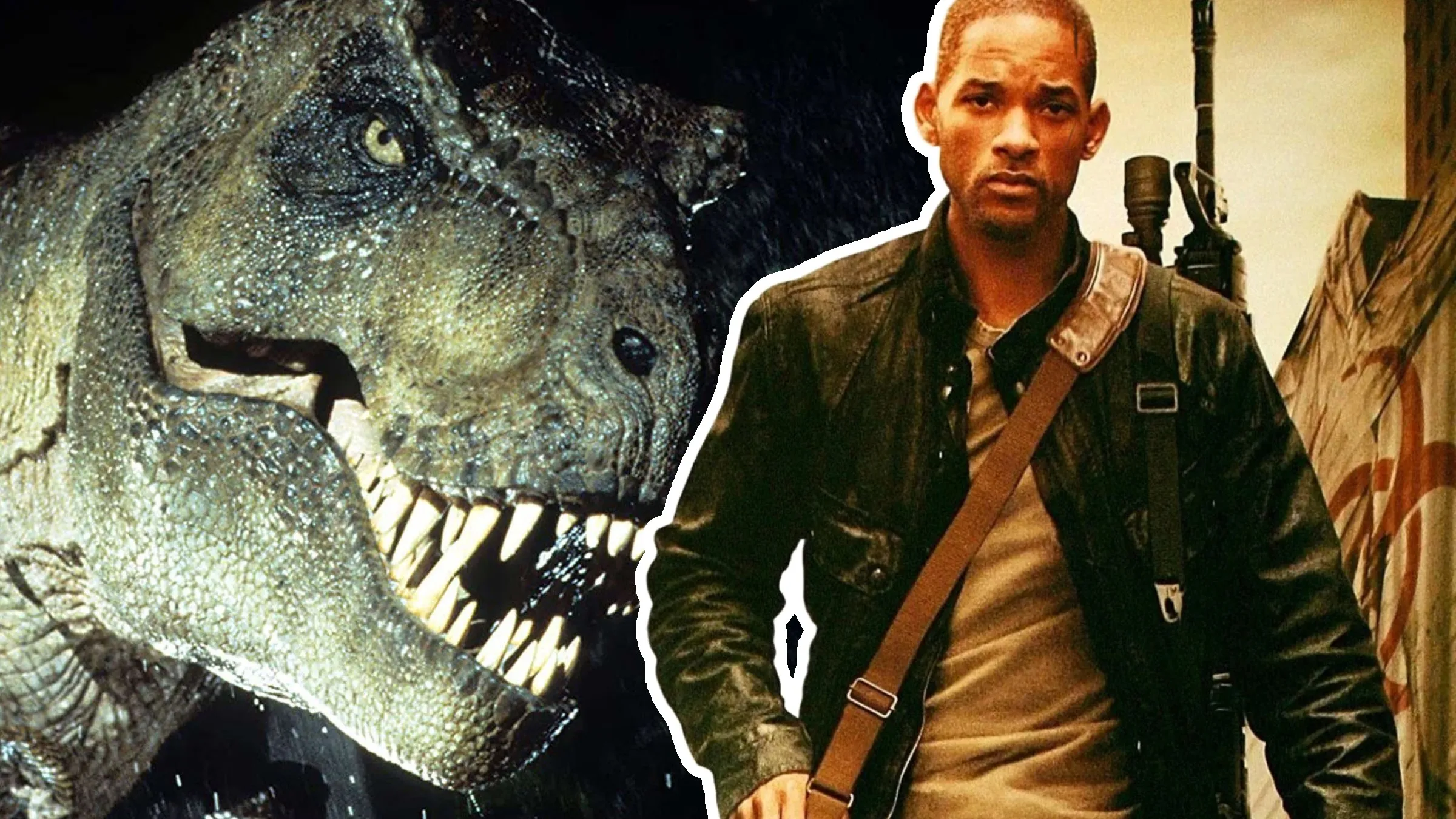
I’ve always been fascinated by how often Hollywood turns books into movies – it’s been happening almost since movies began! Some of the very first films were based on classic stories, and it still happens all the time. It makes sense, really; there’s a built-in audience and a solid story already in place. In fact, some of my all-time favorite movies are adaptations – you might even be surprised by some of them, like Die Hard, which started as a novel! But what always worries me is how faithfully they’ll actually adapt the book. It’s tough to bring a beloved story to life on screen and stay true to the original.
It’s common to say a book is better than its movie adaptation, and often that’s true – especially when the changes are significant. However, movies can successfully adapt books even with substantial differences, and sometimes those changes can even result in a fantastic, even classic, film. Our list suggests that altering a book for a movie isn’t necessarily a bad thing – it might be the key to creating something truly special.
10) Frankenstein (1931)
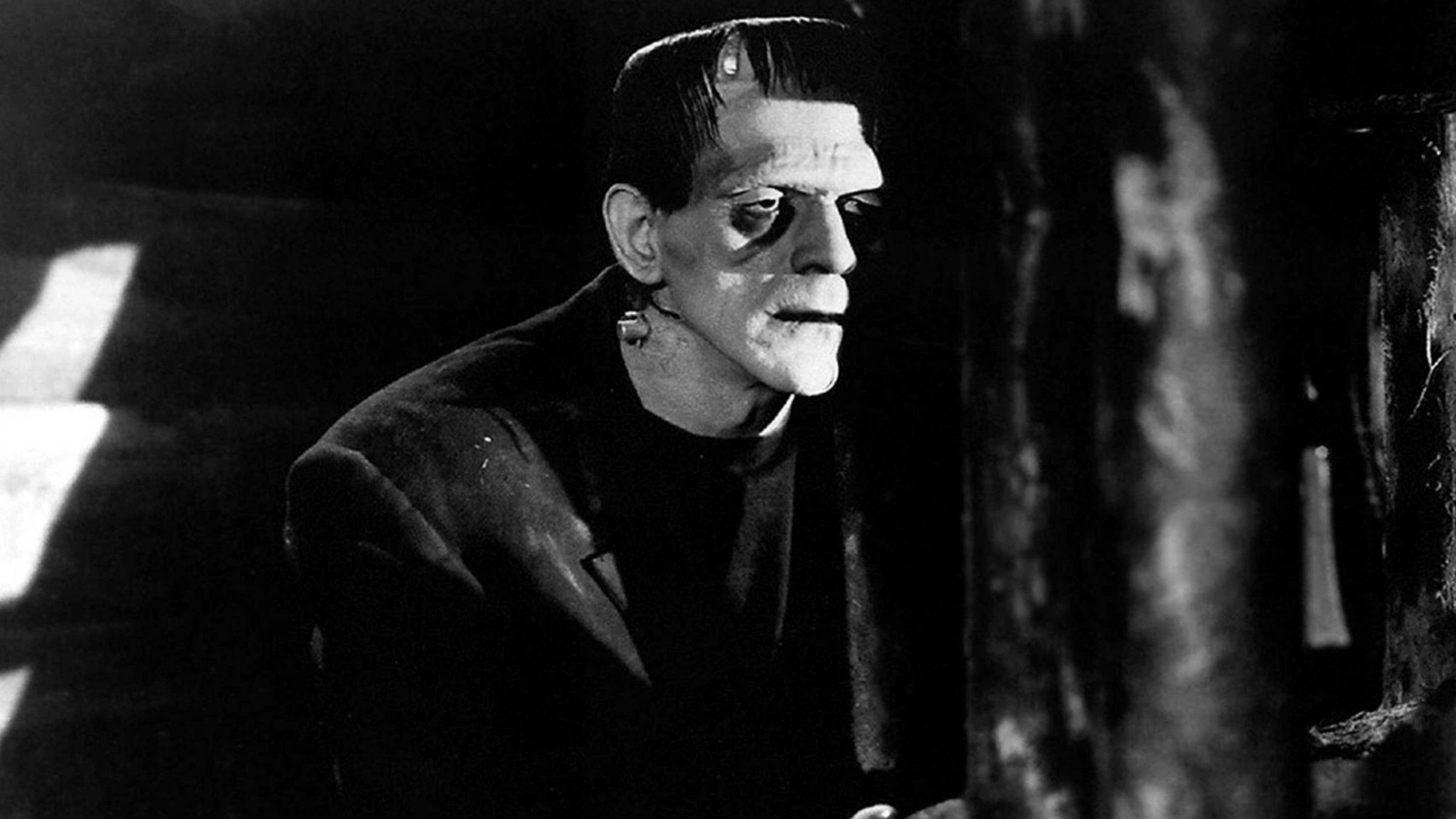
James Whale’s 1931 film version of Frankenstein is well-known, but it doesn’t fully capture the spirit of Mary Shelley’s original novel. The movie leaves out large portions of the book, partly because it was based on a stage play adaptation. This impacts the story’s structure and Victor Frankenstein’s overall journey. The most significant change is the ending: the film provides a happy Hollywood conclusion with the monster defeated and the Baron marrying his bride. This is quite different from the book, where Victor dies while still chasing the creature in the Arctic. Whale later incorporated some of these missing elements into his sequel, Bride of Frankenstein, creating two of the most memorable horror films ever made.
9) I Am Legend
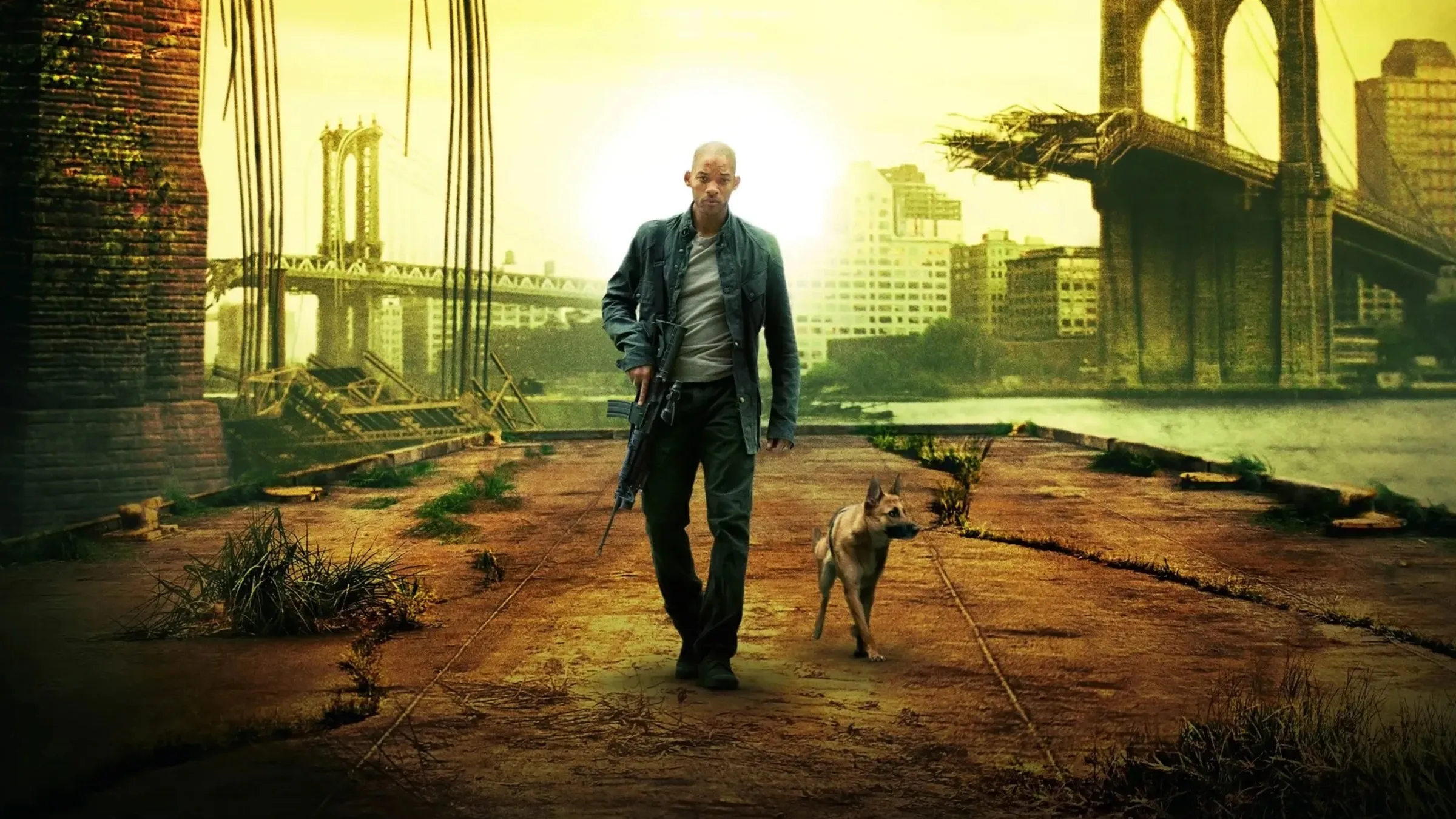
The 2007 film starring Will Smith is a standout in his career, largely because it’s a very enjoyable movie and relies heavily on his performance. In fact, the movie is defined by Smith’s acting. However, while entertaining, it doesn’t capture the core themes of the original 1954 novel by Richard Matheson.
Ignoring changes to the plot – like moving the setting from Los Angeles to New York, making the main character a scientist instead of an ordinary person, and turning the vampires into generic monsters – the movie I Am Legend completely misses the point of the title. In the original story, Neville is captured and discovers he’s become a terrifying figure to the vampires – he’s become their legend. The film, though, makes him a legend to the remaining humans because he keeps fighting and tries to find a cure. It’s a totally different meaning!
8) I, Robot
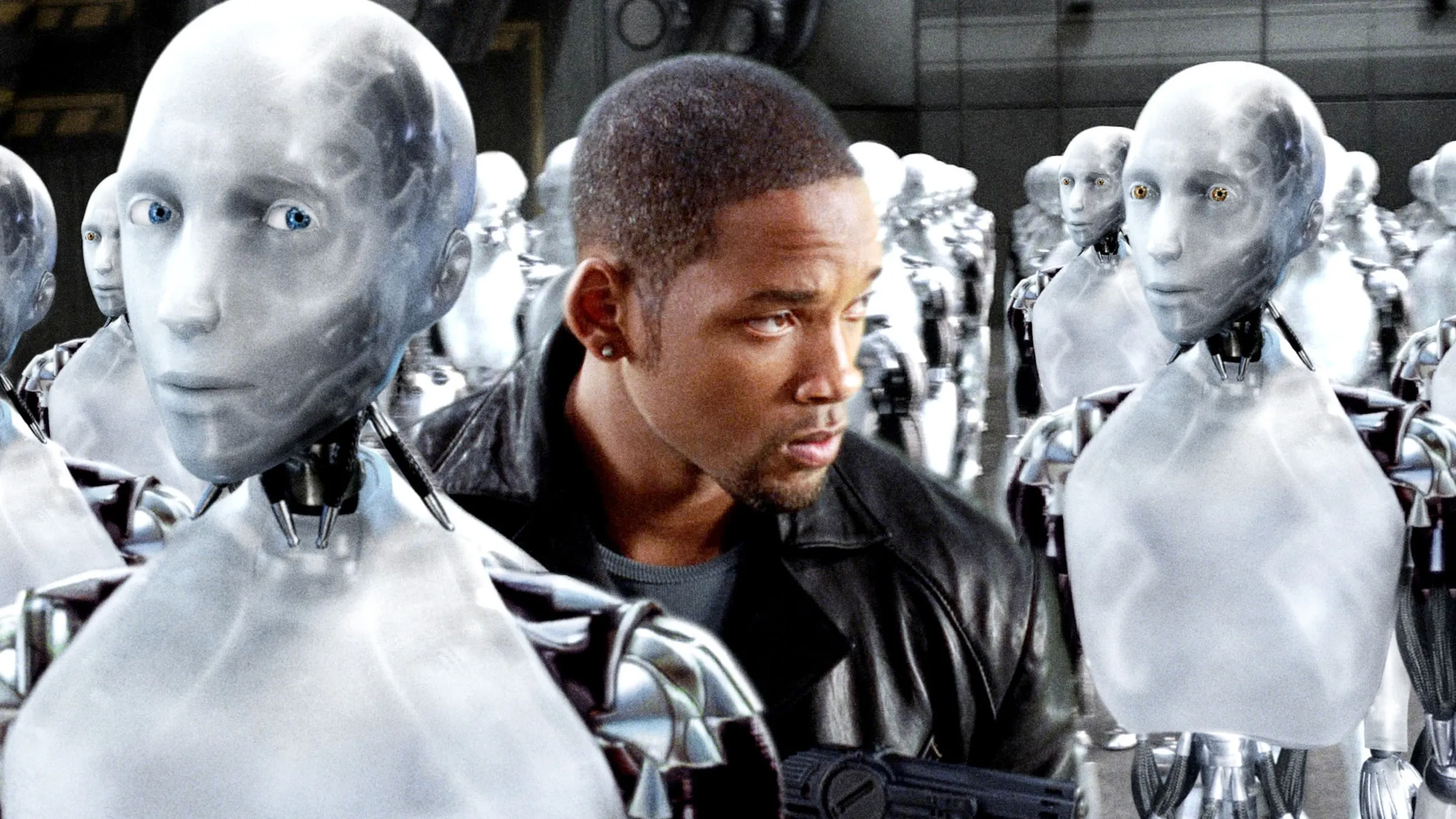
Let’s move on after this, but before Will Smith’s less-than-successful film adaptation of I Am Legend, he starred in another movie based on a science fiction collection. I, Robot, taken from Isaac Asimov’s 1950 stories, uses Asimov’s famous Three Laws of Robotics as a central theme. However, the movie’s plot is mostly new and doesn’t follow any specific story from the collection. While I, Robot does feature characters like Dr. Susan Calvin and Dr. Alfred Lanning, Will Smith’s character, Detective Del Spooner, is entirely original, as is the overall storyline. Despite these changes, I, Robot remains an exciting film and has become quite popular online as a source for memes.
7) Jaws
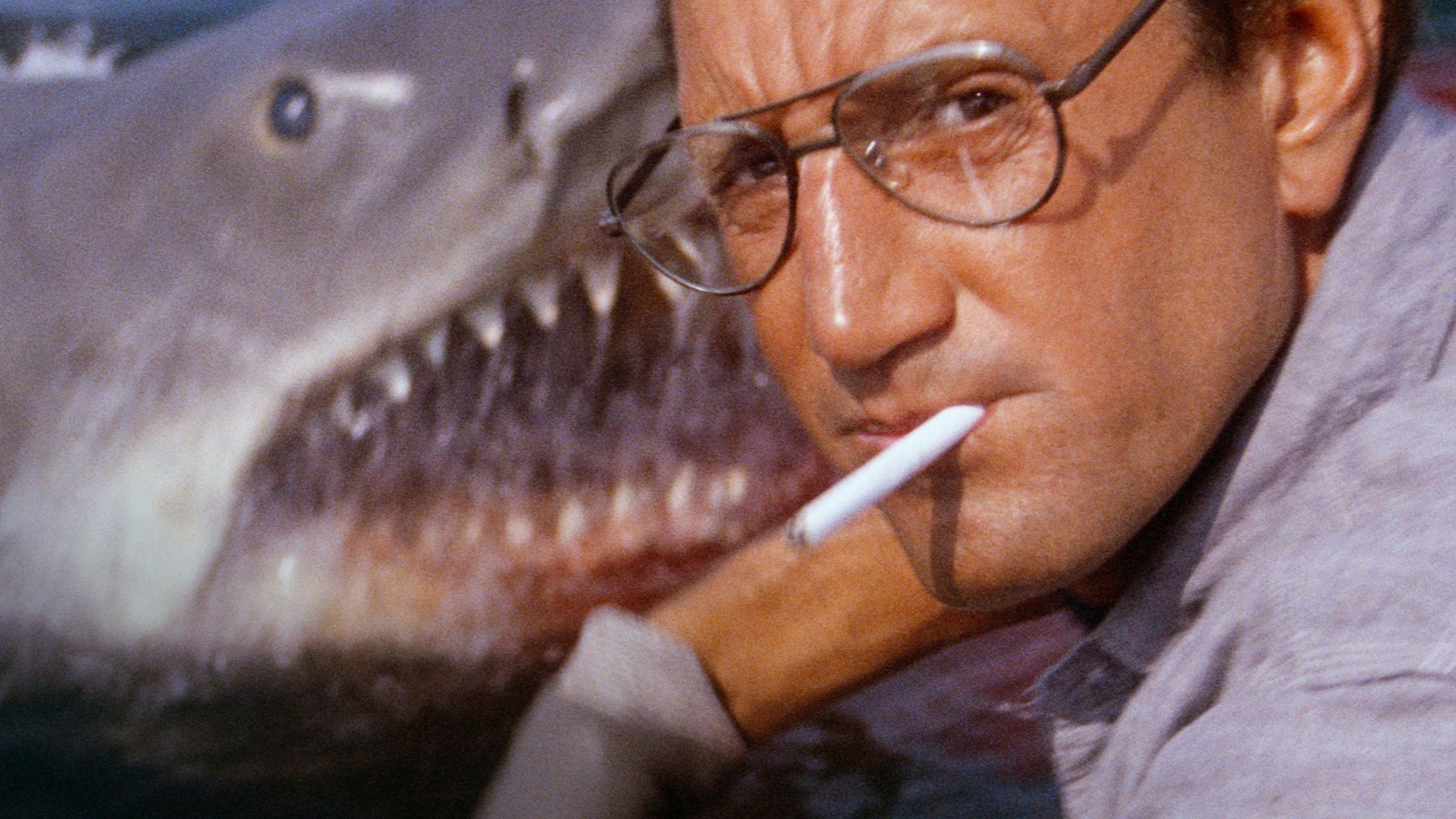
The movie Jaws is famous for deviating significantly from Peter Benchley’s novel, and the differences are substantial. The film streamlines the story by removing many subplots – like an affair between Ellen Brody and Matt Hooper, and the mayor’s connections to the Mafia – which would have slowed down the pace. Several characters also meet different fates: Hooper dies in the book, and Quint simply drowns, while the shark itself doesn’t have the explosive ending seen on screen, but rather dies from exhaustion and injuries. While Jaws isn’t a particularly faithful adaptation, it’s arguably the best film on this list.
6) Jurassic Park
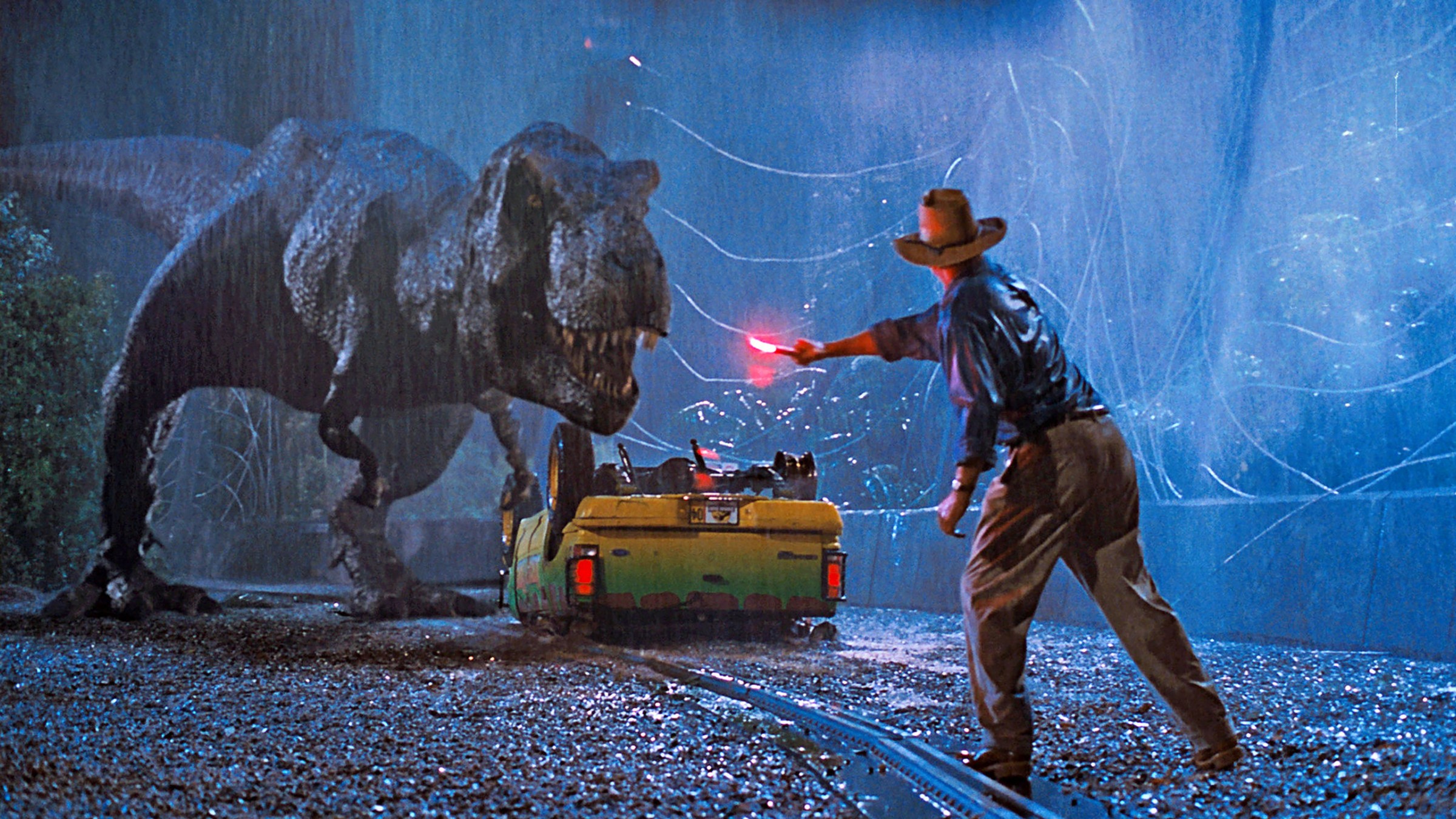
Another of Spielberg’s most famous films, and often considered one of his best, significantly deviates from the original book. In Michael Crichton’s novel, John Hammond is portrayed as unlikeable and boastful, a far cry from the friendly version played by David Attenborough in the movie—and he actually dies in the book. The same holds true for Dr. Ian Malcolm; Jeff Goldblum’s charismatic performance is quite different from the book’s more reserved and analytical character—who also meets his end in the novel. While details like the ages of the children, Tim and Lex, were switched, bigger scenes were cut entirely, such as a river attack by the Rex and a chase involving Pteranodons. Crucially, the book is much more violent and graphic than the film. And let’s be honest, you already know Jurassic Park is a fantastic movie.
5) Planet of the Apes (1968)
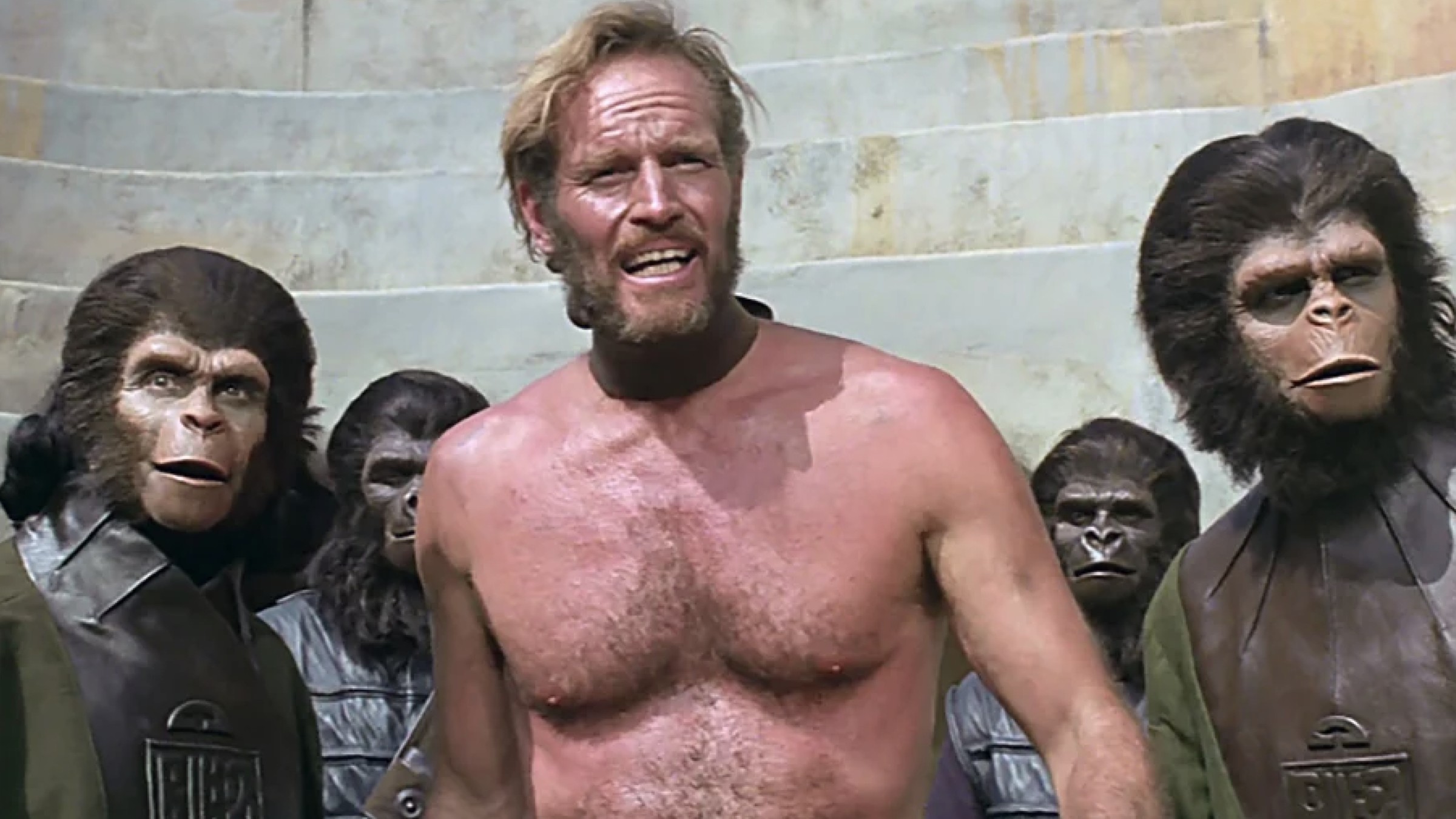
It’s easy to forget that this popular franchise began with a novel. The 1968 film was based on Pierre Boulle’s 1963 book. While the movie kept some details from the original story – like the three types of apes and characters like Cornelius and Zira – there were also significant changes. The biggest difference is how the ape society is portrayed. In the book, the apes live in a more modern world, similar to the 1960s, driving cars and wearing clothes. This is quite different from the film’s depiction of a primitive, stone-age-like ape civilization. Also, in the novel, the main character (who isn’t called Taylor) is welcomed into ape society, unlike his treatment in the movie.
Interestingly, the famous twist ending of the Planet of the Apes movie was created specifically for the film, and is considered one of the greatest of all time. However, the book’s ending actually has two surprises. The first is a twist that’s similar to the movie – the main character discovers apes have taken over Earth. But the book adds another layer: the story is framed as a manuscript found by a couple traveling in space, and it’s revealed they are actually apes themselves.
4) The Shining
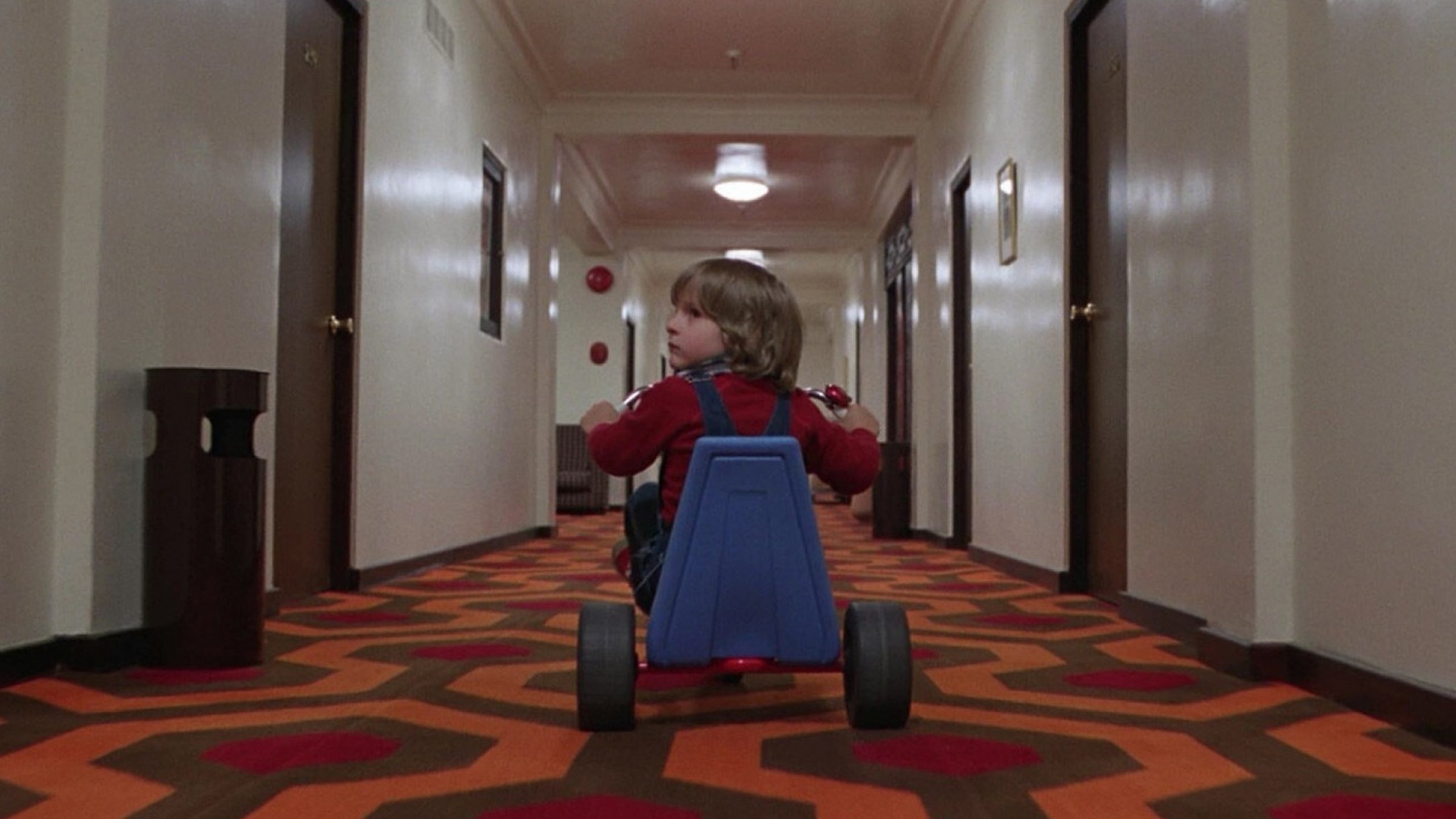
Stanley Kubrick’s film adaptation of Stephen King’s The Shining is famous for its significant changes from the source material. King disliked the movie so much he even wrote his own version! This adaptation often creates a divide between those who prefer the book and those who prefer the film. Many scenes and plot points were removed, like the animated topiary animals and the hotel’s explosive ending. The characters are also quite different: the film portrays Jack Torrance as influenced by the Overlook Hotel’s evil, a concept absent in the book, and Wendy as a much stronger character. The movie also leaves viewers questioning whether the haunting events are real or simply hallucinations. Despite these differences, and with respect to Stephen King’s reservations, Kubrick’s The Shining is still considered a classic horror film.
3) The Spy Who Loved Me
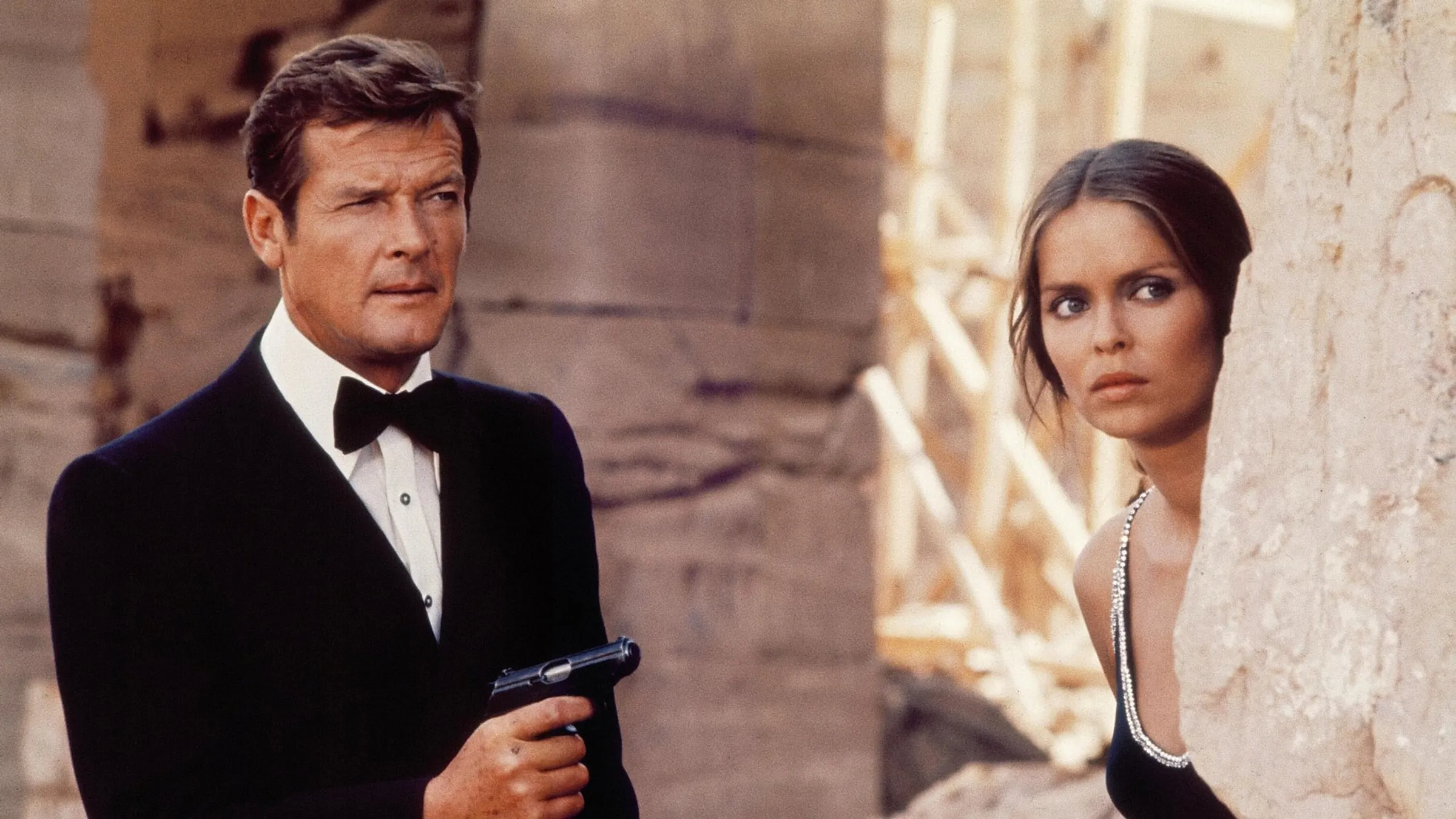
Most Bond films closely follow Ian Fleming’s novels, but one of the best – The Spy Who Loved Me – barely resembles its source material beyond the title. In the original book, Bond doesn’t appear until late in the story, which centers on a Canadian woman named Viv who gets caught up in a mafia plot in New York. This is a far cry from the film’s plot involving Karl Stromberg and his underwater world. The only other connection is a memorable villain with steel teeth, called “Horror” in the book and “Jaws” in the movie. The Spy Who Loved Me is considered a standout Bond film and is credited with reviving the series for years to come.
2) The Wizard of Oz
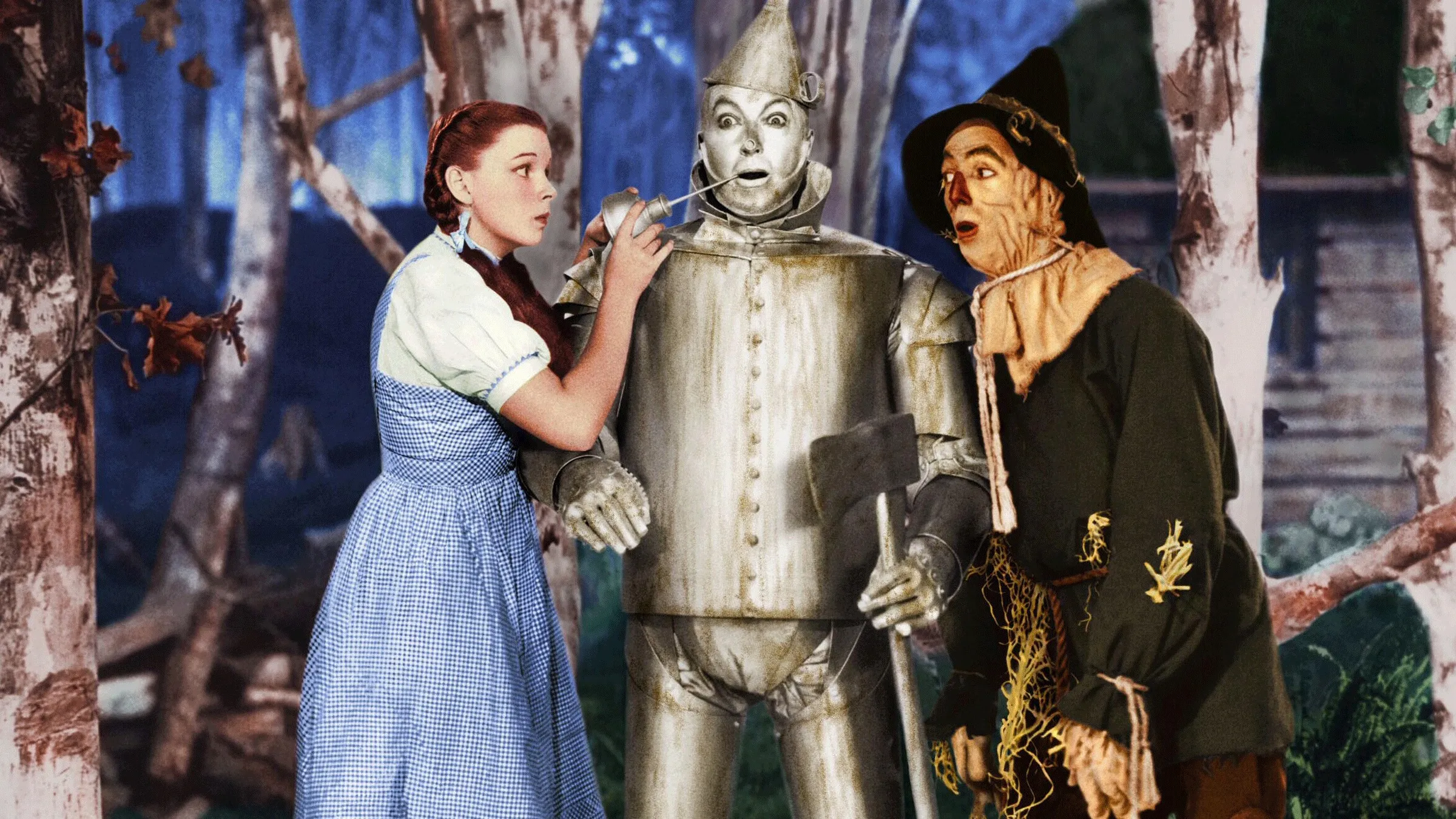
Even though The Wizard of Oz is a classic film, it differs significantly from L. Frank Baum’s original book. The movie leaves out entire sections of the Land of Oz, including characters and storylines. The adaptation also doesn’t closely match the book’s illustrations by W. W. Denslow – particularly the appearances of the Tin Man and the Wicked Witch – which was likely due to the technical constraints of filmmaking at the time.
Despite these details, the main difference lies in how the story concludes. While the iconic scene of the Wizard flying away and Dorothy learning she could return home with the ruby slippers (silver shoes in the book) happens in both versions, the book continues for another sixty pages. The movie also suggests Dorothy’s journey to Oz was a dream caused by a head injury, an idea not present in the book. Ultimately, though, it doesn’t diminish either work – the film remains a classic, and the book is equally impressive.
1) World War Z
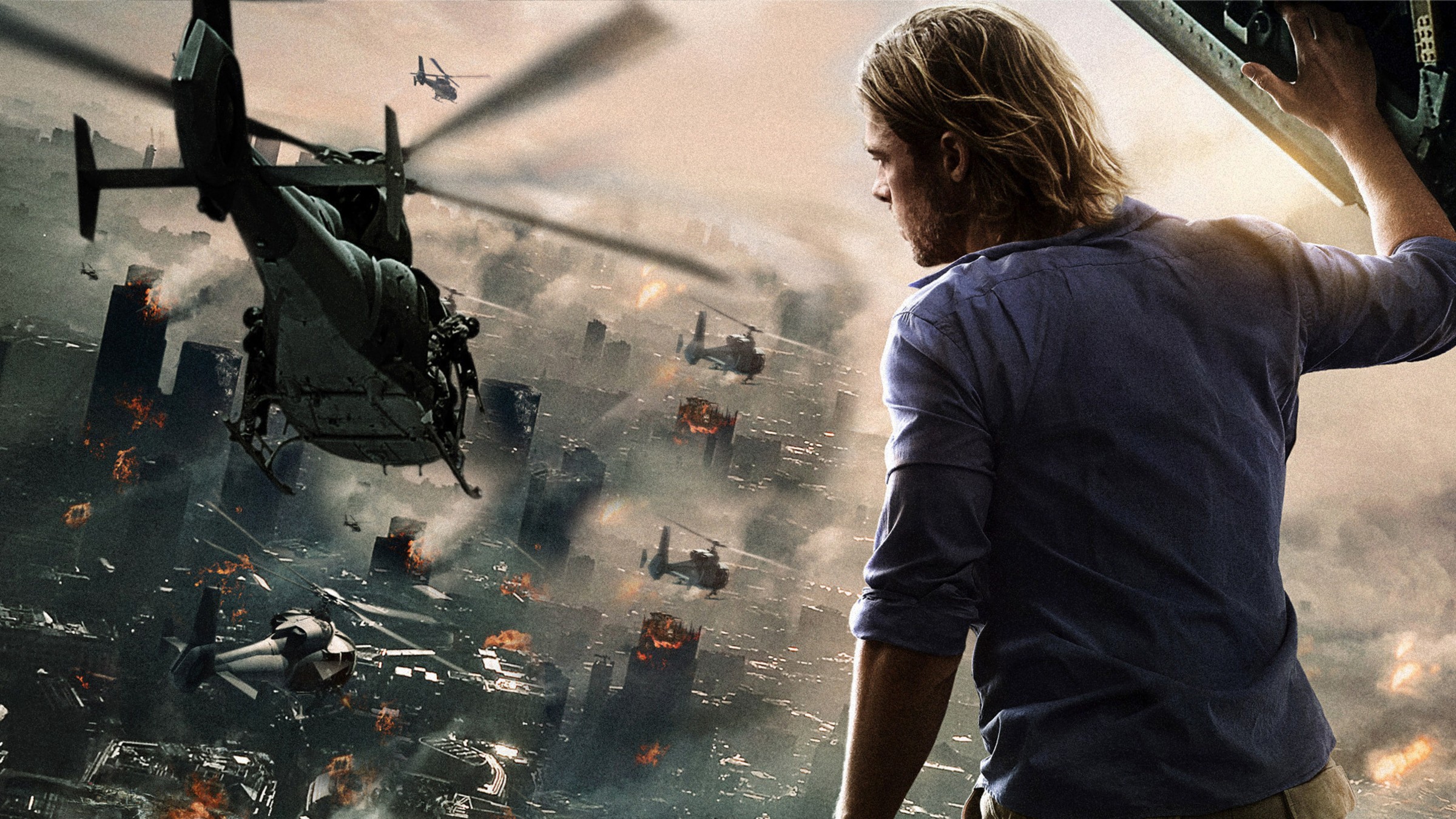
Max Brooks, son of Mel Brooks, wrote what many consider the definitive zombie book, “The Zombie War,” in 2006. Presented as a series of interviews and spanning multiple countries, the book thoroughly details the entire outbreak, from major battles like Yonkers to unique tools like the “lobo.” It even explores lesser-known details, such as North Korea’s fate and the survival of astronauts in space. The film adaptation, however, leaves all of this out. Despite these differences, the Brad Pitt movie is still a compelling zombie film, effectively showcasing the massive scale of a worldwide outbreak. While George Romero’s classic zombie films remain highly regarded, World War Z successfully creates the feeling that the entire planet has been overwhelmed by the undead.
Read More
- UNI PREDICTION. UNI cryptocurrency
- Poll: Is 007 First Light a Game of the Year Contender?
- Gold Rate Forecast
- DOGE PREDICTION. DOGE cryptocurrency
- SNES and NES Games Get Surprise Release on Multiple Platforms
- USD HKD PREDICTION
- Inside Lena the Plug and Adam22’s Love Story Amid Their Divorce
- LEGO’s New 12,060-Piece Set Smashes a 5 Year Old Record (& It’ll Cost You $800)
- SUI PREDICTION. SUI cryptocurrency
- Hell Is a Loop in New Event Horizon: Inferno #3 Preview (Exclusive)
2026-06-06 17:18