
As someone who plays a lot of roguelikes, I’ve noticed they’re usually all about the gameplay. Quick fights, levels that change every time you play, things getting harder and harder, and just wanting to try ‘one more run’ are what really stand out. For a long time, stories in these games felt like they were just there, more for atmosphere than anything else. And honestly, that worked for a lot of them! But it also gave roguelikes a bit of a reputation for not being able to tell really compelling stories alongside all the complex stuff you have to learn and master.
For years, roguelike games were known for challenging gameplay. Recently, developers have been focusing more on creating compelling stories within these games. Now, you’ll find emotional narratives, interesting characters, and worlds that feel richer with each playthrough. Instead of feeling frustrating, dying in these games actually moves the story forward. The following five games demonstrate how roguelikes can offer both a great story and the exciting gameplay the genre is known for.
5) Slay the Spire
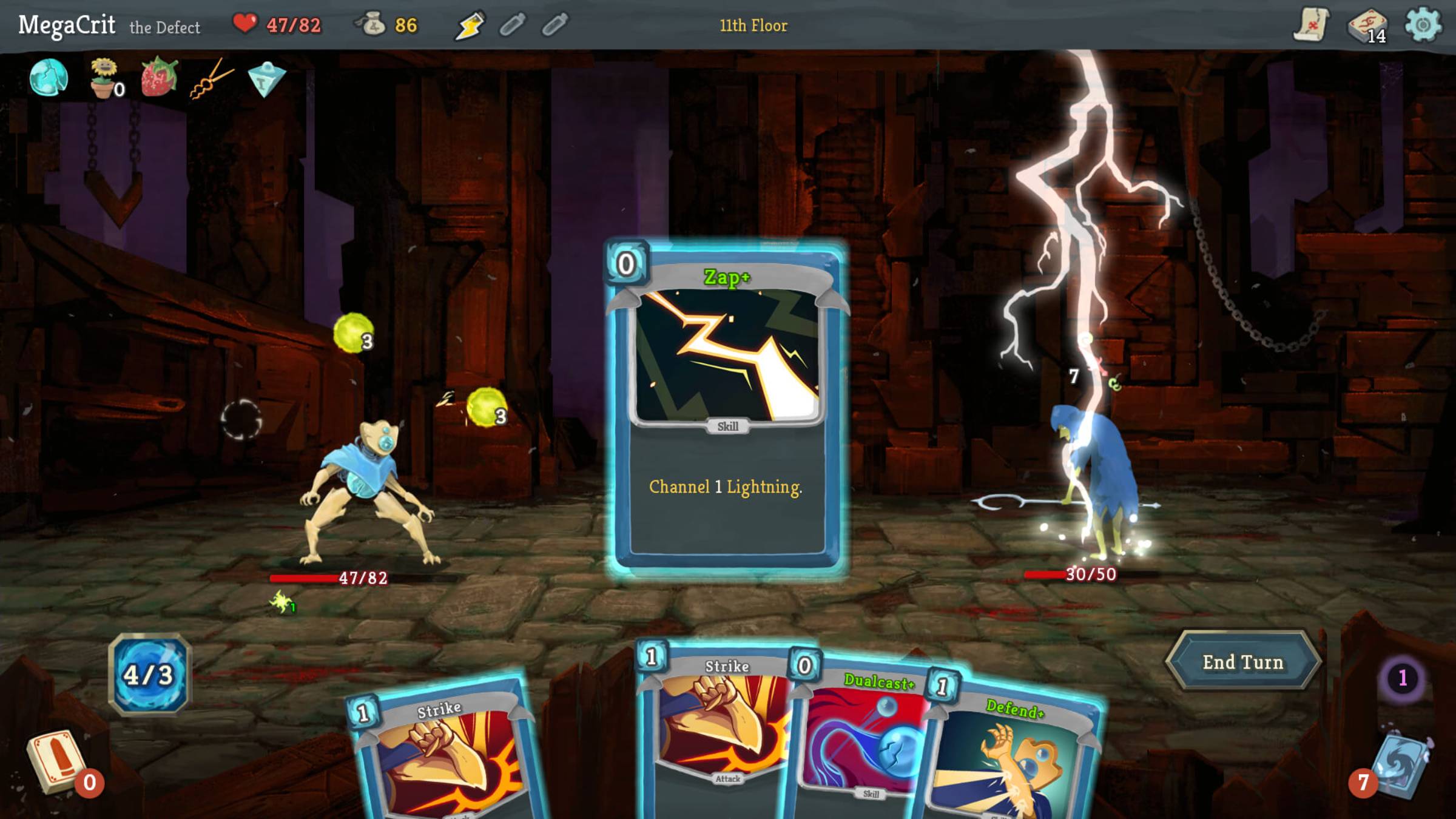
While Slay the Spire initially appears to focus solely on gameplay, it actually features a subtle but engaging story. Mega Crit cleverly weaves its narrative into the strategic deckbuilding, highly replayable design, and innovative combat. Players who pay attention to the game’s atmosphere and details will discover the history of the Spire, who lives there, and the motivations of those attempting to climb it. The game avoids long cutscenes or explanations, instead revealing its story bit by bit through character interactions, clues, events, and the appearance of its enemies.
I’m completely captivated by how old and strange this game feels – it really nails an atmosphere that a lot of roguelikes miss. Each new area is full of weird groups, twisted creatures, and just… bizarre sights that hint at a huge, hidden history. Even something as simple as talking to the shopkeeper, meeting the whale Neow, or reading the descriptions of the items you find adds to this incredible sense of mystery. It’s like every attempt to beat the game reveals another little piece of a much bigger puzzle, and honestly, it reminds me a lot of how FromSoftware tells stories – they give you clues and let you figure things out. It’s fantastic!
Mega Crit has added ways for players to learn more about the story and world of Slay the Spire, but it’s perfectly fine to just enjoy the gameplay. Slay the Spire 2 builds on this by offering even more background information. If you’re a fan of roguelike games, you’ll get a richer experience by taking the time to explore the world and learn about the characters and their histories, rather than just focusing on building a powerful deck.
4) Returnal
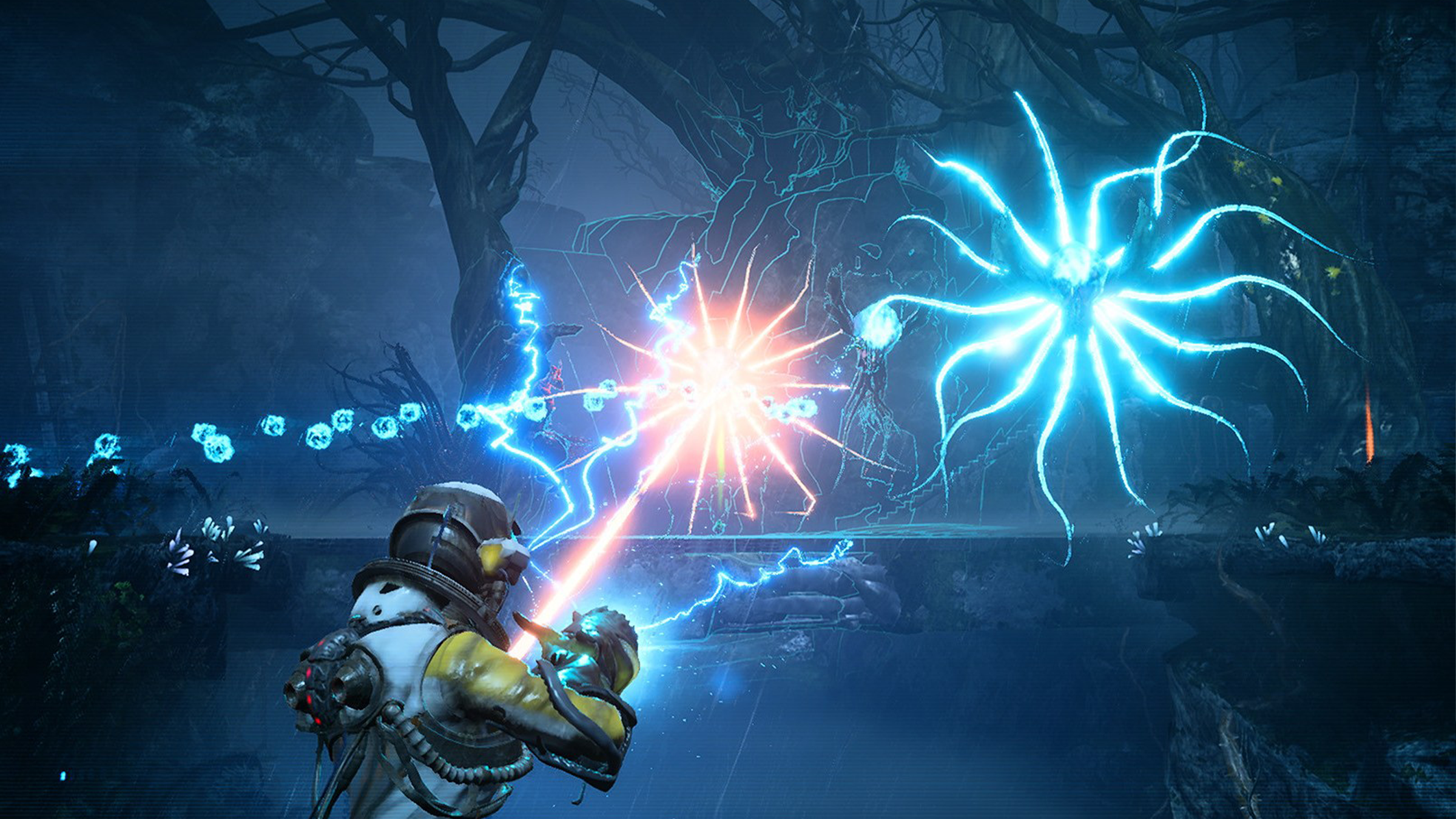
Housemarque’s Returnal proved that roguelike games can deliver epic, cinematic stories while still offering challenging and complex gameplay. Originally launched on PlayStation 5, the game blends intense, fast-paced shooting with psychological horror and a deeply moving story. Players take on the role of Selene, a space pilot stuck on the dangerous planet Atropos, where she’s forced to repeat a cycle of death and rebirth.
In Returnal, each time the player character dies, the world around her shifts, demanding that players adjust and gradually piece together the mystery of the time loop. This design is deeply connected to the game’s story, and it works brilliantly because the challenging, repetitive gameplay mirrors the character’s fractured mental state. The feeling of repeating actions, being disoriented, and having broken memories isn’t just part of the story—it’s built into how the game plays. Very few games in the roguelike genre so powerfully use gameplay to emphasize themes of loss, emotional distress, and all-consuming focus.
The game’s atmosphere is incredibly impactful. You really feel Selene’s loneliness and sense of being trapped. Through audio logs, the environment itself, and strange dreamlike sequences, her backstory unfolds, but always with a lingering sense of mystery. Returnal is one of the most emotionally draining roguelikes out there, but it’s a good kind of draining. Overcoming challenges feels truly satisfying because the game connects failure and determination directly to the story.
3) Inscryption
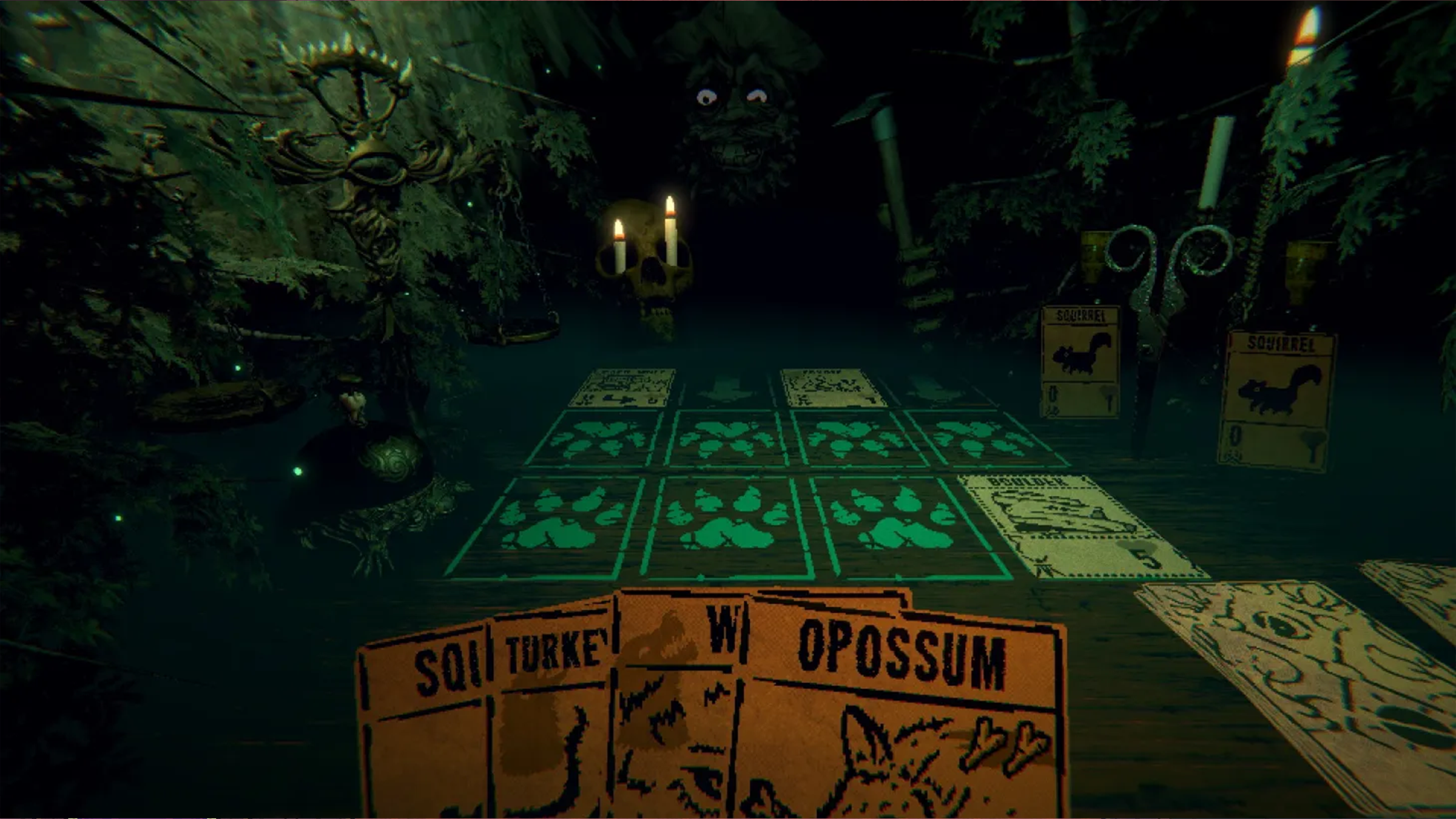
Inscryption is a unique game that blends elements of roguelikes with deckbuilding, and it quickly gained popularity for its creepy mood and surprising changes in gameplay. Developed by Daniel Mullins Games, it starts as a simple card game but soon becomes much more complex and intriguing thanks to its clever presentation. The game creates a tense atmosphere by having you play against a shadowy Game Master in a dimly lit cabin, and the way you physically interact with the environment makes the world feel incredibly real and immersive, unlike most card games.
As a gamer, I’m always looking for something fresh, and Inscryption totally delivered. The game constantly threw me for loops – just when I thought I understood how things worked, it would change everything up. It wasn’t just random either; these shifts actually tied into the game’s story about games themselves, who’s in control, and what secrets are being hidden. Honestly, it’s one of the most creatively designed roguelikes I’ve played – I never knew what was coming next! Even when I wasn’t battling with cards, discovering new stuff felt both awesome and a little creepy, especially those live-action scenes – they were a huge part of the story and really messed with my head.
Despite a lot of similar games already being available, Inscryption proved that indie roguelikes could still be truly surprising. While many roguelikes emphasize character and ability upgrades, Inscryption stood out by giving equal importance to a compelling story, intriguing atmosphere, and a sense of discovery. This approach was incredibly successful, and the developers even added a traditional roguelike mode to the game after its initial release.
2) Hades
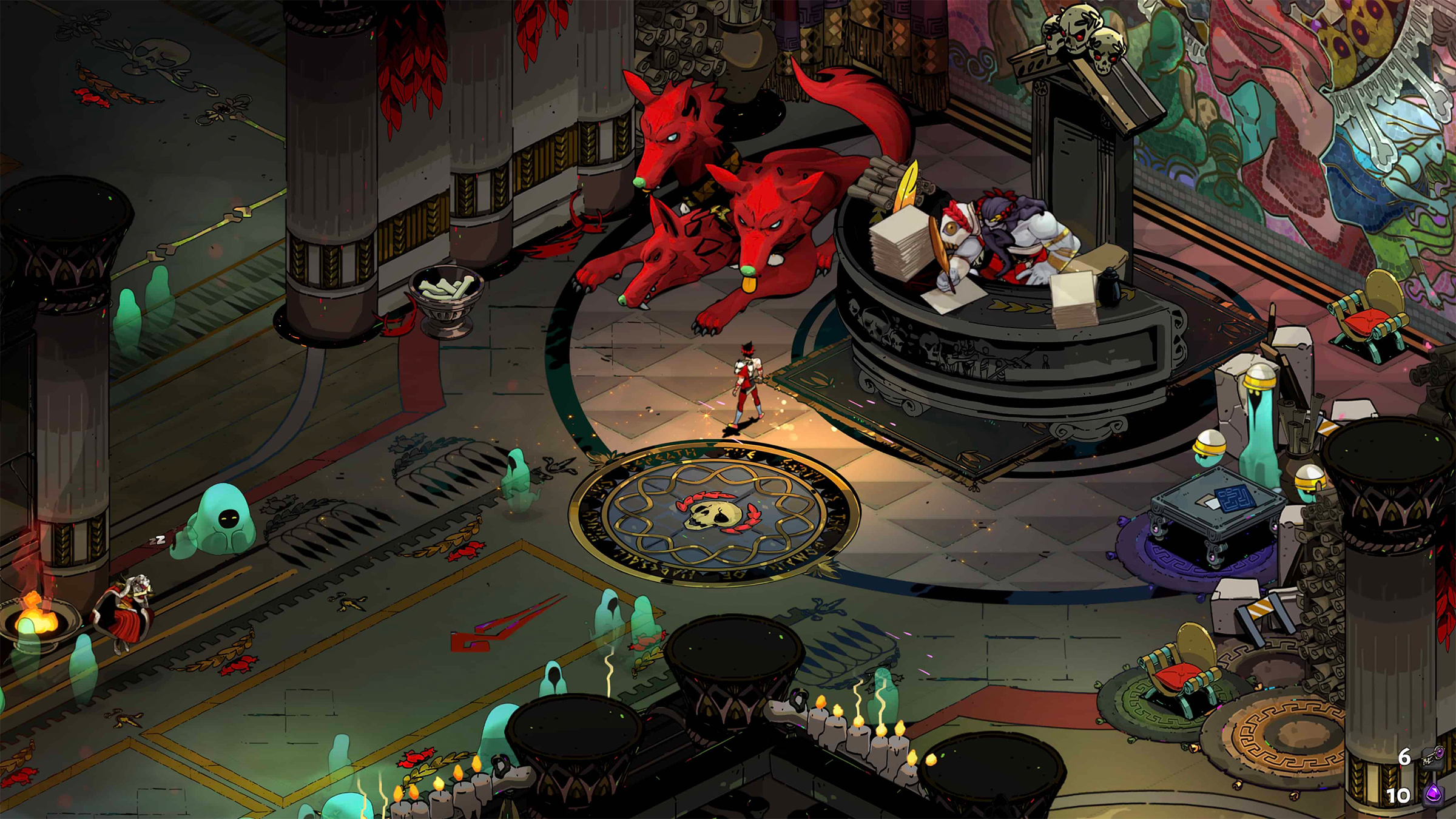
When people talk about roguelikes with compelling stories, Hades always comes up. Supergiant Games brilliantly wove the addictive loop of roguelike gameplay directly into the narrative, something very few games have done successfully. You play as Zagreus, the son of Hades, trying to break free from the Underworld with help from the Olympian gods. Dying isn’t a setback – it sends you back to the House of Hades where you can continue the story, build relationships with characters, and unlock more of the game’s lore.
Hades revolutionized how players experience stories in roguelike games. Rather than seeing failed attempts as setbacks, the game integrated them into the narrative. Characters responded to each death, bosses acknowledged repeated battles, and relationships developed over many playthroughs. This was made possible by exceptional writing and voice acting, making each character – from the protagonist Zagreus to the gods like Dionysus and Athena – feel unique. The game skillfully blends humor, mythology, emotional depth, and complex family dynamics.
Hades II successfully expands on the concepts that made the first game so impactful. The original Hades clearly inspired many subsequent roguelike games by proving how effectively a continuing story could be integrated into the genre. Very few games capture the addictive feeling of wanting to play ‘just one more run,’ particularly when even unsuccessful attempts contribute to both your character’s growth and the unfolding story.
1) Blue Prince
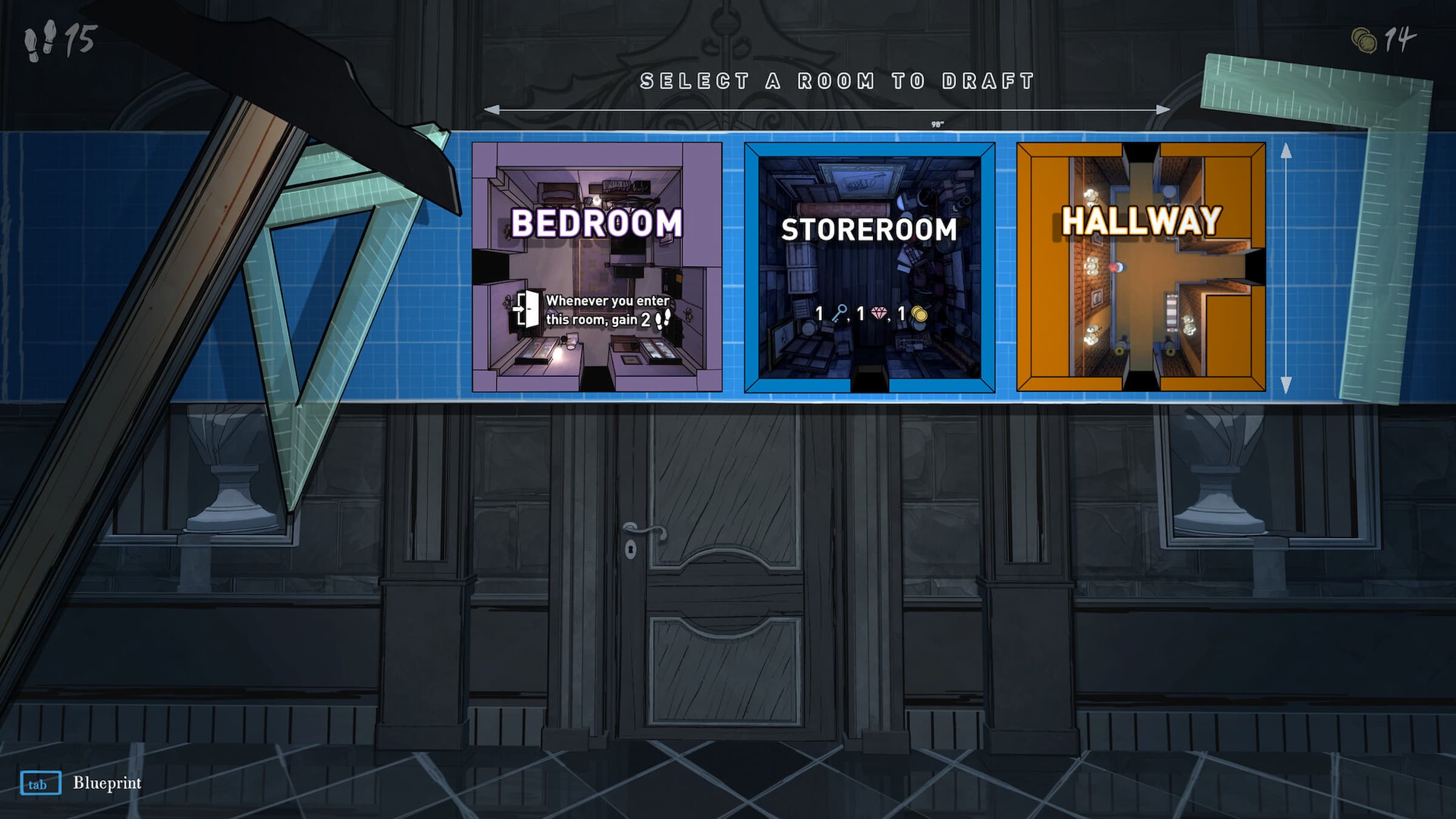
Blue Prince is a standout roguelike game, expertly blending detective work, exploration, and unpredictable gameplay. Players will love uncovering the secrets of Mt. Holly, a manor that changes with every playthrough. While the goal is to find the elusive Room 46, the more you investigate, the more complex and disturbing the story becomes, drawing you further into its world.
The game’s design perfectly captures the feeling of discovery. Each attempt at playing reveals new secrets, how things work, and more of the story. You feel like you’re moving forward because of what you learn, not just how well you fight, which makes it different from many other games of this type. The mysterious setting adds to the experience – it’s intriguing without being scary, and every new area you explore feels like another piece of the puzzle. Clever puzzles, clues hidden in the environment, and slowly unfolding story details keep you engaged, even when things are calm.
Blue Prince demonstrates how well mystery works in roguelike games when developers let players gradually uncover the story. Each attempt, even if unsuccessful, provides new clues and encourages further exploration. The game skillfully blends its randomly generated levels with the narrative, making the randomization enhance, rather than detract from, the story’s themes of discovery, uncertainty, and obsession. This cohesive storytelling is rare in recent roguelikes.
Read More
- Review: Final Fantasy Tactics: The Ivalice Chronicles (PS5) – Still the Benchmark for Turn-Based Tactics
- The WONDERfools ending explained: What happened to the Child of Eternity?
- Mark Zuckerberg & Wife Priscilla Chan Make Surprise Debut at Met Gala
- 10 Greatest Manga Endings of All Time
- The Witcher 3 Officially Reveals Stunning New Ciri Figure Coming 2026
- Elon Musk’s Mom Maye Musk Shares Her Parenting Philosophy
- FRONT MISSION 3: Remake coming to PS5, Xbox Series, PS4, Xbox One, and PC on January 30, 2026
- 5 Things Jujutsu Kaisen Modulo Failed to Answer
- From Is a Sci-Fi Supernatural Horror Series That Appeals to All
- New The Witch and the Hundred Knight game announced for iOS, Android
2026-05-21 00:13