These days, telling stories in three parts—or trilogies—is very popular, and some stories just seem naturally suited to that format. Think about classics like The Lord of the Rings, all of the Star Wars films grouped into three sets, and Back to the Future—it’s hard to picture any of those being told any other way.
Many movie trilogies start because the first film does well, but often they don’t capture what made that initial movie so popular. Unfortunately, quite a few trilogies end up declining in quality with each subsequent installment.
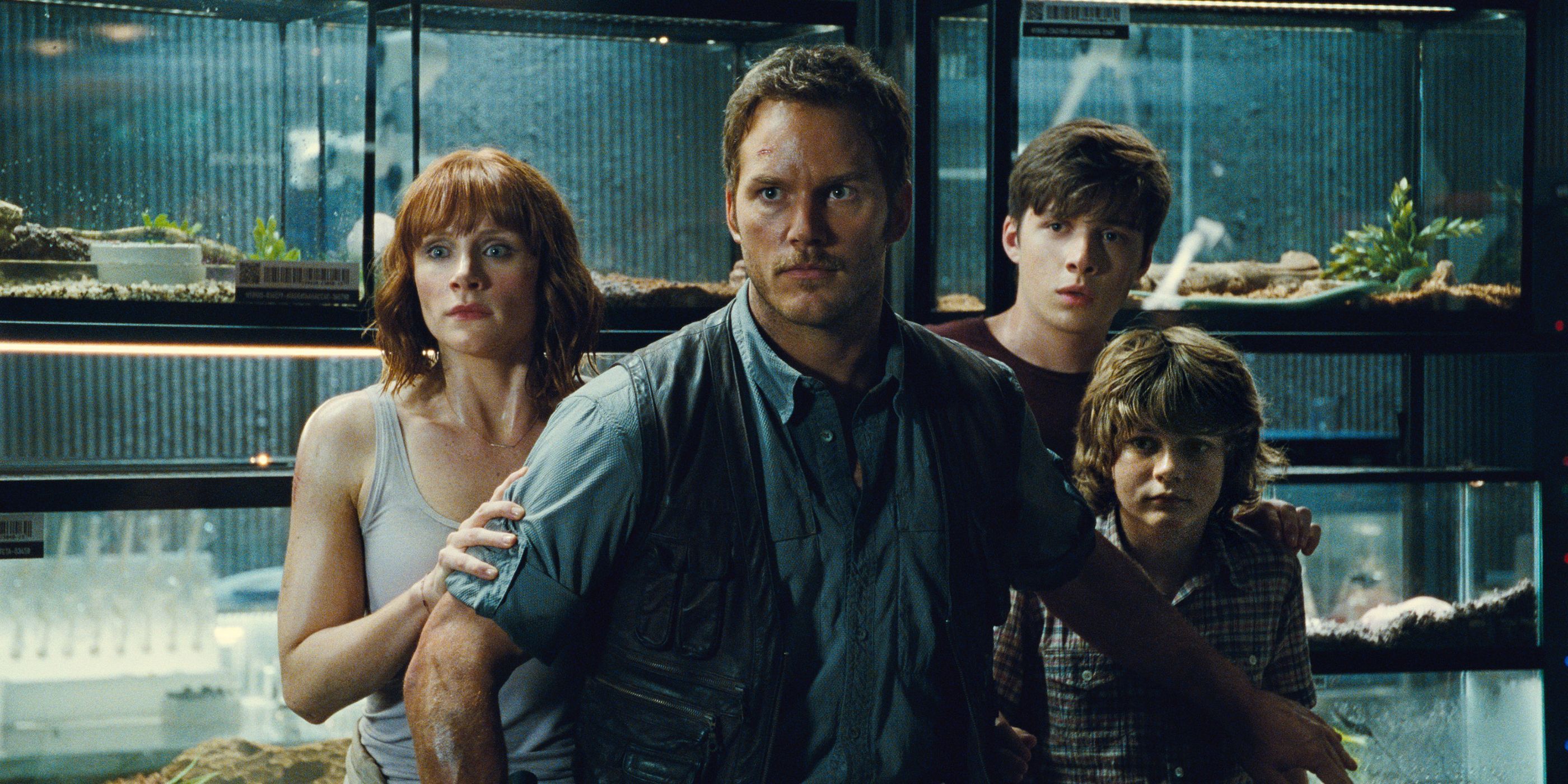
Jurassic World Was the Perfect Revival, But the Trilogy Lost Focus
Released in 2015, Jurassic World is a sci-fi action movie that picks up the story begun by Steven Spielberg’s Jurassic Park. The Jurassic Park series is a classic and much-loved part of science fiction, though it’s had both successful and unsuccessful installments. Many fans consider the original Jurassic Park (1993) to be the best film in the series, and Jurassic World is a solid continuation, imagining a new attempt to open the dinosaur theme park after the first one failed.
Jurassic World successfully captured the magic of the original Jurassic Park, delivering thrilling dinosaurs and exploring the dangers of trying to control nature. While its success sparked hopes for a new trilogy, the sequels, Jurassic World: Fallen Kingdom and Jurassic World Dominion, didn’t live up to expectations, with Dominion being particularly disappointing.
The Jurassic World movies set up a scenario where cloned dinosaurs were escaping into a world run by humans. Viewers anticipated a battle for survival as a new age of dinosaurs began, but Dominion didn’t deliver on that promise. Instead, the film explained that the environment quickly wiped out most of the escaped dinosaurs, leaving many fans questioning the purpose of the entire storyline.
The Blade Trilogy Doesn’t Live Up to the Original’s Charm
The 1998 movie Blade is a superhero film based on the Marvel Comics character of the same name. Blade is a unique hero – he’s half-human, half-vampire – and dedicates his life to hunting vampires. Known as the “Daywalker,” Blade has become a fan favorite, and the film itself has gained a cult following. Its popularity has continued to grow over time, leading to discussions about a potential revival.
While the first Blade movie remains a classic, the sequels didn’t live up to its quality. Blade 2 (2002) received fairly positive reviews, similar to the original, but Blade: Trinity (2004) was much less well-received, even by dedicated fans. Critics found Trinity‘s script unoriginal and repetitive, and the acting, including Wesley Snipes’ performance as Blade, was weak. The biggest issue, however, was its overly silly and exaggerated tone, which undermined the film’s intended horror and action elements.
Ant-Man Was a Fantastic Heist Movie, But It Didn’t Have Longevity
When Ant-Man came out in 2015, the Marvel Cinematic Universe was already pretty sprawling, with a lot of different storylines connecting. And honestly, it felt like a really fun, refreshing change of pace at the time. It was a welcome burst of energy!
Instead of featuring a typical superhero, Ant-Man introduced Scott Lang, a former thief who teams up with Hank Pym to prevent a villain from stealing his inventions. As Ant-Man, Scott has the ability to change size, making him a standout hero when the first movie came out. However, the initial appeal of Ant-Man faded somewhat. While Ant-Man and the Wasp (2018) was a good film, Ant-Man and the Wasp: Quantumania (2023) is widely considered one of the weaker entries in the series.
Quantumania didn’t resonate with fans, and was considered a letdown on multiple fronts. The heavy reliance on CGI wasn’t visually appealing, and the storyline had some issues. While the movie aimed to establish Kang the Conqueror as the next major villain following Thanos, he didn’t come across as particularly threatening. The strongest aspect of the film was the developing bond between Scott Lang and his daughter, Cassie, but ultimately, it wasn’t enough to make the movie a success.
The Matrix Trilogy Gets a Lot of Praise, But Each Installment Gets Weaker
Released in 1999, The Matrix is a groundbreaking science fiction film set in a future where most people are unknowingly living in a computer-generated simulation called “the Matrix.” This simulation is controlled by machines who use it to subdue humanity and harvest their bodies for energy, effectively turning people into living batteries.
The Matrix trilogy centers on Neo, a hacker who discovers the truth about the Matrix – a simulated reality – and joins a fight to liberate humanity. The films are particularly compelling because they explore the idea of living in a simulation and whether that might be preferable to dealing with harsh realities. However, the third film, The Matrix Revolutions (2003), strayed from these thought-provoking themes, instead prioritizing a bombastic, action-heavy battle that didn’t resonate with what fans enjoyed about the series.
The Hangover is One of the Greatest Comedies of All Time, But It Didn’t Need a Trilogy
Okay, let me tell you, The Hangover from 2009 is a seriously hilarious movie, and for a lot of comedy lovers, it’s the peak of the genre. The plot is simple but brilliant: a groom-to-be heads to Vegas with his buddies for a bachelor party, and… well, he vanishes. The movie follows his friends as they desperately try to piece together the wild night before and find him before the wedding. It’s a classic for a reason!
While The Hangover Part II (2011) wasn’t as good as the first movie, The Hangover Part III (2013) was the biggest disappointment of the series. The third film completely changed the tone, moving away from the funny, mysterious style of the original two and becoming an action-thriller. Many viewers were upset by this change, finding the final installment unnecessarily harsh and even cruel, with a focus on violence towards animals and characters intentionally hurting each other.
Many critics felt that Part III was a cynical attempt to revive the Hangover franchise, relying on shock value rather than the humor that made the first two films successful. Unfortunately, this strategy didn’t work, as it strayed too far from what fans originally enjoyed about the series.
Read More
- FRONT MISSION 3: Remake coming to PS5, Xbox Series, PS4, Xbox One, and PC on January 30, 2026
- Best Controller Settings for ARC Raiders
- Taylor Sheridan’s Gritty 5-Part Crime Show Reveals New Final Season Villain
- The Boys Season 5 Officially Ends An Era For Jensen Ackles’ Soldier Boy
- ‘The Bride!’ Review: Jessie Buckley Breathes Life into a Monstrous Mess
- Invincible Season 4 Episode 4 Post-Credits Unveils a Demonic Return & More
- Welcome to Demon School! Iruma-kun season 4 release schedule: When are new episodes on Crunchyroll?
- From season 4 release schedule: When is episode 2 out on MGM+?
- Mark Zuckerberg & Wife Priscilla Chan Make Surprise Debut at Met Gala
- Meet the cast of Good Omens season 3: All the actors and characters
2026-05-14 23:38