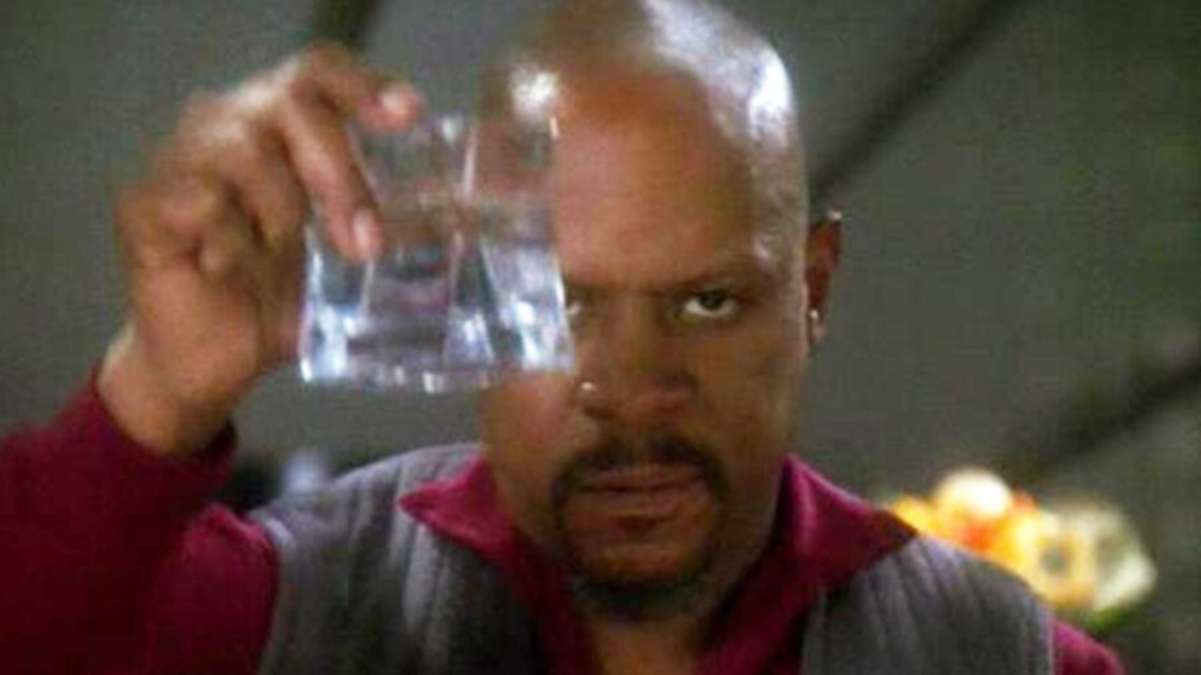
Gene Roddenberry, the creator of Star Trek, was known for establishing specific guidelines for the entire franchise. He actively avoided common science fiction tropes, insisting his vision of the future be free of things like fiery rocket trails or old-fashioned ray guns. He also prohibited depictions of religion or superstition and discouraged arguments between crew members. Roddenberry even had detailed rules for how starships should look. Writers generally tried to follow these guidelines during both The Original Series and The Next Generation.
When it was time to create Deep Space Nine in the early 1990s, the show’s creators felt limited by some established Star Trek guidelines. As producer Rick Berman later explained, Gene Roddenberry had a strong preference against significant conflict between 24th-century human characters, which made developing compelling storylines difficult. Fortunately, the Deep Space Nine team found a way around this by focusing conflicts on interactions between Starfleet personnel and civilians, and between humans and their surroundings.
Why Deep Space Nine Broke Roddenberry’s No-Human Conflict-Rule
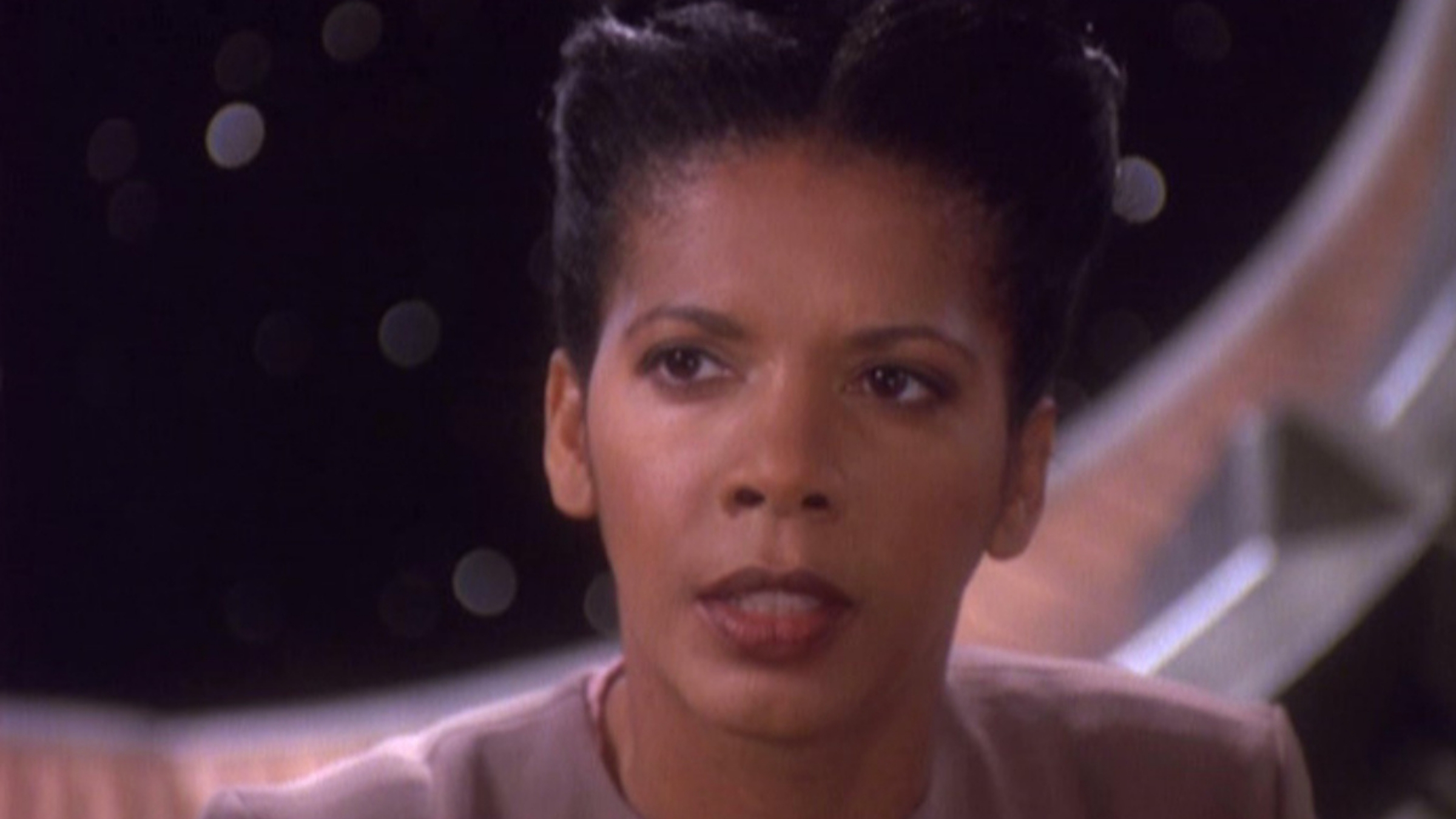
According to Berman, the creators of DS9 faced a creative challenge: they were struggling to come up with compelling stories using only external enemies. Gene Roddenberry had insisted on avoiding conflict between his twenty-fourth-century human characters, but the producers realized they needed that conflict to create good drama. Instead of ignoring Roddenberry’s idea entirely, they redefined it to mean no conflict within Starfleet. By setting the show on a former Cardassian mining station near Bajor, they built a new environment where Starfleet officers weren’t only among their peers. Unlike the Enterprise, Deep Space 9 was a politically charged, fractured, and unpredictable place.
Commander Benjamin Sisko was the Federation’s representative on a station filled with civilians and people not affiliated with Starfleet, which often led to friction. This tension stemmed from interactions with those who didn’t share Starfleet’s ideals, and even extended to his relationship with his son, Jake, who chose a career in journalism instead of joining Starfleet. Other Federation civilians also contributed to the station’s conflicts; for instance, Kasidy Yates, an independent freighter captain who didn’t follow Starfleet rules, caused issues for Sisko, especially because of her connection to the Maquis.
DS9 Would Be a Different Show if Producers Had Stuck to Roddenberry’s Doctrine
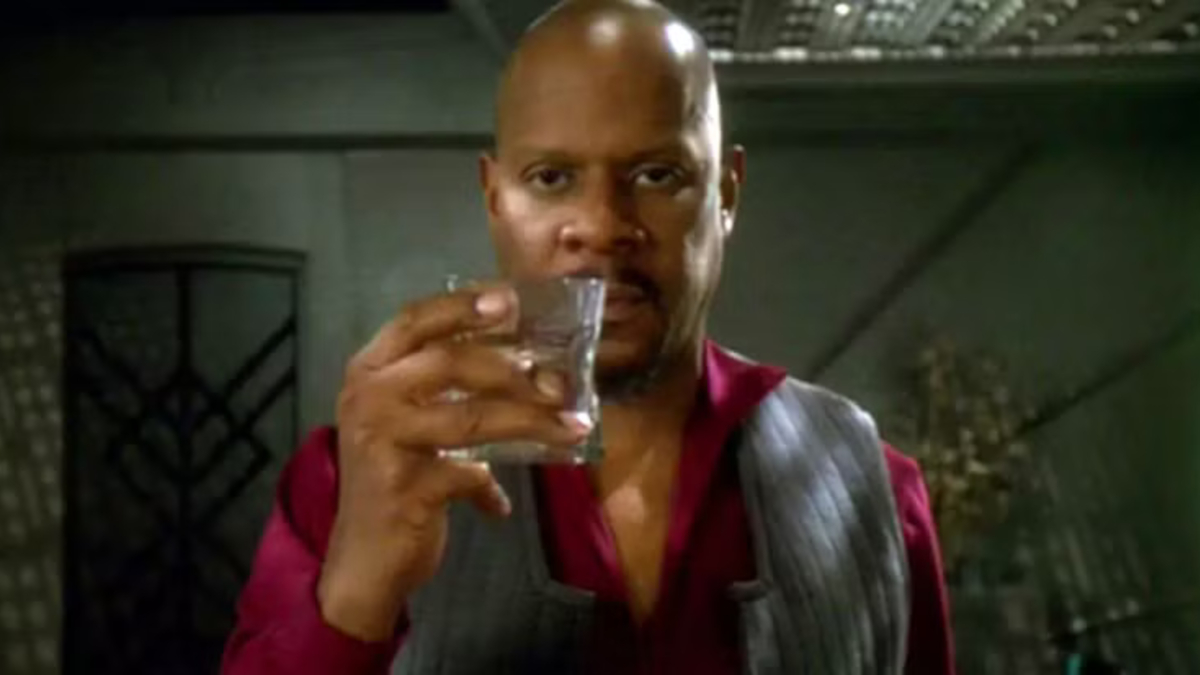
Despite occasionally bending the rules, Deep Space Nine featured a lot of typical conflicts – clashes between people and aliens, and struggles between different groups. Producer Michael Piller explained they intentionally built conflict into every part of the show, including disagreements between the Federation and Bajor, Starfleet and the planet’s environment, and even with the religious beliefs of the Bajoran people. Characters like Quark, Kira, and Odo thrived in this often-difficult setting, becoming sources of conflict themselves. The show also explored religion, something Gene Roddenberry usually avoided, but in a way that ultimately supported his own beliefs.
The discovery of the Bajoran wormhole marked a turning point for the station, and the introduction of the Dominion significantly raised the stakes. Unlike previous Star Trek episodes which were mostly self-contained, Deep Space Nine told a continuous story where the consequences of events built up over time. This increasing tension allowed for exceptional episodes like “In the Pale Moonlight,” where Sisko makes difficult moral choices to involve the Romulans in the war – a level of ethical complexity never before seen in a Star Trek captain. DS9 dared to break from tradition, and that’s what ultimately led to such powerful and impactful storytelling.
Although Deep Space Nine is now a beloved series, it initially faced criticism from viewers who felt it was too different from previous Star Trek shows. Berman remembers people complaining it was “edgier” – a term he disliked – and that it lacked the warm, family-like dynamic of the original Star Trek and The Next Generation. Interestingly, DS9‘s daring approach to storytelling now feels more similar to today’s high-quality science fiction than those earlier series. Despite pushing boundaries, Deep Space Nine still maintained the hopeful vision that Gene Roddenberry was known for.
Is Deep Space Nine the strongest Star Trek series when it comes to writing? Share your thoughts in the comments and join the discussion in the ComicBook Forum!
Read More
- Everything You Need To Know About Nikki Baxter In Stranger Things’ Animated Spinoff
- Jujutsu Kaisen Creator Confirms the Story is Over: “It Won’t Continue!”
- The Boys Season 5, Episode 5 Ending Explained: Why Homelander Does THAT
- USD JPY PREDICTION
- After 11 Years, Black Clover Officially Ends With Final Release (& Crowns a New Wizard King)
- Out of Nowhere, 4-Year-Old King of Fighters 15 Gets Surprise 2026 Patch
- Miranda Kerr Shares “Quick” Procedure She Got Before Met Gala 2026
- ‘The Bride!’ Review: Jessie Buckley Breathes Life into a Monstrous Mess
- Black Mirror star to play Sherlock Holmes in new TV series exploring untold chapter in life of iconic detective
- The Sims 4 reveals Bridgerton collaboration, and it starts very soon indeed
2026-03-07 20:40