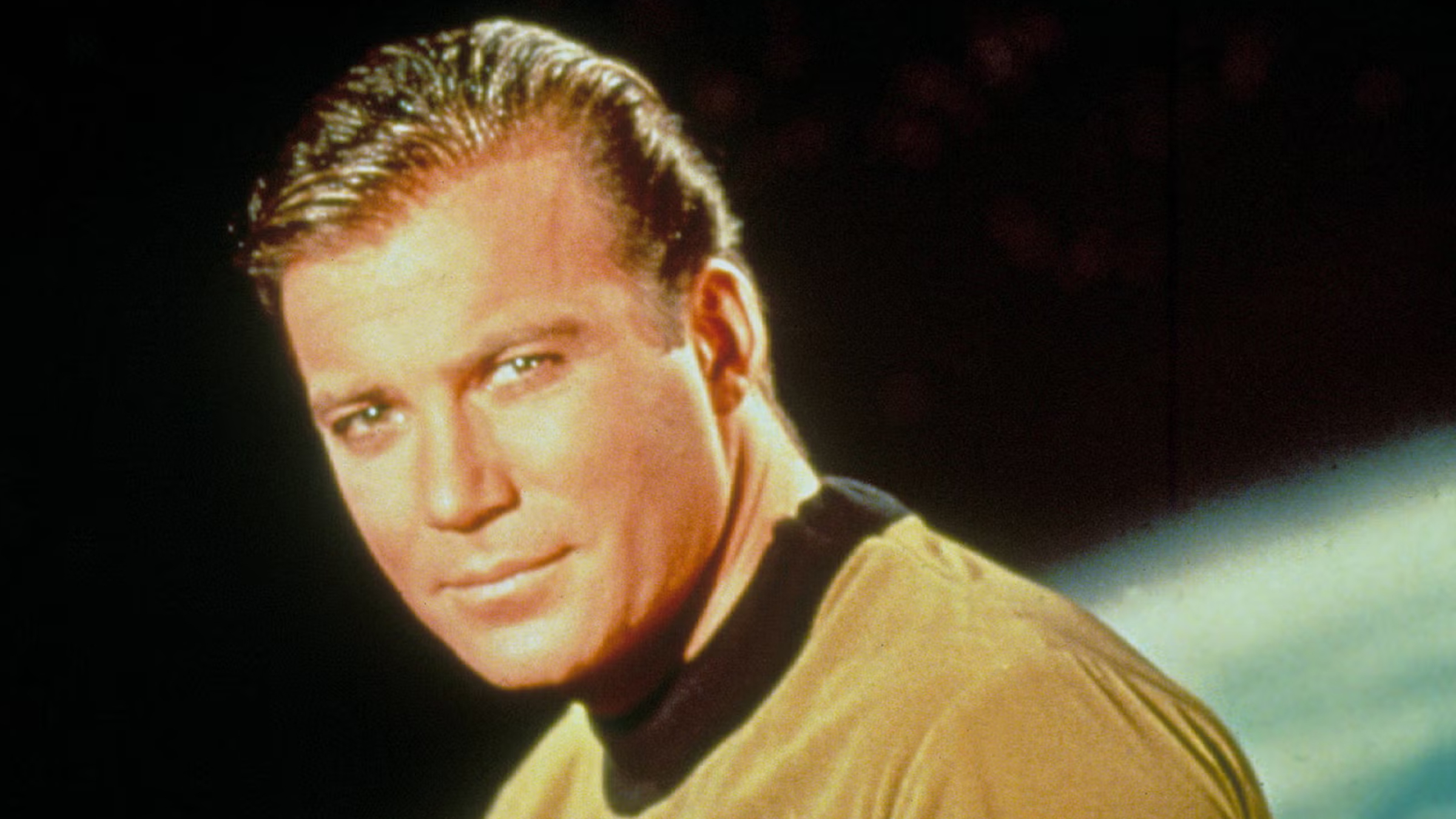
Gene Roddenberry’s Star Trek was originally intended as a hopeful vision of what the future could hold. However, like any successful series, it needed compelling antagonists. Early Star Trek episodes often featured self-contained stories, fitting with the USS Enterprise’s mission of exploring new worlds and, consequently, facing new dangers with each adventure.
The series started with memorable villains in its first season of Star Trek. We met characters like Tremayne, who foreshadowed Q, and the Romulans made their first appearance. However, the Romulans were essentially dark reflections of the Vulcans. Star Trek aimed to explore truly new frontiers, which meant the dangers it presented needed to be genuinely terrifying. It wasn’t until the 26th episode that something completely original finally emerged.
The Klingons Made Their Debut 59 Years Ago Today
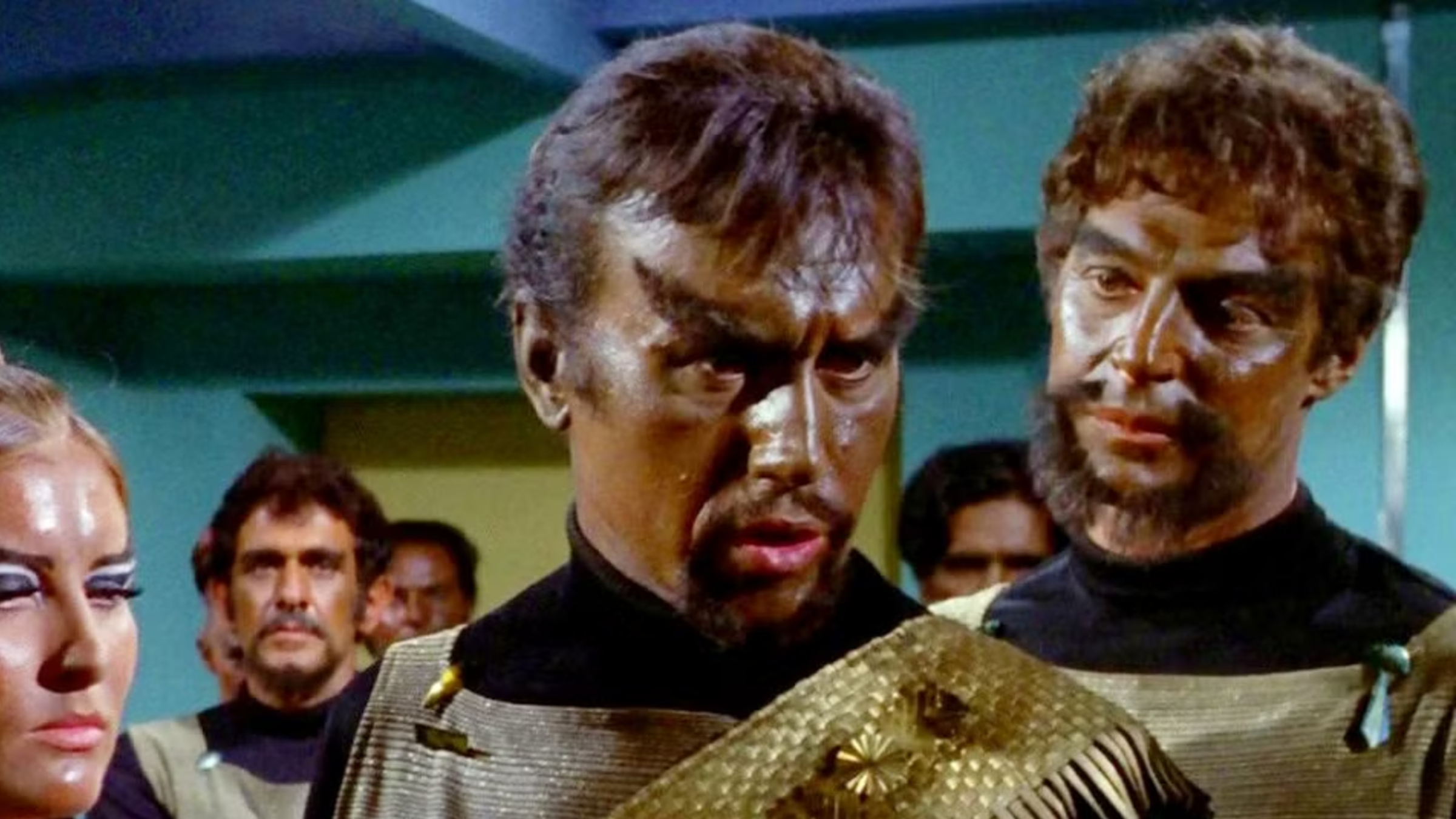
The Klingons first appeared in a 1967 episode of the original Star Trek series, titled “Errand of Mercy.” Creator Gene Roddenberry intended them to be the complete opposite of the Federation. In his book, The Making of Star Trek, he described a culture where laws were meant to be broken through cunning, lies, or force. They valued cruelty and disdained honor, even seeking out opportunities to cause trouble with the Federation. Klingon society was a strict dictatorship focused on the enrichment of those in charge.
The episode “Errand of Mercy,” written by Gene Coon, drew inspiration from the Cold War. Early depictions of the Klingons were based on stereotypes of communist Russia and China, and this sense of Cold War tension is prominent throughout Star Trek: The Original Series. The show often portrays a potential conflict between powerful galactic rivals, frequently using proxy wars and engineered conflicts on other planets, always threatening to escalate into full-scale war.
Robert Justman, a producer on Star Trek, strongly believed the Klingons should be portrayed as completely unrepentant villains. He argued against showing any sign of them ever being anything other than hostile and selfish. However, Gene Roddenberry, the show’s creator, disagreed. He didn’t want to depict any race as naturally evil, which meant even the show’s antagonists would be allowed to develop and change over time.
The Klingons Became Star Trek’s Greatest Villains… & Then Allies
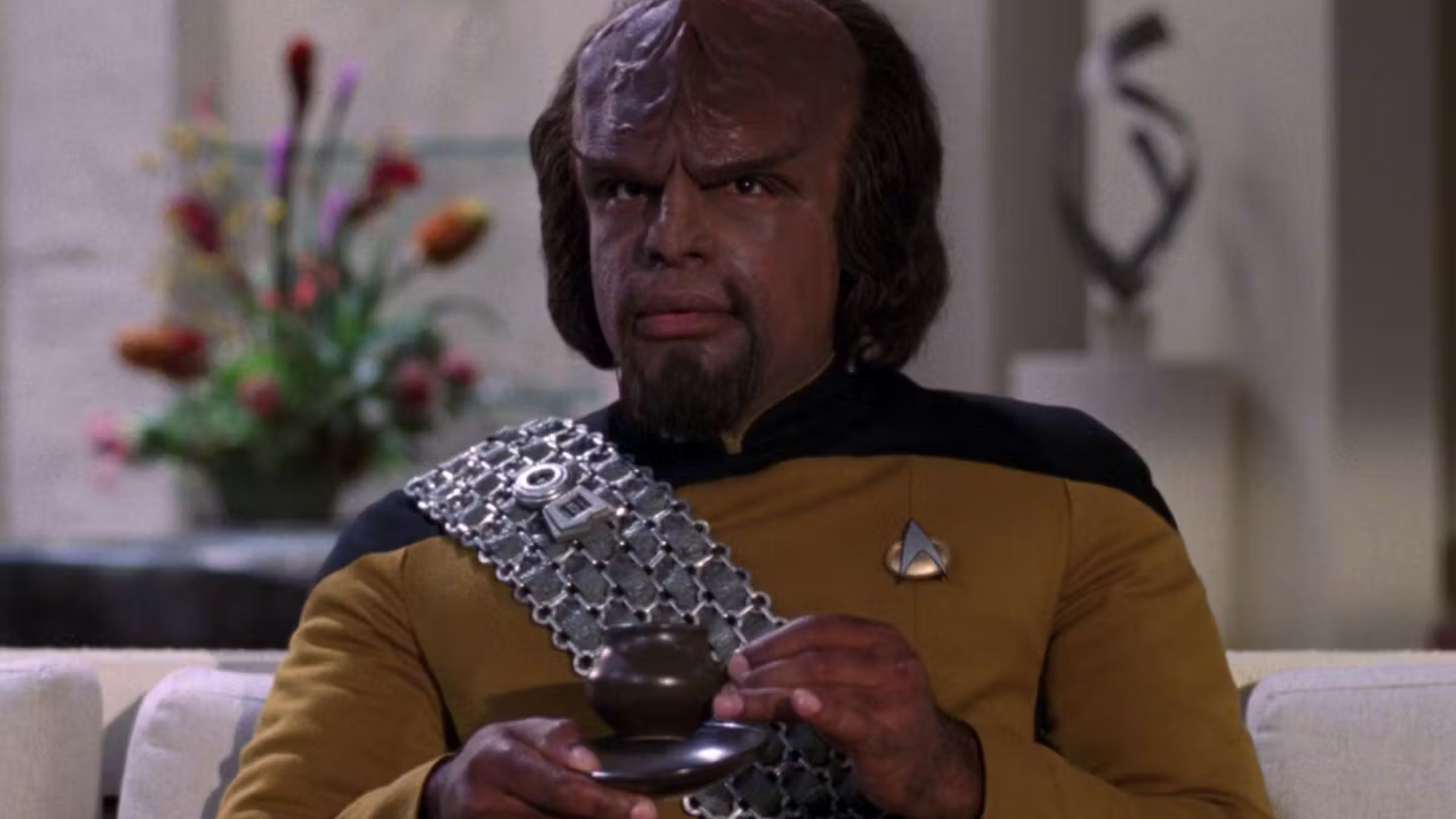
Early Klingons on Star Trek resembled humans, distinguished by some forehead ridges. The simple makeup was a plus for the show’s creators, who often used Klingons as antagonists. However, as the series transitioned to films, the Klingons’ appearance became more alien and detailed – changes that were later explained within the show’s established story. The 1979 film Star Trek: The Motion Picture also introduced the Klingon language, though initially it was made-up sounds. Linguist Marc Okrand later developed it into a full language for subsequent films, signaling that the Klingons were evolving into a much richer culture.
Klingon development truly took off in Star Trek: The Next Generation. Gene Roddenberry originally didn’t want to include Klingons, preferring to introduce entirely new species and adversaries. However, writer and co-producer Herb Wright convinced him by proposing a Klingon character on the Enterprise bridge. This was a clever way to demonstrate the changes in the galaxy over the past hundred years and to show that Klingons weren’t beyond redemption. As Michael Dorn, who played Worf, was famously told, the show would essentially be a fresh start for the Klingons – a chance to forget everything previously established about them.
Today’s image of Klingons is largely shaped by the character Worf. Originally, Klingons were presented as straightforward enemies in Star Trek: The Original Series. But that evolved into a more complex culture focused on honor and seeking glory. Even as allies with the Federation in The Next Generation and Deep Space Nine, they remained a strong and often contrasting force compared to Starfleet.
The Klingons Are Still a Huge Part of Star Trek
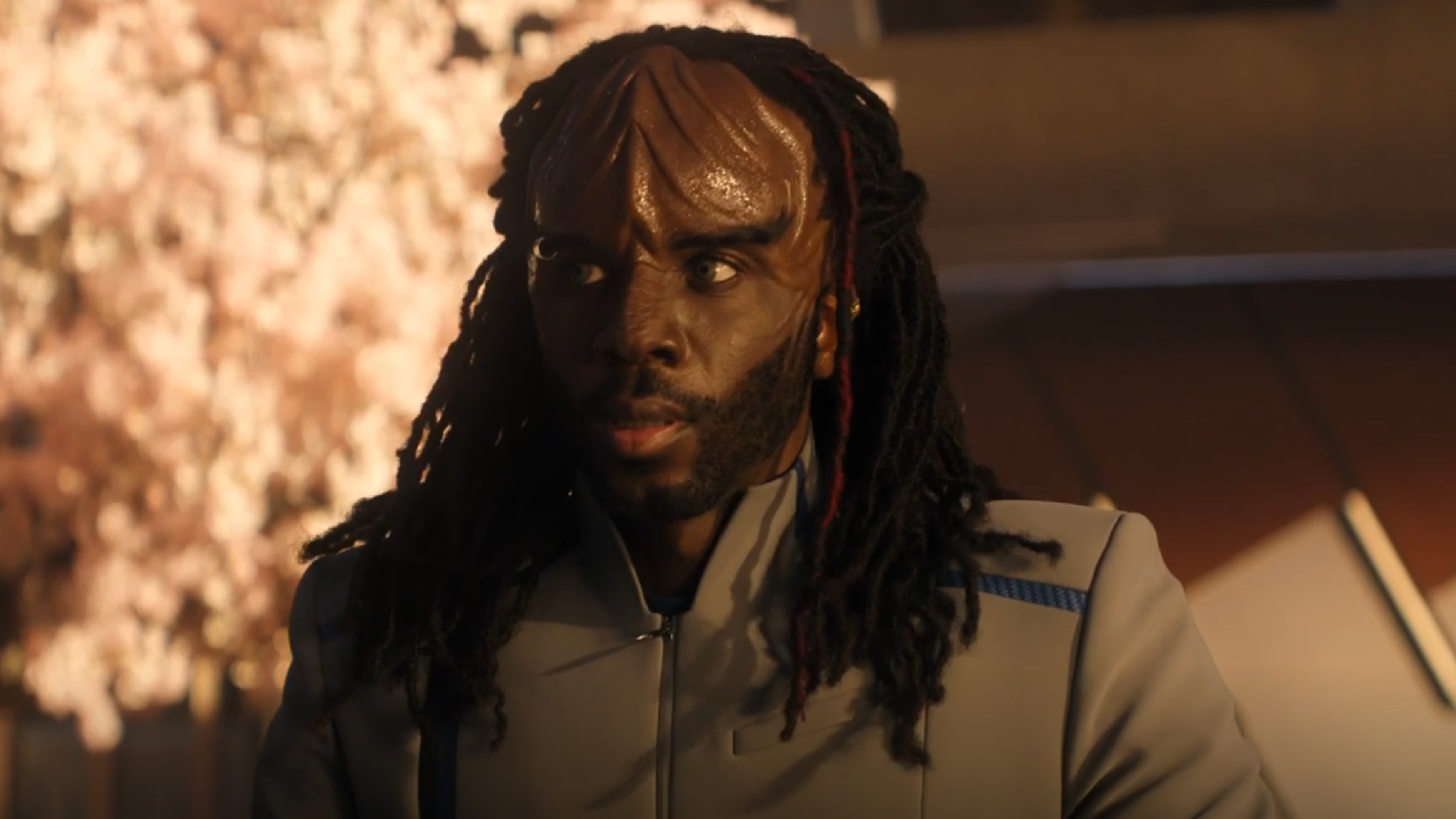
The first two seasons of Star Trek: Discovery significantly expanded the Klingon culture and history. Because the show takes place earlier in the Star Trek timeline, it cleverly explained the differences between older and newer depictions of Klingons. The second season concluded with the USS Discovery traveling far into the future – the 32nd century – where it initially appeared Klingons no longer existed. However, the fate of the Klingon Empire was later revealed in Star Trek: Starfleet Academy.
The Klingon home planet, Qo’noS, was devastated by a massive galactic event called the Burn. The Klingons barely survived the following 120 years, and it was the Federation who ultimately helped them by finding them a new home, giving them a chance to rebuild. This was a surprising turn of events, considering the long history of conflict between Starfleet and the Klingons, but it allowed the Klingon culture to continue. This aid began 59 years ago.
What do you think? Leave a comment below and join the conversation now in the ComicBook Forum!
https://comicbook.com/tv-shows/list/the-10-best-star-trek-episodes-of-all-time/embed/#
Read More
- Everything You Need To Know About Nikki Baxter In Stranger Things’ Animated Spinoff
- Out of Nowhere, 4-Year-Old King of Fighters 15 Gets Surprise 2026 Patch
- Jujutsu Kaisen Creator Confirms the Story is Over: “It Won’t Continue!”
- Miranda Kerr Shares “Quick” Procedure She Got Before Met Gala 2026
- The Boys Season 5, Episode 5 Ending Explained: Why Homelander Does THAT
- ‘The Bride!’ Review: Jessie Buckley Breathes Life into a Monstrous Mess
- After 11 Years, Black Clover Officially Ends With Final Release (& Crowns a New Wizard King)
- XRP’s Chaotic Dance: Will It Leap or Tumble Again?
- New First-Person Shooter Dethrones Windrose to #1 Best-Selling Steam Game
- The One Thing 2026’s Top 10 Games All Have in Common Sheds Light on What Gamers Really Want
2026-03-23 18:11