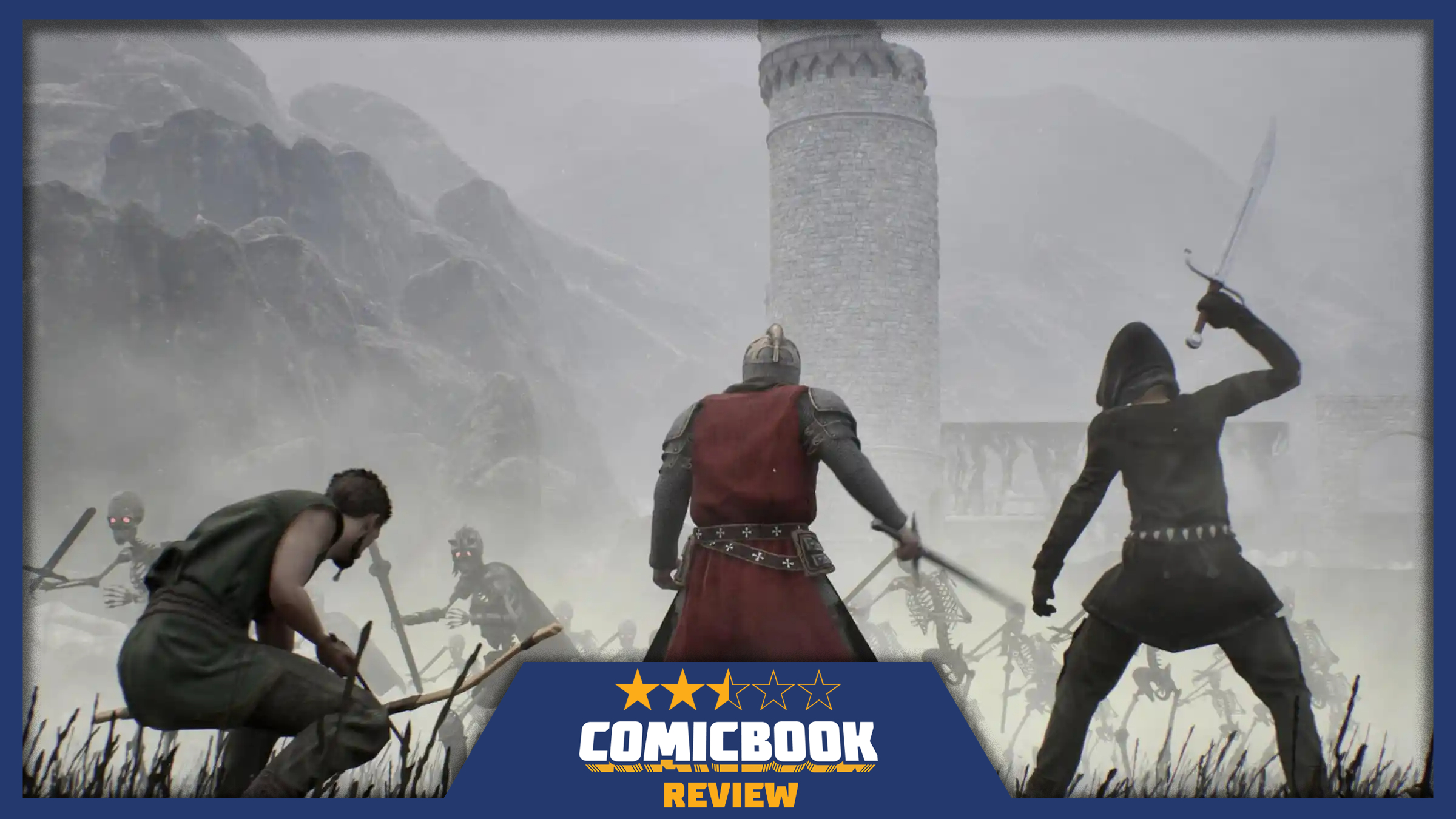
Valorborn is a game brimming with potential, though it feels like an unfinished masterpiece thrown into a chaotic world. You can clearly see the developers’ grand vision in every detail, even as the game struggles with some rough edges. It aims for the same challenging, open-ended survival experience as Kenshi, where your story emerges from hardship and struggle. The game doesn’t subtly hint at a difficult journey; it boldly proclaims it, even amidst its current imperfections.
I repeatedly found that the game wasn’t simply challenging, but overwhelmed by its own complexity. Valorborn has the potential to be incredibly immersive, a game that completely absorbs your time as its various systems interact. However, the current version feels unfinished – like that exciting potential is still developing. It’s full of promise, but also frustrating bugs and rough edges that currently overshadow the good parts.
Rating: 2.5/5
| Pros | Cons |
|---|---|
| Strong ambition behind a systemic survival sandbox where player-driven stories are the goal | Core interaction is inconsistent, with inputs sometimes failing to register or behaving unpredictably |
| Progression loops form a solid conceptual foundation | Tutorial is broken and unreliable, preventing proper onboarding |
| Combat has moments of genuine tactical promise, especially when gear progression meaningfully impacts encounters | World feels underpopulated and mechanically hollow in many areas |
| UI and quality-of-life systems are really rough, with clunky navigation and inconsistent menu behavior | |
| Widespread bugs affect quests, NPC behavior, terrain traversal, and world state stability, breaking immersion and progression flow |
A Sandbox Philosophy That Reaches for Stability but Struggles to Stabilize
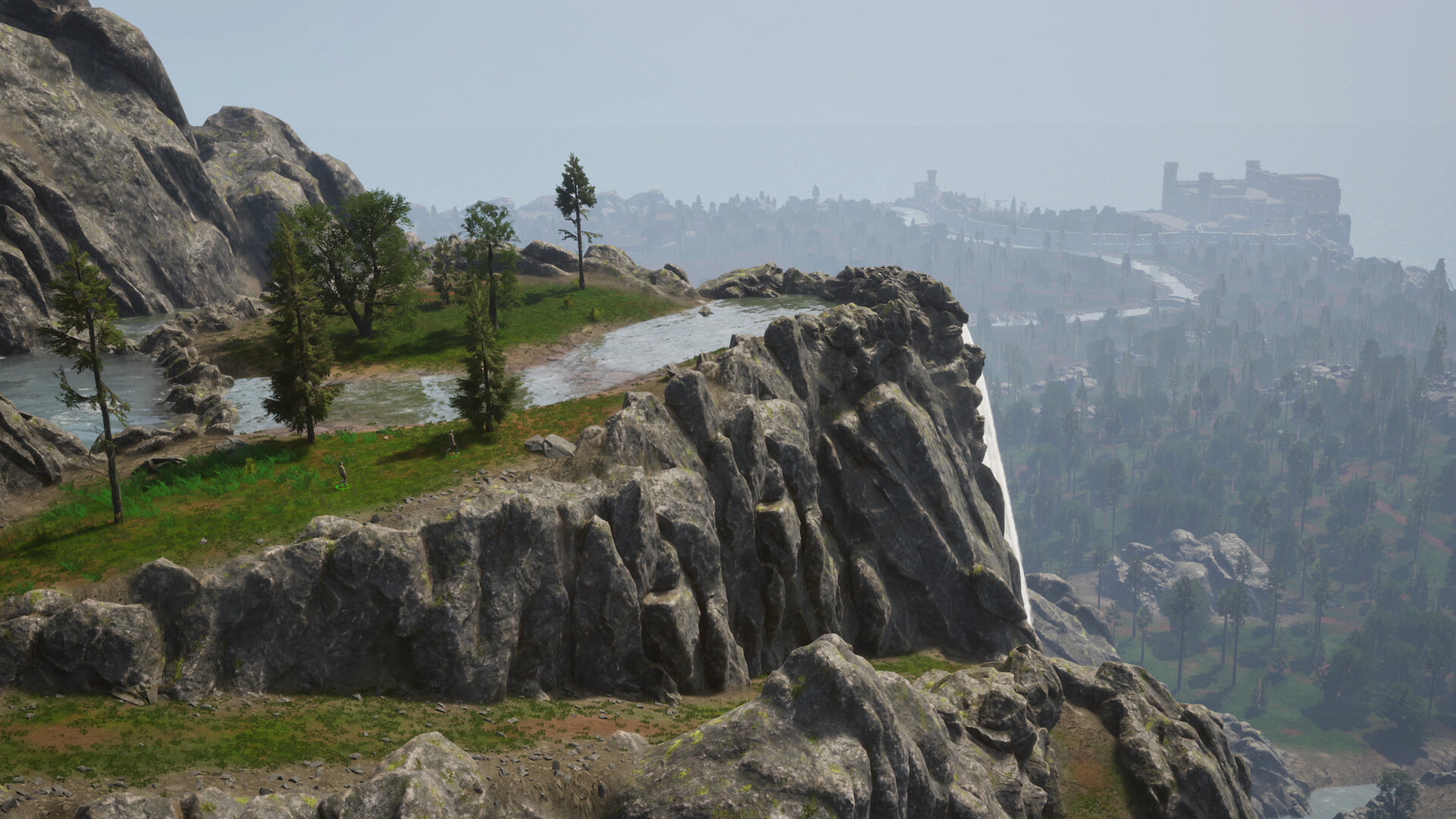
Valorborn is heavily inspired by the challenging survival game Kenshi. It’s a sandbox game focused on complex systems where the world is harsh and unforgiving. You’re not given much guidance; instead, you’re thrown into a dangerous environment and left to fend for yourself. There are no tutorials or easy paths – just raw systems, realistic consequences, and the need to adapt or perish.
When this design approach really works, it’s incredibly engaging. I quickly fell into a cycle of survival, achieving small wins that felt like major accomplishments – almost like taking something precious from a powerful, unaware enemy. Even simple tasks like gathering wood or carrying supplies felt less like button presses and more like active negotiation with the game world. There’s a surprising beauty in it, a sense of turning hardship into habit. I kept seeing echoes of the game Kenshi in my 5 hours with Valorborn, specifically the idea that your experience emerges from interacting systems without much hand-holding. The reason I only played for 5 hours? There just isn’t a lot of content available yet.
Look, even in short play sessions, Kenshi feels solid – it’s tough, sure, but it generally works. But Valorborn? It often feels like it’s still being built as I’m playing it, which I guess is expected for Early Access. The biggest issue is the responsiveness. I’d try to do something, and there’d be this lag where I wasn’t sure if the game even registered my input. It’s like giving commands into the void and getting back something almost right, or maybe just an echo. Even simple stuff, like telling my characters what to do or lining up tasks, felt frustratingly imprecise – like trying to herd cats.
You don’t feel skilled, but stuck, mistaking indecision for trying new things. Instead of being immersed in the experience, you’re constantly second-guessing yourself, as if the game should explain everything. Meanwhile, the game pretends to have clear rules, even though it doesn’t always follow them, or glitches get in the way.
Interaction Is the Definition of Friction In Valorborn
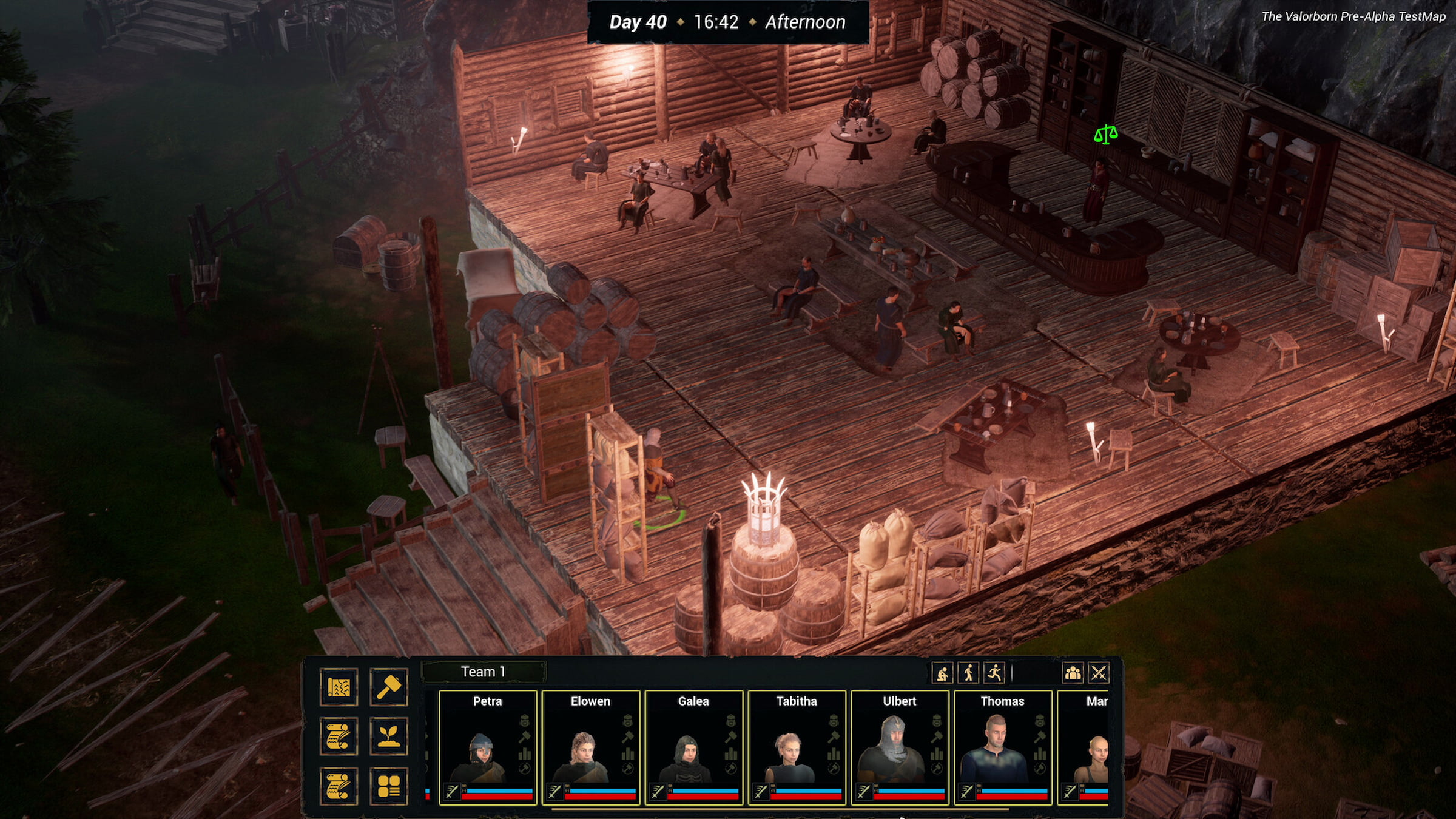
Dealing with Valorborn can be strangely frustrating. It’s like trying to connect with something that’s delayed – you try to interact, confirm your action, and then you’re left waiting, unsure if it even registered. You’re never quite sure if your input was actually received.
The problem is really clear because so much of the game relies on smooth interaction. It’s not just how you do things, it’s fundamental to the entire experience – like the air the game breathes. When interactions lag or fail, everything else feels clunky and unresponsive. I often found myself repeating simple actions – looting, activating things, or talking to characters – not to be faster, but just to make sure the game had actually registered my input. Even tasks and assignments involving multiple characters felt slow and unreliable, like sending messages that might never arrive.
When a game makes even simple actions feel difficult, you start overthinking everything instead of acting naturally. You go from just doing things to constantly second-guessing yourself, which slows you down. It’s frustrating—even navigating the menus feels like a struggle, as if the game is fighting against your input. The interface stops being helpful and starts feeling like an obstacle.
Despite the current rough edges, Valorborn has a solid foundation for becoming something truly special, potentially setting it apart from games like Kenshi. The core mechanics – surviving, crafting, building bases, and improving through found or stolen blueprints – are all in place. It’s like the framework of a tall building is there, but it still needs more stability before you can fully rely on it.
Combat Feels Sharp in Moments, but Unstable in Practice
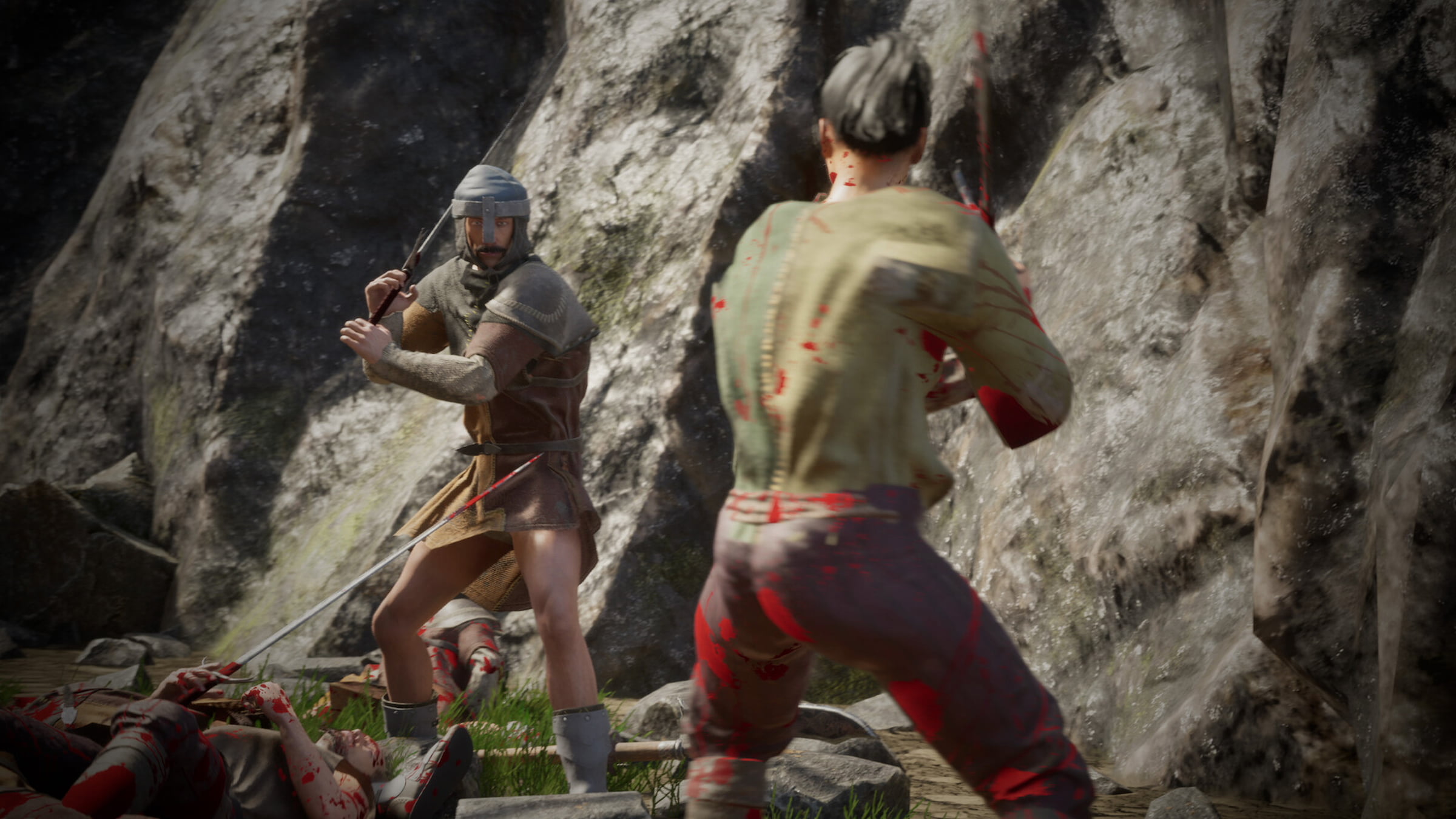
Valorborn aims for combat that feels like a thoughtful exchange of positioning, timing, and strategy. The system is designed to be tactical, where smart decisions and careful movement are key to success – and sometimes it truly delivers on that promise. When it works well, it’s thrilling to outplay opponents, and the game generally rewards cleverness over sheer power. There are moments where everything comes together, creating battles that are both understandable and genuinely exciting.
It’s incredibly frustrating when the game seems to lose connection for a split second, making the ground feel like it disappears from under you. I’d get into a flow during fights, and then suddenly lose it for no reason, as if the game briefly glitched and forgot what was happening. This inconsistency prevents you from truly getting comfortable and skilled, because you’re always on edge, worried that your next move won’t register correctly.
The combat feels oddly unpredictable. Sometimes it seems to respond to your commands, and other times it feels like it’s doing its own thing, leaving you wondering if you’re actually controlling the battles or just offering suggestions. This turns strategic planning into more of a guessing game. A major reason for this is the AI isn’t fully developed – it’s noticeable even early on. Enemy actions often lack clear reasoning or logic, making it hard to understand what they’re doing and why.
Even with some AI issues, it’s clear that upgrading your equipment dramatically changes the game in a really impactful way. Early on, simply saving up to buy a better sword felt like a turning point. Suddenly, tough enemies became much easier to handle. Instead of panicking during fights, I started thinking strategically. It even reminded me a bit of Baldur’s Gate 3, where careful preparation is just as important as skillful play. This is especially significant because the game has permadeath – if you die, that’s it!
Despite some promising elements, the combat system lacks consistent polish. Different weapon types don’t feel unique when you’re actually fighting, enemies can be both predictable and erratic, and the overall experience doesn’t really come together in a compelling way after the initial battles. It has moments of brilliance, but more often feels slightly off-kilter.
A World That Feels Like It Was Built Premature
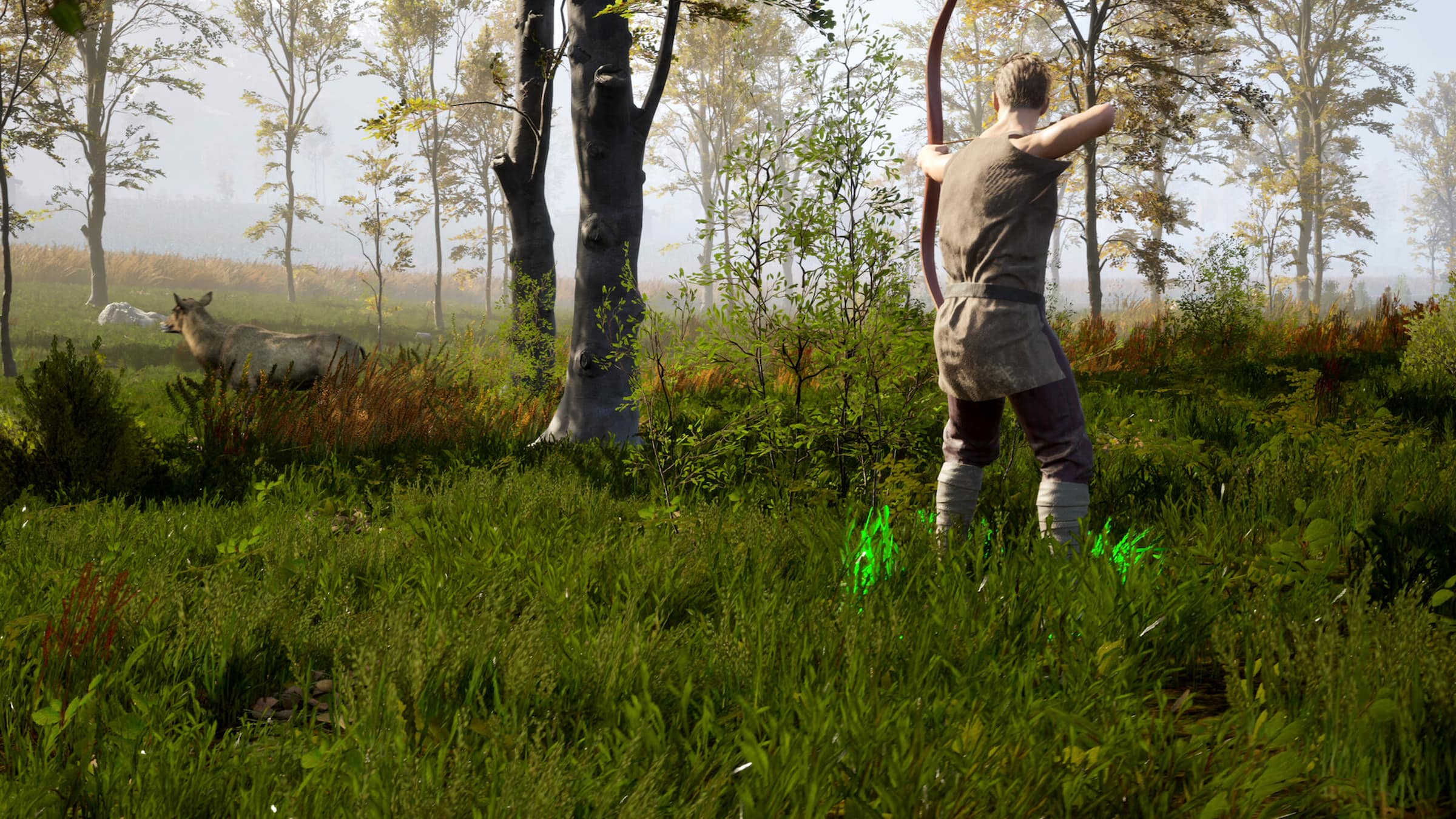
Valorborn’s world feels like a promising foundation for stories, a collection of interconnected systems with a lot of potential. All the core elements – survival, crafting, exploration, building, and character progression – are present and functional. However, it currently feels more like a well-organized set of tools than a truly living, breathing world. You can interact with everything, but it lacks that spark of life and compelling narrative.
Okay, so things get really weird in this game. At first, the world feels intentionally desolate, like there’s a reason for all the emptiness. But then it just starts to feel unfinished, like the developers just… didn’t finish it. I mean, you can walk into pretty much any building in Valorborn, which is awesome, but when I did, I was disappointed. The buildings have stuff inside, but it feels like they’re just empty rooms waiting for furniture that never showed up. It’s like a half-built set, you know?
The game has core survival elements – gathering resources, crafting, and building a base – which create a functional gameplay loop. However, the world feels empty and doesn’t react much to your actions. Finding useful items is rare, buildings are often bare, and exploring feels like navigating a basic outline of a world, rather than a lived-in, responsive environment. It lacks a consistent, believable design.
The game also features a crime system that makes things more challenging. You can commit crimes like stealing or breaking and entering, and these actions have real consequences. Getting caught isn’t easily forgiven; there are no quick escapes. Instead, you’ll face imprisonment and have time to reflect on your decisions, feeling truly stuck and facing the repercussions of your actions.
A Bug-Riddled Experience That Feels Like the World Is Still Loading Itself
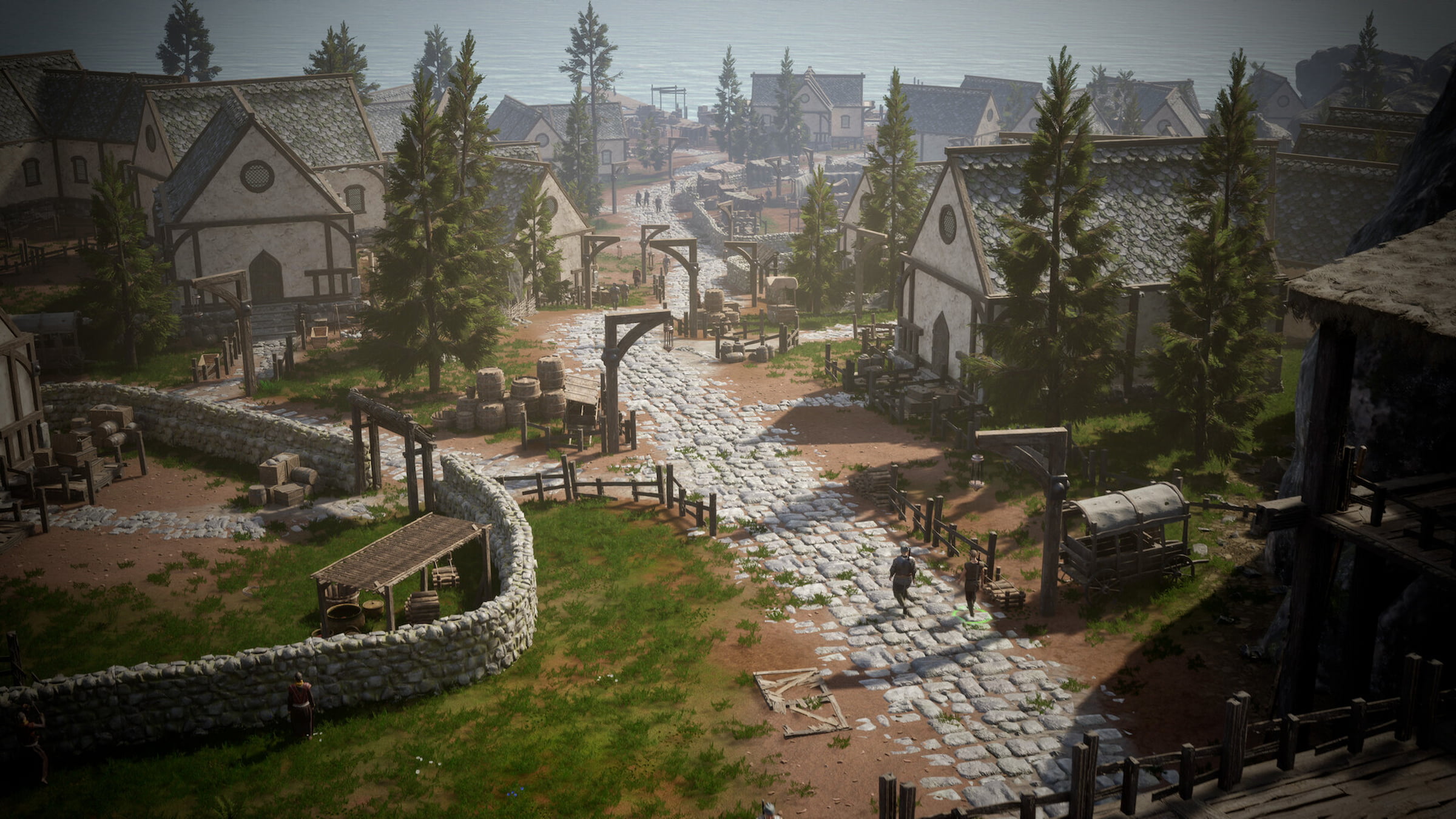
As a player, I have to say that Valorborn feels really unfinished. It’s like I was playing it while it was still being built! Bugs weren’t just occasional hiccups – they were everywhere. You get so used to them that you stop being surprised, but they’re always there, like a constant annoying noise you just have to live with.
This tutorial was a frustrating mess, pretending to be helpful. It felt like a machine attempting to teach me the basics, then suddenly giving up on the very principles it was trying to convey. It crashed constantly, becoming so broken that finishing it was impossible. Ultimately, I gave up and jumped into the game’s main mode, feeling lost and abandoned, still clutching the useless, now-worthless instructions.
Things really start to fall apart after that initial glitch. Suddenly, my actions wouldn’t always register, like the game wasn’t listening. The menus got all messed up, buttons moving around and not working right. Even the map and quest details became unreliable – I’d be lost or have no idea what I was supposed to be doing. Sometimes quests just… broke. And the NPCs? Forget about it. They’d spawn with missing equipment or move in these super janky, unnatural ways. It honestly felt like the game was running two different realities at the same time, constantly glitching between them.
The environment can sometimes hinder your progress, with movement unexpectedly breaking and blocking your way. While exploring should be a key strength of the game, it’s let down by buildings and areas that feel empty or aren’t very interesting. You’ll find yourself entering lots of places, but the world rarely rewards you for doing so – it’s like searching through rooms that have forgotten what they’re meant to hold.
Valorborn shows a lot of promise, but it feels like it was released into Early Access before it was fully ready. You can definitely see the potential for a great game, and dedicated players will get a glimpse of what it could become. However, right now it feels a bit unfinished, even for an Early Access title – like it’s trying to build a foundation while still in progress.
ComicBook was provided a Steam code for the purposes of this review.
What do you think? Leave a comment below and join the conversation now in the ComicBook Forum!
Read More
- Trails in the Sky 2nd Chapter launches September 17
- HBO Max Just Added the Final Episodes of a Modern Adult Swim Classic
- Pragmata Shows Off Even More Gorgeous RTX Path Tracing Ahead of Launch
- Crimson Desert’s Momentum Continues With 10 Incredible New Changes
- Solo Leveling’s New Character Gets a New Story Amid Season 3 Delay
- PRAGMATA ‘Eight’ trailer
- All 7 New Supes In The Boys Season 5 & Their Powers Explained
- Dragon Quest Smash/Grow launches April 21
- How Could We Forget About SOL Shogunate, the PS5 Action RPG About Samurai on the Moon?
- Hulu Just Added One of the Most Quotable Movies Ever Made (But It’s Sequel Is Impossible To Stream)
2026-04-17 20:44