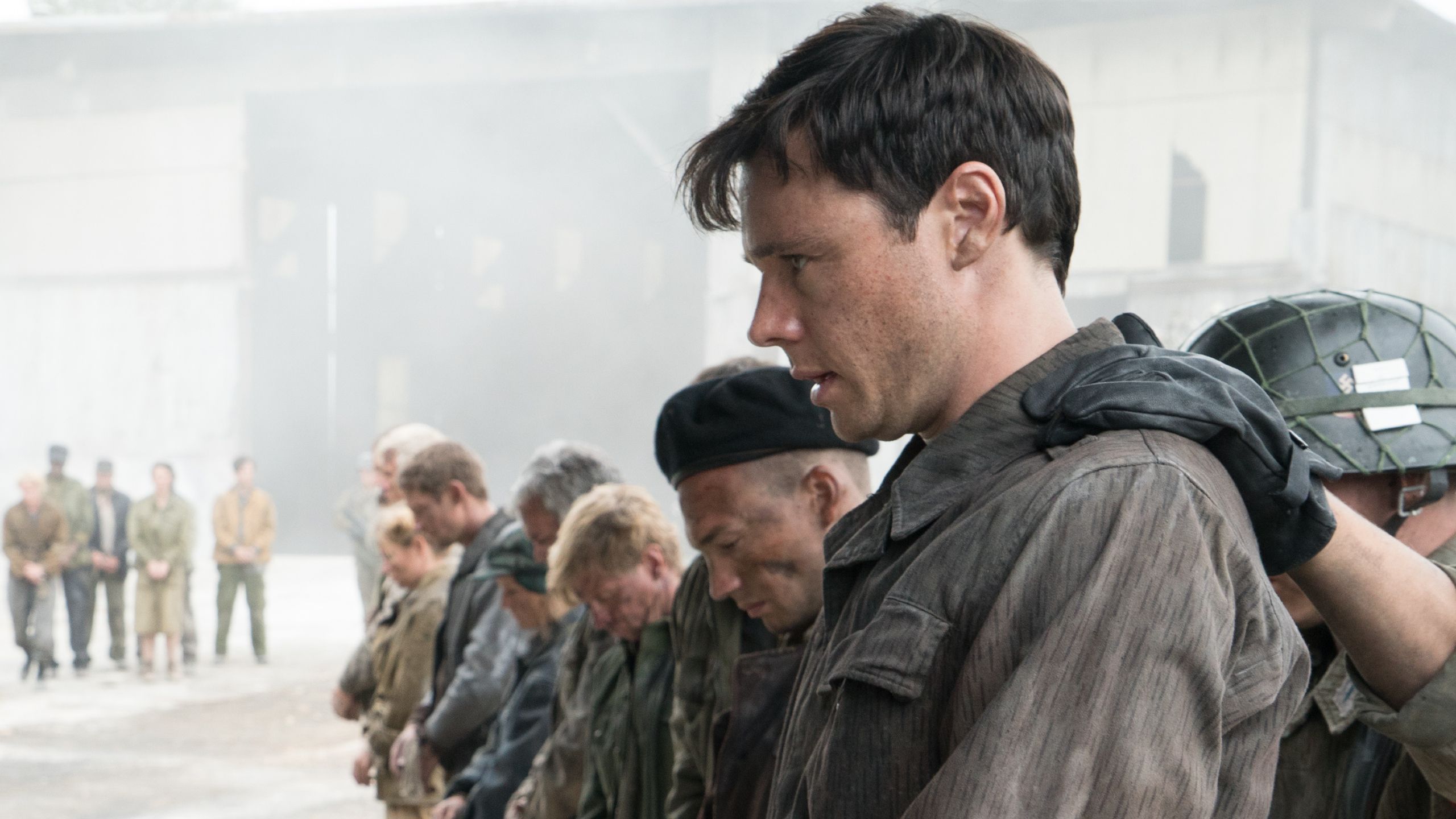
It seems unlikely that Netflix’s Dark and the 2009 film Inglourious Basterds would have much in common. One is a complicated German science fiction series about time travel, while the other is a violent, fictional war movie by Quentin Tarantino. Combining elements of both sounds like it wouldn’t work, but Amazon’s The Man in the High Castle manages to do just that.
Inspired by Philip K. Dick’s novel, The Man in the High Castle presents a disturbing alternate history where Germany and Japan won World War II. The story takes place in a divided United States, where these powers rule, and a hidden resistance fights against a society built on fear, propaganda, and constant monitoring.
Despite its high production costs, The Man in the High Castle was a hit, earning an 84% rating on Rotten Tomatoes and lasting four seasons. What’s surprising isn’t just its success, but how skillfully it blends elements from two very different, yet highly acclaimed, works of art.
While Dark and Inglourious Basterds appeal to very different audiences, The Man in the High Castle successfully combines elements that fans of both will enjoy. It provides the intricate, thought-provoking storytelling that Dark viewers appreciate, and delivers the exciting alternate history thrills found in Inglourious Basterds. The result is a surprisingly well-integrated series, far more unified than you might expect from combining these two distinct styles.
The Man In The High Castle Is Inglorious Basterd’s Evil Twin
Two Alternate Histories, Two Wildly Different Outcomes
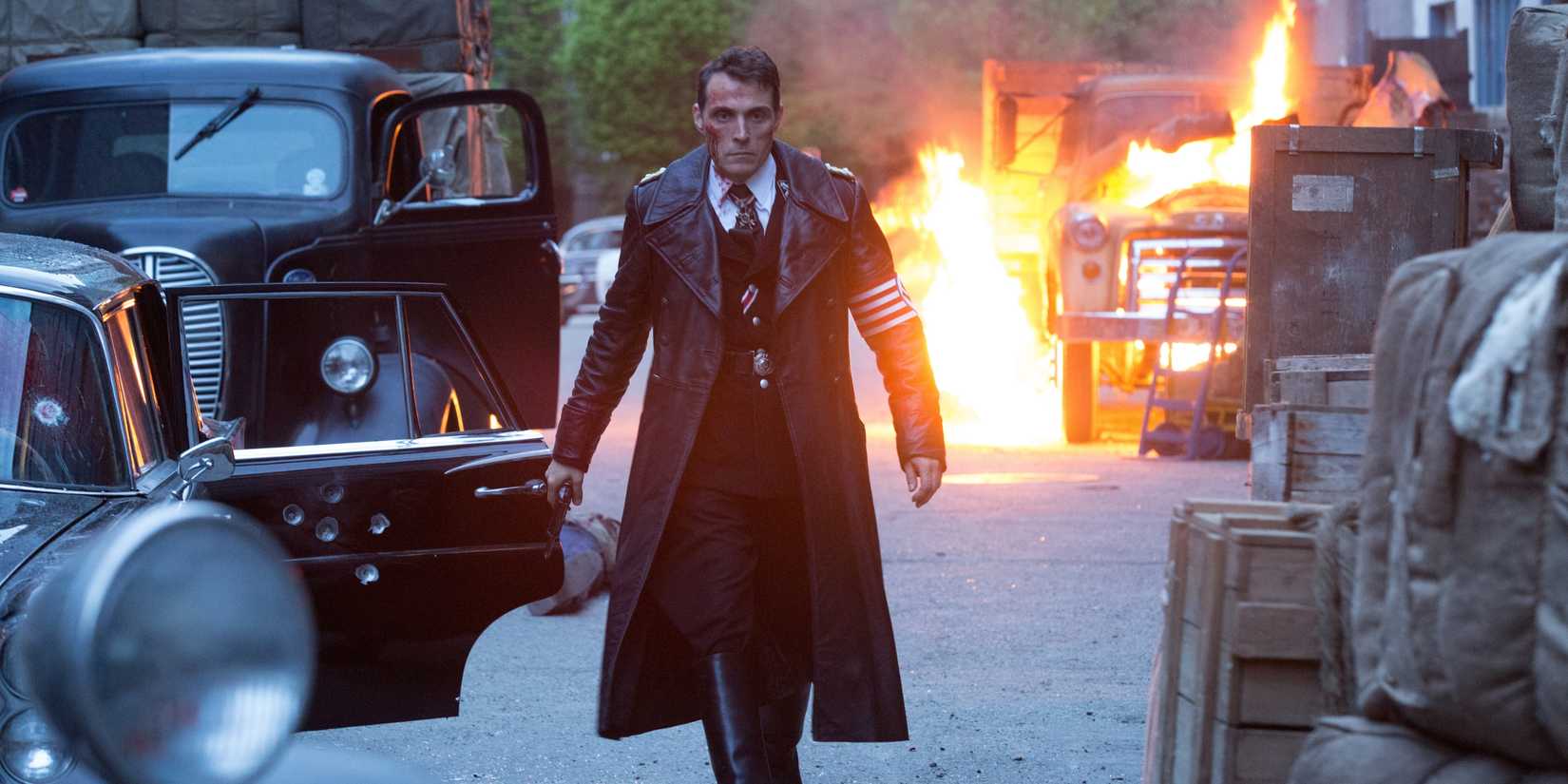
Though very different in style, Inglourious Basterds and The Man in the High Castle both explore alternate histories of World War II. Inglourious Basterds, a 2009 film by Quentin Tarantino, presents a satisfying fantasy where a team of American soldiers manages to kill Hitler, bringing the war to a quick and victorious end.
However, The Man in the High Castle explores a much more disturbing possibility: what if the Allies had lost World War II? Instead of winning, they’re defeated, and instead of being freed, America is occupied and loses its sense of self. The story flips the script, showing a tyrant conquering the US instead of American troops liberating others.
Fans who loved Inglourious Basterds will likely be captivated by The Man in the High Castle for a very specific reason. While Tarantino’s film delivers exciting heroism and satisfying revenge, the show focuses on building suspense and exploring difficult moral decisions. Characters like Juliana Crain and John Smith are forced to live in a world where fighting back is risky and simply surviving requires making tough compromises.
Both stories consider the same alternate history, but approach it with very different feelings. One is an optimistic fantasy about changing the past, while the other uses it as a cautionary tale. This contrast makes The Man in the High Castle feel like a more thoughtful and somber version of Inglourious Basterds. It’s not as action-packed, but ultimately more unsettling and memorable.
The Man In The High Castle Has A Lot Of Sci-Fi Tricks Up Its Sleeve
A Mind-Bending Alternate Reality Story That Goes Far Beyond A Single Timeline
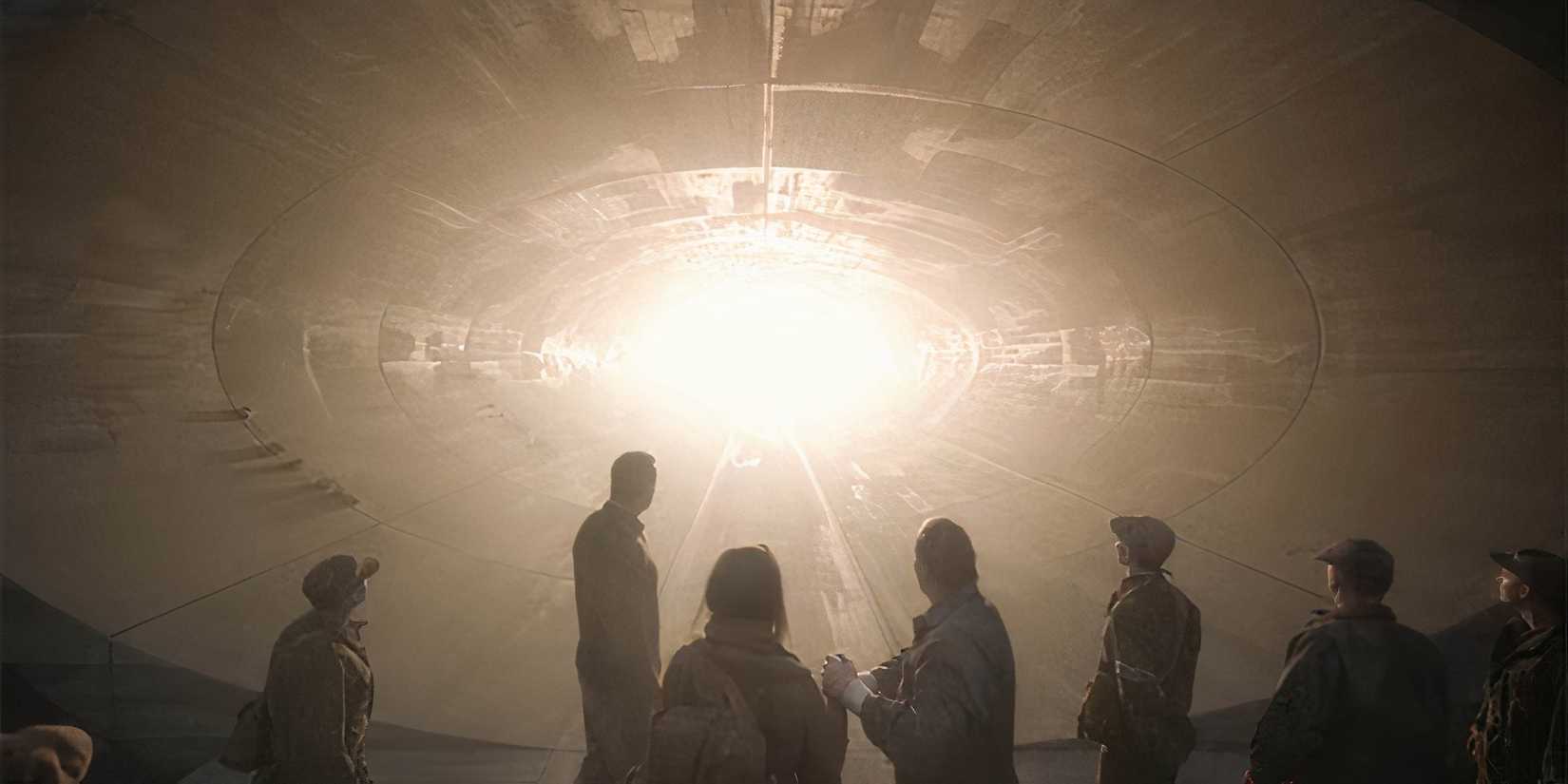
Though both Inglourious Basterds and The Man in the High Castle explore alternate history, that’s where their common ground ends. Tarantino’s film keeps a recognizable, albeit stylized, feel, while the Prime Video series quickly becomes far more unusual.
The story starts as a realistic and bleak drama, but slowly transforms into a complex science fiction tale involving multiple realities and mind-bending ideas. This change is driven by the appearance of strange films showing alternate histories – glimpses of worlds where the Allies were victorious in the war.
It’s hard not to compare this to the show Dark. Like that mind-bending series, this one relies on mystery and makes you wonder what’s actually happening, what could happen, and how different versions of events might connect. The lack of clear rules is intentional and actually adds to the enjoyment.
In The Man in the High Castle, characters like Joe Blake and Nobusuke Tagomi experience increasingly complex and changing realities. Similar to Jonas in Dark, they’re part of a story where decisions don’t just affect their own timeline, but create consequences across multiple dimensions.
I always thought The Man in the High Castle could have been a really solid, realistic alternate history show – a bit of a down-to-earth contrast to something like Inglorious Basterds. But honestly, what really grabbed me was how it wasn’t afraid to get weird and explore some truly complex sci-fi concepts. If you’re like me and loved Dark – that show where every answer just opened up a whole new set of mysteries – you’ll be completely hooked by The Man in the High Castle. It’s full of those layered stories and unanswered questions, and I couldn’t get enough.
Read More
- Trails in the Sky 2nd Chapter launches September 17
- HBO Max Just Added the Final Episodes of a Modern Adult Swim Classic
- Solo Leveling’s New Character Gets a New Story Amid Season 3 Delay
- PRAGMATA ‘Eight’ trailer
- Pragmata Shows Off Even More Gorgeous RTX Path Tracing Ahead of Launch
- Crimson Desert’s Momentum Continues With 10 Incredible New Changes
- How Could We Forget About SOL Shogunate, the PS5 Action RPG About Samurai on the Moon?
- Hulu Just Added One of the Most Quotable Movies Ever Made (But It’s Sequel Is Impossible To Stream)
- All 7 New Supes In The Boys Season 5 & Their Powers Explained
- Dragon Quest Smash/Grow launches April 21
2026-04-17 23:29