
Star Trek is still a major force in science fiction, with several new shows and movies in the works on Paramount+. Fans are discussing what’s next for the series’ future after the first season of Star Trek: Starfleet Academy was unexpectedly cancelled. Star Trek: Strange New Worlds remains a fan favorite, with a fourth season on the way and a final, shorter fifth season already being filmed. After a ten-year break, Star Trek is also returning to the big screen, as Paramount is planning a new movie reboot despite the cancellation of Star Trek 4.
Although we see many Star Trek sequels and spinoffs today, the idea of expanding the Star Trek universe actually started over 50 years ago. The first real attempt to do this happened in 1968 during the final episode of the second season of Star Trek: The Original Series. Called “Assignment: Earth,” the episode was originally planned as the pilot for a completely new show. However, Gene Roddenberry revised it to fit within the existing Star Trek storyline, featuring Captain Kirk (William Shatner) and Spock (Leonard Nimoy). Roddenberry hoped using the popular Enterprise crew would help launch a new series about 20th-century spies and alien involvement.
The Curious History of Star Trek‘s “Assignment: Earth”
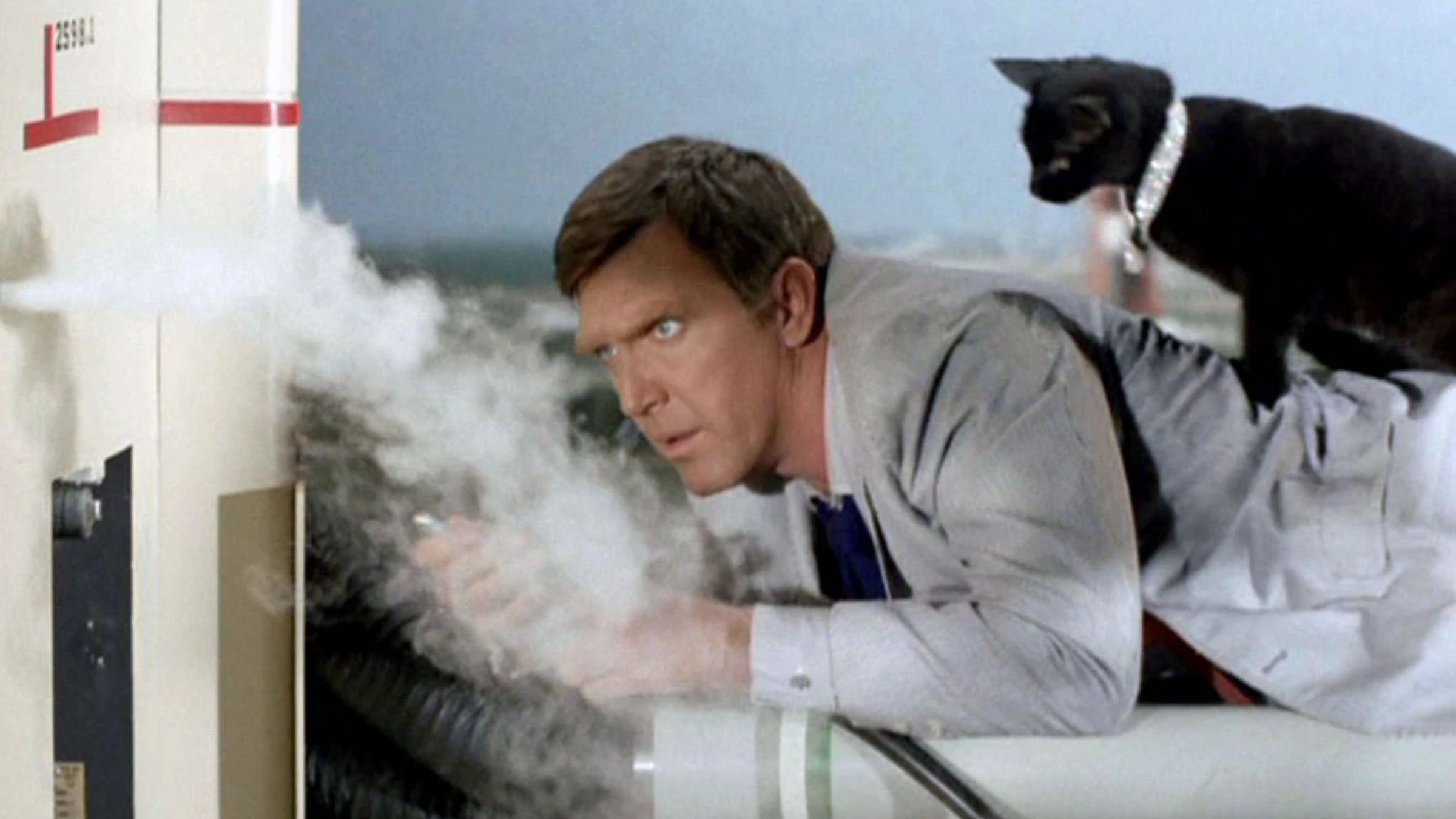
Gene Roddenberry and Art Wallace initially created Assignment: Earth as a completely separate show from Star Trek. The story followed Gary Seven, a man whose ancestors had been trained by aliens over generations to secretly guide humanity’s development. Along with his shape-shifting cat, Isis, Seven was meant to be a futuristic James Bond, using high-tech tools – like a device called the “servo” – to prevent global disaster during the Cold War. When television networks weren’t interested in the pilot as a standalone series, Roddenberry decided to connect it to Star Trek. This led to a storyline where the Enterprise travels back to 1968, ostensibly for research, but actually encounters Seven while he’s trying to disable a nuclear weapons platform in orbit.
The episode was created as a test run for a potential new series, allowing the producers to highlight the appealing connection between the character Gary Seven and his secretary, Roberta Lincoln (played by Teri Garr). Roberta, though seemingly scatterbrained, was surprisingly capable and stumbled upon Seven’s hidden base. The contrast between Seven’s serious demeanor and Roberta’s quirky personality was intentionally crafted to support a full season of television, offering a grounded story compared to the adventures of the Enterprise. The episode also featured enhanced production quality and distinctive sets – like Seven’s modern Manhattan office – with the idea that they could be used again if the show was picked up.
Although “Assignment: Earth” was a well-written story and Lansing gave a strong performance, the television network decided not to move forward with it as a spin-off series. This was probably because the original Star Trek show was often in danger of being cancelled, so the studio didn’t want to risk money on another science fiction project by the same people. As a result, the interesting backstory of the “Supervisors” wasn’t shown on television for many years, but the characters later appeared in novels and comic books.
“Assignment: Earth” Influenced Multiple Star Trek Spinoffs
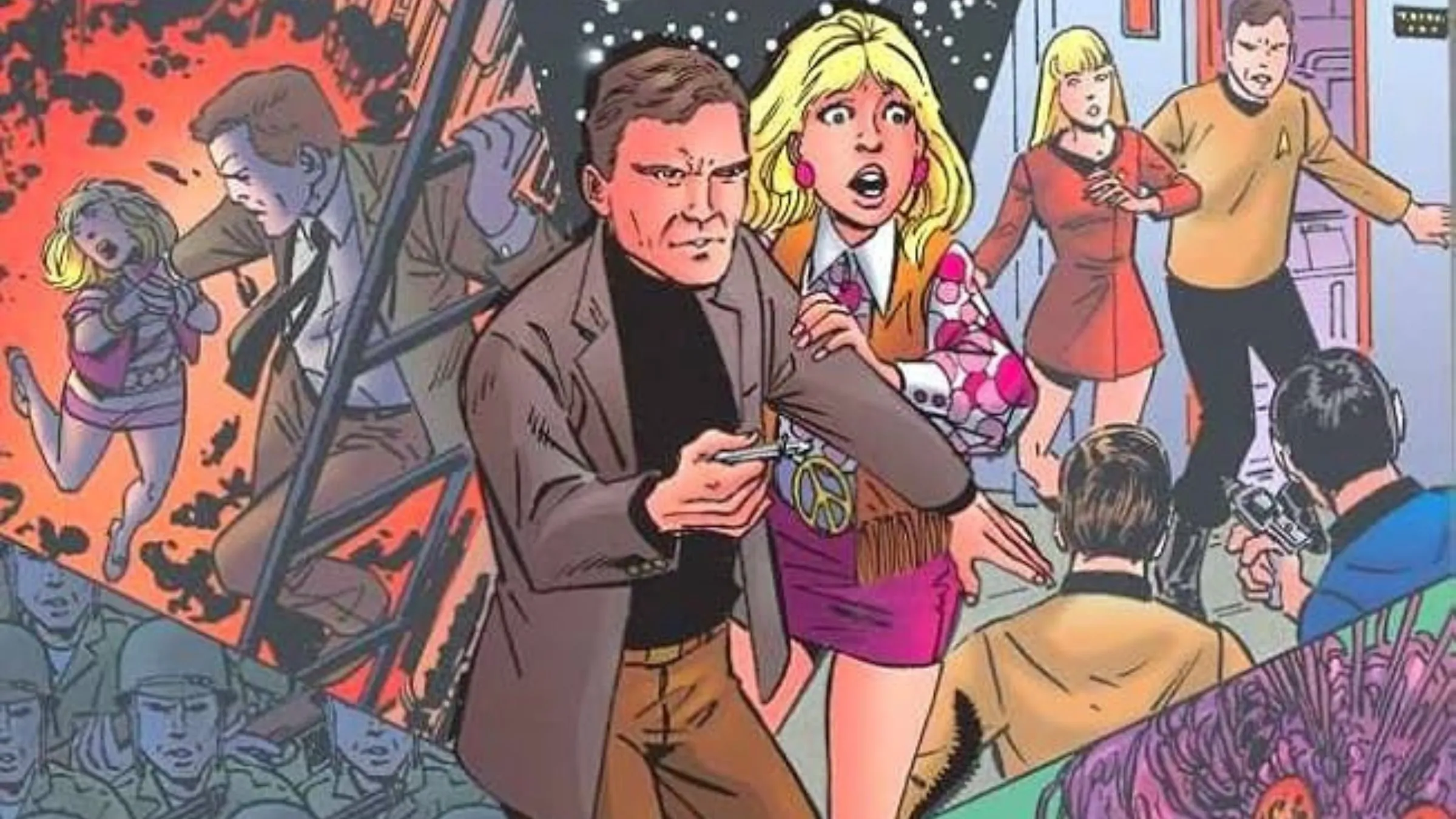
Despite never getting his own TV show in the 1960s, the idea of Gary Seven became an important part of the larger Star Trek story. Author Greg Cox prominently featured Seven in his The Eugenics Wars novels, cleverly weaving him into the hidden history of the 20th century and showing his attempts to stop the rise of the villain Khan Noonien Singh. By connecting the character from the unaired pilot to such a famous Star Trek enemy, Cox demonstrated that Gene Roddenberry’s original concept had lasting power, even though the network initially rejected it. Later, IDW Publishing released a comic book series called Assignment: Earth, written and illustrated by John Byrne, giving fans the ongoing adventures of Seven and Roberta Lincoln that NBC had passed on years before.
Recent events in the second season of Star Trek: Picard have firmly established the lasting impact of the classic episode “Assignment: Earth.” The series revealed that the Supervisors, the organization Gary Seven was a part of, were still operating in the 21st century. The character of Tallinn was specifically identified as one of these Supervisors, assigned to protect an ancestor of Jean-Luc Picard. This confirms that the idea of a secret, powerful group influencing Earth’s history – first explored in “Assignment: Earth” – is now officially part of the Star Trek universe, proving Gene Roddenberry had a remarkably prescient vision.
You can now watch Star Trek: The Original Series and all of its spin-offs on Paramount+.
Would you like to see the idea of Gary Seven explored in a future Star Trek series or movie? Share your thoughts in the comments and join the discussion in the ComicBook Forum!
https://comicbook.com/tv-shows/list/the-10-best-star-trek-episodes-of-all-time/embed/#
Read More
- Trails in the Sky 2nd Chapter launches September 17
- Paradox codes (April 2026): Full list of codes and how to redeem them
- HBO Max Just Added the Final Episodes of a Modern Adult Swim Classic
- Pragmata Shows Off Even More Gorgeous RTX Path Tracing Ahead of Launch
- Crimson Desert’s Momentum Continues With 10 Incredible New Changes
- PRAGMATA ‘Eight’ trailer
- Solo Leveling’s New Character Gets a New Story Amid Season 3 Delay
- Frieren: Beyond Journey’s End Gets a New Release After Season 2 Finale
- How Could We Forget About SOL Shogunate, the PS5 Action RPG About Samurai on the Moon?
- Cameron Diaz and Benji Madden Are So in Sync During Rare Public Outing
2026-04-18 19:22