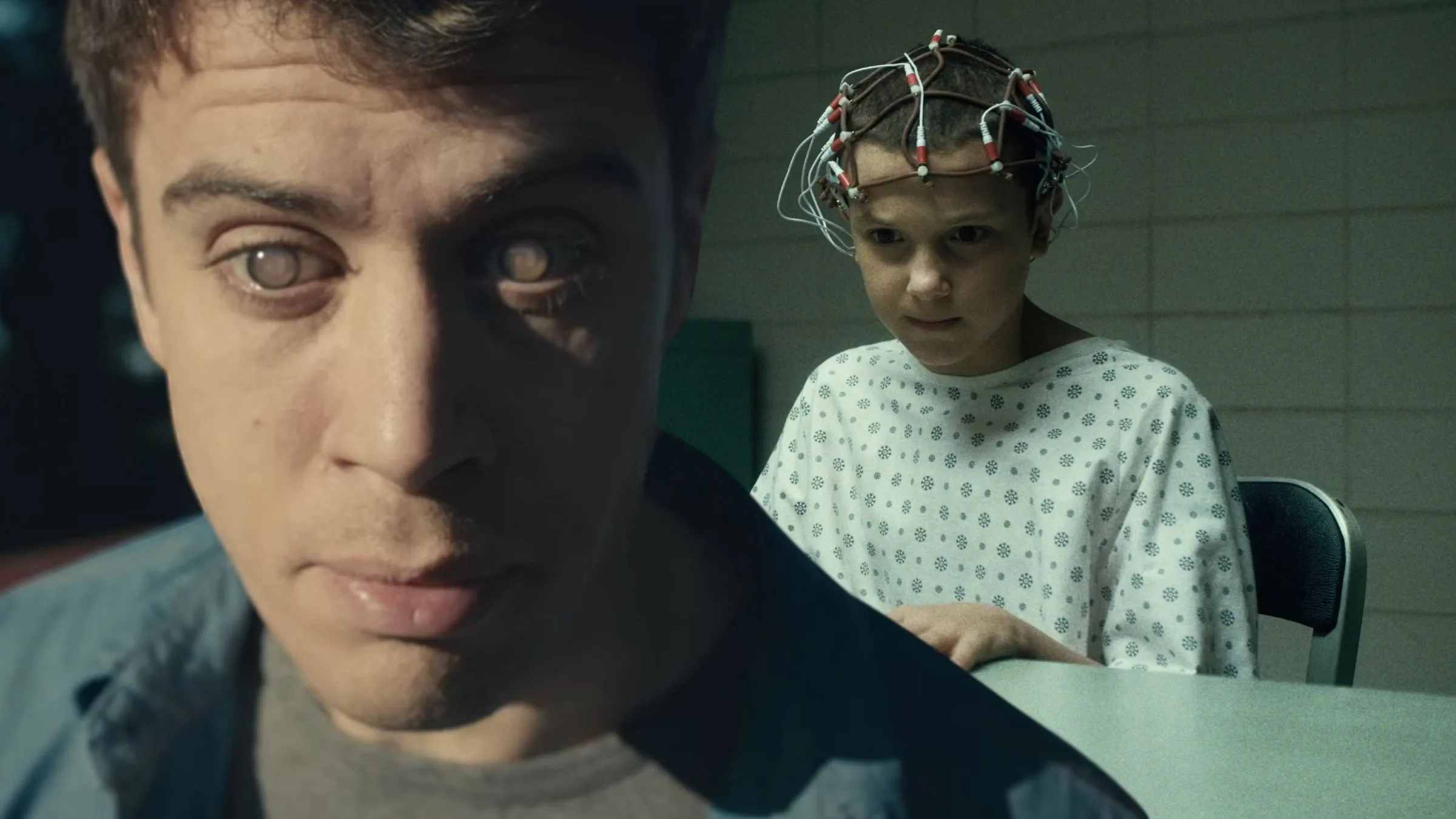
Science fiction has long been a staple of television. Shows like Rod Serling’s The Twilight Zone were groundbreaking and continue to influence media today. The 1960s also introduced iconic sci-fi series such as Star Trek and Doctor Who. In fact, each decade has brought its own unique vision of science fiction, constantly evolving the genre. As the 2020s continue, it remains to be seen how this decade will ultimately shape the future of sci-fi on TV.
The 2010s were a period of huge change for television, especially with the rise of streaming services creating their own shows. Many of the decade’s most popular science fiction series either began on these platforms or eventually moved there. Despite this shift, the decade showed that there was still plenty of room for new and exciting ideas in the genre, and audiences continued to embrace science fiction. While these five shows may not have always topped the ratings, they’ve had a lasting impact on the genre and its fans.
5) Westworld
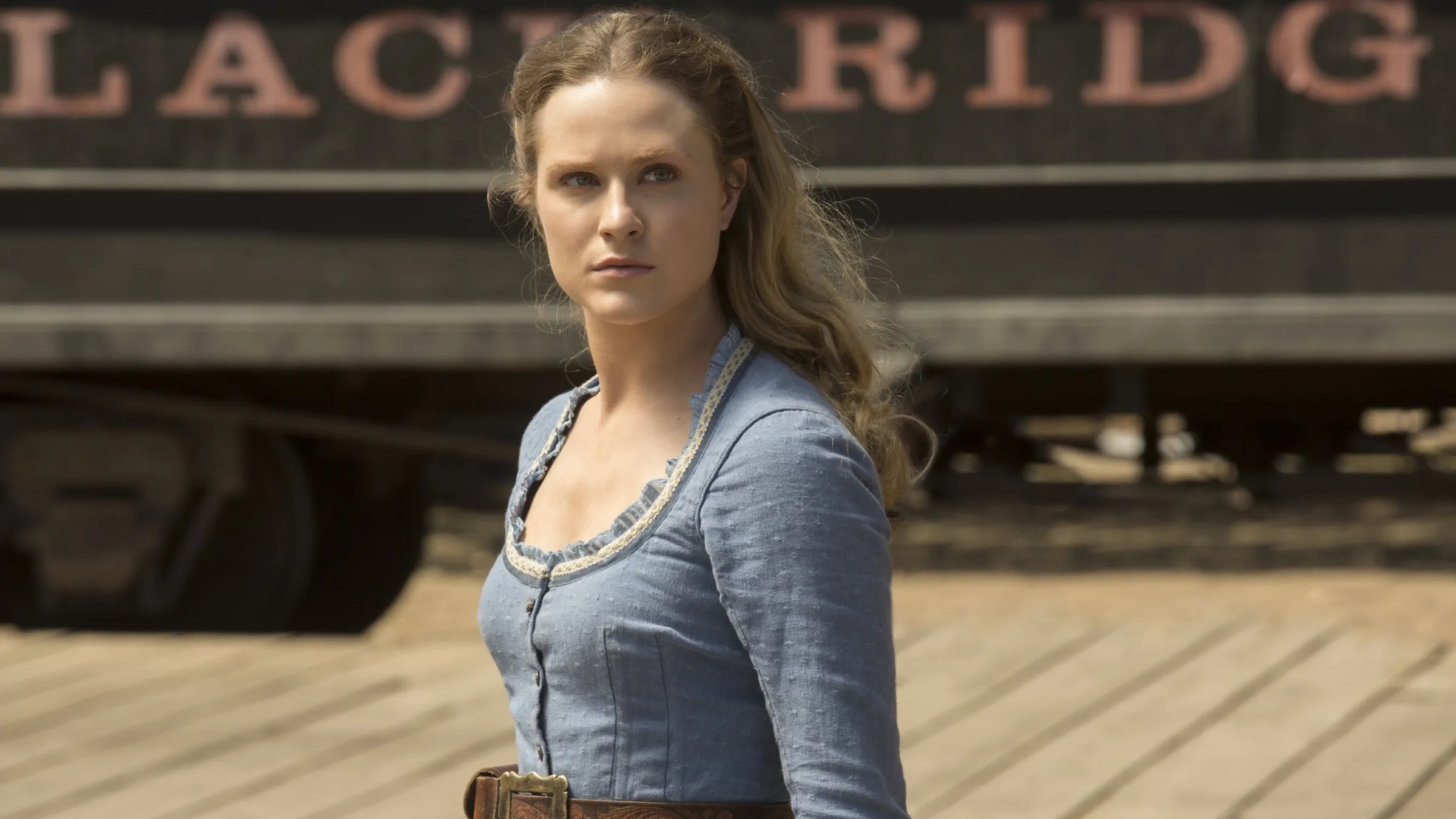
Total Number of Episodes: 36
When Westworld premiered, it showed everyone that HBO was capable of more than just Game of Thrones. It demonstrated the network’s ability to explore diverse genres and still create shows people looked forward to each week. It also proved that a classic, but somewhat overlooked, story could be successfully reimagined for a modern audience, thanks to the detailed storytelling possible with high-quality television.
4) The Flash
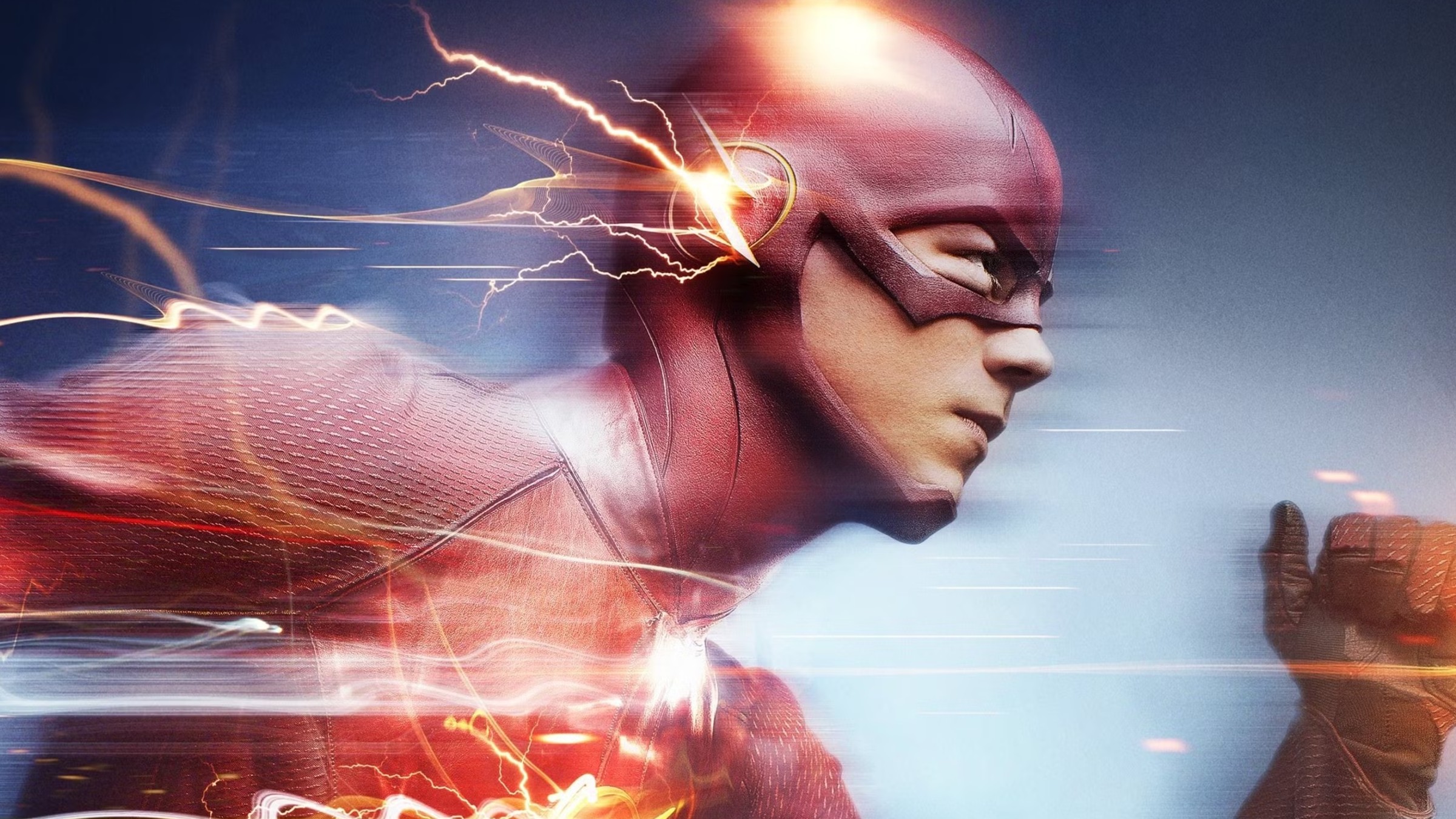
Total Number of Episodes: 184
By the 2010s, superhero movies were hugely popular worldwide, with the Marvel Cinematic Universe becoming a massive hit and the DC Extended Universe quickly following. It was natural for television to also explore this genre, and while Arrow launched The CW’s superhero lineup (and gave the universe its name), The Flash ultimately proved to be the more creative and successful show.
Over its nine seasons, The Flash successfully adapted numerous DC Comics characters – both heroes and villains – for television. It demonstrated that beloved comic book storylines could work effectively in live-action. The show’s science fiction elements and its willingness to reimagine those stories also paved the way for the broader narratives within the Arrowverse. The Flash* quickly introduced concepts like time travel and the multiverse, exploring them well before they became central themes in the Marvel Cinematic Universe.
3) Star Trek: Discovery
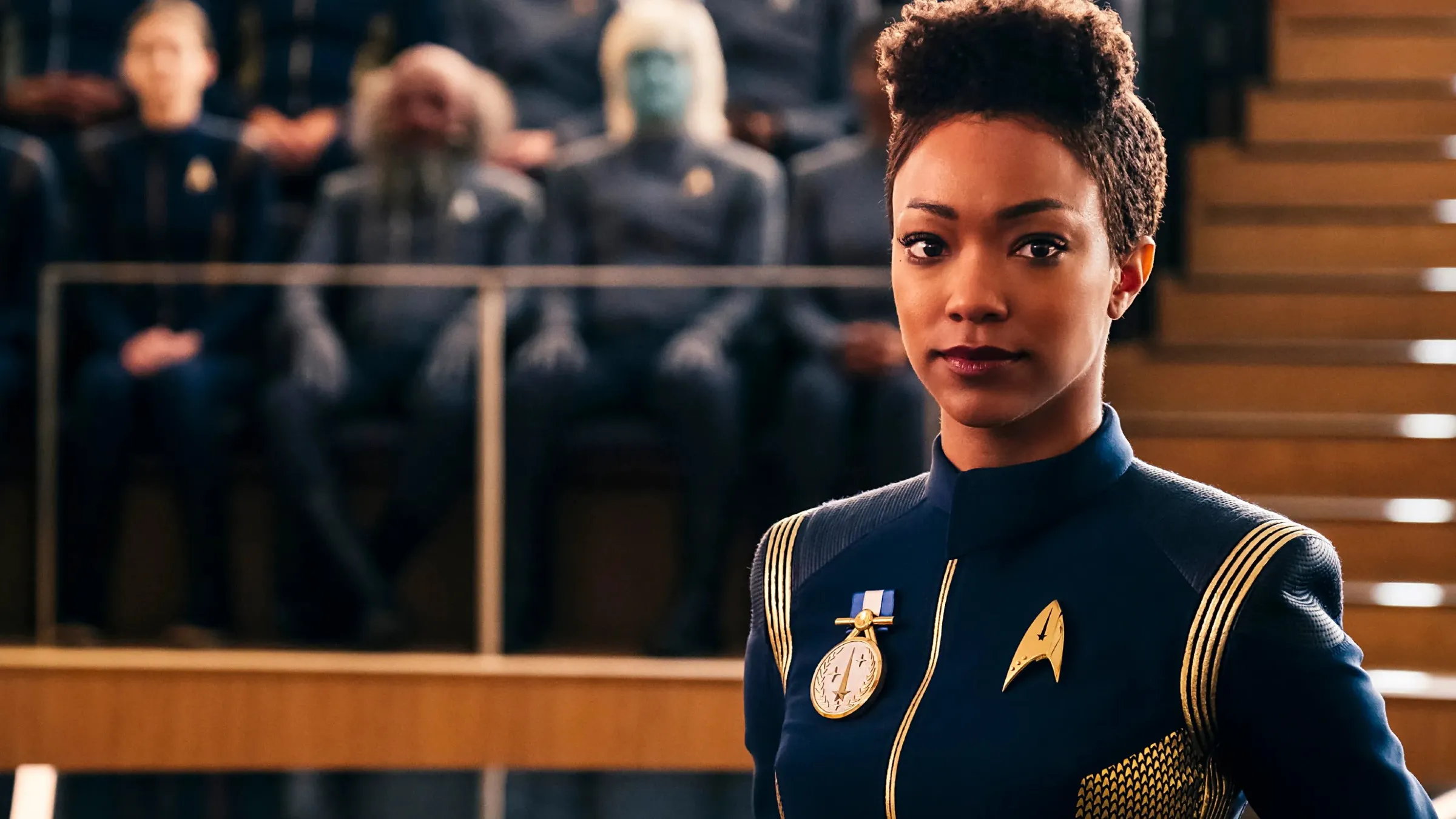
Total Number of Episodes: 65
When Star Trek: Discovery was announced in November 2015, it was intended to be the first Star Trek show in ten years. However, it was being created for CBS All Access, a new streaming service, rather than traditional TV. The show experienced significant behind-the-scenes challenges, including key personnel changes, which ultimately altered the direction of both Discovery and the entire Star Trek franchise.
Following Bryan Fuller’s departure, Alex Kurtzman took the lead creatively on the show, and its strong ratings secured its future. Kurtzman quickly became a prominent figure at Paramount, which disappointed many fans. He went on to executive produce all six Star Trek series that followed Discovery. Despite the recent cancellation of Star Trek: Starfleet Academy, Kurtzman remains involved in the franchise’s direction – a position largely due to the initial success of Discovery.
2) Black Mirror
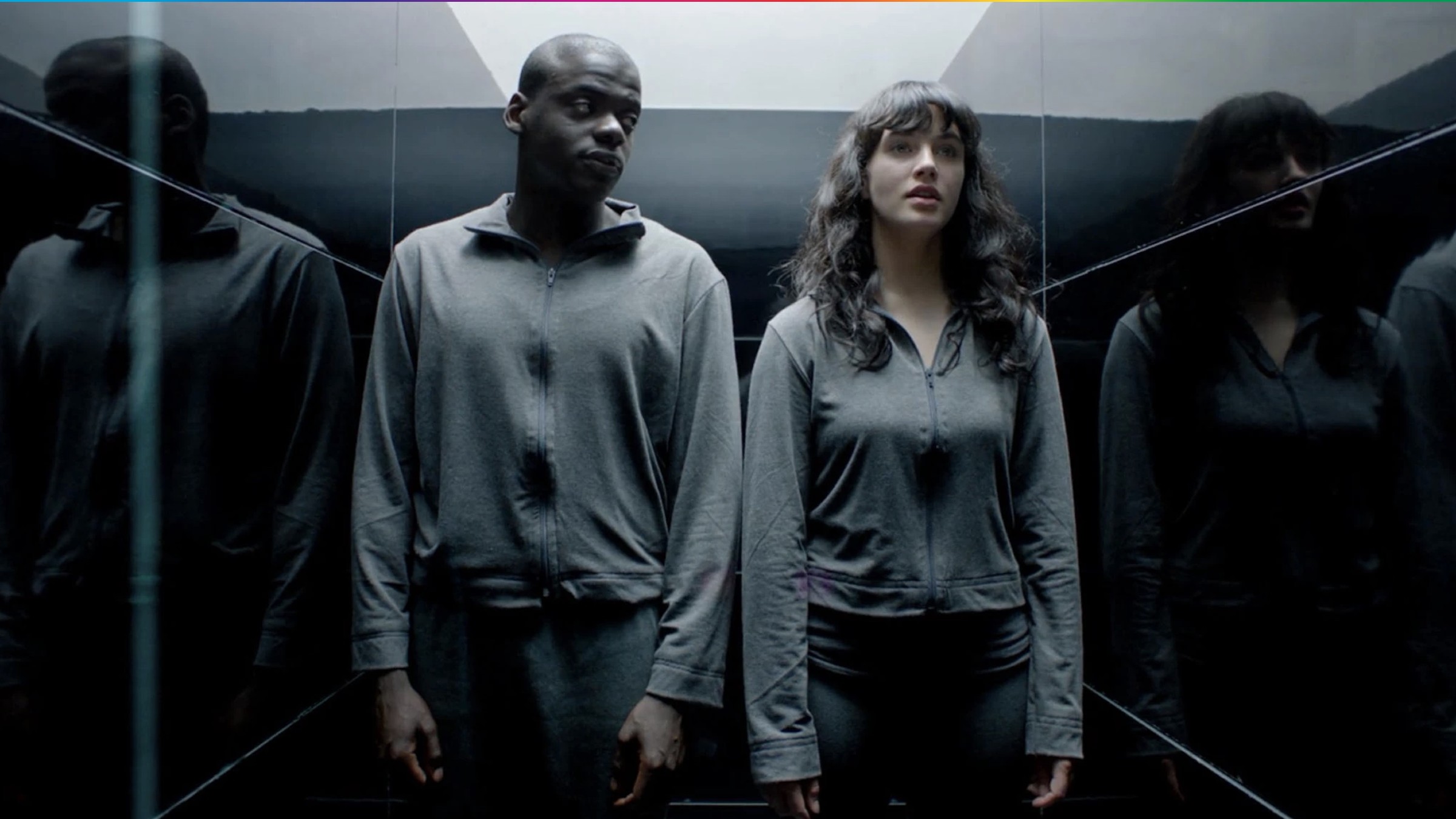
Total Number of Episodes: 33 (plus a movie)
When Black Mirror first aired on Channel 4 on December 4, 2011, it instantly grabbed attention with its shocking premiere episode, “The National Anthem.” This episode signaled the show’s willingness to tackle difficult topics and deliver unexpectedly impactful endings. The series quickly became incredibly popular and helped revive the anthology TV format, which hadn’t been widely seen in over ten years. Black Mirror‘s success even led to the return of The Twilight Zone after a sixteen-year hiatus. Importantly, Charlie Brooker’s series often accurately predicted how technology would develop and be misused, demonstrating that its cautionary tales weren’t always heeded.
1) Stranger Things
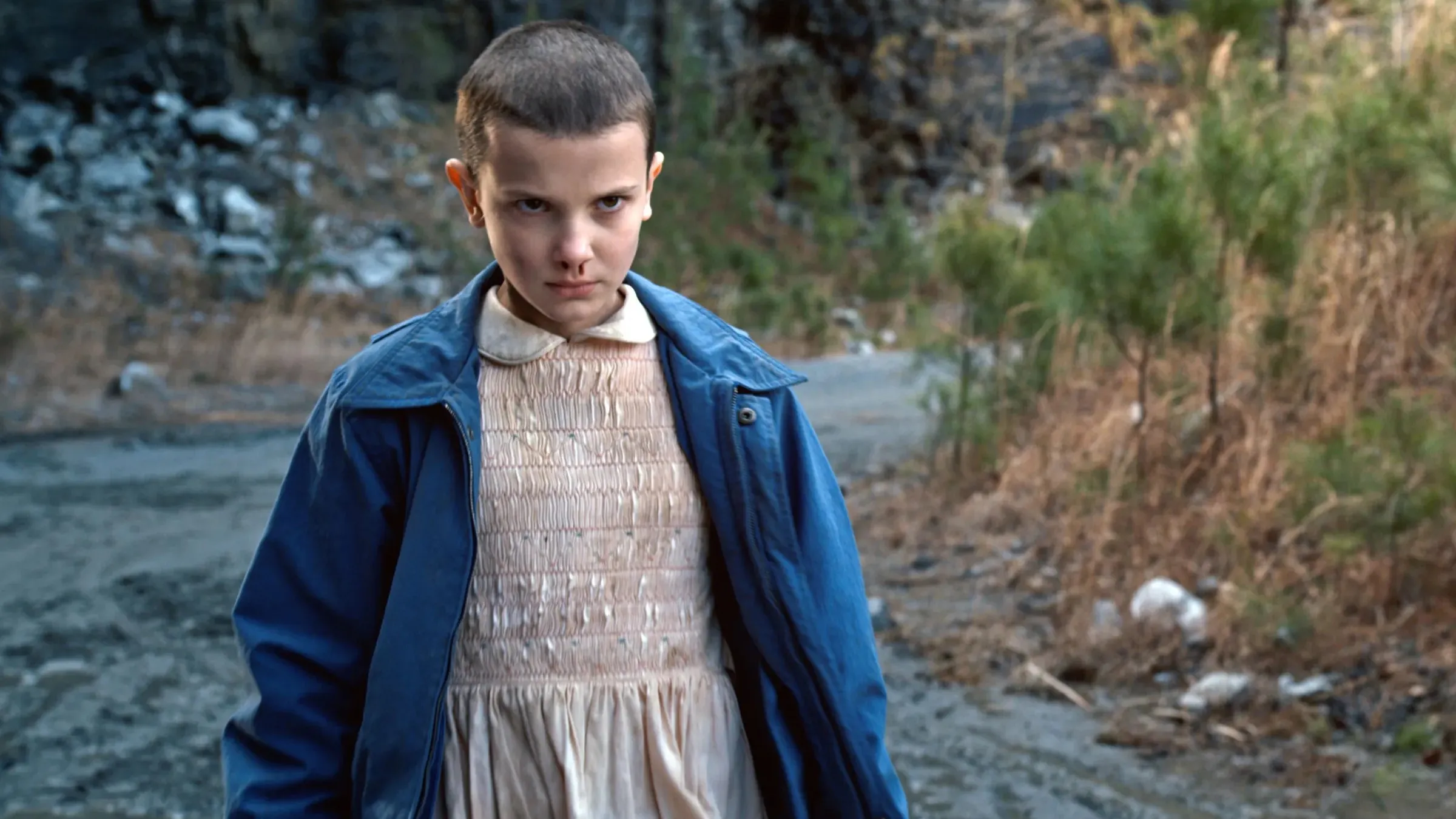
Total Number of Episodes: 42
Initially, some dismissed Stranger Things as simply a blend of Steven Spielberg and Stephen King’s styles. However, it quickly became a major cultural hit. The show’s success was key to defining the 2010s and established it as the decade’s most important sci-fi series. Importantly, Stranger Things gave Netflix its first major franchise – one that continues to expand with a cartoon spin-off, a Broadway play, and likely more projects to come.
Beyond its captivating story, Stranger Things really fueled the huge wave of 1980s nostalgia we’ve seen recently. The show premiered over twenty-five years after the decade ended, sparking memories of childhood for many viewers. This undoubtedly helped make the ’80s a central theme in today’s popular culture – from movies and TV shows set in that era, to the revival of vintage products, and even a career boost for actress Winona Ryder.
https://comicbook.com/movies/feature/comicbook-summer-2026-movies-tv-preview/embed/#
Read More
- Marvel Officially Confirms Deadpool’s Most Brutal Redesign
- Nintendo Switch 2 Reportedly Getting Remake of One of the Best PS3 and Xbox 360 Games
- The Boys Season 5, Episode 5 Ending Explained: Why Homelander Does THAT
- Crunchyroll Confirms New Isekai Anime Releases for 2026 and Beyond (With Major Returns)
- The Boys Season 5, Episode 2’s Soldier Boy Ending Twist Changes Everything for Homelander & Butcher
- Gold Rate Forecast
- Invincible Creators Offer Promising Update on Season 5 Release Date
- 9 Great Supernatural Characters Everyone Forgot About
- 5 Best Open-World Games You Can Beat In A Weekend
- Welcome to Demon School! Iruma-kun season 4 release schedule: When are new episodes on Crunchyroll?
2026-05-02 15:40