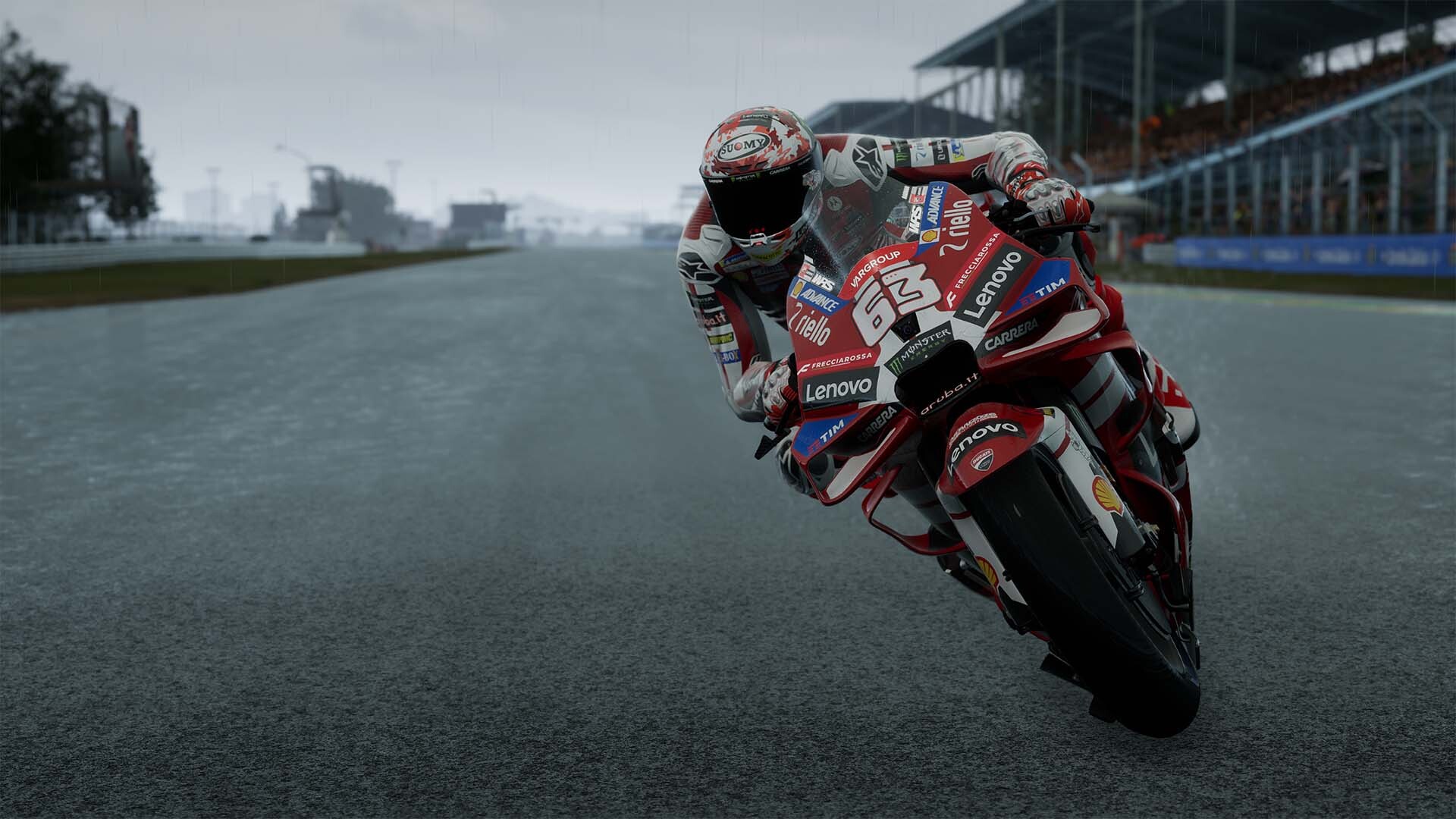
Now that MotoGP 26 is released, game director Matteo Pezzotti took the time to answer our questions. We discussed the game’s new physics engine, how rider ratings impact gameplay, and the improved differences between the Arcade and Pro modes in this latest installment of the racing series.
MotoGP 26 features a completely revamped physics engine. For players familiar with previous versions, how noticeably different will the riding experience be when going into and coming out of turns?
Older MotoGP games put you directly in control of the bike, with the rider reacting to your commands. MotoG 26 flips that around – you control the rider, and they steer the bike. This new approach makes the game easier to pick up, as you get more immediate and clear feedback from the bike. While it’ll be simpler to complete fast laps, the biggest benefit is being able to quickly identify and correct your errors, helping you improve your skills.
Milestone is focusing on improved rider control, more realistic body movement, and better weight shifting. Are these changes intended to make the game more realistic, easier to understand for players, or a combination of both?
We aimed for realism, but making the game more realistic doesn’t automatically mean it’s harder. The new riding system actually makes the bike easier to understand and control, which should make it more accessible for new players. That’s why we also included this control system in the arcade version.
Rider Ratings are new this year, and while they change how the AI behaves, do they also change how a rider actually handles and feels when you control them in the game?
We intentionally left out any features that would create a barrier between the player and the feeling of riding the bike. Instead, we focused on developing skills that accurately represent a rider’s style – things like how aggressively they ride, how consistently they perform, their speed during a race, and their ability to qualify. Because of this, we expect to see much more diverse and believable rider behavior on the track.
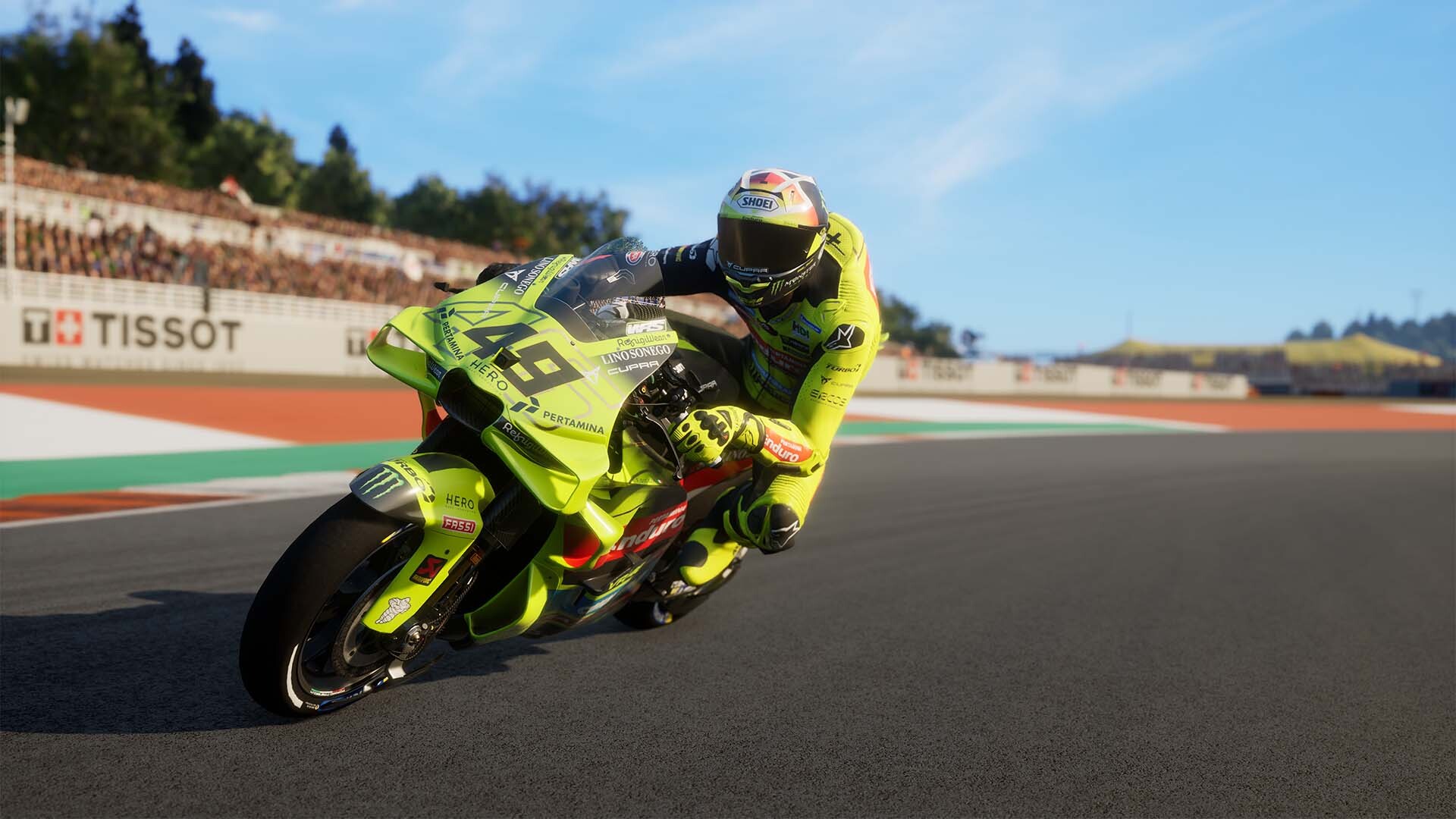
We enjoyed developing the skills that show how assertive, dependable, fast, and qualified the riders are.
How frequently will Rider Ratings be updated throughout the 2026 season, and how soon after real-life performance changes will those updates be visible in the game?
We plan to update rider skills about every two weeks, usually right after each Grand Prix, for the first few months. Early in the season, it’s hard to know exactly how skilled each rider is, but we expect things to settle down after a while, and these frequent updates won’t be needed. Plus, we’re adding a feature where riders will have favorite tracks, giving them an edge on those circuits – another way to make the game feel more real.
The new Arcade and Pro modes seem really important this year. Could you explain the key differences between them – specifically, how much help each mode offers, how realistic the physics are, and how difficult it is to master each one?
These two modes offer very different ways to play. Pro mode is for serious players who want a truly realistic experience and enjoy fine-tuning their bike and strategy over a full race weekend. Arcade mode, on the other hand, is designed for quick and easy fun. It’s perfect if you don’t have a lot of time, but still want to be competitive. In Arcade mode, the bike is easier to control, the brakes are stronger, and crashes don’t penalize you as much.
The redesigned paddock area, press events, and the Rider’s Market all point to a greater focus on letting players really experience the life of a MotoGP rider. With MotoGP 26, how crucial was it to move beyond simply simulating race days and create a more immersive career experience?
We set out to create a truly authentic MotoGP experience. We’ve included all the things MotoGP fans regularly see on TV – like new tracks, interviews, and team meetings – and put players right in the middle of that world. Every detail, from the environments and characters to the camera angles, was carefully designed to match the look and feel of a real MotoGP broadcast.
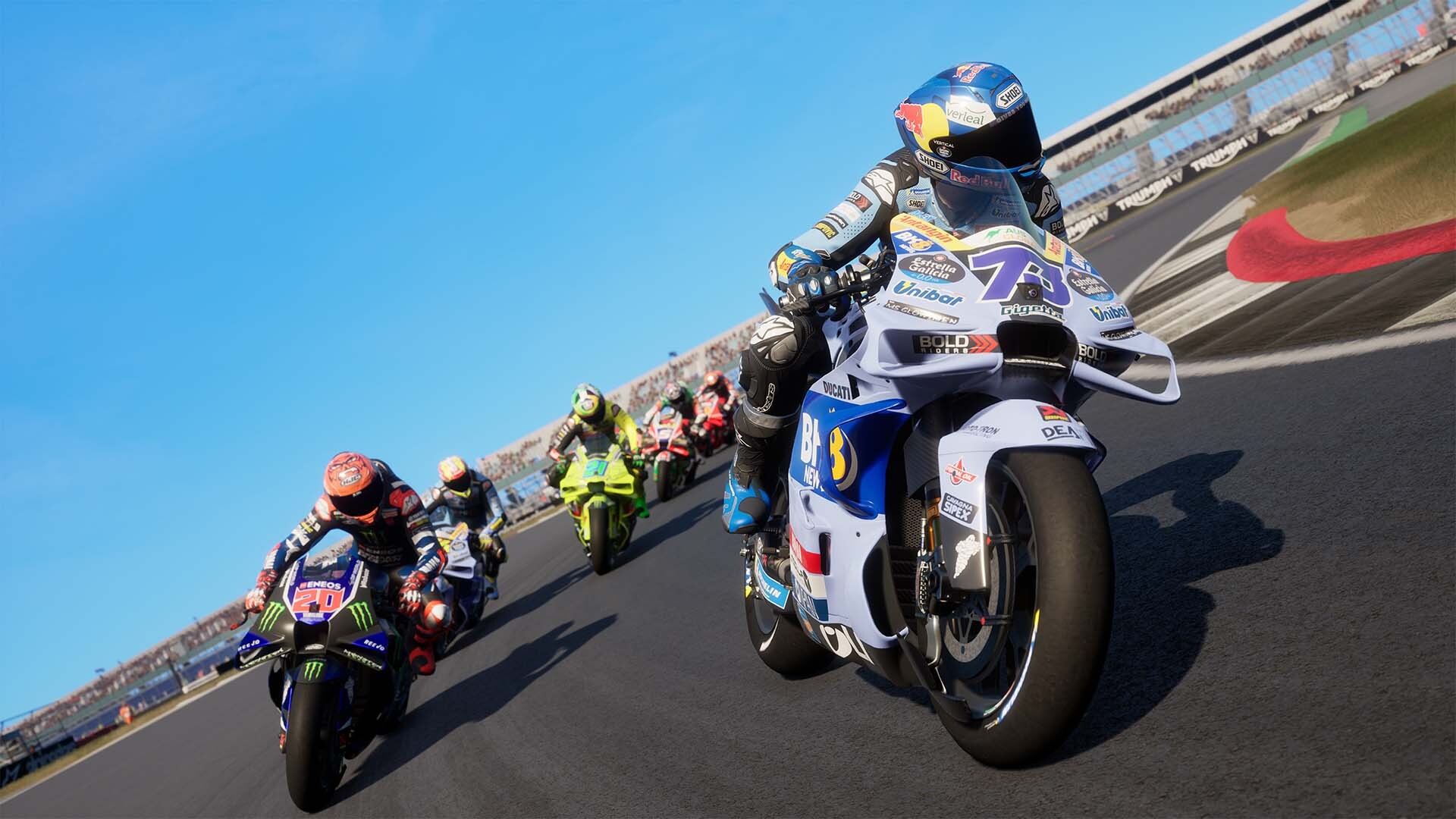
Pro mode is for our most passionate players who want a truly realistic racing experience. It lets you fully immerse yourself in every part of a race weekend, allowing you to fine-tune both your bike and your approach to the track.
Features like Production Bikes and the Canterbury Park track appear to be adding more diversity to the game. How do these new elements contribute to the game’s overall feel and style?
We used standard production motorcycles because riders actually train with them between races – they aren’t allowed to ride MotoGP bikes outside of official events. When designing Canterbury Park, we imagined a group of motorcycle fans buying an old warehouse and turning the area into a fun space for riders. Basically, we pay attention to detail in every aspect of the game, even the side modes.
As a huge racing game fan, I’m really seeing how important it is to be able to play with other people, not just against them. So, I’m curious – beyond just regular online races, are the developers thinking about adding ways for us to build real communities? Things like official leagues, clubs we can join, or even the ability to host our own private competitions would be amazing!
I’m not able to share specific details just yet, but I can say we’ve been working to make the online experience better. We’ve increased the player capacity in online lobbies to 22, which is something our community has requested for a while. This will allow players to simulate complete MotoGP races.
Now that cross-play is happening on most platforms, why isn’t it available on Nintendo Switch or the upcoming Switch 2? What technical or design challenges made it difficult to include those systems?
The decision wasn’t due to technical issues; it was a deliberate design choice. The Switch controllers don’t have analog triggers, so we adjusted the game’s physics to work with less precise control over things like braking and acceleration. To keep online competition fair and balanced, we decided players on Switch shouldn’t compete against those on other platforms given these differences.
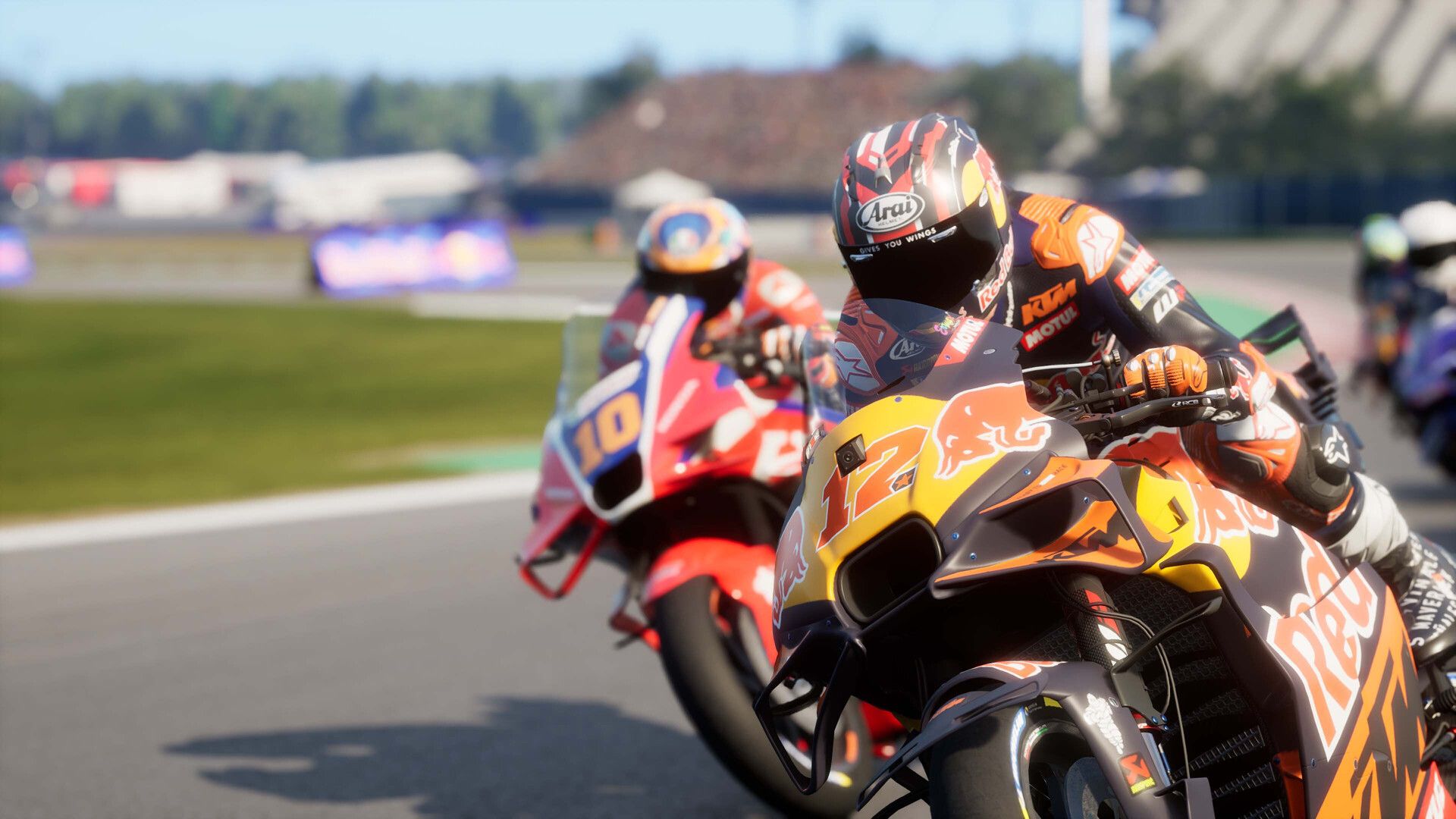
Because the Nintendo Switch controllers don’t have analog triggers, we had to adjust the game’s physics to work with less accurate control over actions like braking and accelerating.
Recent detailed analysis explores how the game performs differently on Nintendo Switch compared to PlayStation 5 and Xbox Series X/S. Specifically, it looks at how the Switch 2 version stacks up in terms of realism, available features, and visual quality.
Switch 2 offers the same features as other platforms, aside from the online functionality we’ve already covered. Gameplay runs smoothly at 30 frames per second, and all official riders are included, even in lower-level races where up to 28 players can compete. We did have to simplify some of the environmental details compared to other consoles, but the game still looks great, especially when played in handheld mode.
Now that you’ve launched with live Rider Ratings, what are your plans for the future? Will players see ongoing improvements to gameplay, new events, or regular seasonal content updates?
We’ve got some exciting events and activities in the works to help fans connect more deeply with MotoGP. Our most passionate followers might have an idea of what’s coming, but we’ll share details soon!
If someone hasn’t played MotoGP 26 in a while, what’s the most significant change they’d notice right away when they start playing?
I think MotoGP 26 is the best version of the game we’ve made so far, with a truly comprehensive career mode. It combines training, interviews, contract negotiations, diverse environments, and realistic cutscenes into one immersive experience, all focused on the player’s journey to become a world champion.
Read More
- Marvel Officially Confirms Deadpool’s Most Brutal Redesign
- Welcome to Demon School! Iruma-kun season 4 release schedule: When are new episodes on Crunchyroll?
- The Boys Season 5, Episode 5 Ending Explained: Why Homelander Does THAT
- After 11 Years, Black Clover Officially Ends With Final Release (& Crowns a New Wizard King)
- Apex soundtrack: Every song featured in the Netflix thriller
- Frieren: Beyond Journey’s End Gets a New Release After Season 2 Finale
- Gemma Arterton spy thriller Secret Service based on hit novel gets release date confirmed on ITV
- See King Charles & Queen Camilla’s Royal Looks for State Dinner
- ‘You Can Play Your Purchased Games As Usual’: Sony Breaks Silence on PS5, PS4 Game Expiry DRM
- Invincible Creators Offer Promising Update on Season 5 Release Date
2026-05-04 18:24