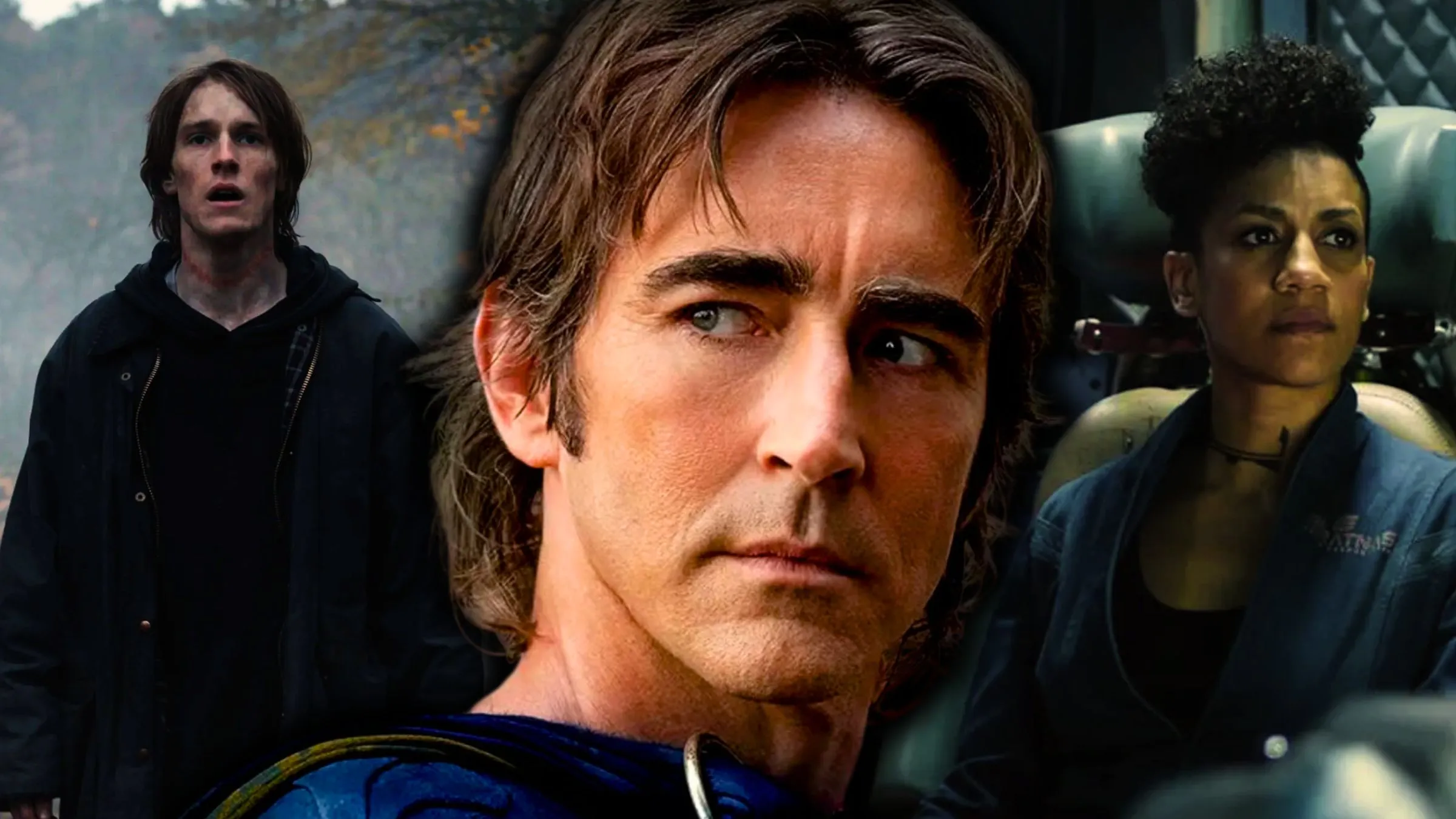
Science fiction often allows for more complex stories than other genres, and some TV shows really take advantage of that. These shows aren’t always straightforward – they might make you rethink what you thought you understood, present information in a confusing way, introduce unexpected characters, or build worlds that are incredibly detailed and hard to follow. Whether they involve time travel, alternate realities, or complicated galactic conflicts, these series challenge you to pay close attention and piece things together like a detective.
These shows aren’t confusing because they’re badly made. Actually, they’re often difficult to follow initially because they’re cleverly written, filled with subtle clues, hidden links, and plot points that only become clear upon a second viewing. Here are 5 of the most complex sci-fi series that really benefit from – and almost require – a rewatch to fully understand and appreciate everything they offer.
5) Dark Matter
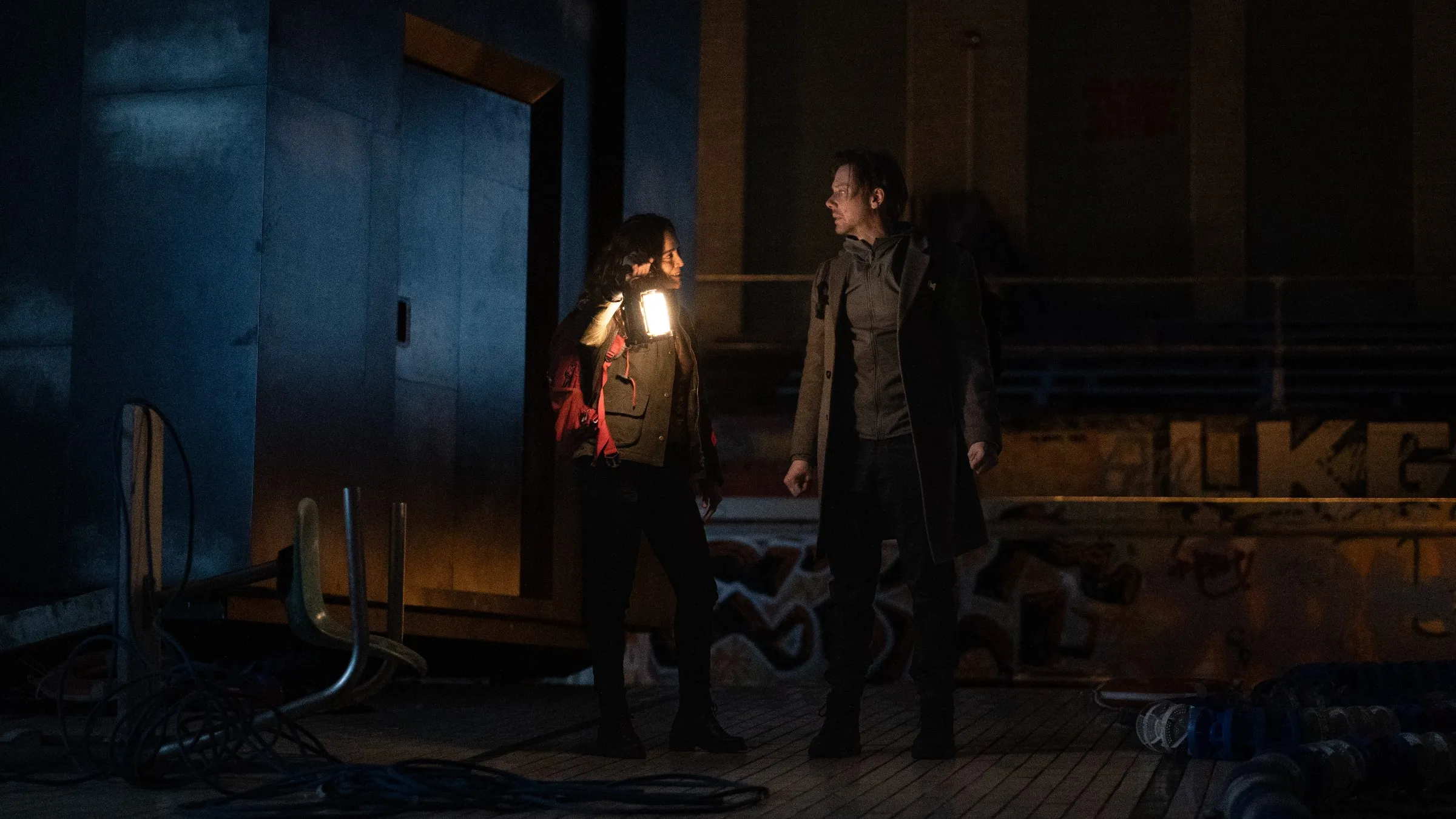
Okay, let me tell you about Dark Matter. It’s one of those shows that doesn’t get the buzz it deserves, especially since we’re only heading into season two. On the surface, it seems like your typical multiverse thriller – a guy, Jason Dessen (played brilliantly by Joel Edgerton), gets abducted and finds himself in a world where he made different life choices. He’s basically living a completely different life. The story follows his desperate attempt to navigate these alternate realities and get back to his family. But here’s the thing that really grabbed me: it’s not just a Jason Dessen, it’s countless versions of him. And each one is shaped by the paths they’ve taken, their own regrets, and the repercussions of their choices. It’s a surprisingly complex and emotionally resonant idea.
That’s where Dark Matter really gets captivating – it focuses on how even slight changes can dramatically alter someone’s personality. Often, the show doesn’t explicitly tell you which version of a character you’re seeing, making you pay close attention to their voice, movements, and subtle cues. It also explores complex ideas from quantum physics, like superposition, particularly through the use of ‘The Box’ and the concept that every decision creates a new possible reality.
4) The Expanse

Fans love The Expanse, and many are hoping it will return to television. While it’s highly regarded, the show can be challenging to follow, particularly in its first season. This isn’t due to a complicated plot structure, but rather the sheer amount of detail and world-building. The story is set in a future where humans have colonized the solar system, creating divisions between Earth, Mars, and the asteroid belt. The series begins with a disappearance that quickly escalates into a conspiracy with the potential to throw the fragile political balance between these powers into chaos. It may sound straightforward, but the show throws a lot of information at viewers right away.
The Expanse is a complex show that doesn’t hold your hand. It immediately immerses you in a complicated world with lots of characters, groups, and specialized language, which can be overwhelming at first. It takes time to grasp the relationships between everyone and understand the bigger picture. The show features detailed discussions about politics and power, with each group pursuing its own goals, and every choice having lasting effects. It’s a fantastic series, but you really need to focus to appreciate it – if you’re distracted, you’ll miss a lot of what makes it so good.
3) Counterpart

I honestly think Counterpart is one of the most overlooked shows ever, maybe because it didn’t last very long, or just because it wasn’t a mainstream hit. It starts off seeming like a typical spy thriller – you’ve got Howard Silk, played by J.K. Simmons, who’s just a regular office worker. But then he finds out his agency is communicating with a nearly identical parallel world! The core idea is that everyone has a double in this other reality, which sounds simple enough. But trust me, the way the show unfolds is anything but simple. It’s a bit of a puzzle, and it took me a while to get used to how it jumps around and connects everything – but once it clicks, it’s brilliant.
One of the trickiest parts of the show is following both versions of the main characters, as they have distinct goals and very different lives. The show doesn’t explicitly tell you which character you’re seeing, so you have to pay close attention to their mannerisms and how they talk. It’s also a complex story full of political schemes, deception, and changing loyalties. The first time you watch, you’re mainly trying to understand the plot and keep track of everyone’s actions. But on a second viewing, you start to notice the subtle clues—like hints of betrayal and hidden motives—that were there all along.
2) Foundation

Foundation is a complex and ambitious series, and it doesn’t shy away from being challenging. The story centers on Hari Seldon, a mathematician who foresees the collapse of the Galactic Empire and develops a plan to save humanity’s collective knowledge. However, the narrative quickly becomes sprawling, jumping across decades and planets, and involving multiple generations of cloned rulers, as well as various religious and political struggles. Because the story follows an entire civilization’s downfall rather than a single protagonist, it can be difficult to fully grasp in one sitting.
The story’s complexity arises from its vast historical scope, spanning millennia and involving numerous clans, traditions, kingdoms, and empires battling to preserve knowledge across different planets, all fueled by ever-changing political agendas. The narrative jumps across decades, introduces and drops characters, and initially presents seemingly unrelated storylines that eventually converge. Foundation is designed to be thought-provoking, and rewatching isn’t just helpful—it’s almost necessary, as there are too many details and connections to grasp in a single viewing.
1) Dark
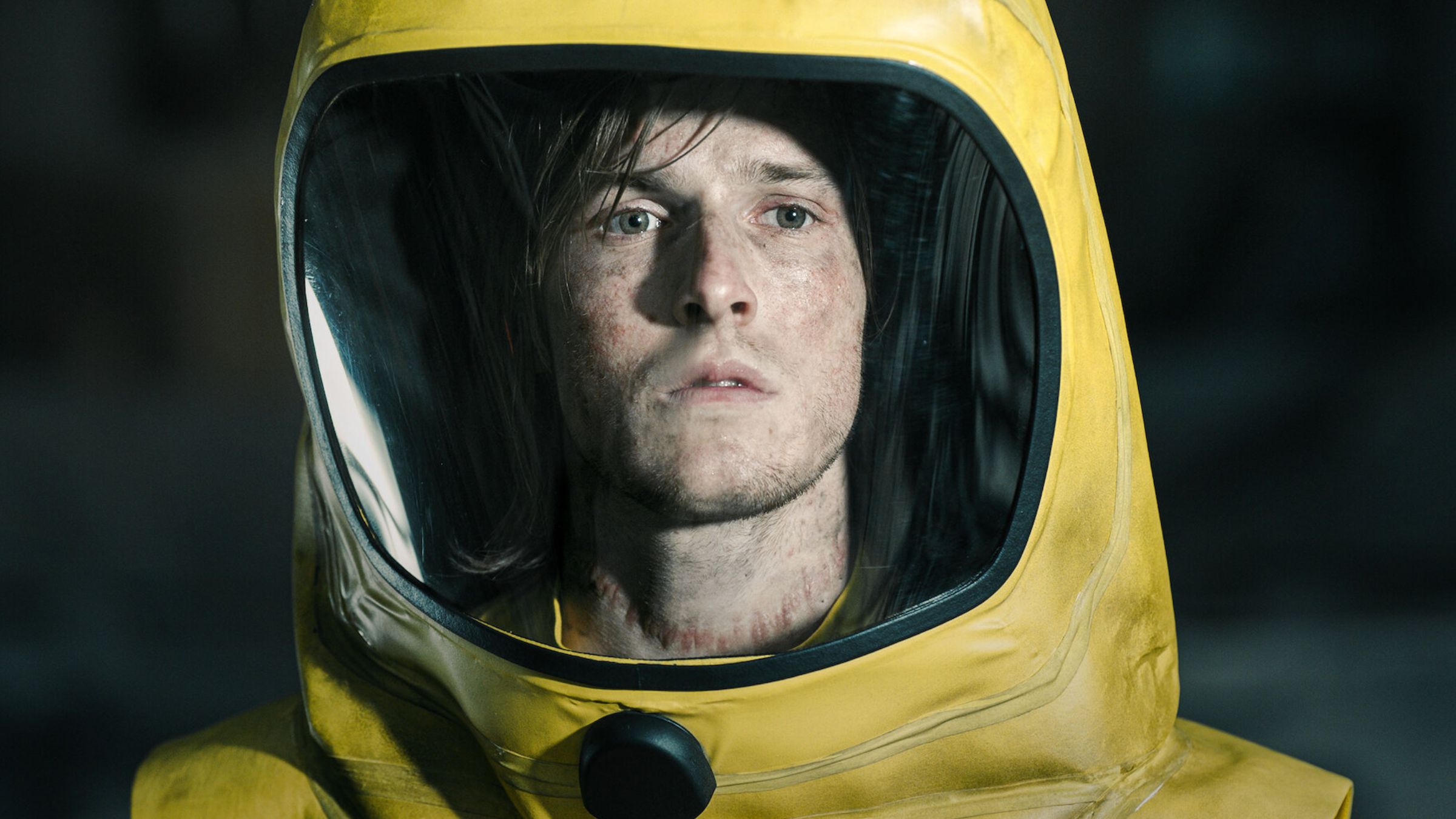
When Dark was released, it immediately captivated audiences and remains a high point in science fiction television. The show is famously complex, so much so that it had an official website dedicated to helping viewers keep track of its intricate timelines and characters. The story begins with a missing boy in a small German town, but quickly expands into a much larger mystery involving time travel, interwoven family histories, and generational connections. It’s not just that the timeline is broken – characters actually encounter their past and future selves.
Few shows are as intricate as this one. It’s incredibly complex, requiring close attention to detail to avoid getting lost in its own rules. The story jumps between different timelines and ages, allowing characters to interact with their past and future selves, creating impossible relationships and a deliberately chaotic narrative. Throw in plenty of unexpected twists, and you’ve got a truly mind-bending experience. Watching Dark, you might need to take notes—or even a second (or third!) viewing—just to keep everything straight.
What do you think? Leave a comment below and join the conversation now in the ComicBook Forum!
https://comicbook.com/tv-shows/list/10-most-rewatchable-sci-fi-series-of-the-21st-century/embed/#
Read More
- After 11 Years, Black Clover Officially Ends With Final Release (& Crowns a New Wizard King)
- Welcome to Demon School! Iruma-kun season 4 release schedule: When are new episodes on Crunchyroll?
- Gemma Arterton spy thriller Secret Service based on hit novel gets release date confirmed on ITV
- The Boys Season 5, Episode 2’s Soldier Boy Ending Twist Changes Everything for Homelander & Butcher
- ‘You Can Play Your Purchased Games As Usual’: Sony Breaks Silence on PS5, PS4 Game Expiry DRM
- The Boys Season 5, Episode 5 Ending Explained: Why Homelander Does THAT
- Blue Ivy Carter, 14, Makes Met Gala Debut as One of Youngest Guests
- ‘The Bride!’ Review: Jessie Buckley Breathes Life into a Monstrous Mess
- 10 DC Comics That Perfectly Redefined Iconic Characters
- Apex soundtrack: Every song featured in the Netflix thriller
2026-05-05 20:12