
As a total movie buff, I think it’s completely fair to call Steven Spielberg a genius. But what I really love is how he doesn’t just make movies, he takes you on a real journey – that special kind of escape only film can deliver. He’s such a skilled director that even when he adapts a book or revisits a classic, he somehow makes it even better. And that’s especially true with his most iconic film – it completely reimagined what was already a masterpiece from one of the biggest authors of the moment.
By 1990, Michael Crichton was enjoying a remarkable period of success. While he’d first gained attention with The Andromeda Strain in 1969 and had some earlier hits, the 1980s saw him publish three hugely popular science fiction/horror novels—Congo (1980), Sphere (1987), and Jurassic Park (1990). All three were later turned into successful movies during the 1990s.
Michael Crichton often wrote science fiction with horror elements, but when his books were made into movies, Hollywood tended to tone down the darker aspects. This was especially true with Jurassic Park, where the film version was significantly altered, including a new ending that changed the book’s core message.
Jurassic Park‘s Original Ending Had Much Bigger Consequences
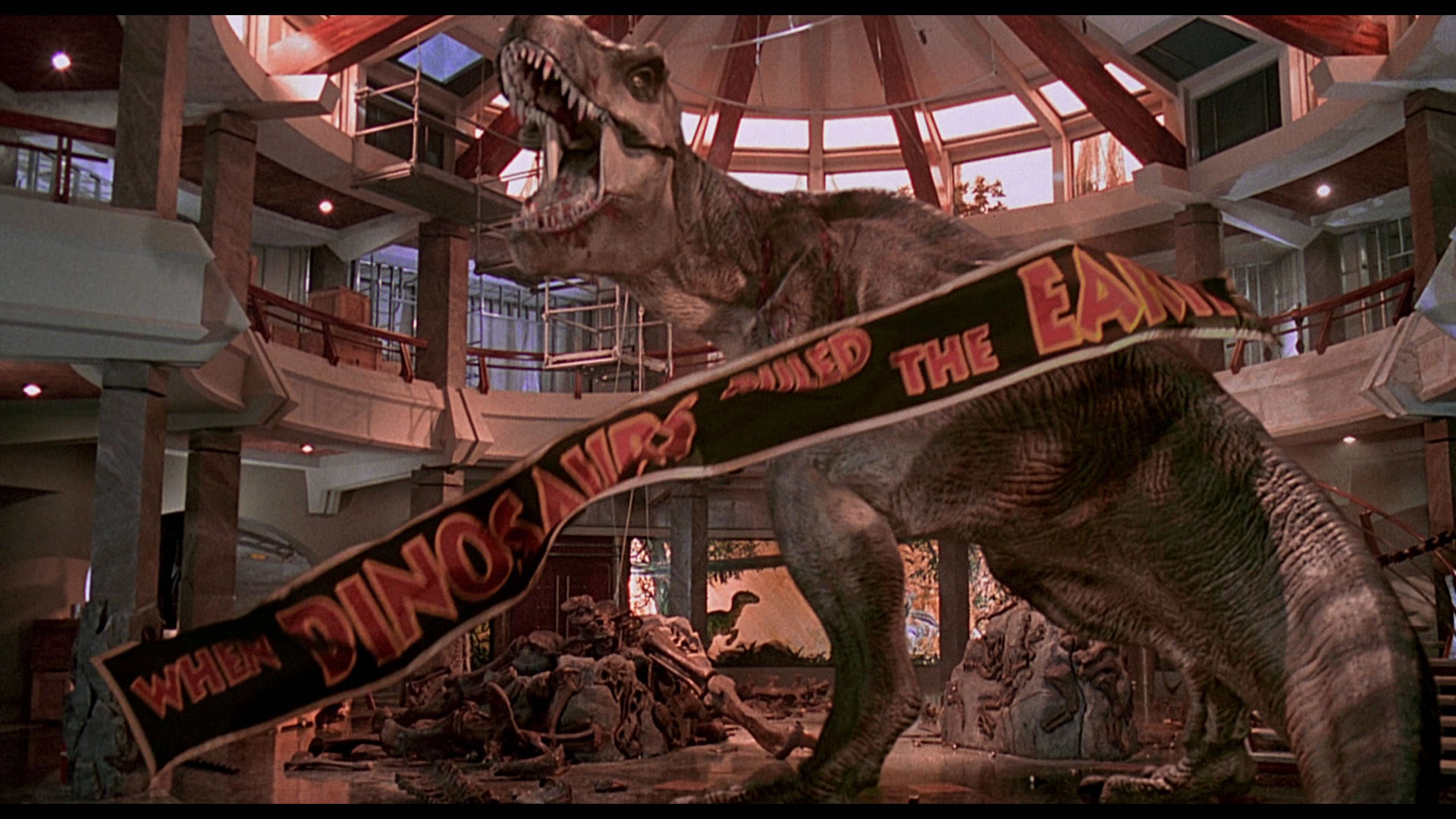
Michael Crichton’s Jurassic Park offers a very different experience than the Spielberg movie. The novel explores the complex relationships between science, business, and entertainment, focusing on the arrogance of John Hammond and his attempt to control evolution. It’s much more of a horror-thriller, featuring more deaths and graphic descriptions compared to the film.
The most significant difference between the book and the movie is how the story ends. Director Steven Spielberg often focuses on families – whether broken or newly formed – uniting during difficult times. So, it fits his style that the film Jurassic Park concludes with Dr. Alan Grant becoming a father figure to Lex and Tim, and with both Grant and Dr. Ellie Sattler acting as parents to the children.
In Crichton’s novel, Tim and Lex manage to escape a raptor attack in Jurassic Park’s kitchen and reunite with Dr. Grant, using a young raptor to distract the predators. However, the story quickly becomes more intense as Grant and his team venture into the raptor breeding facility and are forced to kill the remaining dinosaurs, including those attempting to escape to the mainland. After being evacuated, the island is completely sealed off with napalm strikes, eliminating both the dinosaurs and any proof of their existence. Those who escape aren’t celebrated; instead, they’re held for weeks in Costa Rica while authorities investigate. The novel ends on a chilling note: Grant learns of reported raptor sightings, hinting that some dinosaurs escaped Isla Nublar and suggesting that, due to Hammond’s actions, dinosaurs were destined to once again dominate the planet.
The Original Jurassic Park Killed More Main Characters to Make Its Point
One key difference between Steven Spielberg’s film Jurassic Park and Michael Crichton’s novel lies in how the character of John Hammond is portrayed. In the movie, Hammond survives the disaster and seems to learn a lesson from his mistakes and excessive pride. However, the film doesn’t show him facing any real consequences for his actions or the resulting deaths.
In Crichton’s novel, Hammond, the CEO of InGen, ultimately faces the consequences of his actions. After the disaster at Jurassic Park, as the dinosaurs are being dealt with and the island is recovered, he’s left wandering in a daze, wondering what InGen will do next. He then falls down a hill and is fatally attacked by a group of small dinosaurs, the Procompsognathus. Crichton intended this to be a stark warning about the dangers of corporate greed and the arrogance of trying to control nature – a message that Spielberg’s film adaptation doesn’t convey.
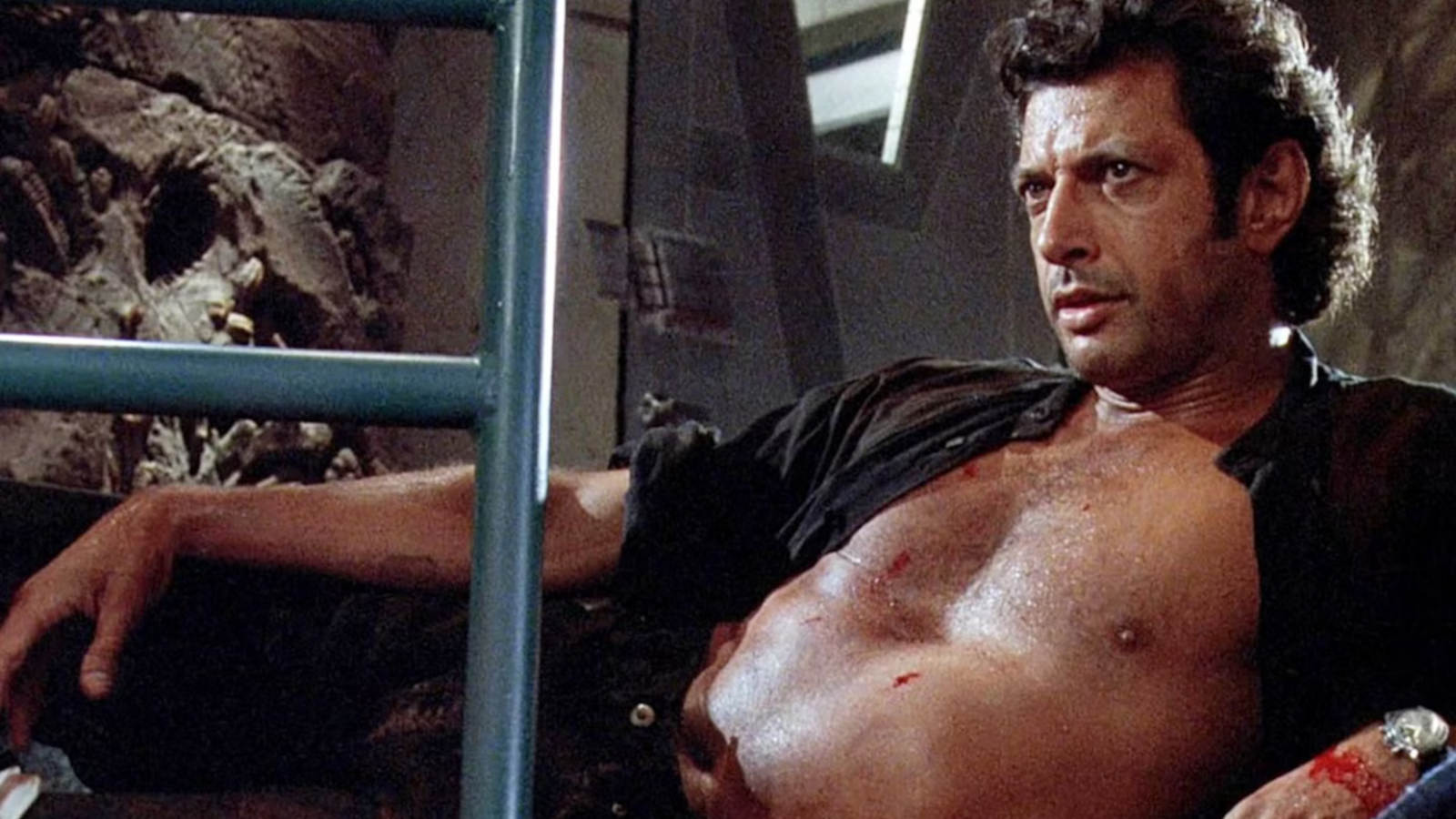
In contrast, Crichton shockingly killed off Ian Malcolm, the mathematician and chaos theorist, following the injuries he sustained during the T-Rex chase. However, eliminating Jeff Goldblum’s popular character wouldn’t have resonated as well with audiences. The differences between Crichton’s vision and Spielberg’s become clear when looking at Donald Gennaro. In the book, Gennaro is a hero who lives, but the film rewrites his story, essentially giving him the role of Ed Regis, the head of public relations for InGen. This change—avoiding a potentially unflattering portrayal of a PR professional—is a prime example of Hollywood taking significant liberties when adapting a book for the screen.
Ultimately, Spielberg’s film, which focused on the idea of chosen family and playfully criticized large entertainment companies like Disney, became a huge hit and remains popular today. While many films that followed, including some of the Jurassic Park/World sequels, leaned into a more intense, scary approach, that hasn’t resonated as strongly with audiences. It’s important to remember what made the original Jurassic Park special before later installments changed its direction.
Watch the Jurassic Park movies on Peacock! Share your thoughts on remaking classic science fiction films with other fans on the ComicBook Forum.
Read More
- PS5’s Latest Firmware Update Rolling Out Now, Here’s What It Does
- Gavin & Stacey favourite’s BBC gameshow finally gets its future revealed following first run
- Supergirl Officially Just Teased the DCU’s Deadliest Superman Weapon
- ‘One of the Best Showcases I’ve Seen’: 70% of PS5 Fans Loved State of Play
- Final Fantasy 7 Remake Part 3 Reportedly Appearing at Summer Game Fest, per Insider
- The Legend of Vox Machina Is Officially Repeating the Best Part of Its Spinoff (& Is Better for It)
- Fan-Favorite Adult Swim Animated Series’s Spiritual Successor is Hitting Netflix
- LEGO Batman: Legacy of the Dark Knight Nintendo Switch 2 release date and pre-orders
- YouTuber Sentenced After Faking Livestream as Alibi to Kill Girlfriend
- Demon Slayer Fans Just Got Disappointing Update on Infinity Castle Part 2
2026-06-05 01:10