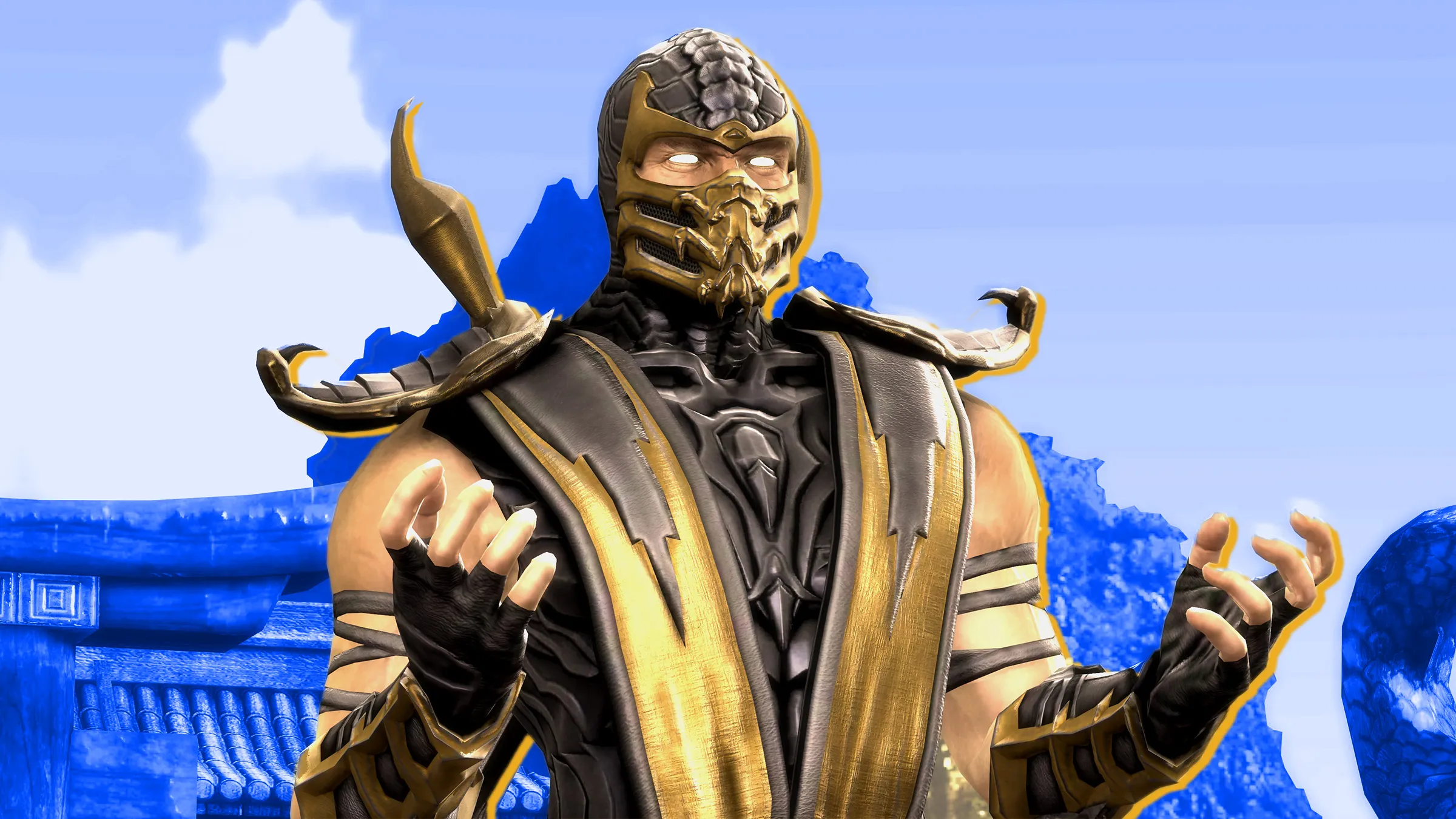
The latest installment, Mortal Kombat 1, didn’t quite revitalize the series as hoped. Though it aimed for a fresh start with a new timeline, it didn’t resonate enough with players to become the foundation for future games. The developers, NetherRealm Studios, moved on from it relatively quickly, and the player base followed. However, this isn’t the first time the Mortal Kombat series has faced challenges. Around fifteen years ago, when the original developer, Midway, went bankrupt and Mortal Kombat vs. DC Universe was poorly received, the franchise was at a similar turning point. The 2011 game, Mortal Kombat 9, proved crucial to the series’ comeback, and NetherRealm should look to it for guidance now.
Many fans loved Mortal Kombat 9 for a variety of reasons. A big part of its appeal was its character roster, which primarily featured familiar faces from previous Mortal Kombat games. While later installments like Mortal Kombat X, Mortal Kombat 11, and Mortal Kombat 1 introduced more new characters, MK9 mostly stuck to its roots, with only one original character (Cyber Sub-Zero) in the main game, and potentially two if you include the Skarlet downloadable content. Focusing on popular, established characters was a smart way to attract players – and it clearly worked – but the game’s appeal went beyond just nostalgia.
Mortal Kombat 9 Innovated Yet Stuck to the Basics
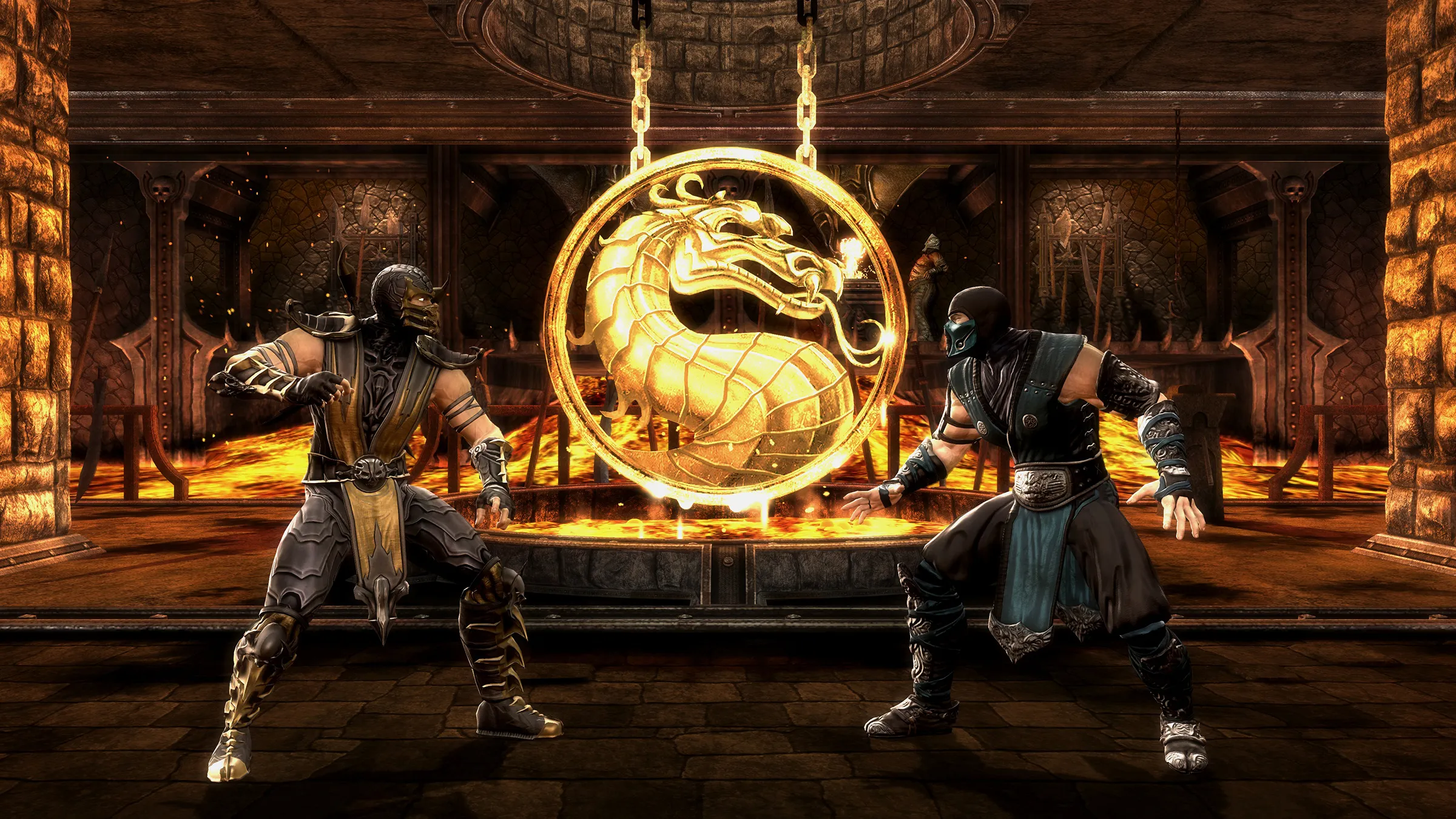
The returning characters also showed that Mortal Kombat was simplifying things and returning to its core principles. The game avoided unnecessary features and didn’t try to include characters from other franchises or a huge, sprawling cast. Instead, the developers went back to the original 2D fighting style that defined the series’ best years. Previous games had become overly complex with too many characters, weapons, and fighting styles, but MK9 focused on classic, head-to-head 2D battles.
This game marked a return to basics, prioritizing how players express themselves within a classic fighting game structure. While MK9 had balance issues with some characters being too strong or having difficult matchups, it offered clear, strategic gameplay. The variation systems in MKX and MK11 – especially in MKX – were good concepts that sometimes get unfairly criticized. However, the concern that these systems fragmented characters’ move lists was valid at times. It’s simply easier to ensure every fighter is well-rounded when their abilities aren’t divided between different versions of the character.
The next Mortal Kombat game could learn from the experience of MK1. The Kameo system, which received a lot of unfair criticism, didn’t quite fit—it wasn’t a traditional Mortal Kombat game, but it also wasn’t as chaotic as a team-based fighter. Simply returning to standard one-on-one combat might be the best approach. While NetherRealm realized during the game’s limited run that giving players more options is a good thing, this improvement didn’t change most people’s overall opinion, as it came too late in the game’s life cycle.
A fresh game focused on simple, direct fighting – like classic head-to-head battles – could recapture the success of Mortal Kombat 9. It seems players are tired of overly complicated mechanics, and while always trying to please fans is unrealistic, this feedback is worth considering, especially since the series could benefit from a revitalization.
The Next Mortal Kombat Should Take Cues from MK9
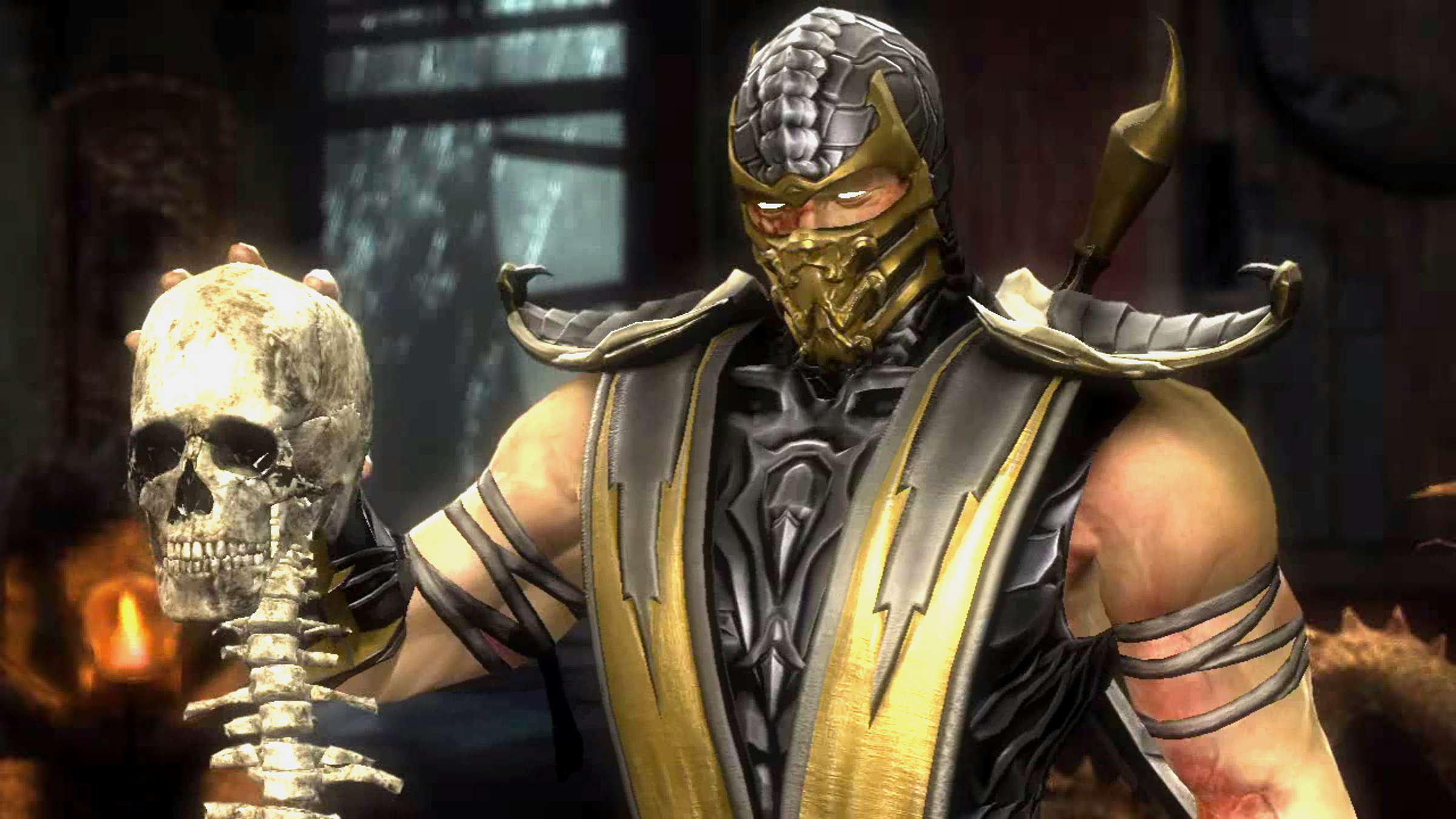
With MK9, NetherRealm Studios didn’t just appeal to existing fans; they significantly improved the game’s storytelling. While they started experimenting with cinematic narratives in MKvsDCU, MK9 delivered the first truly excellent story campaign in the Mortal Kombat series, setting a new standard for fighting games. Its well-paced story proved that these games could offer more than just basic arcade modes, and its high production values were impressive. The addition of a lengthy challenge tower showed NetherRealm’s intention to attract new, more casual players – a focus that wasn’t common in the genre at the time.
The problem with the recent Mortal Kombat game isn’t necessarily the story mode itself—the series has continued to deliver those. It’s the lack of innovation that’s concerning. NetherRealm, the game’s developer, needs to focus on creating new and exciting features to regain its leading position. The game felt rushed, and it showed. Missing features, a poorly executed Invasions mode, no cross-platform play at launch, and a general lack of originality all contributed to a disappointing release and the feeling that NetherRealm was relying too much on past successes instead of pushing the genre forward. While Warner Bros. may not have given the team enough time for innovation, that doesn’t fully excuse the studio’s shortcomings.
The next Mortal Kombat game needs to be a huge success, both to repair the damage done to the series’ reputation by the last installment and to set it on a strong path for the future. While it’s been 15 years, the 2011 Mortal Kombat shows how the series can regain fans’ trust. Mortal Kombat has overcome challenges before, and with the right strategy, it can do so again.
What do you think? Leave a comment below and join the conversation now in the ComicBook Forum!
https://comicbook.com/gaming/feature/2xko-succeeds-where-mortal-kombat-1-faltered/embed/#
Read More
- FRONT MISSION 3: Remake coming to PS5, Xbox Series, PS4, Xbox One, and PC on January 30, 2026
- Best Controller Settings for ARC Raiders
- Welcome to Demon School! Iruma-kun season 4 release schedule: When are new episodes on Crunchyroll?
- Taylor Sheridan’s Gritty 5-Part Crime Show Reveals New Final Season Villain
- From season 4 release schedule: When is episode 2 out on MGM+?
- Mark Zuckerberg & Wife Priscilla Chan Make Surprise Debut at Met Gala
- The Boys Season 5 Officially Ends An Era For Jensen Ackles’ Soldier Boy
- ‘The Bride!’ Review: Jessie Buckley Breathes Life into a Monstrous Mess
- Invincible Season 4 Episode 4 Post-Credits Unveils a Demonic Return & More
- Meet the cast of Good Omens season 3: All the actors and characters
2026-04-24 22:10