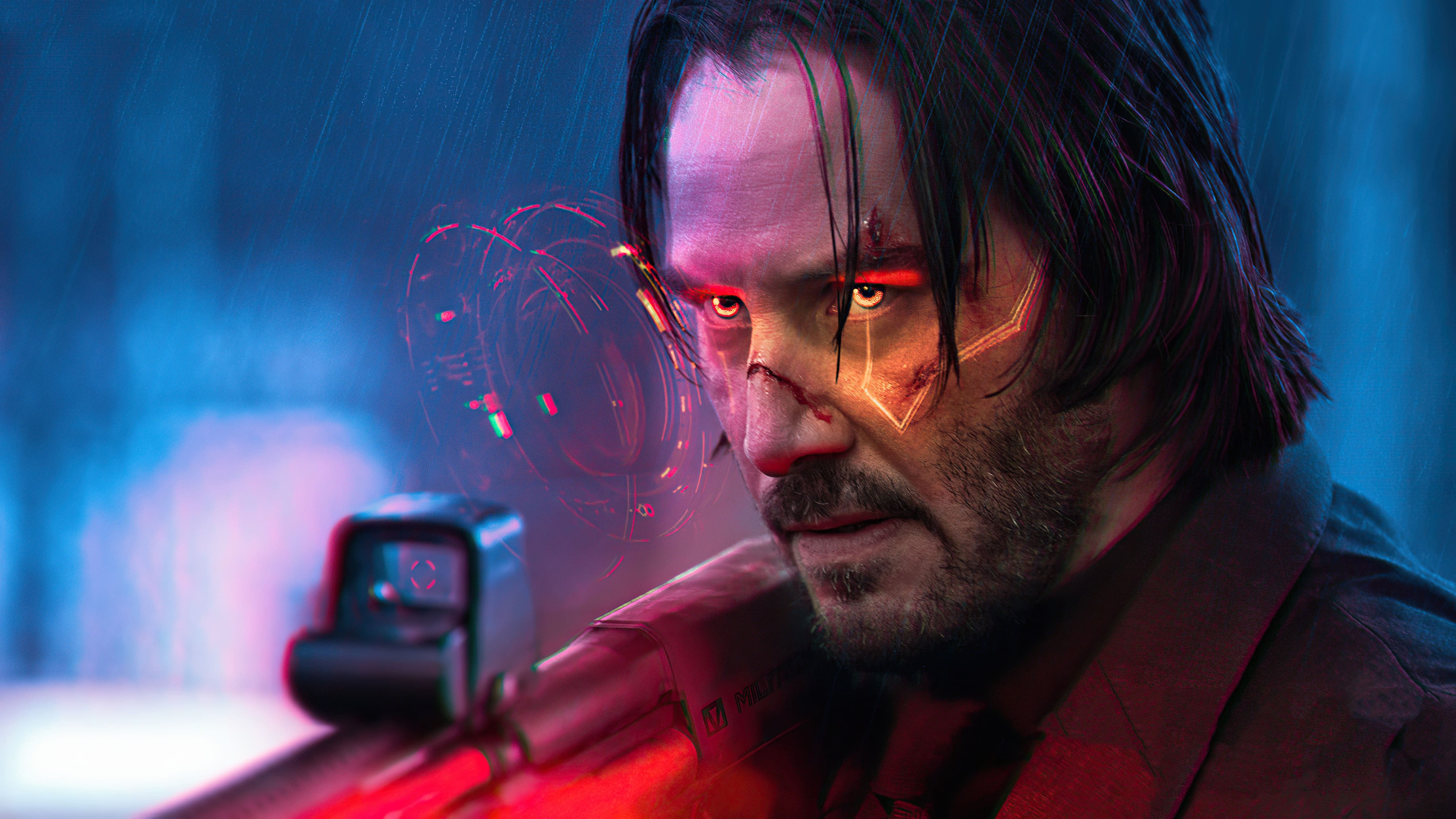
I’ve been a cyberpunk fan for ages, and it’s awesome to see the genre finally get the mainstream recognition it deserves! While CD Projekt RED’s game really blew things up in 2020, cyberpunk’s been around in gaming for over thirty years. I remember the early days, with developers creating these gritty, futuristic worlds full of mega-cities, shady corporations, and people messing with body modifications – all using really basic graphics back then! For me, what really makes a great cyberpunk game isn’t just the cool visuals or the music, it’s that feeling of being powerful technology colliding with how fragile we humans actually are.
Cyberpunk games have consistently pushed boundaries, from action-packed adventures where you can hack into futuristic worlds, to smaller, more personal stories about identity and the past. These ten games showcase the very best the genre has to offer, excluding Cyberpunk 2077, and represent over three decades of innovation.
Flashback Was a Cyberpunk Blockbuster Built on Rotoscoped Animation
Released in 1992, Flashback by Delphine Software immersed players in a dark, futuristic city filled with corporate spying, stolen identities, and aliens who could change their form. The game follows Conrad Hart, an amnesiac secret agent who finds himself on a world controlled by aliens. Inspired by films like Blade Runner – where appearances are deceiving – Flashback combined puzzle-platformer gameplay with a thrilling sci-fi conspiracy. Players explored cities overrun by aliens, competed in a dangerous game show called Death Tower, and gradually revealed a hidden extraterrestrial threat that could disguise itself.
What really set Flashback apart was its incredible animation. Each movement was created by tracing over real-life footage, resulting in a smooth, movie-like feel that no other game on the Sega Genesis or Amiga could replicate. The beautifully detailed, hand-drawn backgrounds made the game world feel truly perilous – every action, like jumping or shooting, felt impactful. Flashback became the best-selling French video game ever, even earning a Guinness World Record, and it continues to inspire the action-packed platformers we see today.
Blade Runner Randomized Its Replicants and Made Every Playthrough Unique
The 1997 point-and-click adventure game Blade Runner, created by Westwood Studios, is a hidden gem. Instead of retelling the famous Ridley Scott film, the game presents a new story happening at the same time. Players take on the role of Ray McCoy, a new Blade Runner who starts investigating the deaths of animals, which quickly unravels a much bigger plot involving replicants. The game was technically impressive for its time, using voxel-based 3D graphics to create a detailed and realistic, rain-soaked, neon-lit Los Angeles that felt truly alive.
One of the smartest things about the game was its random character assignments. At the beginning of each game, the system secretly decided which characters were human and which were replicants, so you couldn’t just use information from previous playthroughs. This, along with thirteen different endings and a system for testing if characters were human (like the Voight-Kampff test in the film), turned the movie’s main question – “how can you tell what’s real?” – into a core part of the gameplay. The game did well when it first came out, but it became difficult to find for many years because of licensing problems that prevented it from being re-released digitally, meaning it’s only now playable on modern computers after over twenty years.
System Shock 2 Merged Survival Horror and Cyberpunk RPG Into Something Unmatched
Released in 1999, System Shock 2 offers a dark, gritty take on cyberpunk, but instead of taking place in a futuristic city, it unfolds on a starship controlled by a dangerous AI. This ship has been infested by a parasitic alien lifeform known as the Many. The game focuses on classic cyberpunk themes – players enhance themselves with cybernetics, hack into computers, and maintain their equipment – all while facing off against SHODAN, a villain widely considered one of the best in video game history.
Ken Levine, originally a screenwriter who couldn’t break into Hollywood, switched careers when he saw an opening at Looking Glass Studios. He then co-founded Irrational Games, and their first game was System Shock 2. Levine believed effective horror came from four key elements: making players feel isolated and helpless, using immersive sound, and employing clever lighting.
The game blended fast-paced first-person shooting with role-playing elements, a focus on limited resources, hacking, and a story revealed through the environment. The narrative unfolded through scattered audio logs, a storytelling method the creator, Ken Levine, perfected in his later game, BioShock, and which many other games like Dead Space would go on to use. Despite this innovative approach, it only sold around 60,000 copies in its first year.
Deus Ex Gave Players More Freedom Than Any Cyberpunk Game Before or Since
Warren Spector’s Deus Ex (2000) remains the gold standard for cyberpunk games. Players take on the role of JC Denton, a UN agent with nano-augmentations, navigating a future filled with conspiracies. The game masterfully blends numerous paranoid ideas – from the Illuminati and Area 51 to artificial intelligence and global pandemics – into a compelling story. Deus Ex presents a world where every conspiracy theory is real, and the real question isn’t if the system is broken, but just how badly.
The original Deus Ex was groundbreaking because it gave players real freedom in how they tackled challenges. Each mission offered multiple paths – you could fight, sneak, hack, or talk your way through. Obstacles weren’t just about finding a single solution; you could pick locks, blast doors, or find hidden routes. Characters reacted to your actions, making the world feel dynamic. Warren Spector, the game’s creator, focused on presenting problems to solve, rather than simple puzzles. He considered the game a success if players discussed their unique approaches to overcoming the same obstacles. It was highly acclaimed, winning over thirty Game of the Year awards.
Oni Was Bungie’s Anime-Inspired Cyberpunk Brawler
Before creating the Halo series, Bungie—specifically its Bungie West team—released Oni in 2001. This third-person action game drew heavily from the anime classics Ghost in the Shell and Akira. Set in a dystopian 2032, Oni takes place in a polluted world where the government covers up environmental disaster with false information. Players control Konoko, a law enforcement agent who uncovers a disturbing truth: her own body has been secretly altered. The game’s cyberpunk style is strongly influenced by Japanese aesthetics, portraying powerful institutions as the villains and technology as a means of oppression.
The game uniquely combined close-quarters fighting with shooting, making it feel more like a fast-paced brawl than a traditional shooter. Limited ammo encouraged players to use their fists and weapons creatively, and a robust combo system encouraged them to try out different moves.
Bungie West was a new and relatively inexperienced team. When Microsoft bought Bungie in 2000, their main priority quickly became creating Halo: Combat Evolved. While Oni was released in January 2001, it received mixed reactions, didn’t sell particularly well, and was quickly forgotten thanks to the massive success of Halo. Oni was a promising, though imperfect, cyberpunk action game created by a studio on the verge of revolutionizing the gaming world.
Mirror’s Edge Let Players Run Through a Dystopia Instead of Shooting Through One
DICE’s Mirror’s Edge (2008) created a unique first-person experience centered around parkour. The game takes place in a stark, futuristic city that feels unsettlingly clean and controlled. Players take on the role of a “runner” delivering sensitive information across rooftops, as some clients prefer not to use digital communication. What made Mirror’s Edge stand out was its focus on movement, not shooting. It largely avoided traditional game elements like weapons, heads-up displays, and mini-maps, instead emphasizing the feeling of speed and momentum. Successfully chaining together wall-runs, slides, vaults, and jumps created a thrilling sense of flow that remains unmatched in gaming.
The cyberpunk world of Mirror’s Edge feels different from most games in the genre. Instead of a gritty, chaotic dystopia, the city is strikingly clean and heavily monitored, to the point where all traces of messiness – and freedom – have been removed. Simply running through this environment becomes a form of rebellion. The game’s unique visual style, characterized by bright whites and bold colors, is still remembered as one of the most memorable in gaming. Despite not selling many copies, critics generally praised it.
Remember Me Introduced a Memory Remixing Mechanic That Played with Your Mind
Released in 2013, Remember Me was the first game created by French studio Dontnod. It’s set in a futuristic Paris in 2084, where people can record, share, and even sell their memories thanks to a brain implant called the Sensen. A powerful corporation, Memorize, controls this technology, creating a disturbing and extreme version of social media. You play as Nilin, a ‘memory hunter’ who’s had her own memories erased and now works with an underground group called the Errorists. The game’s central idea is clever: in a world where memories are valuable, the most powerful tool isn’t force, but the ability to change what someone believes is true.
The game Remember Me featured a unique concept: players could go inside a character’s memories and change them, essentially altering that person’s perspective by tweaking past events. This was a truly original idea for its time, but unfortunately, it wasn’t explored much further. The developers, Dontnod Entertainment, later created Life is Strange, but they never revisited the world or character of Remember Me. The game’s most important contribution was demonstrating that cyberpunk stories don’t always need to focus on technology and hacking machines; they can also be about manipulating people and their memories.
Detroit: Become Human Made Android Civil Rights Into a Blockbuster
Quantic Dream’s Detroit: Become Human (2018) is set in a futuristic Detroit where incredibly realistic androids are treated as a lower class, providing affordable labor for everyday tasks, businesses, and even the police. The game tells the stories of three androids: Connor, a detective investigating other androids that have begun to develop emotions; Kara, a housekeeper trying to protect a child from abuse; and Markus, who sparks a growing revolution for android rights.
The show’s message about civil rights is very direct, not subtle. It shows androids being segregated – forced to sit at the back of buses, confined to specific areas, and simply thrown away when replaced with newer versions. However, the show is beautifully made and visually impressive, and
David Cage, known for his distinctive style at Quantic Dream, has always aimed to create games that feel like interactive movies. His games give players choices that significantly change the story, and he even shows how many different paths and scenes are possible with detailed charts. With over nine million copies sold, it’s clear there’s a large audience for immersive, story-focused cyberpunk games that don’t rely on combat.
Stray Put a Cat in a Cyberpunk City Populated Only by Robots
In the 2022 game Stray, developed by BlueTwelve Studio, you play as a lost cat in a futuristic, walled city inhabited only by robots. Humans have disappeared, and the robots have created their own unique society—they dress, enjoy entertainment, and even have fears. As the cat, you’ll explore the city’s vibrant slums, hidden underground areas, and crumbling buildings, uncovering a cyberpunk world that’s surprisingly hopeful. It’s a city that continued to thrive even after humanity was gone, finding new meaning and things to protect.
A small team in southern France, BlueTwelve, dedicated seven years to creating a game with a unique focus: letting players experience the world as a cat. This means exploring the city from a cat’s perspective – navigating gutters, rooftops, and air vents – and behaving like one, with actions like jumping, scratching, knocking things over, and simply relaxing on comfy surfaces.
In the game Stray, you’re joined by a little drone named B-12 that translates languages and helps you understand the story of the city and what happened to its people. Stray became a huge hit in 2022, winning many awards for its heartwarming take on a world that’s falling apart.
Citizen Sleeper Turned an Android’s Survival on a Space Station Into a Deeply Human Story
In the cyberpunk game Citizen Sleeper (2022), you play as a digitized human consciousness inhabiting a synthetic body—a body you don’t own. This body requires special stabilizers made by a powerful corporation to prevent it from falling apart, essentially keeping you dependent on them. After escaping to a rundown space station called the Eye, you need to find ways to survive – food, work, and allies – and a purpose for continuing on. Unlike many cyberpunk games, Citizen Sleeper focuses on quiet, pervasive struggles rather than action-packed sequences. The oppressive elements of the setting are systemic and inescapable.
Citizen Sleeper, created by Gareth Damian Martin and published by Fellow Traveller, is a story-driven RPG that uses dice rolls like a tabletop game. Each turn, you roll dice and use them to perform actions like fixing ships, working, hacking, or building connections with others. Higher rolls mean success, while lower rolls can lead to setbacks. This system constantly challenges you to prioritize and make tough choices.
What truly sets Citizen Sleeper apart is its incredible writing. The characters you meet on the Eye – from food vendors to machinists and hackers – feel genuinely real, and their stories develop organically over time. The game thoughtfully examines themes of work, personal freedom, and the struggle to create a life when the system is rigged against you. It’s a deeply personal and impactful take on the cyberpunk genre.
Read More
- Marvel Officially Confirms Deadpool’s Most Brutal Redesign
- Nintendo Switch 2 Reportedly Getting Remake of One of the Best PS3 and Xbox 360 Games
- The Boys Season 5, Episode 5 Ending Explained: Why Homelander Does THAT
- Crunchyroll Confirms New Isekai Anime Releases for 2026 and Beyond (With Major Returns)
- 5 Best Open-World Games You Can Beat In A Weekend
- The Boys Season 5, Episode 2’s Soldier Boy Ending Twist Changes Everything for Homelander & Butcher
- All 61 Episodes 90s Cult Classic Sci-Fi TV Show That Was Famously Canceled Twice Were Just Added to Tubi
- 9 Great Supernatural Characters Everyone Forgot About
- Invincible Creators Offer Promising Update on Season 5 Release Date
- 10 Movies That Were Banned in Different Countries For Random Reasons
2026-04-30 05:21