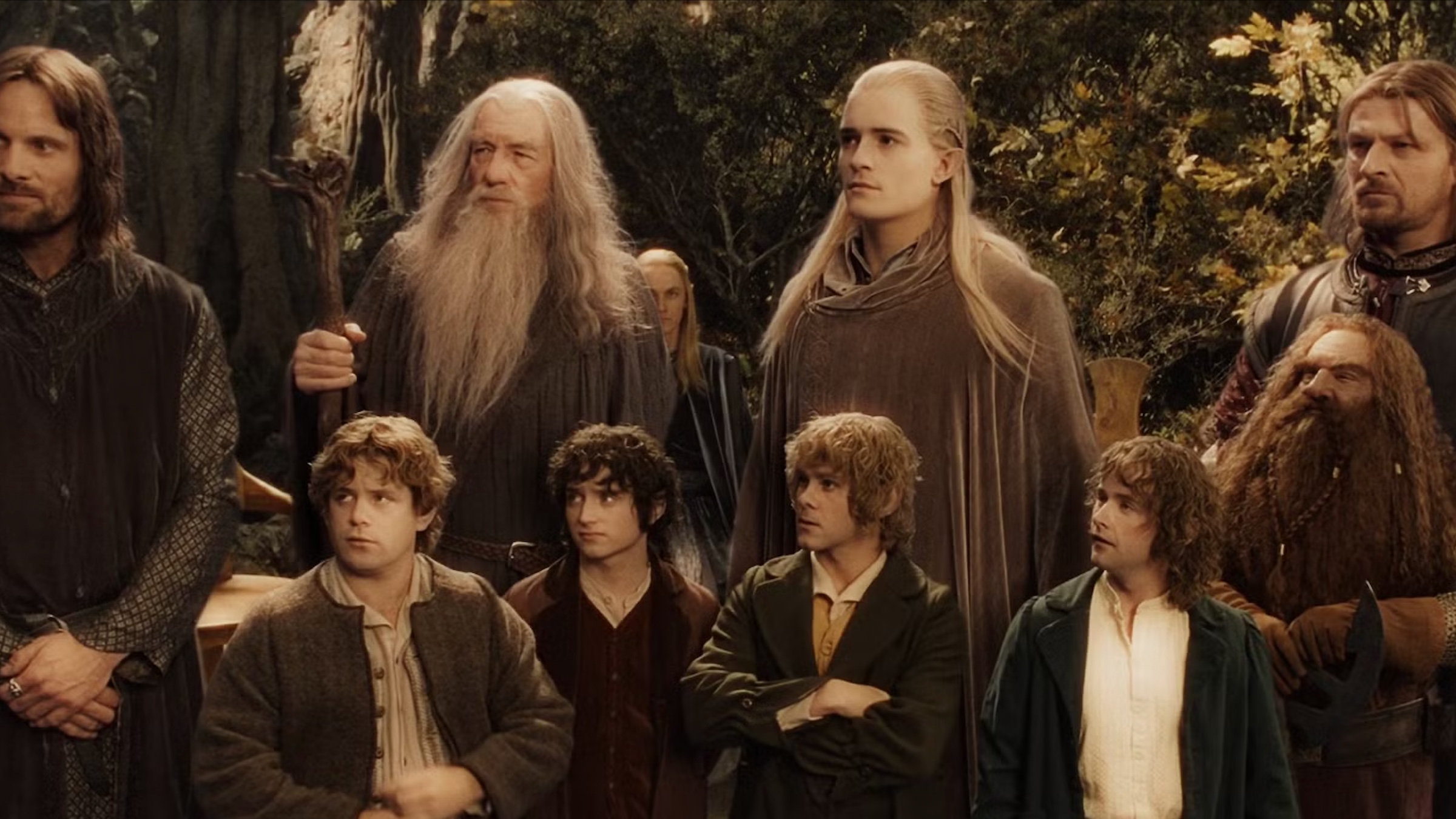
J.R.R. Tolkien created an incredibly detailed world, complete with a history stretching back thousands of years before the events in The Hobbit and The Lord of the Rings. Though most readers know the story of the War of the Ring and the quest to defeat Sauron, the mythology of Middle-earth is much larger and more complex. Tolkien filled his world with a wide range of creatures, each with a specific place in a strict order. From immortal beings and corrupted soldiers to god-like creators who shaped the land, the diverse life in Middle-earth shows Tolkien’s deep interest in both history and the structure of the universe, and everything within it has a purpose.
As a longtime watcher of Middle-earth unfold on screen, what always struck me is the sheer variety of its inhabitants. It’s not a world where everyone starts on equal footing. You see, some were literally made by the supreme creator, Ilúvatar, as part of his original plan for the world. Others… well, they sprung from darker sources, or were the result of lesser powers trying their hand at creation. This leads to a truly diverse cast of characters, each with their own unique origins and, naturally, power levels. It’s a fascinating world-building detail that really enriches the story.
22) Spiders
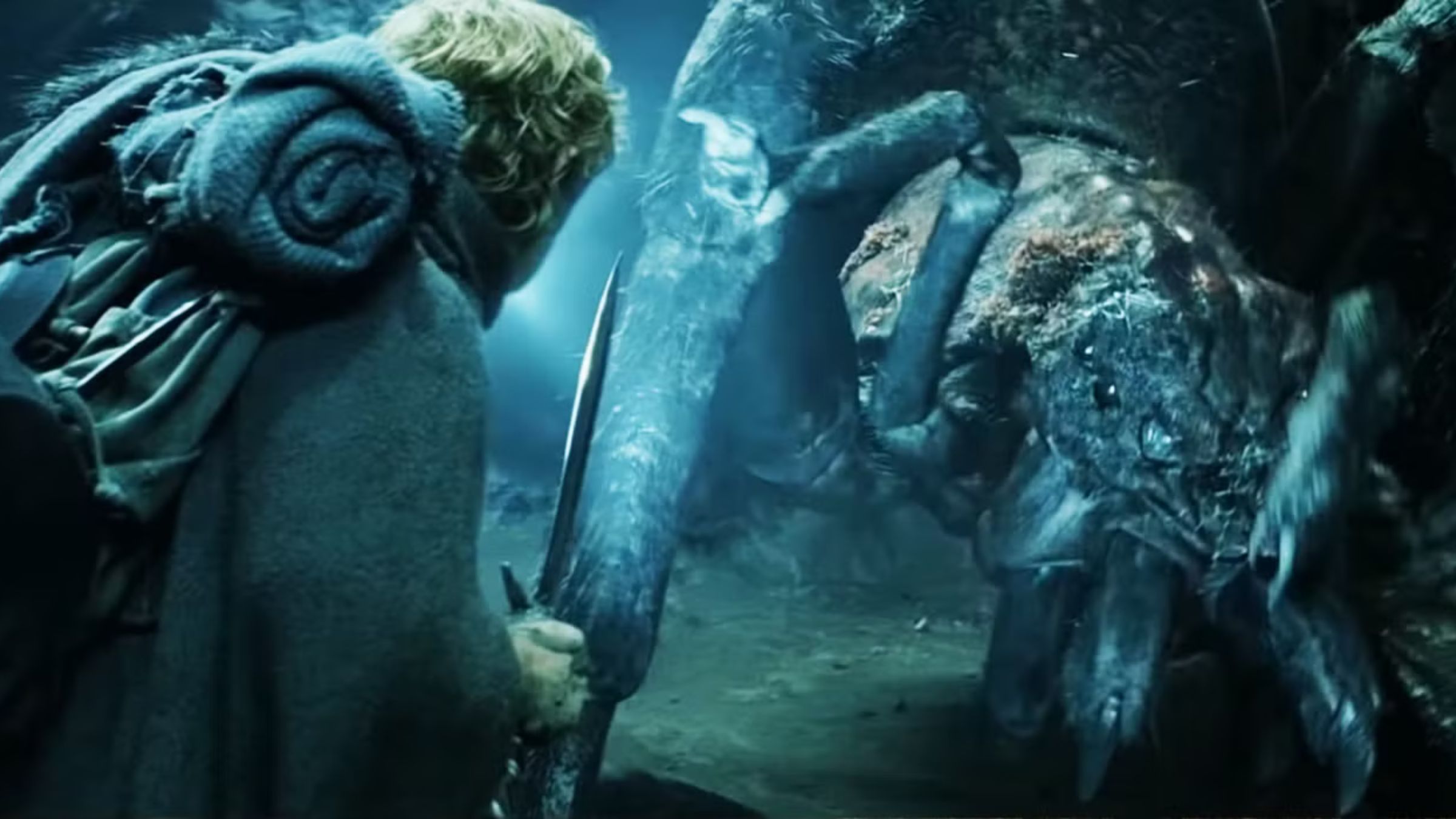
The massive spiders of Middle-earth trace their origins back to Ungoliant, an ancient being of darkness who, with Morgoth, destroyed the light of the Two Trees in the world’s earliest days. This lineage gives them a particularly cruel and malicious nature, though not immense power. Shelob, the largest and most dangerous of Ungoliant’s descendants in The Lord of the Rings, is a clever hunter who uses paralyzing venom, but she is ultimately defeated by Samwise Gamgee, aided only by a vial of pure light. The spiders in Mirkwood, encountered in The Hobbit, are similarly overcome by Bilbo and his companions, including the help of his magical ring. These spiders rely on surprise, darkness, and overwhelming numbers to be effective, and Tolkien shows that once those advantages are gone, they are easily defeated.
21) Orcs
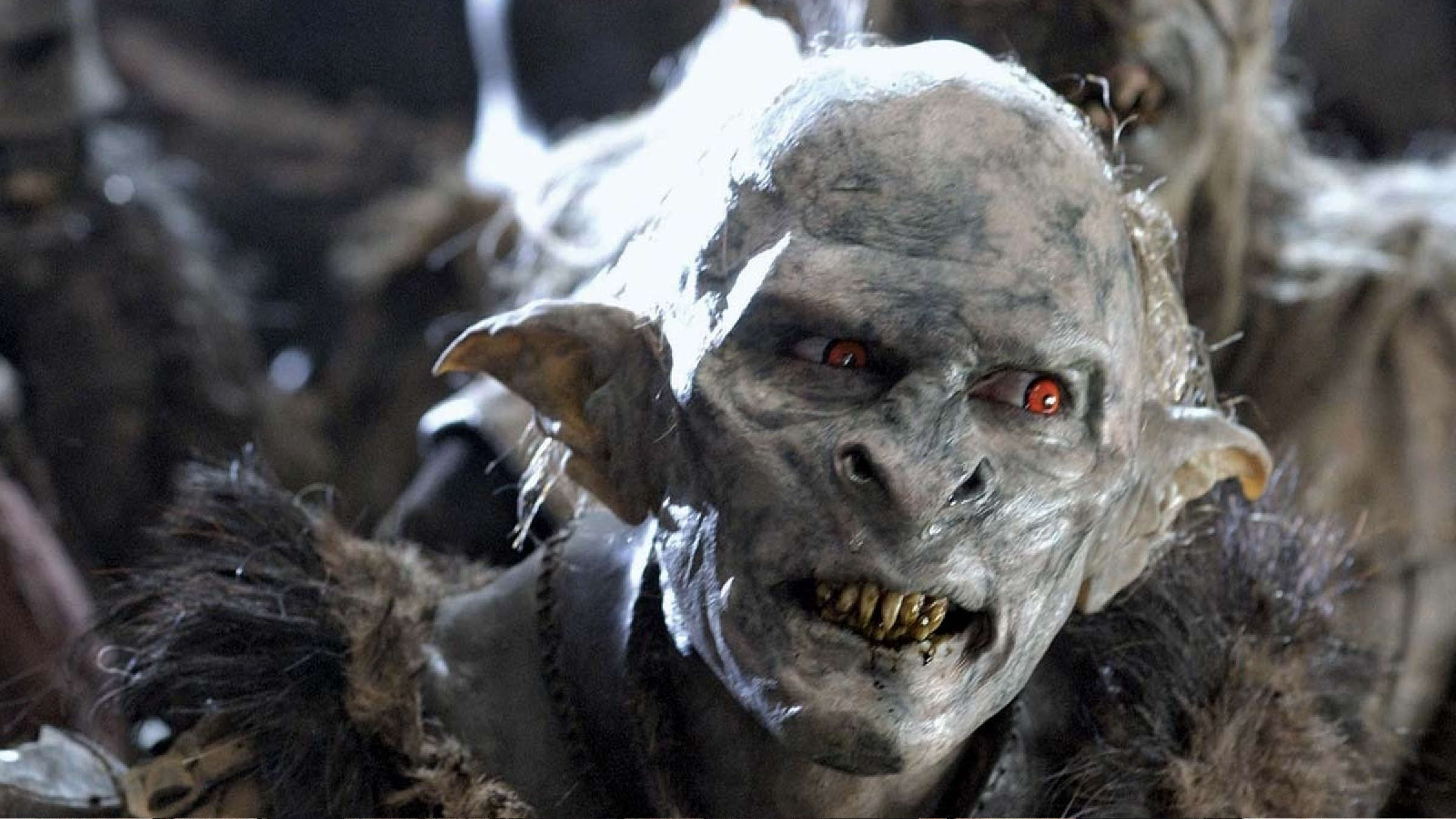
In Tolkien’s world, Orcs began as Elves who were twisted and corrupted by the evil being Morgoth, making them a deeply tragic race. They aren’t physically strong compared to other races, but they become a significant military force in The Lord of the Rings simply because there are so many of them, and because Sauron and Saruman command them. Different kinds of Orcs appear throughout the stories: Saruman creates the larger, more powerful Uruk-hai in The Two Towers, and Bilbo encounters Goblins – another type of Orc – living in caves under the Misty Mountains in The Hobbit. All these variations share the same corrupted origin, differing mainly in size and how they’ve been bred.
20) Hobbits
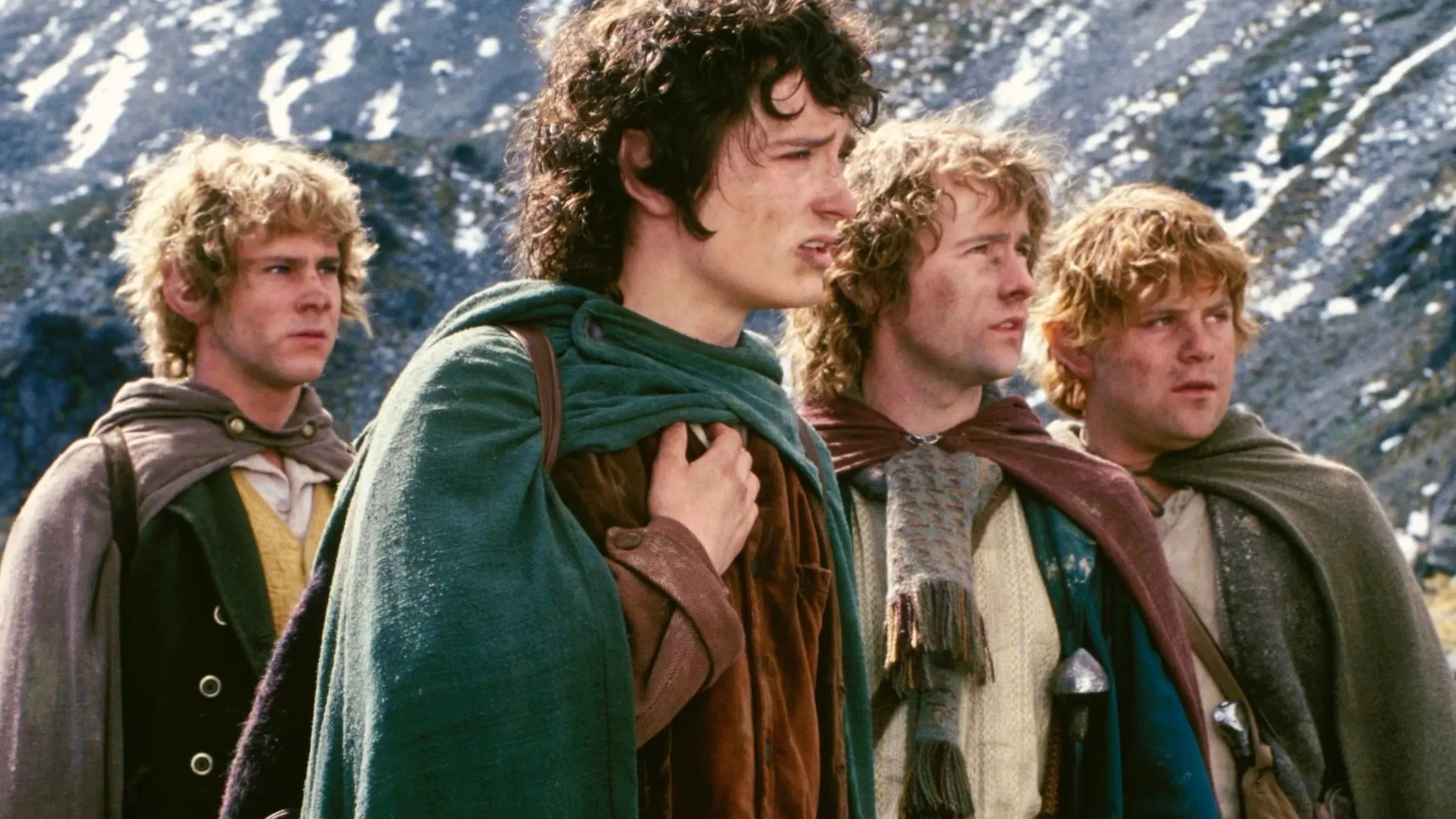
As a longtime fan, I’ve always been fascinated by Hobbits and their place in Tolkien’s world. He doesn’t really tell us where they came from originally, but it seems they’re related to Men, just a branch that adapted to a quieter, farming life in peaceful places. This puts them lower on the power scale compared to Elves or Men. They’re much smaller than humans – about half the size – and naturally avoid trouble, having no history of armies or war. But what The Lord of the Rings really shows is how incredibly strong they are mentally. Frodo carried the One Ring farther than anyone more powerful, and Merry actually dealt the blow that defeated the Witch-king – it’s amazing when you think about it! They prove that strength isn’t always about physical power.
19) Trolls
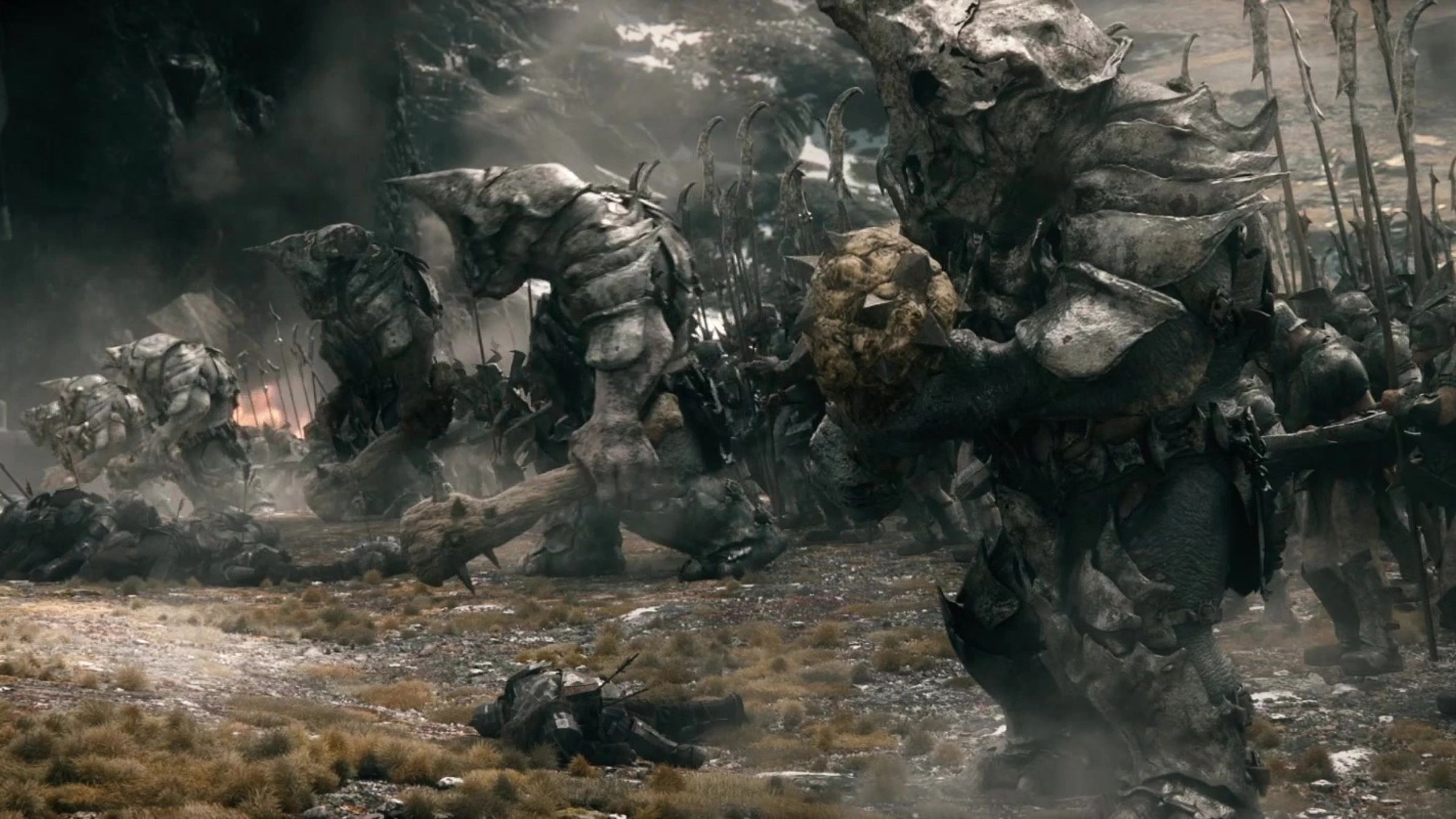
Trolls are incredibly strong and hard to damage in a fight, but they aren’t very smart and can’t tolerate sunlight. As seen in The Hobbit, even simple trickery can defeat them, turning them to stone when the sun rises. In The Fellowship of the Ring, the cave trolls are powerful in close quarters, able to withstand attacks and overpower opponents, but they need to be told what to do. Sauron’s war-trolls, bred to survive sunlight, are the most powerful trolls and pose a serious threat in battle, like at the Black Gate. However, even these stronger trolls are still just used as weapons, lacking the ability to plan or think for themselves, which ultimately limits their effectiveness.
18) Nameless Things

The Nameless Things, briefly alluded to by Gandalf while fighting the Balrog in The Two Towers, are ancient, powerful beings that dig deep beneath the world. Tolkien implies they predate even Sauron and the arrival of the Valar. Though incredibly strong—enough to disturb even a Maia—they don’t actively participate in the events of Middle-earth. They lack ambition and the ability to influence history, existing more as a primal force of nature than as players in the larger conflicts.
17) Men (Common / Middle-men)
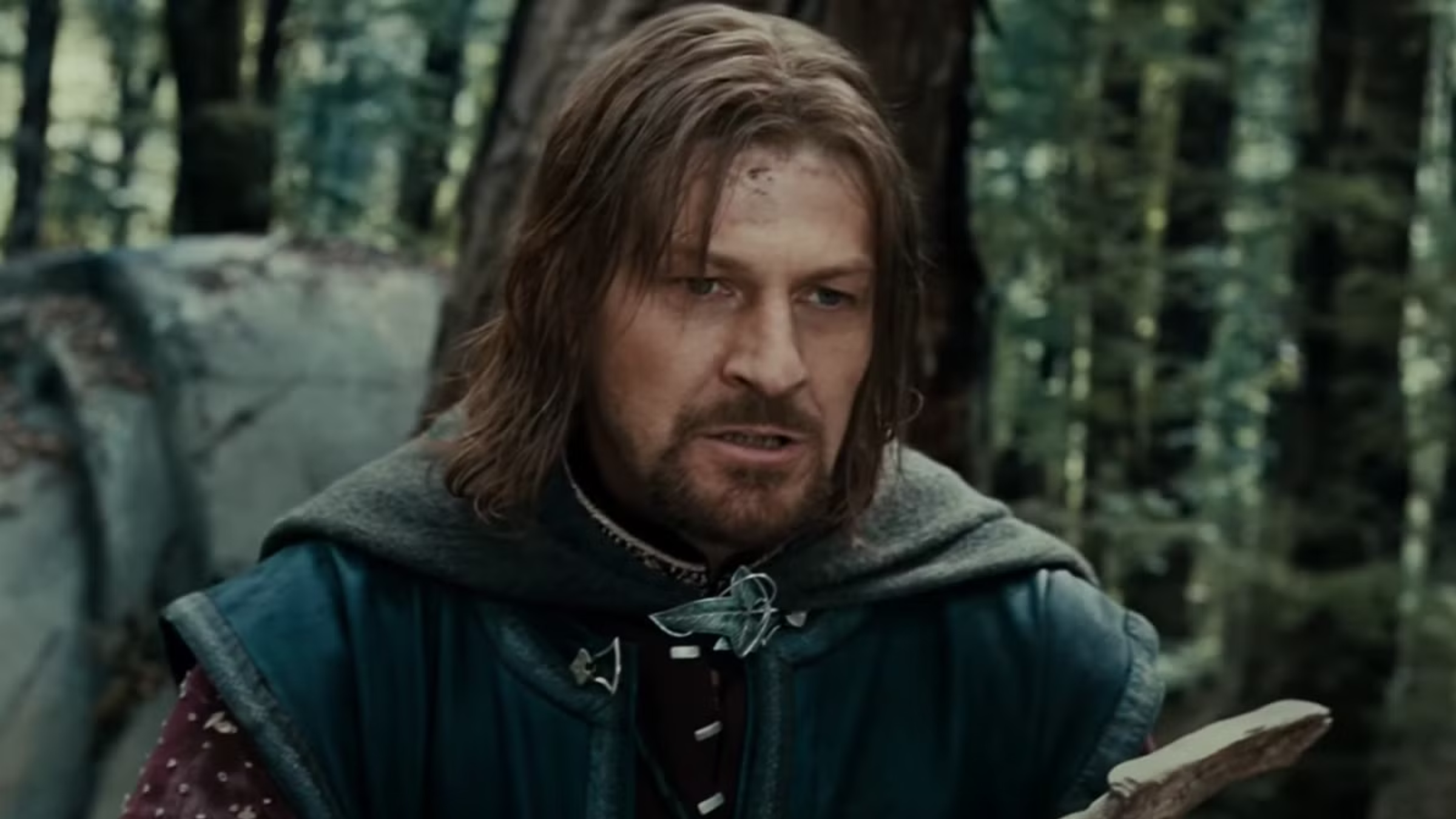
As a huge fan of Tolkien, I’ve always been fascinated by the ‘ordinary’ people of Middle-earth – folks like the Rohirrim, the people of Lake-town, and those living in Bree. They weren’t blessed with the long lives or noble bearing of the more ancient races like the Númenóreans, but they were the backbone of the fight against Sauron and Saruman’s armies. The Rohirrim, especially, really struck me – their skill in battle and strong culture were key to turning the tide at the Battle of the Pelennor Fields, proving that even ‘lesser’ people can stand against immense evil when they’re united. It’s just a reminder that they were still vulnerable – things like fear, sickness, and simply the passage of time could really get to them, putting them at a disadvantage compared to the more powerful beings.
16) Skin-changers
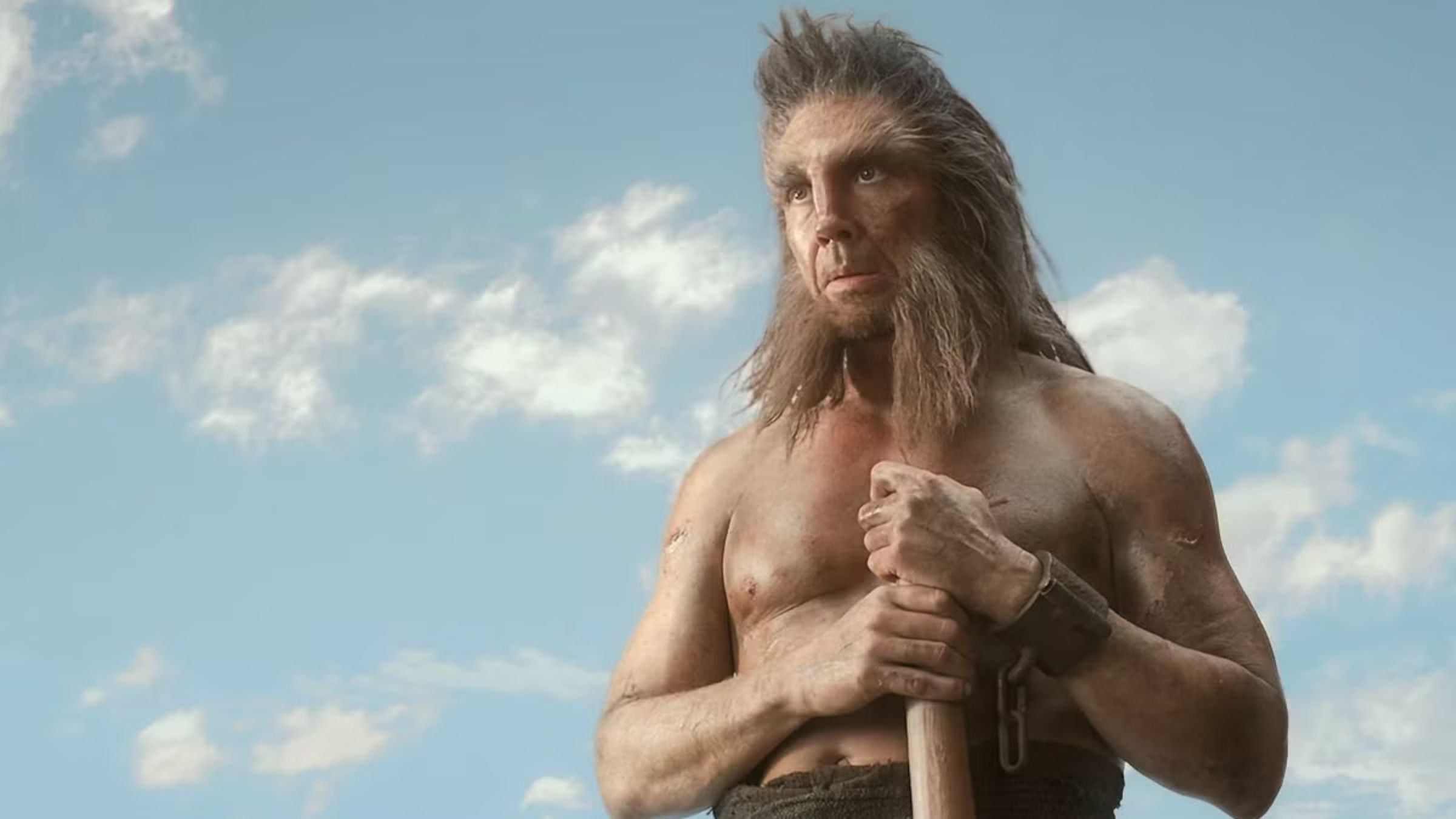
The Beornings, also known as skin-changers, are a group of Men who inherited the ancient power to transform into large bears. Like the origins of the Hobbits, their history is largely unknown, but their strength in battle is clear. Beorn, a member of their kind, dramatically changed the course of the Battle of Five Armies in The Hobbit. He appeared as a huge, bear-like warrior who was nearly invulnerable to Orc weapons and single-handedly destroyed the front lines of Bolg’s army.
15) Dwarves
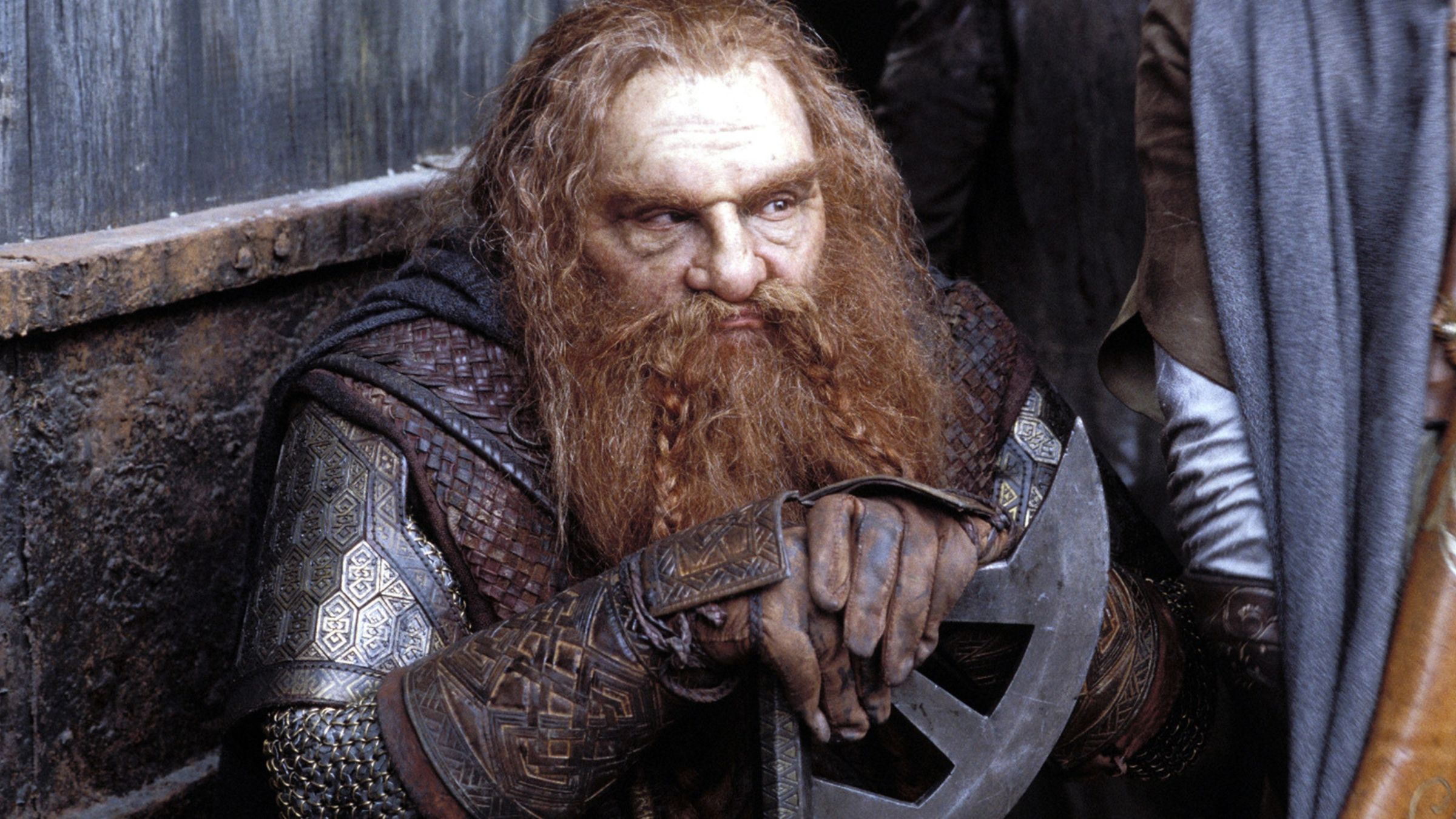
Tolkien created Dwarves as a race naturally resistant to evil, a quality stemming from their creation by the Vala Aulë, who made them separately from the original designs of Eru Ilúvatar. This origin gives them a physical strength and resilience unmatched by Men or Hobbits, and they’ve developed exceptional fighting skills over millennia of underground warfare. The Battle of Azanulbizar, detailed in the appendices of The Return of the King, demonstrates their dedication, as Durin’s Folk fought to the brink of destruction against the Orcs of Moria. Gimli’s record of 42 Uruk-hai kills at Helm’s Deep further highlights their individual combat prowess. Despite their skill, Dwarves are considered less powerful overall than Men due to their historically small population, limited presence outside of mountain strongholds, and lack of leaders who could match the political and strategic influence of the greatest Men of the Third Age.
14) Nazgûl and Wraiths
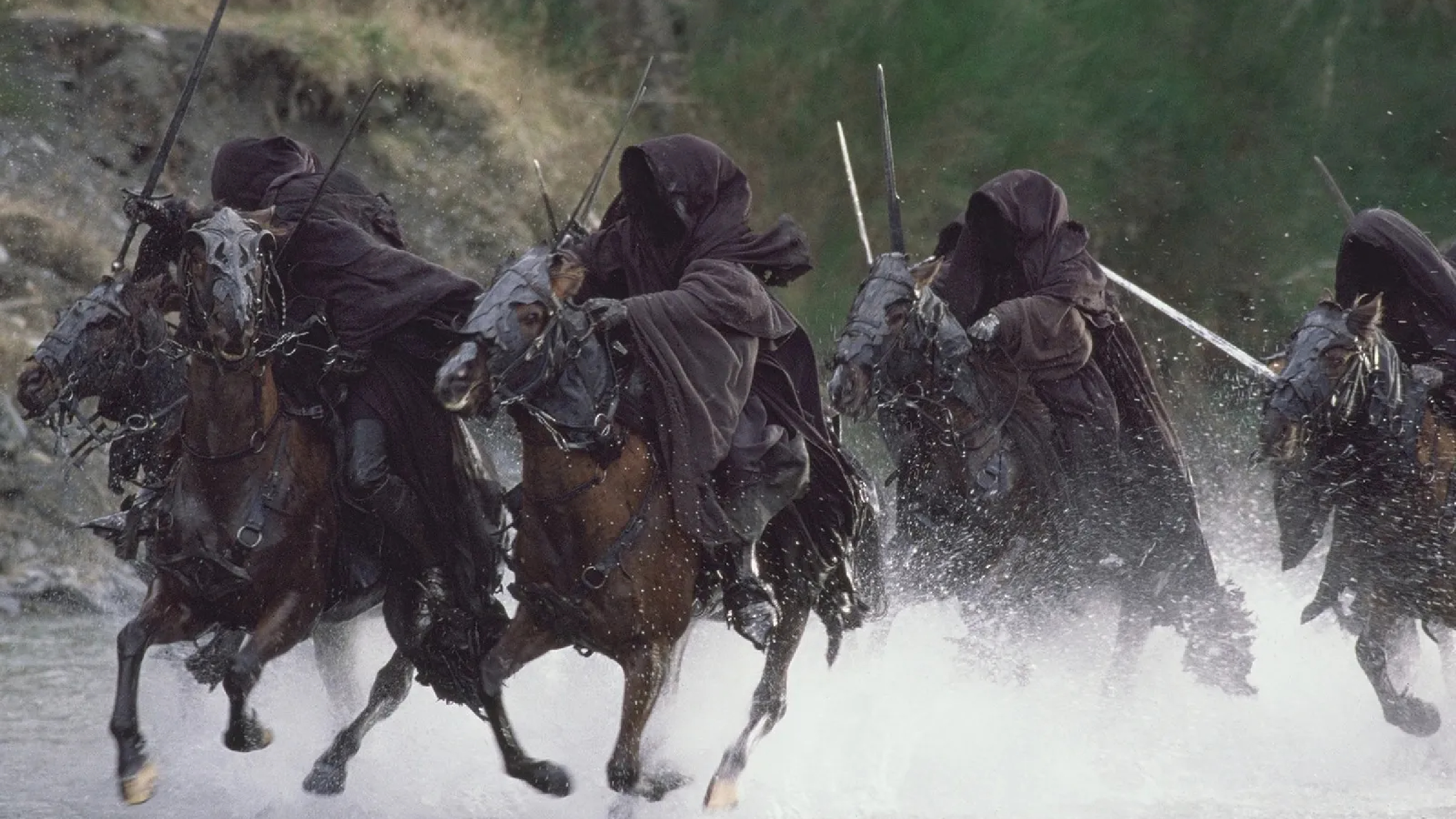
The Nazgûl are what happens when Men are completely corrupted, becoming immortal, ghost-like figures through the power of the Nine Rings. Bound to Sauron’s will, they mostly exist in a hidden realm, and even their presence can weaken people’s minds. They can inflict despair and death with their chilling touch, known as Black Breath. Their leader, the Witch-king, was incredibly powerful, able to break weapons and command large armies. Although they have physical weaknesses and certain places can harm them, they can’t be killed by normal means and serve as Sauron’s most important servants, making them far more dangerous than ordinary people.
13) Men (Númenóreans)

The Númenóreans were humans who reached the height of their potential. They were given the island of Elenna and lived much longer lives as a reward for fighting against Morgoth. Their naval power became so great that Sauron actually surrendered to their king, Ar-Pharazôn, rather than risk losing in a fight. Centuries later, their strength lived on in the Dúnedain, with Aragorn being the most prominent example. His ability to control the ghostly army of Dunharrow and resist Sauron’s mental power when using the Palantír demonstrates a remarkable strength – both in body and spirit – that made his people unique among all humans.
12) Vampires and Werewolves
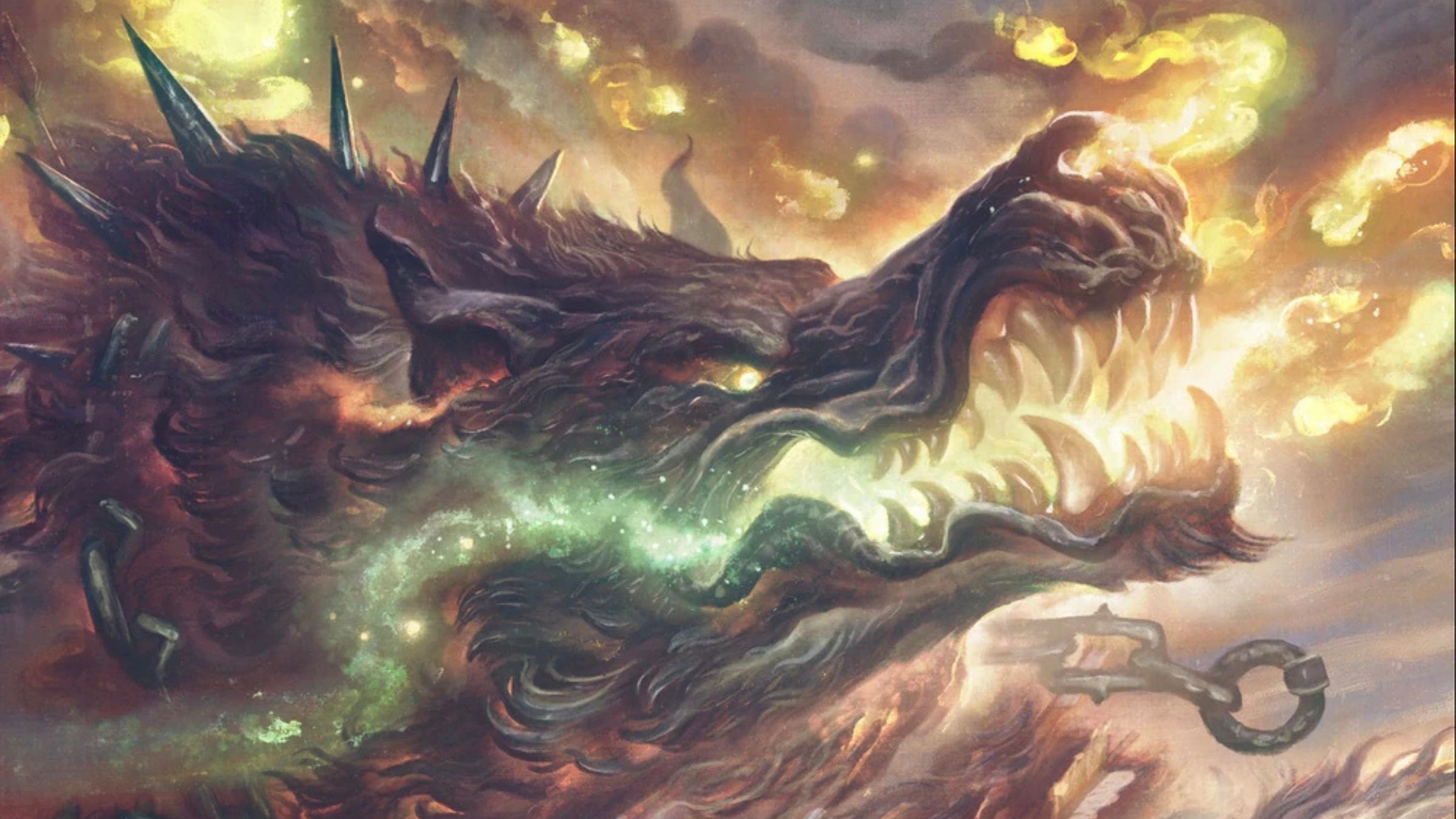
During the First Age, the evil being Morgoth created Werewolves and Vampires by inhabiting the bodies of giant wolves and bats filled with terrifying spirits. He used these creatures to spread destruction, and they were led by particularly fearsome lieutenants like Draugluin, the original werewolf, and Thuringwethil, a winged messenger. These beings were so powerful that only divine creatures or great heroes could defeat them. Though born from the ancient past, they had become largely forgotten by the time of The Lord of the Rings.
11) Elves (Sindar and Silvan)
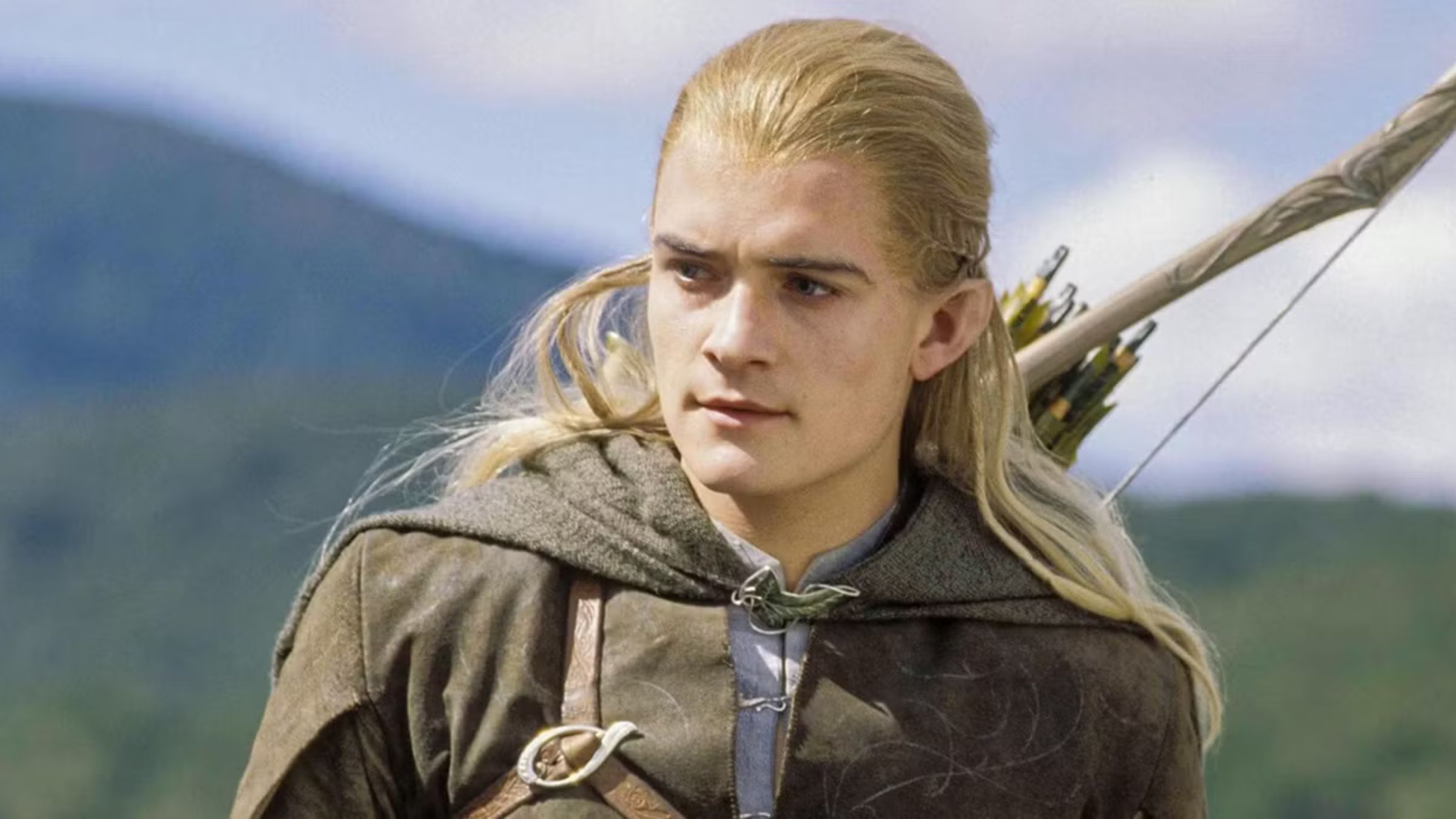
Though the High Elves have a direct connection to the ancient light of Valinor, the more common Elves seen in The Lord of the Rings—known as the Sindar and Silvan, or collectively as the Moriquendi—make up the vast majority of the Elven population. These Elves never witnessed the Two Trees of the West, but they are still far more powerful than humans and dwarves, possessing immortality, resistance to illness, and an almost magical elegance. Legolas, from the Woodland Realm, exemplifies this Elven power in The Lord of the Rings trilogy, showing abilities like walking on snow without leaving a trace and hitting targets with a bow while running at full speed. Elves are also skilled wilderness strategists, having successfully defended realms like Lothlórien and Mirkwood from darkness for thousands of years.
10) Ents
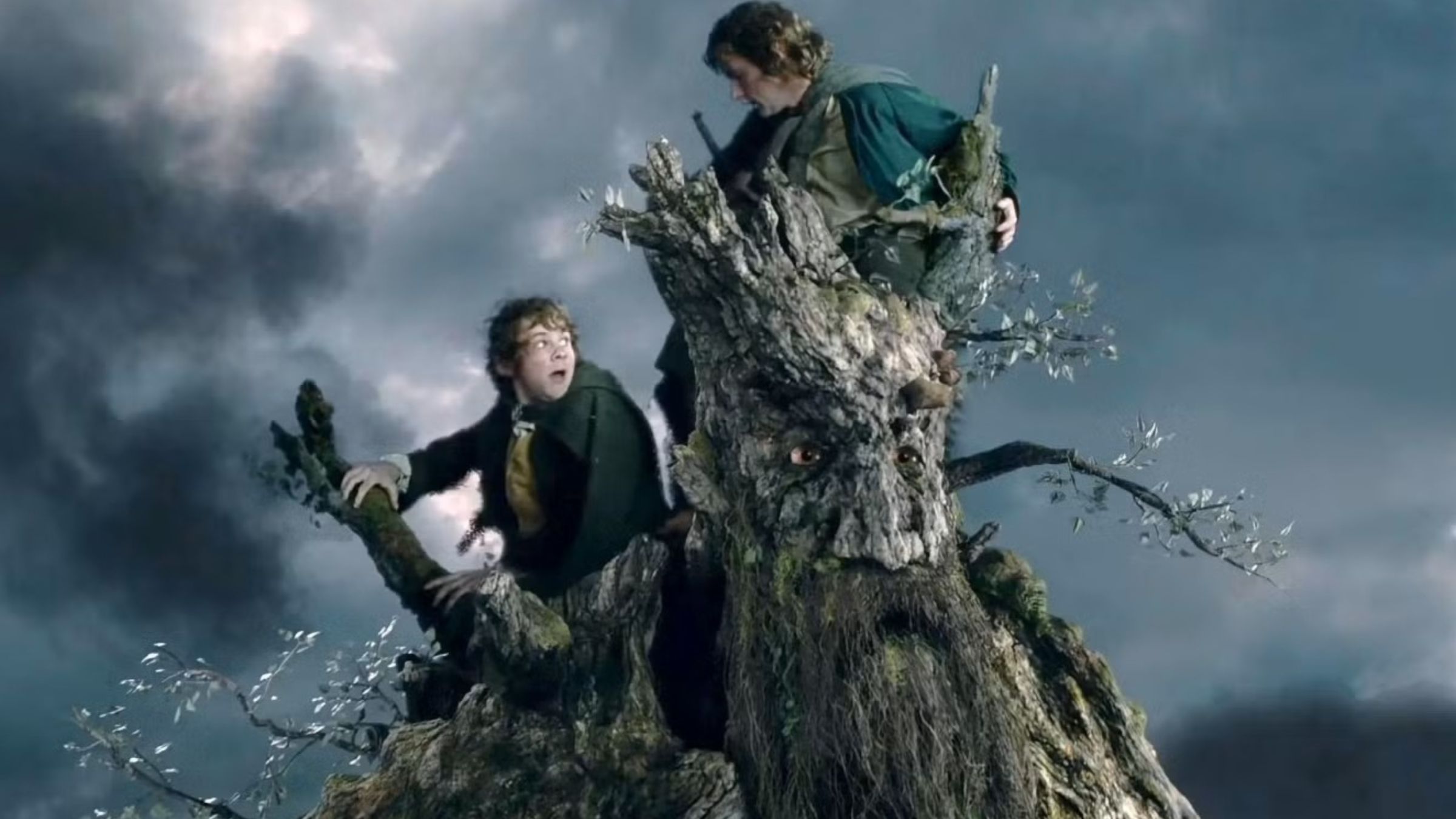
Ents are ancient tree-herders created by the Vala Yavanna to protect the forests of Middle-earth. Fully grown Ents are incredibly strong, capable of destroying even stone fortresses like Isengard, as seen in The Two Towers. Their tough, bark-like skin also makes them nearly impossible to harm with ordinary Orc weapons. However, Ents are slow to act and deeply connected to the health of the forests, which limits their ability to respond quickly to threats. Sadly, their numbers have dwindled because the Entwives are lost, meaning no new Ents can be born.
9) Great Eagles

In Tolkien’s world, the Great Eagles are powerful beings who serve Manwë, the chief of the Valar. They act as messengers and intervene in important events, often at crucial moments in history. For instance, Gwaihir the Windlord helps Gandalf escape from Isengard and later rescues him from the Misty Mountains, demonstrating Gandalf’s connection to the Valar’s plans. The Eagles also dramatically turn the tide at the Battle of Five Armies in The Hobbit, and their arrival at the Black Gate during the War of the Ring proves equally pivotal. Their immense power stems from the fact that they only appear when Manwë deems it necessary.
8) High Elves (Calaquendi)
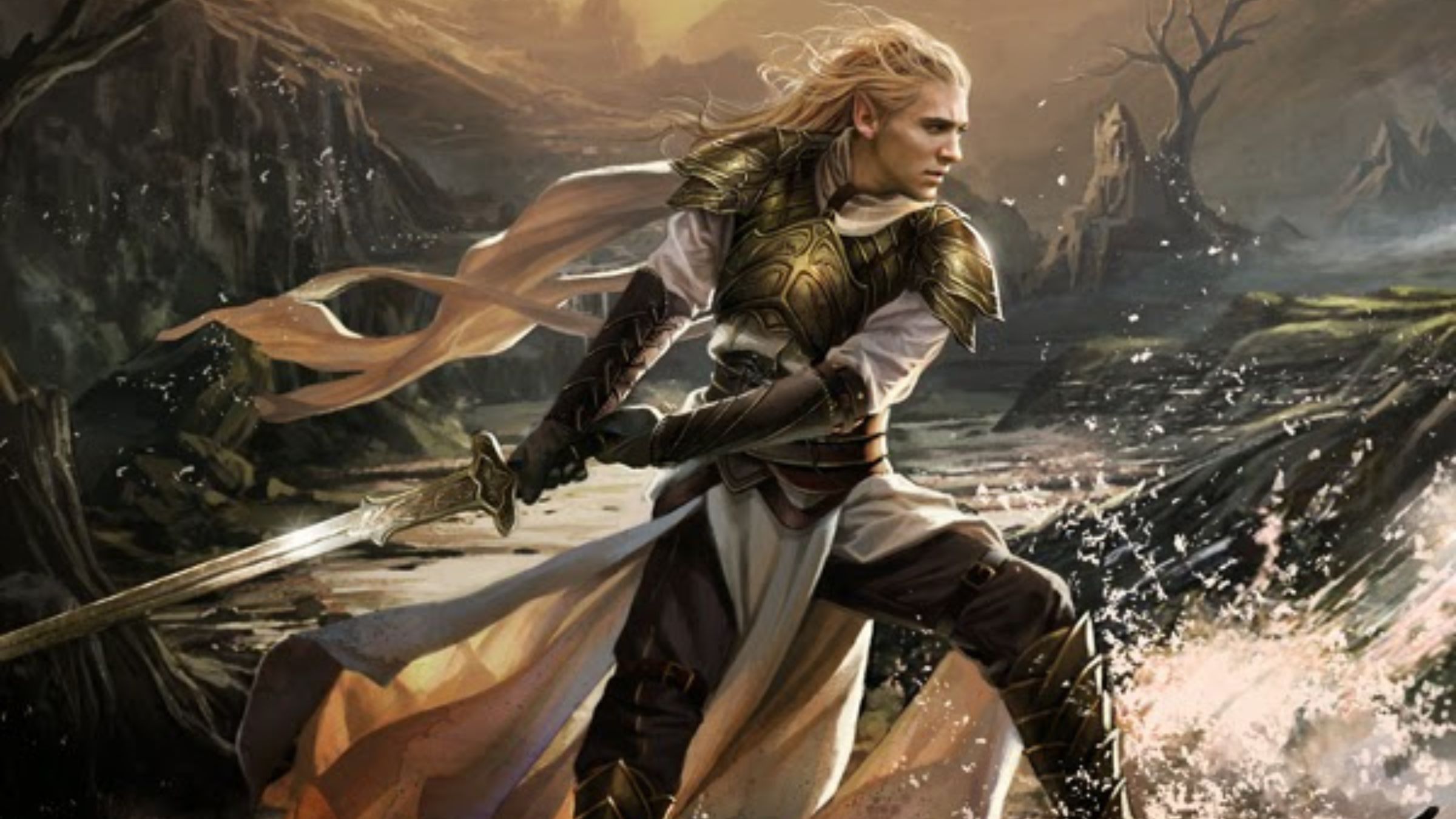
Tolkien makes a clear difference between Elves who stayed in Middle-earth and those who saw the light of the Two Trees in the Undying Lands, Valinor. This difference is important because the High Elves, like Fingolfin and Glorfindel, existed both in the physical world and a spiritual realm, giving them incredible power over creatures of darkness. For example, Fingolfin managed to wound the powerful Morgoth seven times in a duel, and Glorfindel’s spiritual presence frightened the Nazgûl at the Ford of Bruinen – feats far beyond the capabilities of typical Elven warriors of the Third Age.
7) Tom Bombadil
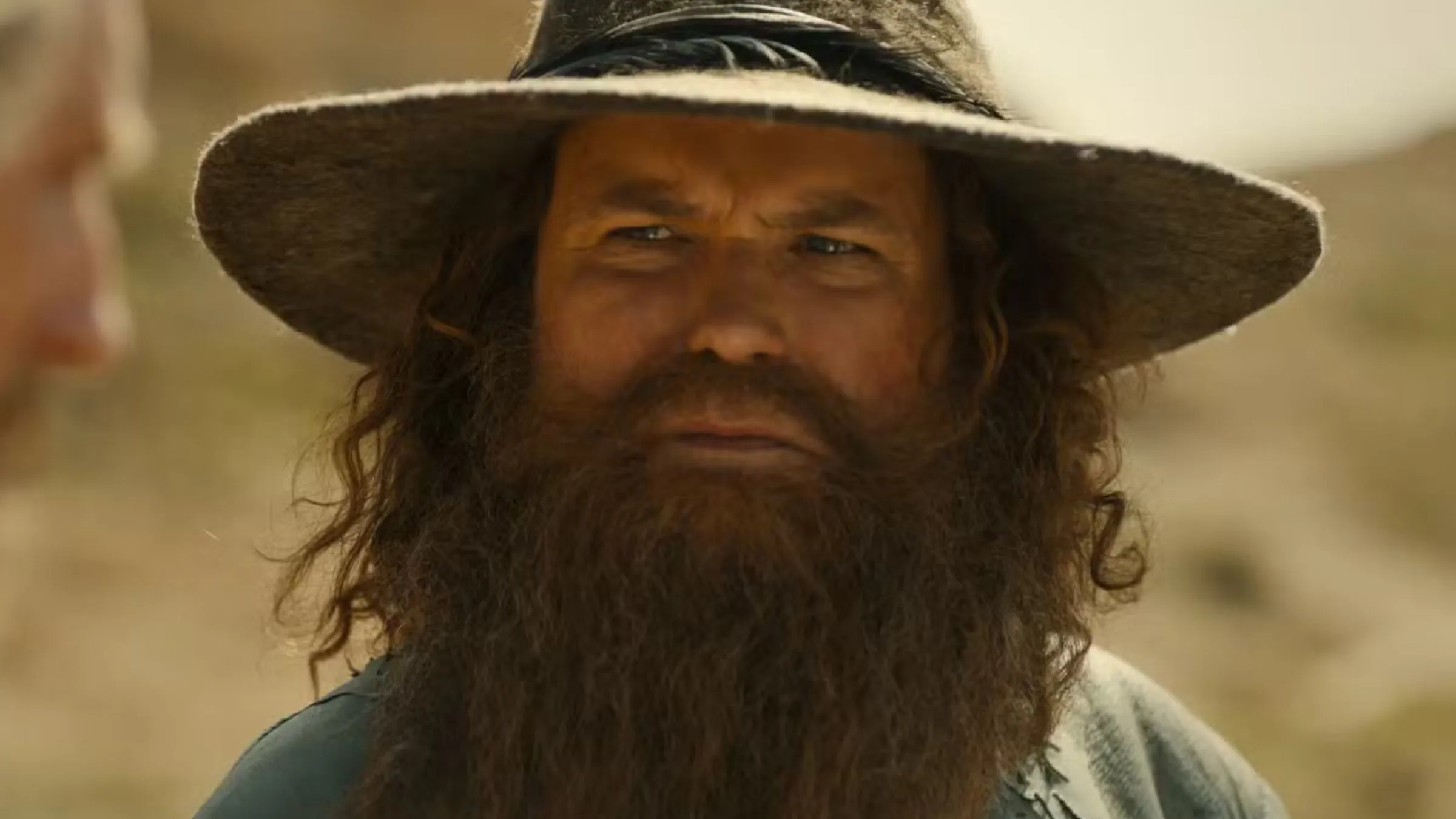
Tom Bombadil is arguably the most mysterious character in Tolkien’s stories. He’s unlike anyone else in Middle-earth, existing outside the normal rules and history of the world. He calls himself the “Eldest” and says he’s been around since the very beginning, even before the Dark Lord. Interestingly, the One Ring has no power over him; he sees it as a simple, unimportant object, as shown in The Fellowship of the Ring. While powerful within his own land, Tom Bombadil doesn’t interfere with the larger events of the world, and isn’t as involved as other powerful, spiritual beings.
6) Dragons
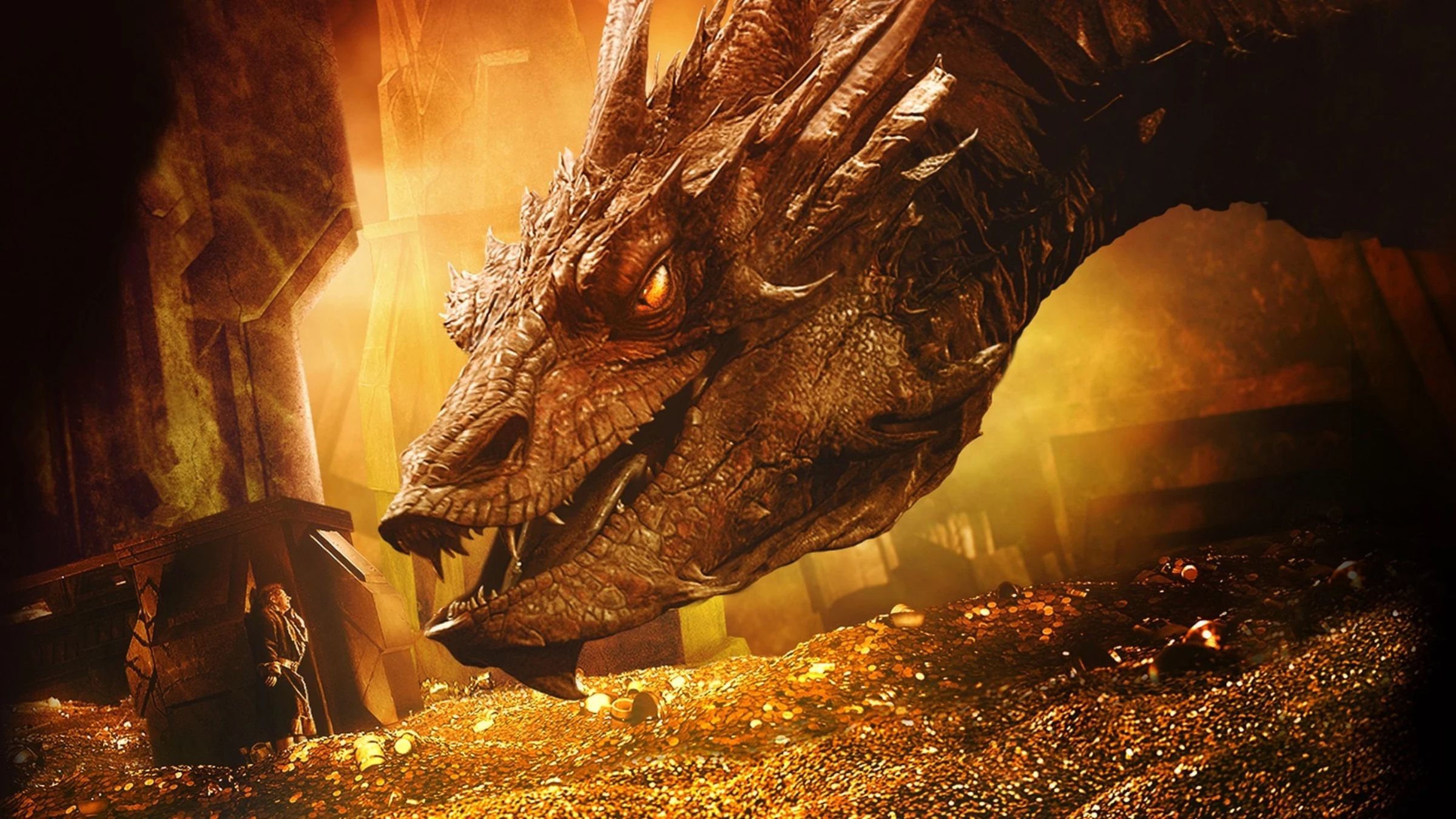
Dragons didn’t naturally appear in Middle-earth; they were created by Morgoth as weapons. Bred in the depths of Angband during the First Age, they were designed for war and destruction, not as independent creatures. They weren’t simply powerful beasts, but engineered to cause maximum damage, possessing a wide range of abilities. For example, Glaurung, the very first Dragon, could control armies with his mind, even without using fire. Ancalagon the Black was so enormous that when he fell during the War of Wrath, he destroyed three mountain peaks. Later, Smaug, the last of the great Dragons in The Hobbit, held a kingdom and its lands hostage for almost two hundred years. Few creatures in Middle-earth could rival a Dragon’s power, which is why Tolkien used them as Morgoth’s most fearsome weapons.
5) Wizards (Istari)

During the Third Age, five Wizards were sent to Middle-earth. These beings, known as Maiar, were powerful spirits similar to the Balrogs, but the Valar limited their power by giving them mortal bodies. Gandalf, the most well-known of the five, showed how much an Istari (Wizard) could achieve within these limits. He famously defended the Bridge of Khazad-dûm against a Balrog, defeating it in a ten-day struggle and returning as Gandalf the White with increased authority. Even Saruman, despite his downfall due to ambition, built a powerful army at Isengard that threatened the kingdom of Rohan. The Wizards were intentionally made less powerful than Balrogs because their purpose was to guide and inspire, not to use overwhelming force – a restriction that defined their actions.
4) Balrogs

Balrogs were originally powerful angelic beings who sided with the evil Morgoth at the beginning of time. This choice twisted them into creatures of immense destruction, and their terrifying power is a recurring threat throughout Tolkien’s stories. During the First Age, Balrogs fought alongside Morgoth against the Elves, even killing legendary heroes like Glorfindel (who defeated one at the cost of his own life). Later, in the Third Age, the Balrog of Moria – known as Durin’s Bane – forced the Dwarves to abandon their great city of Khazad-dûm and held the mines for thousands of years until Gandalf confronted it. Because Balrogs aren’t limited by physical bodies like the wizards (Istari), they are even more powerful.
3) Unconstrained Maiar
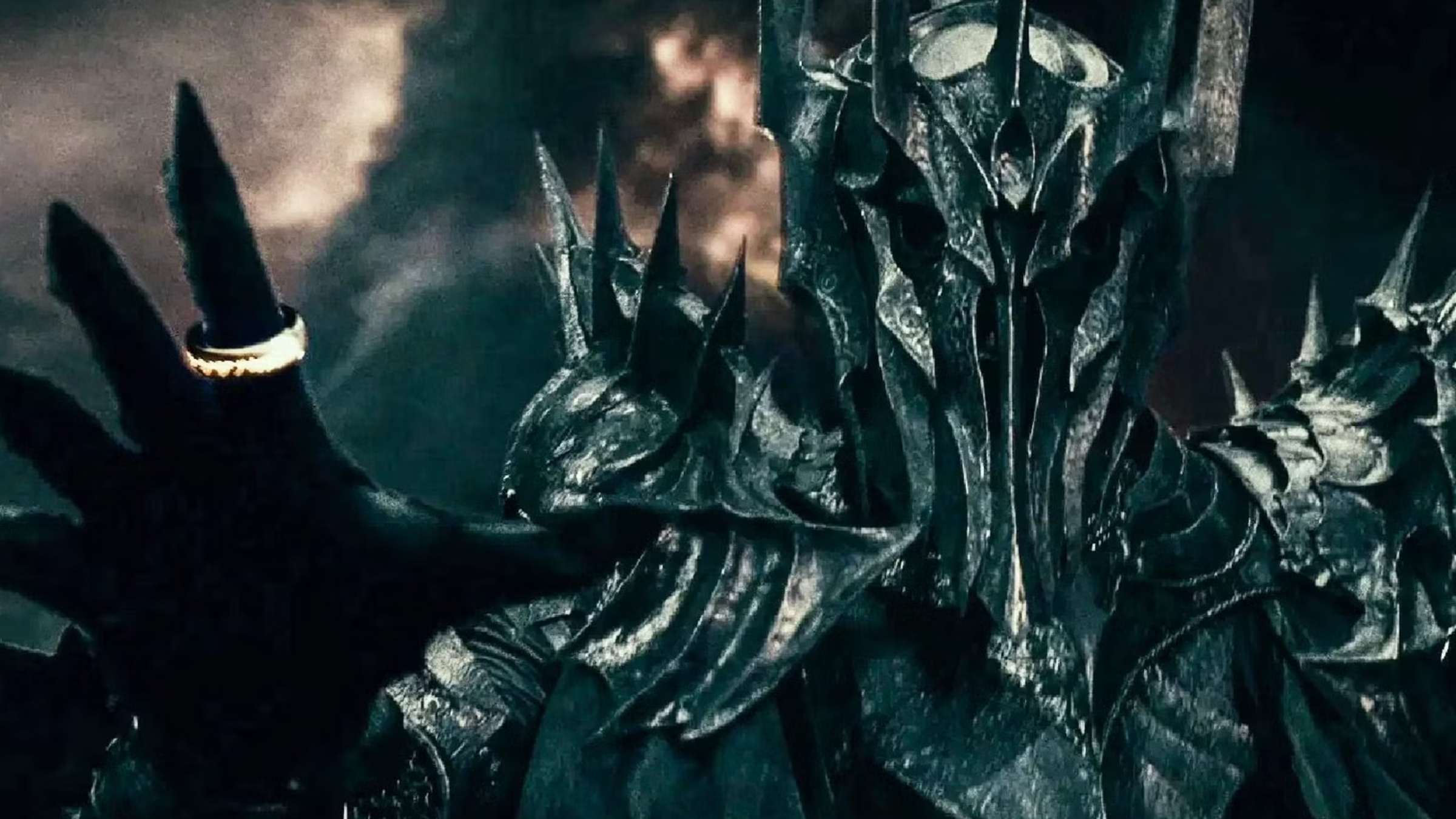
Wizards and Balrogs, though originally powerful angelic beings called Maiar, have limitations imposed upon them. A Maia like Sauron in his prime, or Melian, could wield their full, immense power. Melian’s protective enchantment shielded a whole kingdom from Morgoth for centuries, and Sauron’s control over both the physical world and people almost allowed him to conquer Middle-earth twice. These Maiar are less powerful than the Valar only because they serve them, but they have a greater range of abilities and more fundamental power than the Valar who are bound by specific roles.
2) Valar

As a lifelong cinema devotee, I’m always fascinated by world-building, and Tolkien’s Valar are truly epic. They’re these fourteen incredibly powerful beings who came into existence at the very beginning to help shape the world, and honestly, compared to them, everyone else feels pretty small. Think about it: Manwë controls the winds and skies, basically ruling the air from his mountain peak. Ulmo governs all the water – rivers, oceans, everything – and can communicate with people just through the flow of rivers or a rainfall! But Aulë… Aulë actually created the Dwarves from stone before they even had souls, which is a level of creative power no one else touches. Then there’s Melkor, who became Morgoth – he was the most powerful of them all before he fell to darkness. The wars between him and the other Valar literally reshaped the world, sinking continents and raising mountains in the process! By the time of The Lord of the Rings, the Valar aren’t directly involved, but they’re still pulling strings behind the scenes. You can see their influence in everything, from Gandalf’s return as the White Wizard to the final destruction of the One Ring. They’re the ultimate architects of Middle-earth’s history.
1) Eru Ilúvatar

As a follower of Tolkien’s world, I understand that everything begins with Eru, the One – a being who exists outside of time and space. He’s the ultimate source of life, creating a divine spark called the Flame Imperishable that allows things to truly live and be independent. While he generally lets the Valar shape the world, Eru’s power is unmatched, and when he does intervene, it’s massive. Think about the sinking of Númenor or Gandalf’s return after facing the Balrog – those were Eru’s direct actions. He’s above even the powerful beings who created Arda, truly the ultimate creator in the legendarium.
What’s your favorite creature or character from Tolkien’s stories? Share your thoughts in the comments and join the discussion in the ComicBook Forum!
Read More
- Everything You Need To Know About Nikki Baxter In Stranger Things’ Animated Spinoff
- Jujutsu Kaisen Creator Confirms the Story is Over: “It Won’t Continue!”
- The Boys Season 5, Episode 5 Ending Explained: Why Homelander Does THAT
- ‘The Bride!’ Review: Jessie Buckley Breathes Life into a Monstrous Mess
- Miranda Kerr Shares “Quick” Procedure She Got Before Met Gala 2026
- Out of Nowhere, 4-Year-Old King of Fighters 15 Gets Surprise 2026 Patch
- After 11 Years, Black Clover Officially Ends With Final Release (& Crowns a New Wizard King)
- Stellar’s Revival: Stripe’s Wallets Whisper of Old Ghosts and New Machines
- The MCU Officially Introduces A New Marvel Team For Phase 6
- Sega Game From 2024 Free for Millions Next 72 Hours
2026-05-09 02:44