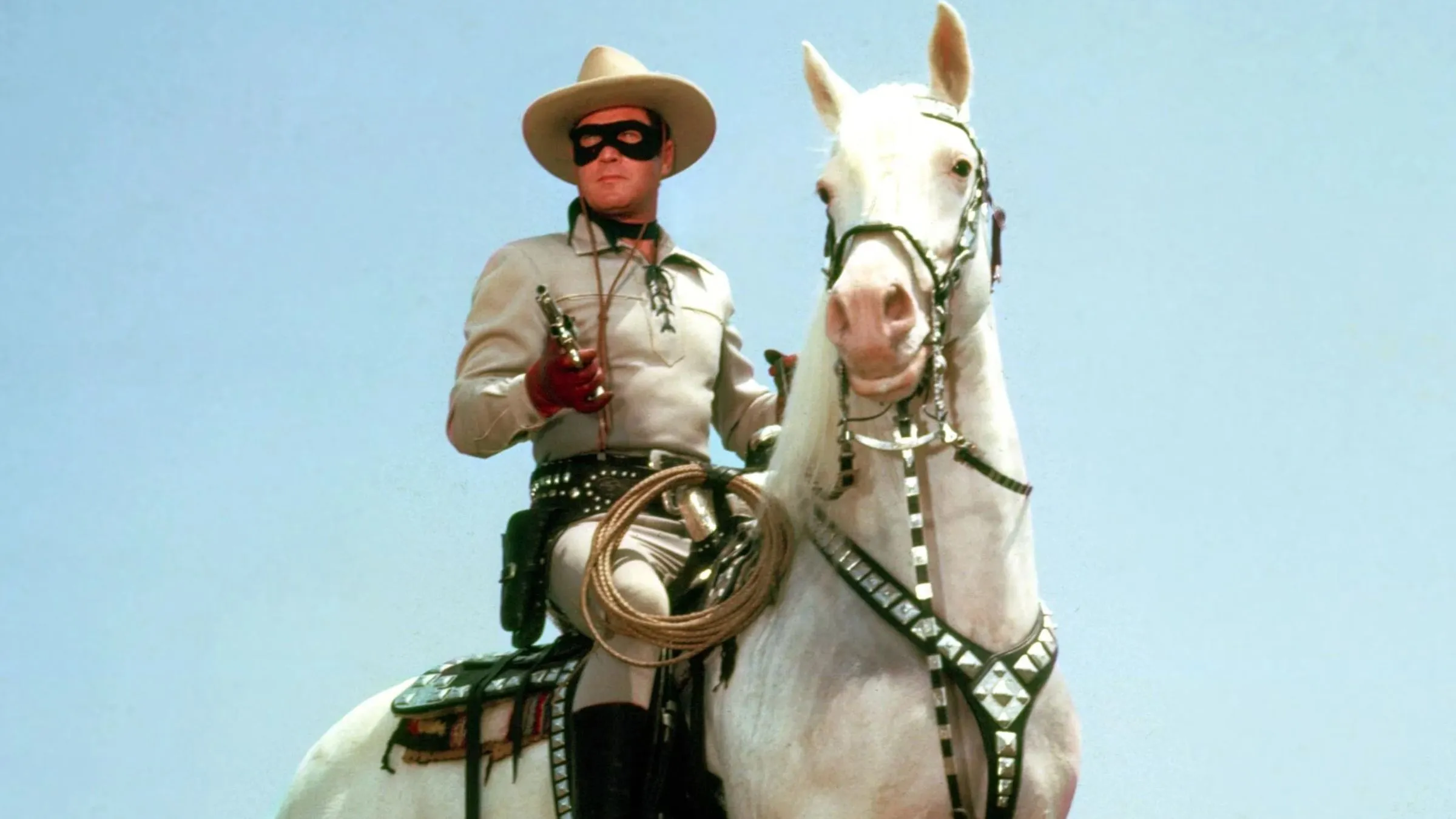
Nearly seventy years ago, a hugely popular and iconic Western series concluded its run. It significantly influenced how stories were told on weekly television and established the classic image of the mysterious, masked hero. Back when TV was still becoming a major form of entertainment, new shows needed to quickly prove they were worth watching. This Western, amidst many others from the time, really shone—not through complicated plots, but through its reliability and instant appeal to viewers. Its success was so great that the same formula was repeatedly used in other shows for years to come.
As television continued to grow, shows naturally reached their conclusions, particularly those that had been on the air for a long time – over 100 episodes was a significant run. Previously, ending a show after that length simply meant it no longer fit with the network’s plans. While the cancellation of this show in the late 1950s wasn’t unexpected, it represented a key moment in the history of television and how it was changing.
The Lone Ranger Was One of the Most Iconic TV Shows Ever Made
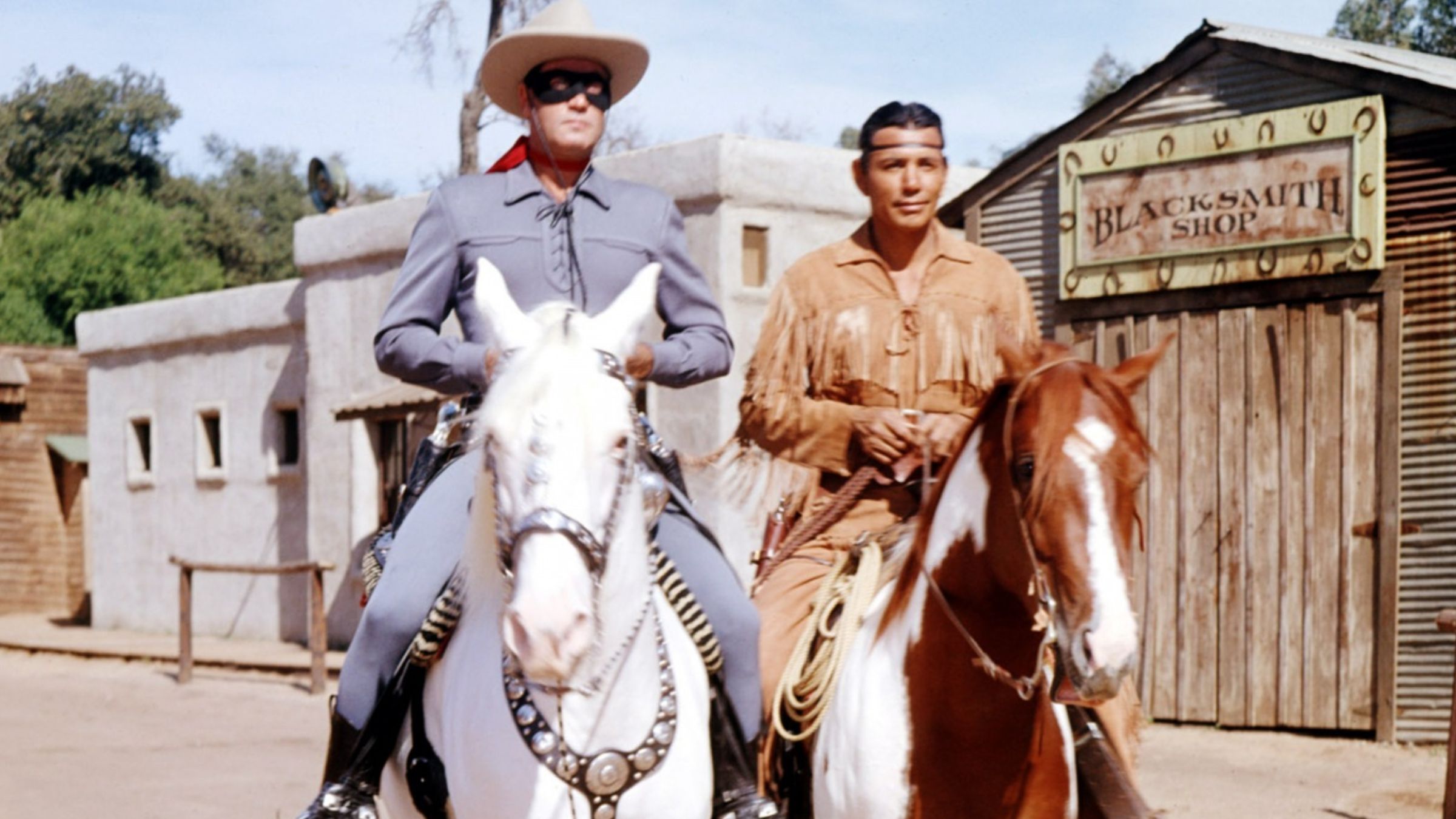
Premiering in 1949, The Lone Ranger told the story of John Reid (played by Clayton Moore), a former Texas Ranger who, after surviving an attack, became a masked crime fighter in the Old West. Along with his loyal companion, Tonto (Jay Silverheels), he journeyed between towns, assisting communities, capturing outlaws, and resolving disputes. Each episode typically followed a familiar pattern: the hero would arrive in a chaotic situation and depart once peace was restored. The show’s success was boosted by the existing popularity of The Lone Ranger, which had begun as a radio program in 1933.
Although The Lone Ranger ran for over 221 episodes, its influence extends much further than just its longevity. The show pioneered a formula that became standard in television for years to come: clear-cut heroes, obvious villains, and self-contained episodes. Back in the 1950s, television needed shows that were easy to follow each week, without requiring viewers to remember previous storylines. In many ways, The Lone Ranger served as a model for creating a successful TV series.
For years, the show was a huge success, defining the classic image of a masked hero and becoming a well-known part of our culture. Even before superheroes became popular, The Lone Ranger had many of the same qualities we see today: a hidden identity, strong morals, a dedication to fairness, and a memorable look. The show was so iconic that even people who hadn’t seen it could recognize its key features. Clayton Moore’s portrayal of the Ranger was so strong that many viewers saw the actor and the character as one and the same.
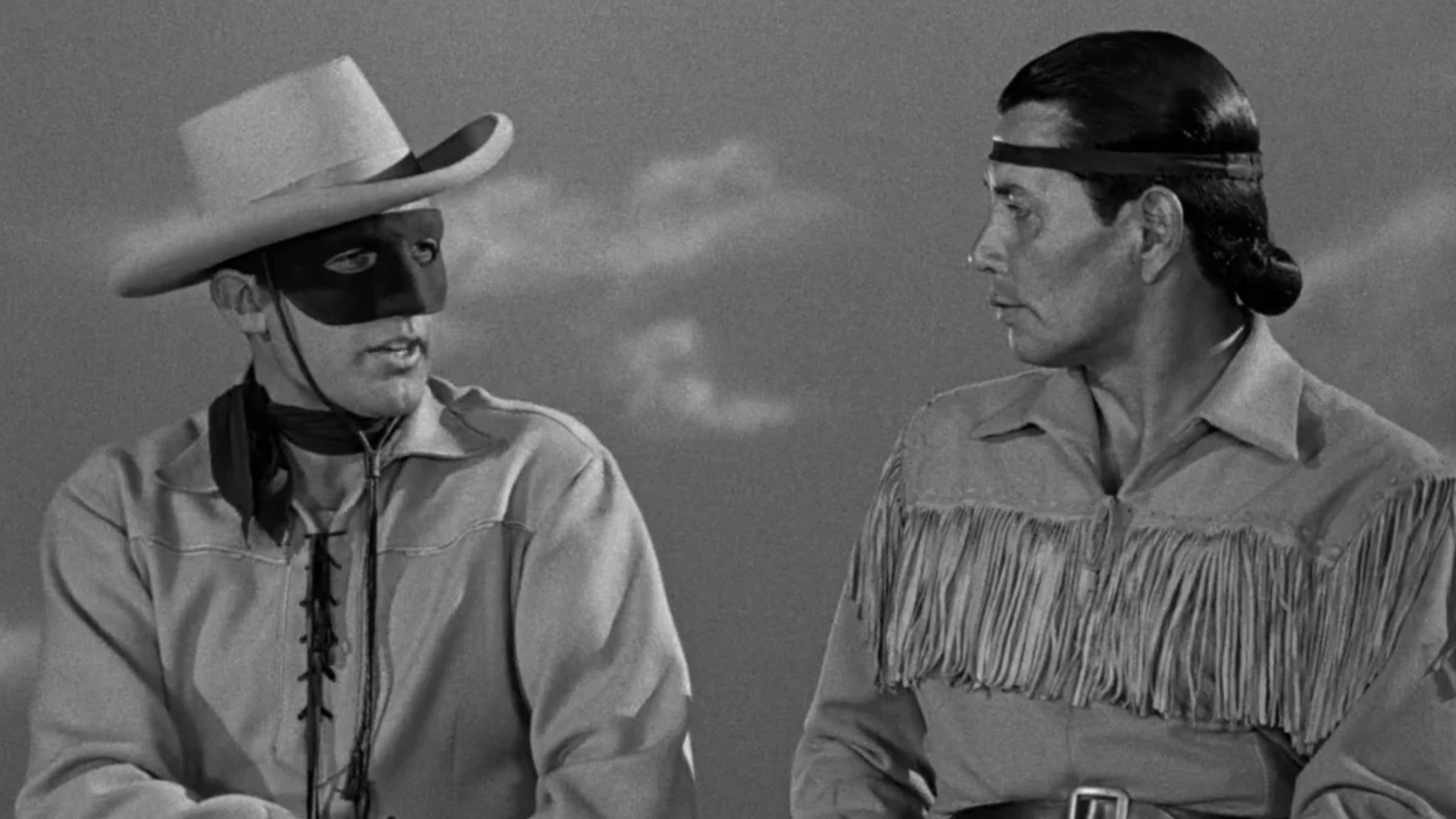
In 1957, The Lone Ranger finished its run, but its ending didn’t cause a big stir – shows simply stopped when ratings declined or networks wanted new programming. The concept of a large-scale series finale hadn’t become popular yet; that would develop later as pop culture began to look back at its past. However, the show’s conclusion inadvertently signaled a shift in television, moving away from predictable, formulaic stories toward more complex narratives, characters with shades of gray, and less predictable plots. The classic Western was starting to give way to more modern television.
Considering how popular the original show was, it wasn’t surprising someone would eventually try to revive it for a new audience. It was a truly iconic part of television history. Disney decided to give it a shot, but unfortunately, the idea worked better in theory than it did in practice.
Disney Tried To Reboot The Lone Ranger and It Failed Spectacularly
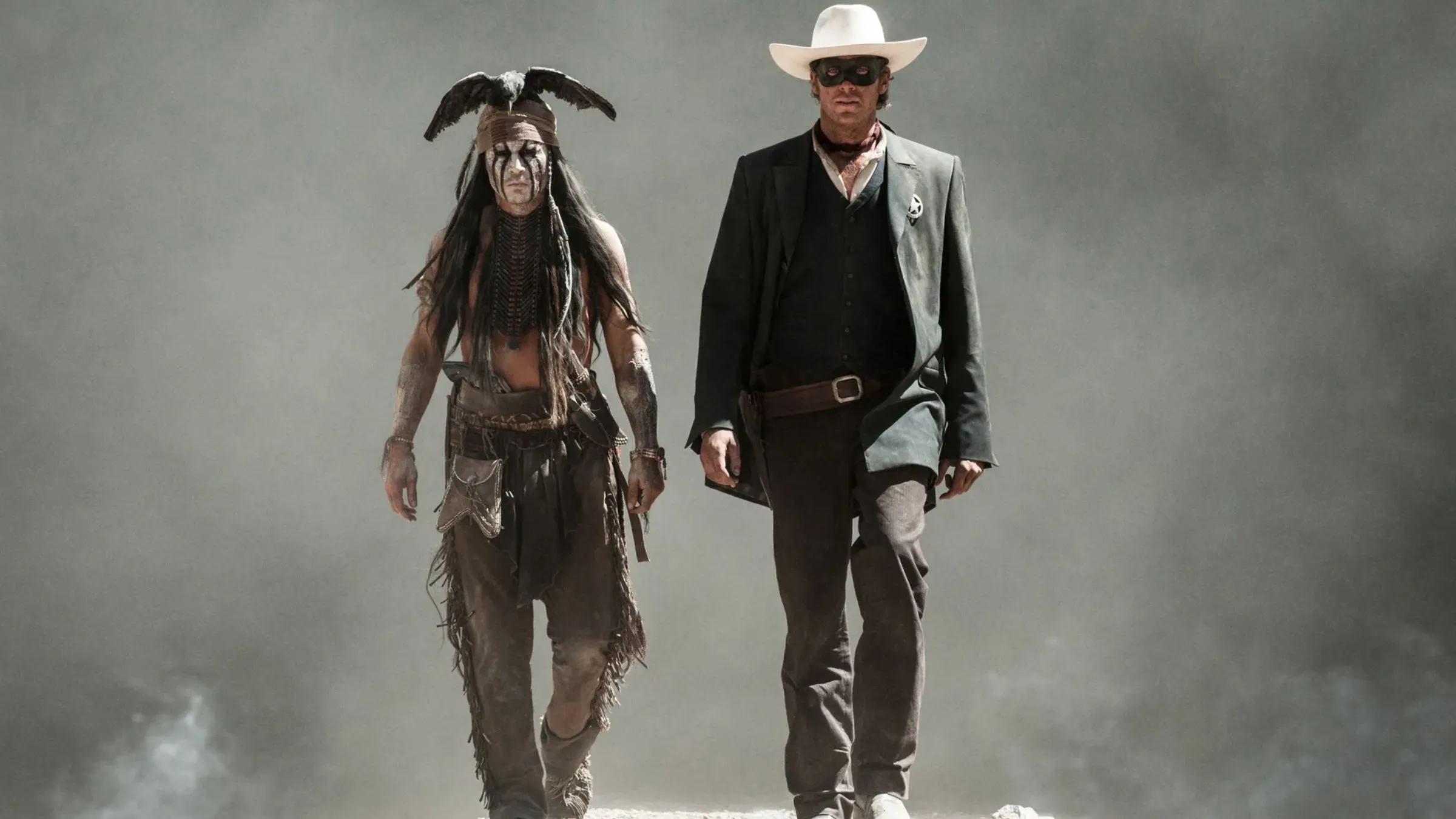
In 2013, Disney tried to revive The Lone Ranger as a big-screen franchise. It seemed like a good idea, as the studio had struggled to create new, successful blockbuster series recently. The plan was to update the classic character with exciting action, modern humor, and a knowing wink to the audience. A major draw for the movie was casting Johnny Depp as Tonto, leveraging his established popularity with moviegoers.
Sadly, the recent reboot suffered from issues common to these kinds of projects. It attempted to both honor the original story and offer a fresh, critical take, but struggled to find a satisfying balance. This resulted in an inconsistent tone and a meandering plot, with the new John Reid often feeling less important than the film’s overall approach. The connection between Reid and Tonto also felt forced, as if their relationship served the purpose of justifying a modern update rather than driving a compelling story. Critics and audiences largely disliked the film, and it performed poorly at the box office, effectively ending any hopes for sequels.
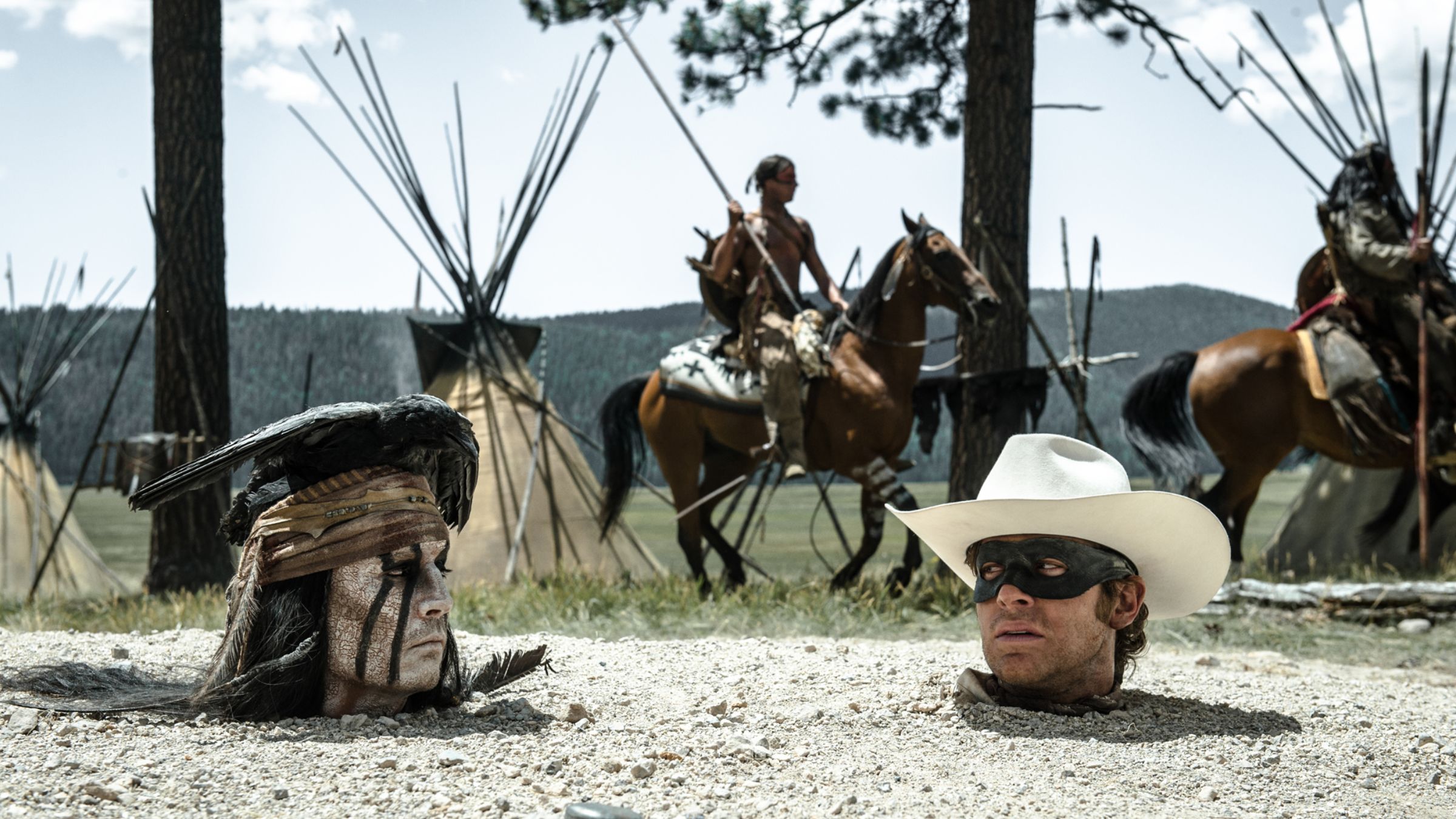
Ultimately, this story demonstrates that it’s not just about The Lone Ranger TV show itself, but about how television and film handle revisiting classic stories. The Lone Ranger succeeded because it fit the sensibilities of its time, and that original approach doesn’t easily work today without major changes. While Disney’s effort to update the show was logical, simply modernizing a classic doesn’t guarantee it will resonate with current audiences.
Look, sometimes a classic is best left as a memory. With The Lone Ranger, I think we do it a disservice trying to update it for modern audiences. Its real value isn’t in how it would play today, but in what it was – a perfect little time capsule of its era. Honestly, I’d rather celebrate the show’s incredible legacy than dwell on any attempts at a reboot. It’s far more rewarding to appreciate it for what it is: a piece of history.
Read More
- UNI PREDICTION. UNI cryptocurrency
- USD HKD PREDICTION
- SNES and NES Games Get Surprise Release on Multiple Platforms
- Hell Is a Loop in New Event Horizon: Inferno #3 Preview (Exclusive)
- The First 10 Members of the Eternals, Ranked by Power
- Pragmata Crashing on Startup: Fixes for PC
- DEXE PREDICTION. DEXE cryptocurrency
- Crunchyroll Manga Adds 24 Titles in Latest June 2026 Update
- USD CHF PREDICTION
- The Witness true story: How was Rachel Nickell’s killer eventually caught?
2026-06-07 00:42